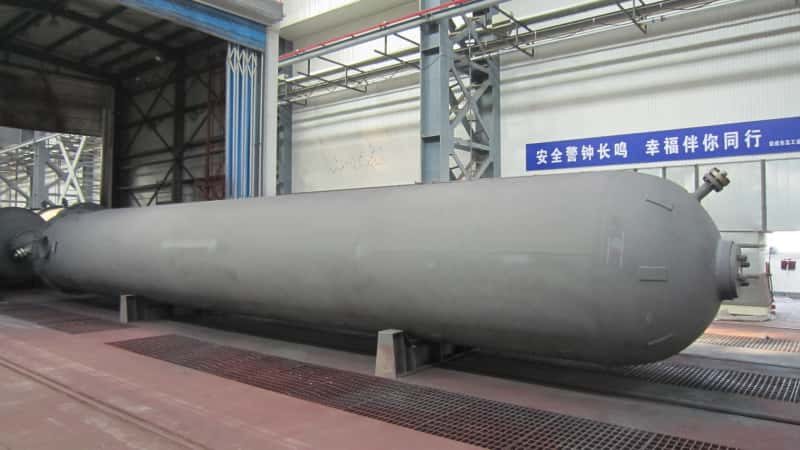

What Equipment Is Needed for Industrial Cooling Tower Blowdown Water Reuse?
Industrial plants are paying closer attention to water reuse as water availability, discharge limits and operating costs become more important in refinery, chemical, power, manufacturing and environmental projects. Cooling tower blowdown is one practical target because it is generated continuously and often contains concentrated dissolved solids, treatment chemicals and suspended impurities. For EPC buyers, the key question is not whether blowdown can be reused in principle, but what equipment package is needed to treat, store, concentrate and safely handle the water under real plant conditions.
Cooling tower blowdown water reuse equipment may include pretreatment systems, evaporators, heat exchangers, large wastewater holding tanks above 1,000 liters, concentrate storage vessels and other custom process equipment. The final scope depends on water chemistry, reuse target, discharge requirements, scaling risk and project layout.
Cooling tower blowdown can be reused with the same equipment package in every industrial plant.False
Reuse feasibility and equipment selection depend on water chemistry, dissolved solids, suspended solids, scaling risk, corrosion, reuse target, discharge limits and project layout.
Large tanks, evaporators, heat exchangers and process vessels should be reviewed together in a blowdown reuse RFQ.True
These items share water chemistry, corrosion, fouling, concentrate handling, inspection, coating and delivery requirements, so fragmented purchasing can create interface and compliance risk.
Why Cooling Tower Blowdown Is a Reuse Opportunity
Cooling towers remove heat through evaporation. As water evaporates, dissolved solids remain in the circulating water. To control scaling, corrosion and biological growth, part of the circulating water is discharged as blowdown and replaced with make-up water.
The U.S. Department of Energy’s Best Management Practice #10: Cooling Tower Management explains that blowdown helps control dissolved solids, and that monitoring and controlling blowdown can provide a major water-conservation opportunity. DOE also notes that higher cycles of concentration can reduce blowdown volume when water chemistry is properly managed.
The U.S. EPA’s Water Reuse and Recycling resources describe water reuse as reclaiming water from different sources, treating it and using it again for beneficial purposes. For chemical plants and refineries, this creates a practical opportunity: treat suitable blowdown streams for reuse, concentrate difficult waste streams, or reduce the volume sent to downstream wastewater treatment.
What Equipment Is Commonly Needed?
Pretreatment Equipment Package
Pretreatment is usually the first step. Its purpose is to reduce suspended solids, oil, hardness, silica, organics or other constituents that may cause fouling, scaling or downstream treatment problems.
Depending on the project, pretreatment may include clarification, chemical conditioning, filtration, softening, pH adjustment or other process steps. For EPC procurement, the key is to define the complete pretreatment package boundary, including feed tanks, reaction vessels, dosing interfaces, sludge handling assumptions and connection points. This article is not recommending single small filters as standalone purchases; the focus is complete industrial equipment scope.
Evaporators for Wastewater Concentration
When dissolved solids are high or the reuse target requires major volume reduction, an evaporator may be considered. Evaporators concentrate the wastewater by removing water as vapor and leaving a smaller concentrate stream for further handling.
For industrial wastewater evaporation, EPC buyers should provide flow rate, total dissolved solids, hardness, silica, chlorides, organics, boiling point elevation, foaming tendency, scaling risk and required operating mode. These parameters affect evaporator configuration, heat transfer surface, material selection, cleaning strategy and downstream condensate handling.
Although WSHI’s internal link library does not include a dedicated evaporator page yet, evaporator-related projects can be discussed through custom pressure vessels and broader custom process equipment manufacturing.
Large Wastewater Holding Tanks Above 1,000L
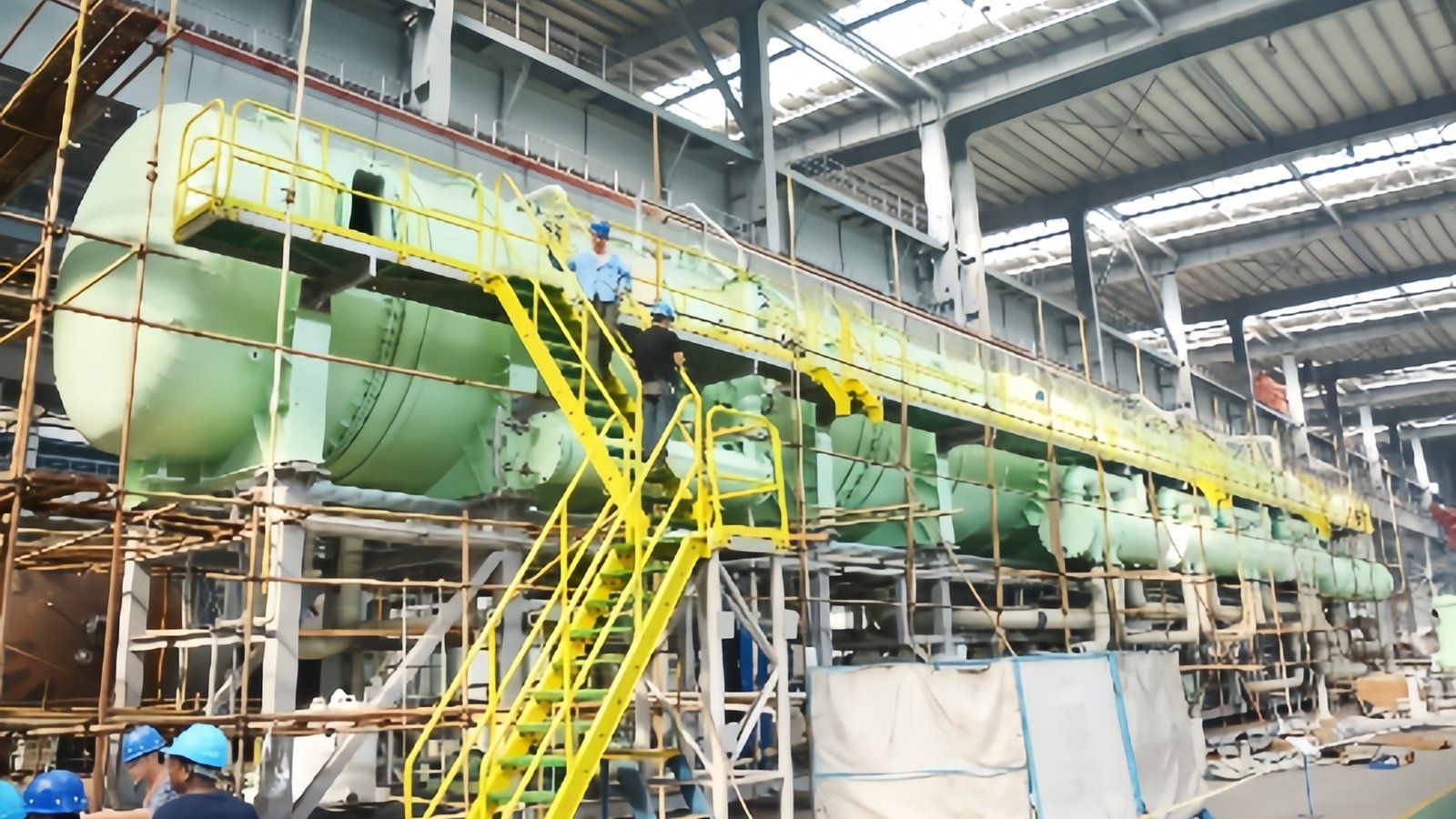
Cooling tower blowdown reuse projects often require tanks for raw blowdown, equalized feed, treated water, concentrate, cleaning solution or intermediate process storage. For this manufacturer, storage tank content should be positioned toward industrial tanks above 1,000 liters and project-scale applications.
When specifying industrial storage tanks, buyers should define tank volume, medium composition, temperature, corrosion risk, coating or lining requirements, nozzle orientation, inspection scope, installation environment and delivery terms. Tanks for wastewater or concentrate service should not be selected by volume alone.
Heat Exchangers
Heat exchangers may be used to recover heat, cool process streams, condition feed water or support evaporation systems. For industrial heat exchangers, buyers should provide heat duty, inlet and outlet temperatures, flow rate, fouling tendency, material requirements and cleaning expectations.
In wastewater service, scaling and fouling risk should be reviewed carefully. A heat exchanger that works well for clean water may not be suitable for high-solids blowdown or concentrated brine without proper design review.
Custom Process Vessels
Water reuse systems may also require equalization vessels, reaction vessels, condensate vessels, concentrate vessels, neutralization tanks and buffer vessels. These should be coordinated as complete fabricated equipment within the project package.
For chemical and environmental projects, pressure vessels for chemical plants and custom process vessels should be reviewed according to process conditions, materials, corrosion allowance, welding, inspection and coating requirements.
Equipment Package Checklist
| Equipment area | What EPC buyers should confirm | Why it matters |
|---|---|---|
| Pretreatment | Water analysis, suspended solids, hardness, silica, oil, pH and chemical dosing needs | Reduces fouling and protects downstream equipment |
| Evaporator | Flow rate, TDS, boiling point elevation, foaming, scaling, cleaning and operating mode | Controls concentration performance and maintenance risk |
| Storage tanks above 1,000L | Volume, medium, corrosion, coating, nozzles, vents, inspection and delivery | Supports safe storage of blowdown, treated water and concentrate |
| Heat exchangers | Heat duty, temperature, fouling tendency, material and cleaning access | Supports process conditioning and evaporation service |
| Documentation | Drawings, datasheets, material certificates, inspection records and delivery documents | Reduces procurement and handover gaps |
Key Selection Factors for EPC Buyers
Water Chemistry
Water analysis is the foundation of equipment selection. EPC buyers should provide data for TDS, TSS, hardness, alkalinity, silica, chlorides, sulfates, pH, COD, oil and grease, treatment chemicals and biological risk where available.
If the plant uses variable make-up water or changes chemical treatment programs, the RFQ should state the expected range rather than one ideal value.
Reuse Target
The required treatment level depends on where the water will be reused. Possible destinations may include cooling tower make-up, process wash water, utility water or feed to another treatment system. Each use may require different water quality.
EPA water reuse resources emphasize that reuse requirements vary by application and jurisdiction. EPC buyers should confirm local regulations, owner standards and water quality targets before finalizing equipment.
Scaling and Fouling Risk
Cooling tower blowdown commonly contains concentrated minerals. Scaling can affect evaporators, heat exchangers, piping and storage equipment. Buyers should confirm whether pretreatment, anti-scalant strategy, cleaning access or material changes are required.
The DOE’s side-stream filtration guidance for cooling towers notes that filtration can help limit fouling potential in recirculating water systems. For an EPC project, side-stream filtration or other pretreatment should be evaluated as part of the complete water reuse system design.
Corrosion and Material Selection
Chlorides, low pH, high temperature and chemical additives can create corrosion risks. Depending on the service, equipment may require carbon steel with coating, stainless steel, duplex materials, lining or other corrosion control measures.
Material selection should be reviewed by the project engineering team. The manufacturer can support fabrication feasibility, but the final material decision should follow process data and project specifications.
Discharge and Concentrate Handling
Water reuse projects do not make contaminants disappear. If evaporation or concentration is used, the remaining concentrate must be stored, treated, transported or disposed of according to project requirements.
The EPA’s Industrial Effluent Guidelines provide regulatory background for industrial wastewater discharges in the United States. Applicability depends on industry category, location and project conditions, so EPC buyers should confirm the local compliance basis before final equipment selection.
Large concentrate storage tanks above 1,000 liters should be specified with medium chemistry, corrosion protection, ventilation or pressure condition, coating, inspection and delivery scope. For broader process packages, buyers may also review custom pressure vessels and related vessels together.
Manufacturing and Quality Control Considerations
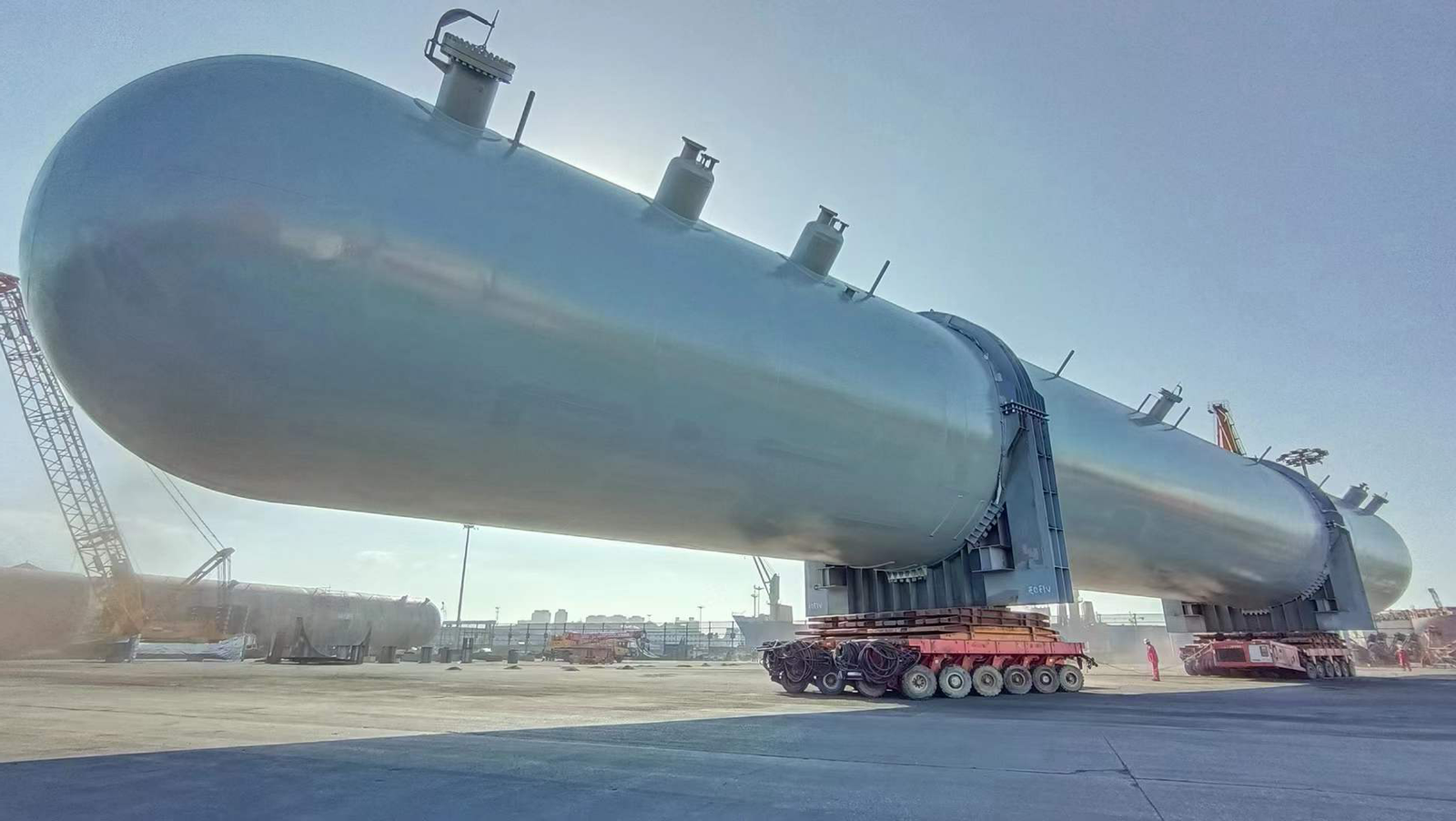
A complete water reuse equipment package may involve several fabricated items: tanks, vessels, heat exchangers, evaporation equipment and structural supports. The manufacturer should review drawings, datasheets, material specifications, coating requirements, welding details, nozzle orientation and transport constraints before fabrication.
Quality control may include material traceability, welding inspection, dimensional checks, leak testing, pressure testing where applicable, coating inspection and documentation review. If the equipment is used in chemical or high-corrosion service, inspection requirements should be agreed before purchase order release.
A large-scale pressure vessel manufacturer can support project communication for fabricated vessels, tanks and process equipment where manufacturing, coating, packing and delivery need to be coordinated.
RFQ Checklist for Cooling Tower Blowdown Reuse Equipment
Before requesting quotation, EPC buyers should prepare:
- Blowdown flow rate and variation range
- Water analysis and treatment chemical information
- Reuse target and required water quality
- Concentrate handling plan
- Pretreatment process requirements
- Evaporator operating requirements if included
- Tank volumes above 1,000 liters and medium details
- Material and corrosion protection requirements
- Heat exchanger duty and fouling expectations
- Applicable codes and project standards
- Inspection, testing and documentation requirements
- Coating, preservation and packing requirements
- Site layout, transport and delivery conditions
- Battery limits and scope of supply matrix
A clear RFQ helps the manufacturer evaluate the complete equipment package instead of quoting disconnected items.
Conclusion
Cooling tower blowdown water reuse can help industrial plants reduce make-up water demand and manage wastewater more efficiently, but the equipment must be selected according to real water chemistry, reuse targets, scaling risk, corrosion conditions and project delivery requirements. EPC buyers should evaluate pretreatment, evaporators, heat exchangers, large storage tanks above 1,000 liters and custom process vessels as a complete system boundary.
If you are planning a chemical, petrochemical, refinery, power, manufacturing or environmental water reuse project, you can share your water analysis, process flow, drawings, datasheets and delivery requirements with WSHI. Our team can support early communication for fabricated vessels, tanks, heat exchangers, evaporation-related equipment and project delivery review. You can discuss your project requirements with our engineering team.
FAQ
What is cooling tower blowdown water?
Cooling tower blowdown is water discharged from the circulating cooling system to control dissolved solids, scaling, corrosion and biological growth. It may contain concentrated minerals and treatment chemicals.
Can cooling tower blowdown be reused?
It may be reused in some industrial applications after suitable treatment, but feasibility depends on water chemistry, reuse target, local regulations and plant operating requirements.
When is an evaporator needed for blowdown treatment?
An evaporator may be considered when the project needs volume reduction, high-TDS concentration or a route for managing difficult wastewater. The decision should be based on water analysis and system design.
What tanks are needed in a blowdown reuse system?
Projects may require raw blowdown tanks, equalization tanks, treated water tanks and concentrate storage tanks. For industrial projects, these should be large storage tanks above 1,000 liters with proper material and corrosion protection.
What should EPC buyers provide before requesting a quotation?
Buyers should provide flow rate, water analysis, reuse target, process drawings, tank volumes, material requirements, inspection scope, coating requirements, battery limits and delivery terms.