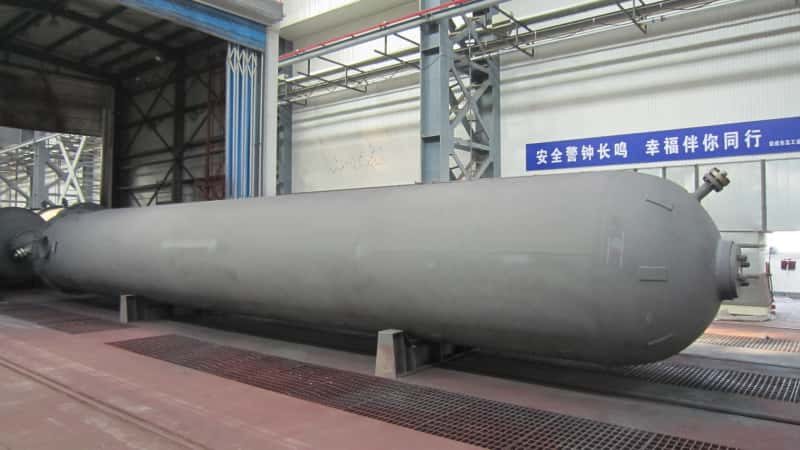

Electric Process Heating Equipment for Refinery Decarbonization Projects
Refinery decarbonization is moving from strategy documents into real equipment projects. On September 7, 2026, Axens announced with Shell and Schneider Electric the installation of an industrial-scale Electric Tubular Heater at Shell’s R3 base oil project in Germany. Industry coverage from Oil & Gas News also described the Rheinland installation as a refinery heating electrification milestone. For EPC buyers, this type of project raises a practical question: when fired heating is replaced or supplemented by electric process heating, what surrounding equipment must be reviewed, upgraded or newly purchased?
Electric heaters may be the headline, but successful refinery electrification also depends on heat exchangers, pressure vessels, gas-liquid separators, buffer vessels, process drums, piping interfaces, controls, inspection plans and delivery coordination. These items should be reviewed as a complete project equipment package rather than disconnected small components.

Electric process heating projects only require purchasing the electric heater itself.False
Refinery electrification can also affect heat exchangers, pressure vessels, separator vessels, process drums, controls, piping interfaces, inspection scope, coating, documentation and delivery planning.
Supporting pressure equipment should be reviewed together with the electric heating package.True
Heat exchangers, drums, separators and custom vessels share process duty, temperature profile, materials, safety interfaces and project delivery constraints.
Why Electric Process Heating Matters in Refineries
Refineries use process heating in distillation, hydrotreating, base oil production, chemical processing and other energy-intensive operations. Traditionally, many duties rely on fired heaters. Electric process heating is attracting attention because it can reduce direct combustion-related emissions when powered by suitable electricity and integrated correctly.
The Shell Rheinland project is important because it shows electric tubular heating being applied at industrial scale in a refinery-related base oil project. However, EPC teams should avoid viewing electrification as a simple one-for-one heater replacement. A new heating method can change process temperature control, utility interfaces, control philosophy, equipment layout and operating risk.
For this reason, refinery electrification projects should be evaluated together with custom pressure vessels, heat exchangers, process drums and separation equipment.
What Equipment May Be Needed Around Electric Heating?
Shell and Tube Heat Exchangers
Heat exchangers remain central to refinery process efficiency. When electric heating is added, existing heat integration may need review. Feed preheating, effluent cooling, heat recovery and process stabilization can all affect the final equipment list.
For industrial heat exchangers, EPC buyers should provide heat duty, inlet and outlet temperatures, pressure drop limits, fluid composition, fouling tendency, cleaning requirements, material selection and inspection scope. In refinery service, shell and tube heat exchangers are often preferred for pressure, temperature and maintainability requirements.
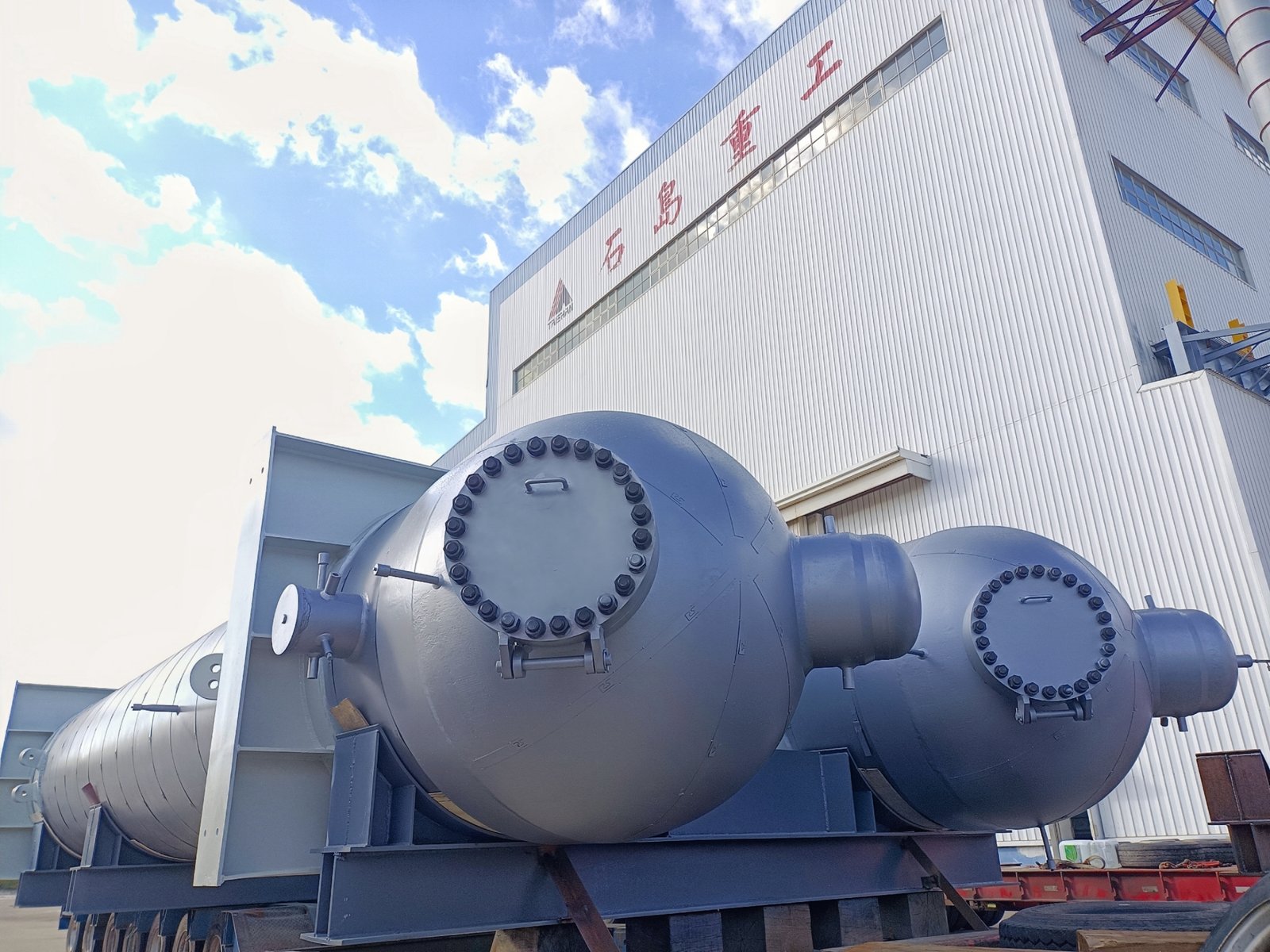
Pressure Vessels and Process Drums
Electric process heating may connect with feed drums, receiver drums, flash drums, buffer vessels, condensate vessels or other refinery process drums. These vessels help stabilize flow, manage phase behavior and protect downstream systems.
For petrochemical pressure vessels, buyers should define operating pressure, design pressure, operating temperature, design temperature, medium composition, corrosion allowance, nozzle orientation, support type and inspection requirements. The equipment should be purchased as a complete vessel package, not as disconnected shells or accessories.
Gas-Liquid Separator Vessels
Refinery heating changes may affect vapor-liquid behavior. If a heated or cooled process stream creates condensate, vapor disengagement or mixed-phase flow, separator vessels may be required.
EPC buyers should define gas flow, liquid load, density, viscosity, pressure, temperature, corrosion risk, drainage philosophy and downstream equipment protection. These parameters affect vessel orientation, internal volume, nozzle arrangement and fabrication requirements.
Supporting Storage and Buffer Equipment
Some electrification projects may require supporting vessels for process fluids, condensate, intermediate streams or utility-related liquids. Where storage is required, the article should focus on industrial storage tanks above 1,000 liters and project-scale service.
For industrial storage tanks, buyers should specify medium, volume, temperature, corrosion protection, coating, installation environment and delivery terms.
Equipment Interface Checklist
| Equipment area | What EPC buyers should confirm | Why it matters |
|---|---|---|
| Electric heater interface | Heat duty, temperature profile, control cases, flange boundaries and utility interfaces | Defines how the heating package connects with the process unit |
| Heat exchangers | Thermal duty, pressure drop, fouling, materials, cleaning access and inspection scope | Supports heat recovery and process temperature stability |
| Process drums | Flow cases, residence time, nozzles, instruments, supports and pressure rating | Stabilizes flow and manages phase behavior |
| Separator vessels | Gas and liquid loads, drainage, corrosion risk and downstream protection | Prevents carryover and protects connected equipment |
| Delivery scope | Coating, preservation, packing, lifting, documentation and transport limits | Reduces retrofit and installation schedule risk |
Key Selection Factors for EPC Buyers
1. Process Duty and Temperature Profile
Electric heating equipment must be matched with the real process duty. EPC buyers should define feed type, flow rate, required outlet temperature, operating range, start-up and shutdown cases, allowable temperature variation and control requirements.
The surrounding vessels and exchangers should be reviewed against the same operating cases. If process conditions are incomplete, the manufacturer can only provide a preliminary quotation.
2. Materials and Corrosion Conditions
Refinery streams may include hydrocarbons, hydrogen-rich gas, sour components, water, chlorides, sulfur compounds or other corrosive media. Material selection should be based on project specifications and process data.
Depending on the service, equipment may require carbon steel, stainless steel, alloy materials, corrosion allowance, cladding, lining, post-weld heat treatment, hardness control or additional NDE. These requirements should be confirmed by the EPC engineering team.
3. Pressure Vessel Code and Inspection
Pressure vessels connected to refinery process heating may be subject to ASME BPVC Section VIII, Division 1 or other applicable codes, depending on project location and contract requirements. Buyers should define the code edition, certification expectations, inspection plan, third-party witness points and documentation requirements before ordering.
A large-scale pressure vessel manufacturer can support fabrication feasibility review, but final code and regulatory decisions should follow project documents and local requirements.
4. Integration With Existing Units
Many refinery decarbonization projects are retrofits. This means new equipment must fit existing foundations, pipe racks, access roads, platforms, utilities and control systems. Nozzle orientation, supports, lifting points, drainage and maintenance access should be reviewed before fabrication release.
Late changes to these interfaces can cause welding changes, reinspection, coating repair and delivery delays.
5. Electrical and Process Battery Limits
For electric process heating projects, battery limits can become complex. The electric heater supplier, EPC contractor, process licensor, pressure vessel manufacturer and electrical system provider may all have different responsibilities.
EPC buyers should clarify:
- Which party defines process datasheets
- Which equipment is included in each package
- Where flange and utility boundaries are located
- Who provides inspection documentation
- Who coordinates nozzle orientation with the piping model
- Who is responsible for packing, preservation and delivery
Clear scope boundaries help avoid gaps between process and electrical packages.
Manufacturing and Quality Control Considerations
Refinery equipment must be manufactured with strong control of welding, inspection, testing and documentation. Depending on project requirements, quality control may include material traceability, welding procedure control, radiographic testing, ultrasonic testing, magnetic particle testing, penetrant testing, pressure testing, dimensional inspection and coating inspection.
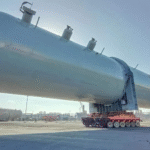
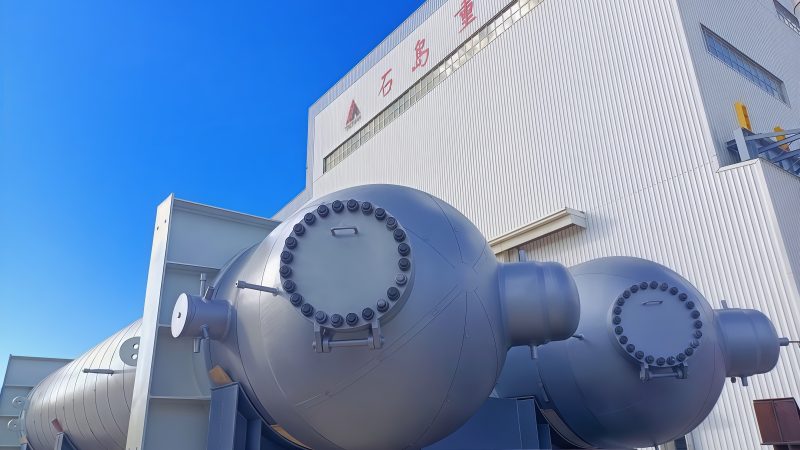
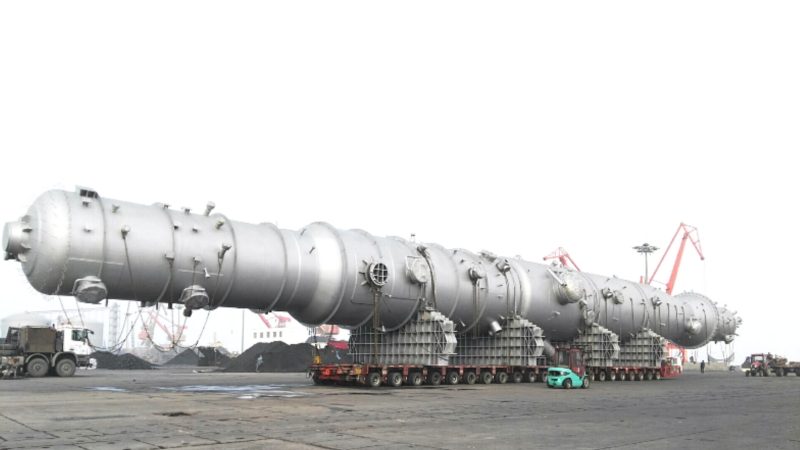
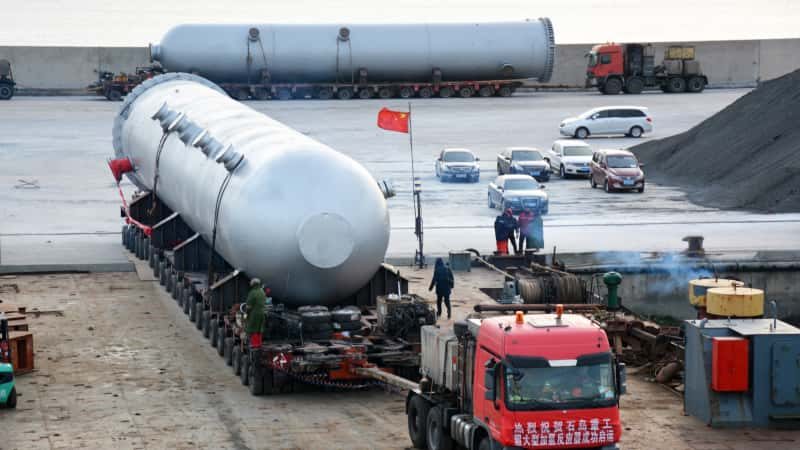
For electrification-related refinery projects, delivery coordination also matters. Large pressure vessels and heat exchangers may require customized lifting points, saddles, packing, route planning and port delivery.
For processes involving highly hazardous chemicals, OSHA Process Safety Management provides useful safety-management background. Applicability depends on site conditions, substances, quantities and local regulatory requirements.
WSHI supports pressure vessel manufacturing for refinery, petrochemical, chemical and energy projects based on drawings, datasheets and agreed technical requirements.

RFQ Checklist for Electric Process Heating Projects
Before requesting a quotation for supporting equipment, EPC buyers should prepare:
- Process flow diagram and P&ID
- Equipment list and battery limits
- Heat duty and temperature profile
- Flow rate and operating cases
- Medium composition and corrosion data
- Design pressure and design temperature
- Heat exchanger datasheets
- Vessel drawings and datasheets
- Material and coating requirements
- Applicable codes and project standards
- NDE, testing and third-party inspection scope
- Nozzle orientation and interface requirements
- Packing, preservation and delivery terms
- Documentation package requirements
A complete RFQ helps the manufacturer evaluate the full equipment package instead of quoting isolated items.
Conclusion
Electric process heating equipment for refinery decarbonization projects is not limited to the electric heater itself. EPC buyers should also review heat exchangers, pressure vessels, separator vessels, process drums, buffer equipment, coating, inspection, documentation and delivery interfaces. The best procurement results come from defining the process duty and complete equipment boundary early.
If you are planning a refinery, petrochemical, base oil, hydrogen-related or decarbonization project, you can share drawings, datasheets, operating conditions and delivery requirements with WSHI. Our team can support early communication for custom pressure vessels, heat exchangers, separators and project delivery review. You can discuss your project requirements with our engineering team.
FAQ
What is electric process heating in refineries?
Electric process heating uses electrical energy to provide process heat that would otherwise often come from fired heating. Its application depends on process duty, power supply, control requirements and site integration.
What equipment is needed around electric refinery heaters?
Supporting equipment may include heat exchangers, pressure vessels, process drums, gas-liquid separators, buffer vessels, storage tanks above 1,000 liters and related custom process equipment.
Why are heat exchangers important in refinery electrification?
Heat exchangers support feed preheating, heat recovery, cooling and process temperature control. They help integrate the electric heating system with the wider refinery process.
What should EPC buyers confirm before ordering pressure vessels?
Buyers should confirm process conditions, pressure, temperature, medium composition, materials, corrosion allowance, code requirements, inspection scope, coating, documentation and delivery terms.
Can electric heating reduce refinery emissions?
Electric heating can reduce direct combustion-related emissions when properly integrated and powered by suitable electricity. Actual emissions impact depends on the full project design, power source and operating conditions.