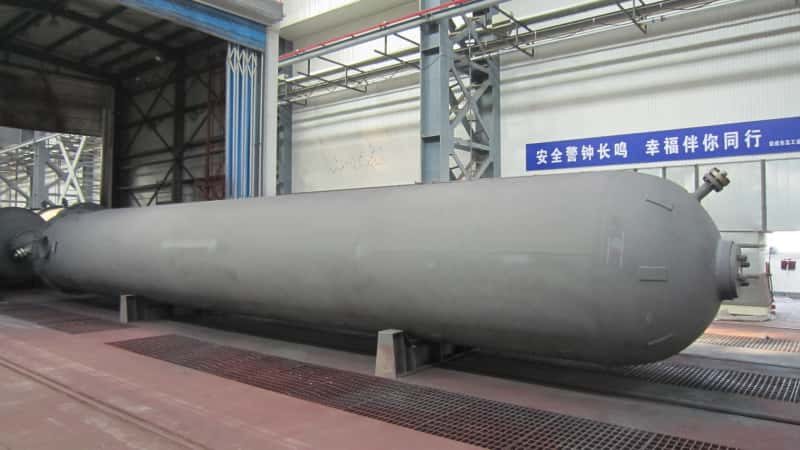

What Should Buyers Confirm Before Ordering Large Slurry Storage Tanks Above 1,000L?
Large slurry storage tanks above 1,000L are used in chemical plants, environmental projects, coal chemical facilities, mineral processing, wastewater treatment and other industrial systems where liquids contain suspended solids. For EPC buyers, slurry storage is more complex than ordinary liquid storage because settling, abrasion, corrosion, discharge behavior, cleaning access and long-term maintenance all affect the tank specification.
A slurry tank should be ordered as a complete industrial storage tank package, not as a small tank or a group of separate accessories. The RFQ should define the slurry properties, operating conditions, materials, coating or lining, inspection scope and delivery boundary before fabrication begins.
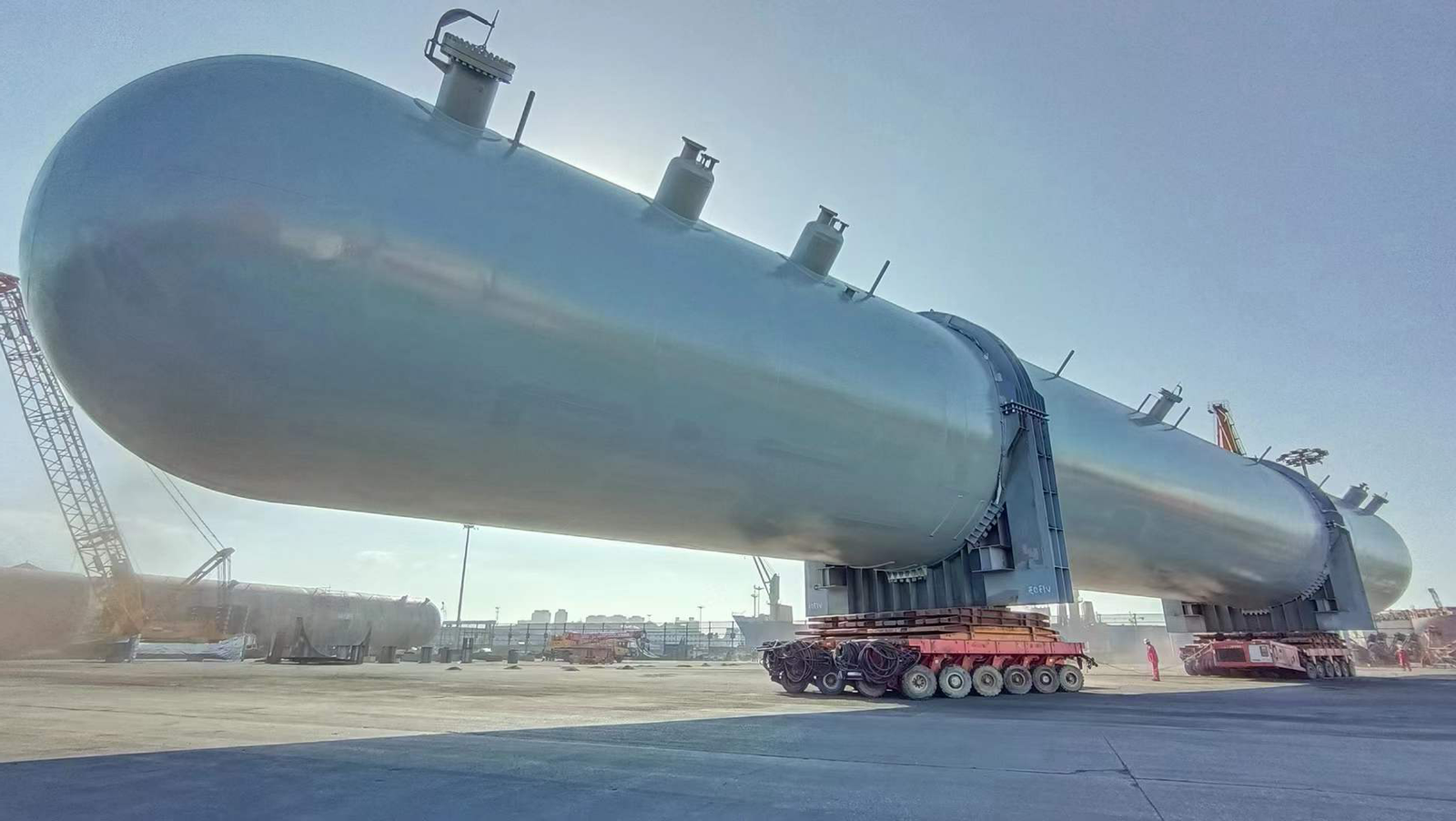
A slurry storage tank can be specified only by volume if the tank is above 1,000L.False
Slurry storage also depends on solid content, particle size, settling behavior, abrasion risk, corrosion, discharge method, cleaning access, coating or lining and delivery constraints.
Large slurry storage tanks should be purchased as complete industrial tank packages.True
The tank body, supports, nozzles, discharge interface, coating or lining, inspection records, lifting, packing and documentation should be reviewed together.
What Is a Large Slurry Storage Tank?
A slurry storage tank is used to hold a mixture of liquid and suspended solids. The liquid phase may be water, process liquor, wastewater, solvent or chemical solution. The solid phase may include minerals, salts, catalyst fines, sludge, ash, precipitates, crystals or other suspended particles.
For industrial projects, industrial storage tanks should be specified based on the complete process duty. Volume alone is not enough. A 10,000L water tank and a 10,000L slurry tank may require very different material, coating, discharge and cleaning considerations.
Where Are Large Slurry Storage Tanks Used?
Chemical and Petrochemical Plants
Chemical plants may use slurry tanks for intermediate process streams, crystallized products, catalyst-containing liquids, neutralization systems or wastewater streams. In these applications, corrosion and solids behavior should be reviewed together.
For petrochemical pressure vessels and related storage systems, the tank may need to connect with reactors, separators, heat exchangers or downstream treatment equipment.
Environmental and Wastewater Projects
Industrial wastewater treatment projects may require slurry tanks for sludge, concentrated wastewater, precipitated solids, brine concentrate or chemical treatment streams. In these cases, corrosion, abrasion and cleaning access are often more important than simple storage volume.
The U.S. EPA industrial effluent guidelines provide regulatory background for many industrial wastewater categories. For project procurement, final tank and treatment requirements should still follow local regulations, process design and site permits.
If the tank is part of a larger environmental package, EPC buyers should also consider connected custom pressure vessels, evaporators, condensate systems and downstream handling equipment.
Coal Chemical and Mineral Processing
Coal chemical and mineral processing projects may involve high-solids streams, abrasive particles, variable density and settling risk. Tank geometry, discharge arrangement, material selection and coating protection should be reviewed against actual slurry behavior.
Key Selection Factors for EPC Buyers
1. Slurry Composition
Buyers should provide liquid composition, solid content, particle size, density, pH, chlorides, temperature, viscosity and any corrosive or abrasive constituents. If the slurry composition changes during operation, the RFQ should state the expected range.
A generic “slurry tank” description is not enough for reliable quotation.
2. Settling and Discharge Behavior
Slurries may settle during storage. Settled solids can reduce working volume, block discharge points, increase cleaning frequency or create uneven loading on the tank bottom.
EPC buyers should define whether the slurry is continuously agitated, periodically mixed, drained by gravity, pumped out or cleaned during shutdown. The discharge philosophy should be part of the complete tank design.
3. Abrasion Risk
Abrasive solids can wear internal surfaces, especially near inlet zones, outlet areas and regions with high flow velocity. Depending on the slurry, the specification may require abrasion-resistant lining, thicker wear allowance, modified inlet arrangement or other protection methods.
The final approach should be confirmed by the project engineering team based on slurry data and operating conditions.
4. Corrosion and Material Selection
Slurry storage tanks may face both chemical corrosion and mechanical abrasion. Carbon steel, stainless steel, lined steel, coated steel or other materials may be considered depending on the medium.
Material selection should consider pH, chlorides, temperature, oxidizing conditions, dissolved gases, solids and cleaning chemicals. For corrosive service, pressure vessels for chemical plants and large tanks should be specified with corrosion allowance, coating or lining requirements clearly stated.
Coating, Lining and Corrosion Protection
Slurry tanks often need stronger protection than clean-liquid tanks. Coating or lining selection should consider chemical compatibility, immersion service, abrasion, surface preparation, dry film thickness, curing, repair procedure and inspection method.
AMPP explains that corrosion protection depends on factors such as environment, product handled, required lifetime and inspection requirements. For slurry storage, buyers should treat coating and lining as part of the main tank package, not as a late painting decision.
Slurry Storage Tank RFQ Summary
| RFQ item | What buyers should define | Why it matters |
|---|---|---|
| Slurry properties | Liquid composition, solid content, particle size, density, pH and viscosity | Determines tank geometry, material and discharge design |
| Settling behavior | Continuous agitation, periodic mixing, shutdown settling and cleaning method | Reduces blockage, dead zones and maintenance risk |
| Abrasion risk | Particle hardness, flow velocity, inlet zone and discharge wear points | Supports lining, wear allowance and inlet arrangement review |
| Corrosion protection | Material grade, corrosion allowance, coating, lining and inspection method | Improves service life and reduces leakage risk |
| Delivery boundary | Supports, nozzles, lifting, packing, documentation and site delivery terms | Prevents quotation gaps and installation delays |
Manufacturing and Quality Control
A large-scale pressure vessel manufacturer should review manufacturability before production. For large slurry tanks, this may include plate forming, welding sequence, bottom design, support interface, lifting points, coating access, transport dimensions and export packing.
Quality control may include material traceability, visual inspection, dimensional checks, welding inspection, leak testing, pressure testing where applicable, coating inspection and documentation review.
If the tank is pressure-rated or vacuum-rated, applicable pressure vessel codes may apply. If it is an atmospheric welded tank, API Standard 650 may be relevant depending on the project. The final standard should follow the project specification and local regulations.
RFQ Checklist for Large Slurry Storage Tanks
Before requesting quotation, EPC buyers should prepare:
- Tank volume above 1,000L
- Slurry composition and solid content
- Particle size and density
- pH, chlorides and corrosive components
- Operating and design temperature
- Pressure, vacuum or atmospheric condition
- Settling behavior and cleaning method
- Discharge and drainage requirements
- Material grade and corrosion allowance
- Coating or lining specification
- Site environment and installation method
- Inspection, testing and documentation scope
- Packing, lifting, transport and delivery terms
Common Procurement Mistakes
One common mistake is specifying slurry storage tanks by volume only. Solids behavior, corrosion, abrasion, cleaning and discharge requirements can be more important than nominal tank capacity.
Another mistake is treating coating as a late finishing decision. For slurry service, coating or lining should be reviewed together with slurry chemistry, solids, temperature and cleaning method.
A third mistake is ignoring tank bottom and outlet behavior. If settled solids cannot be discharged or cleaned properly, the tank may lose working volume and create recurring maintenance problems.
Conclusion
Large slurry storage tanks above 1,000L should be specified around slurry behavior, settling, abrasion, corrosion, material compatibility, coating, discharge, cleaning, inspection and project delivery. EPC buyers should evaluate the tank as a complete industrial equipment package.
If you are preparing an inquiry for chemical slurry tanks, wastewater slurry tanks, coal chemical storage tanks or related pressure vessel manufacturing, you can share drawings, datasheets, slurry analysis and delivery requirements with WSHI. Our team can support early communication for fabrication feasibility, quality control planning and project delivery review. You can contact our engineering team to discuss your project.
Frequently Asked Questions
What makes slurry storage different from liquid storage?
Slurry contains suspended solids, so buyers must consider settling, abrasion, discharge, cleaning and uneven solids accumulation, in addition to corrosion and storage volume.
What information is needed to quote a slurry storage tank?
Buyers should provide slurry composition, solid content, particle size, density, pH, temperature, corrosion data, volume above 1,000L, coating requirements and delivery terms.
Are slurry storage tanks always pressure vessels?
Not always. Some are atmospheric tanks, while others may be pressure-rated or vacuum-rated. Classification depends on project conditions and applicable standards.
Why is coating or lining important?
Coating or lining may protect the tank from corrosion and abrasion. The correct system depends on slurry chemistry, solids, temperature and operating conditions.
Can WSHI manufacture large slurry tanks for overseas projects?
Yes. WSHI can support large industrial storage tanks and related custom equipment based on drawings, datasheets, material requirements and agreed inspection scope.