
What Should Buyers Check Before Ordering Sour Gas Separation Vessels?
Sour gas separation vessels are used in gas processing, refinery off-gas treatment, petrochemical units and chemical tail gas systems where gas streams may contain H2S, CO2, water vapor, hydrocarbons or entrained liquids. For EPC buyers, these vessels should never be treated as ordinary gas-liquid separators. Sour gas service can involve toxicity, flammability, corrosion, pressure containment, inspection requirements and strict project safety review.
Before ordering a sour gas separation vessel, buyers should define the complete process duty, not only the vessel size. Gas composition, water content, liquid load, pressure, temperature, corrosion allowance, material requirements, nozzle orientation, testing and delivery scope all need to be clarified before fabrication.
A sour gas separation vessel can be specified like an ordinary gas-liquid separator.False
Sour gas service may involve H2S, CO2, water, corrosion, toxicity, flammability, material restrictions, inspection requirements and project safety review.
Sour gas separator RFQs should disclose H2S, CO2, water content, liquid load, pressure, temperature and applicable sour service requirements.True
These inputs affect material selection, corrosion allowance, welding controls, hardness requirements, NDE, coating, drainage and documentation.
What Is a Sour Gas Separation Vessel?
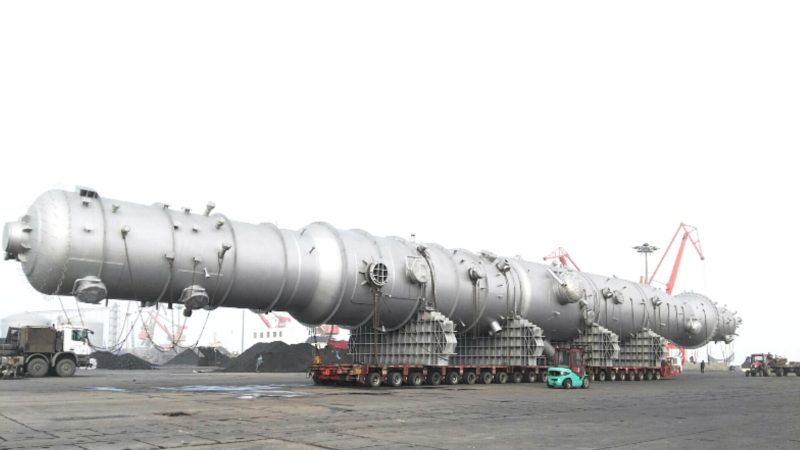
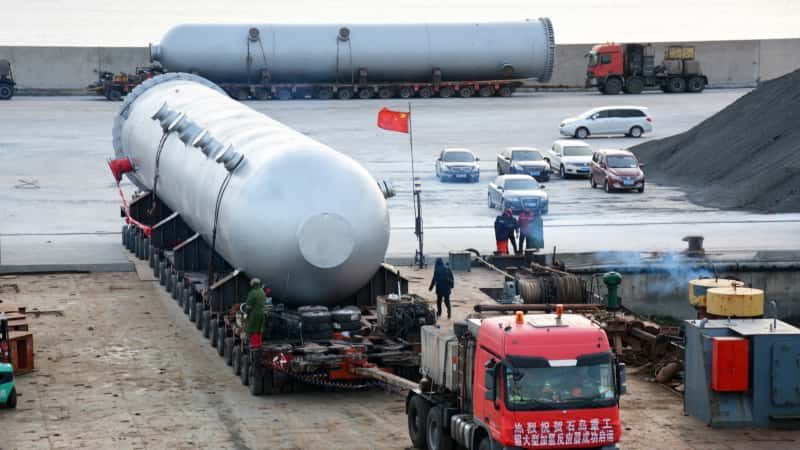
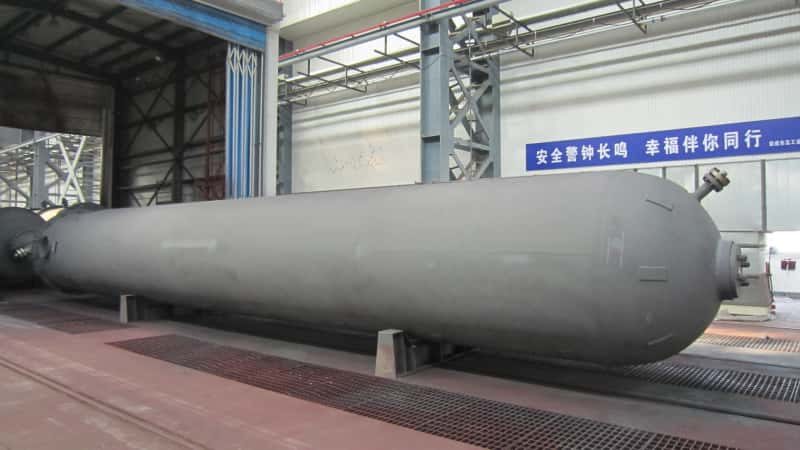
A sour gas separation vessel is a pressure vessel used to separate liquid from gas streams that contain hydrogen sulfide, carbon dioxide or other acid gas components. It may be installed upstream of compressors, dehydration units, amine treating systems, flare systems, vapor recovery units or downstream gas treatment equipment.
Depending on the process duty, it may function as a gas-liquid separator, knock-out drum, inlet separator, condensate separator or acid gas separator. For industrial projects, these vessels are usually engineered as custom pressure vessels because service conditions vary widely.
Where Are Sour Gas Separation Vessels Used?
Natural Gas Processing
Sour natural gas may contain H2S, CO2, water and hydrocarbon condensate. Separation vessels help remove free liquids before the gas enters treating, dehydration or compression equipment.
For pressure vessels for oil and gas, EPC buyers should provide full gas composition, expected condensate, water content, operating pressure, temperature and downstream equipment sensitivity.
Refinery and Petrochemical Gas Treatment
Refineries and petrochemical plants may use sour gas separation vessels in off-gas treatment, fuel gas systems, sulfur recovery support units, amine systems and compressor protection. These applications often involve corrosive and hazardous media.
For petrochemical pressure vessels, the vessel should be coordinated with scrubbers, absorbers, heat exchangers, process drums and safety systems.
Chemical and Environmental Tail Gas Systems
Some chemical plants and environmental projects handle acid gas, VOC-containing gas or process tail gas that requires separation before scrubbing, absorption or treatment. If the project includes downstream gas cleaning, scrubber towers or process towers and columns may need to be reviewed together with the separator.
Key Data EPC Buyers Should Confirm
1. H2S, CO2 and Gas Composition
The RFQ should include H2S concentration, CO2 concentration, water vapor, hydrocarbons, oxygen, chlorides, sulfur compounds and any other relevant impurities. Even if H2S is present at a relatively low level, it should be disclosed because it may affect safety review, material selection and inspection requirements.
OSHA notes that hydrogen sulfide is toxic and flammable. For this reason, sour gas equipment should be reviewed by qualified project engineers and safety specialists.
2. Water Content and Liquid Load
Water is a major factor in sour gas corrosion. CO2 and H2S become more problematic when water is present. EPC buyers should define whether the gas is dry, wet, saturated or likely to form condensate under operating conditions.
Liquid load should also be stated clearly. The vessel may need to handle hydrocarbon condensate, water, amine carryover, process liquid or mixed liquids. This affects vessel orientation, drainage, corrosion risk and downstream protection.
3. Pressure and Temperature
Sour gas separation vessels are often pressure-rated. Buyers should provide operating pressure, design pressure, operating temperature, design temperature, start-up conditions, shutdown cases and upset conditions where available.
ASME BPVC standards may be referenced for pressure vessel design, fabrication, inspection and testing depending on project location and contract requirements. Final code selection and certification requirements should follow the project specification and local regulations.
4. Corrosion and Material Requirements
Sour gas service may require special material review. Depending on H2S, CO2, water content, temperature, pressure and chloride level, the project may require carbon steel with corrosion allowance, stainless steel, cladding, internal coating, lining, post-weld heat treatment, hardness control or other measures.
ANSI/NACE MR0175 / ISO 15156 is commonly referenced for materials in H2S-containing oil and gas production environments. Buyers should confirm whether it applies to the specific project and latest specification requirements.

Vessel Configuration and Interface Checks
Sour gas separation vessels may be vertical or horizontal depending on gas flow, liquid load, site layout, residence time and maintenance access. The EPC process team should define separation performance requirements, while the manufacturer reviews fabrication feasibility.
Nozzles, drains, vents, supports, lifting points and instrument connections should be coordinated as part of the complete vessel package. They should not be purchased as separate small items because they affect safety, inspection, coating and site installation.
EPC buyers should confirm:
- Gas inlet and outlet orientation
- Liquid drain location
- Vent and relief interfaces
- Level control connections
- Sampling and inspection access if required
- Support and foundation interface
- Lifting and transport points
- Coating and preservation requirements
Integration With Heat Exchangers and Gas Treatment Systems
Sour gas separators often work with upstream cooling, downstream dehydration, amine treating, scrubbers, compressors and storage systems. If gas is cooled before separation, more liquid may condense and the vessel duty may change.
Where cooling or heat recovery is involved, industrial heat exchangers should be specified with fluid composition, heat duty, pressure drop limits, material requirements and fouling risk. Where gas cleaning is required, towers or scrubbers should be reviewed as part of the complete gas treatment package.

Sour Gas Separator RFQ Summary
| RFQ item | What EPC buyers should define | Why it matters |
|---|---|---|
| Gas composition | H2S, CO2, water vapor, hydrocarbons, oxygen, chlorides and sulfur compounds | Controls safety review, materials and corrosion assessment |
| Liquid load | Condensate, water, amine carryover, mixed liquids and upset conditions | Affects vessel orientation, drainage and downstream protection |
| Design conditions | Operating and design pressure, temperature, start-up and shutdown cases | Defines pressure vessel basis and inspection requirements |
| Sour service requirements | NACE/ISO applicability, hardness control, PWHT, coating or lining | Supports material and welding compliance review |
| Project interfaces | Nozzles, relief, drains, instruments, supports, lifting and delivery terms | Prevents treating the vessel as a disconnected shell |
Manufacturing and Quality Control
A capable large-scale pressure vessel manufacturer should review sour gas separator drawings, datasheets, material specifications, welding requirements, NDE scope, coating requirements and delivery conditions before fabrication.
Depending on the project specification, quality control may include material traceability, welding procedure control, hardness testing, visual inspection, radiographic testing, ultrasonic testing, magnetic particle testing, penetrant testing, pressure testing, dimensional inspection and coating inspection.
Documentation may include material certificates, welding records, NDE reports, heat treatment records if required, pressure test records, inspection release documents and packing lists.
RFQ Checklist for Sour Gas Separation Vessels
Before requesting quotation, EPC buyers should prepare:
- Equipment name and tag number
- Process function and connected equipment
- Gas composition, including H2S and CO2
- Water content and condensate expectation
- Gas flow rate and liquid load
- Operating and design pressure
- Operating and design temperature
- Corrosion allowance and material requirements
- Sour service or NACE/ISO requirements if applicable
- Vessel orientation and layout constraints
- Nozzle orientation and connection schedule
- Drainage, venting and relief interfaces
- NDE, testing and third-party inspection scope
- Coating, lining or preservation requirements
- Packing, transport and delivery terms
- Documentation requirements
A complete RFQ helps the manufacturer evaluate the separator as a full engineered pressure vessel rather than quoting a generic vessel shell.
Conclusion
Sour gas separation vessels require careful specification because H2S, CO2, water content, corrosion, pressure containment and safety requirements can all influence the final equipment design. EPC buyers should define gas composition, liquid load, pressure, temperature, materials, inspection scope, coating and delivery requirements before ordering.
If you are preparing an inquiry for sour gas separation vessels, acid gas separators, gas treatment pressure vessels, heat exchangers or related pressure vessel manufacturing, you can share drawings, datasheets, gas composition and delivery requirements with WSHI. Our team can support early communication for fabrication feasibility, quality control planning and project delivery review. You can contact our engineering team to discuss your project.
FAQ
What is a sour gas separation vessel?
A sour gas separation vessel is a pressure vessel used to separate liquid from gas streams containing H2S, CO2 or other acid gas components before downstream processing.
Why is water content important in sour gas service?
Water can increase corrosion risk when H2S or CO2 is present. Buyers should define whether the gas is dry, wet, saturated or likely to form condensate.
What information is needed before quotation?
Buyers should provide gas composition, H2S and CO2 levels, water content, flow rate, liquid load, pressure, temperature, materials, inspection scope and delivery terms.
Are sour gas separators standard products?
Usually not for EPC projects. Sour gas separation vessels should be engineered according to project-specific gas composition, pressure, corrosion risk, material requirements and inspection scope.
Does sour gas service require special standards?
It may. NACE MR0175 / ISO 15156 or other sour service requirements may apply depending on the project. Final applicability should be confirmed by qualified engineers and project documents.