
CCS Project Equipment for CO2 Capture and Compression
Industrial carbon capture projects require equipment that works together across several operating conditions. For EPC buyers, the challenge is translating a capture process into clearly specified columns, heat exchangers, separators and pressure vessels, with defined responsibilities for fabrication, inspection and delivery. Selecting CCS project equipment therefore starts with understanding the process interfaces and the limits of each supplier’s scope.
This article focuses on stationary equipment for solvent-based industrial CO2 capture and the associated compression train. Exact equipment requirements depend on the selected technology, feed gas and downstream CO2 specification.
A stationary equipment supplier automatically guarantees the capture rate of the complete CCS plant.False
Manufacturing vessels, columns and heat exchangers to approved requirements is different from guaranteeing the capture rate, solvent performance, compressor performance or energy consumption of the complete plant.
EPC buyers should define the CCS equipment package boundary before comparing quotations.True
Columns, heat exchangers, separators, pressure vessels, compressors, controls, proprietary solvent technology and installation work may belong to different supplier scopes.
Where This Equipment Fits in a CCS Project
Carbon capture and storage connects CO2 separation with conditioning, transport and permanent storage. Within the capture plant, several equipment groups prepare the gas, separate CO2 and condition the captured stream for the next stage. NETL identifies solvents, sorbents and membranes among technologies used for point-source capture, so a solvent-based equipment arrangement should not be treated as universal. Buyers can review NETL’s overview of point-source carbon capture for broader process background.
Relevant industrial applications include refinery utility systems, chemical manufacturing, hydrogen production and other facilities with suitable CO2-containing streams. However, flue gas capture and removal of CO2 from a pressurized process stream can require substantially different equipment. Buyers should establish the source gas composition and process route before comparing quotations.
Define the Equipment Package Boundary
A stationary equipment package may include absorption and regeneration columns, heat exchangers, condensers, gas-liquid separators and designated buffer vessels. It does not automatically include compressors, proprietary solvent technology, electrical systems, plant controls or installation services.
An equipment list should identify who owns the process design, who supplies the mechanical equipment and who guarantees plant performance. Manufacturing a vessel to approved requirements is a different responsibility from guaranteeing the capture rate or energy consumption of the complete plant.
CCS Equipment Package Summary
| Equipment group | Typical role | Procurement point for EPC buyers |
|---|---|---|
| Absorber and regeneration columns | Provide gas-liquid contact and solvent regeneration service | Define process duty, materials, internals interface, transport size and field connection requirements |
| Heat exchangers and condensers | Support solvent heating, cooling, heat recovery and CO2 conditioning | Provide stream data, duty, pressure drop, fouling assumptions and cleaning expectations |
| Gas-liquid separators | Remove bulk liquid after cooling or around compression stages | Clarify gas flow, liquid load, carryover limit, pressure, temperature and upset cases |
| Buffer and receiver vessels | Manage defined operating functions in the process or compression train | Specify the function, volume basis, control interaction and connected equipment interfaces |
| Fabrication and delivery records | Support acceptance, logistics and project handover | Define inspection records, test reports, data book format, packing and delivery boundary |
Main CCS Project Equipment and Its Procurement Requirements
Absorber and Regeneration Columns
In a solvent-based capture process, the absorber provides the contact environment in which CO2 transfers from the gas into the solvent. The regeneration section releases captured CO2 and prepares the solvent for reuse. The process technology provider should establish the required operating conditions and performance basis before mechanical design is finalized.
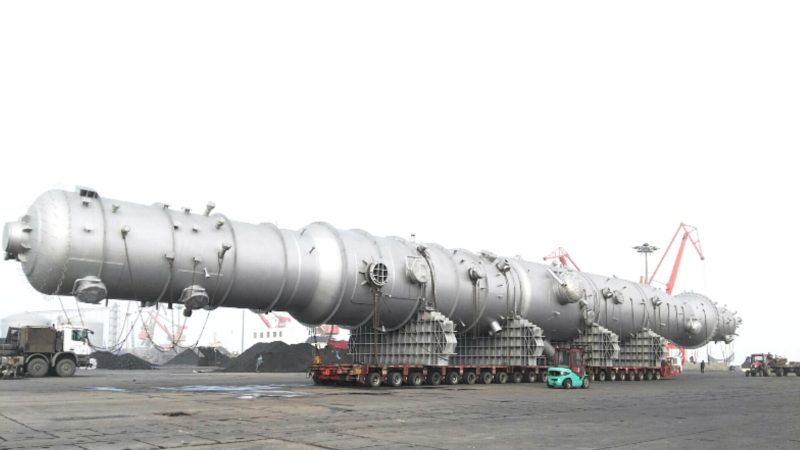
For complete process towers and columns, the purchase specification should define the design envelope, materials, installation arrangement and interfaces with connected equipment. Buyers also need an agreed division of responsibility for process design and the equipment supplied as part of the complete column.
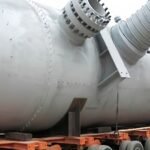
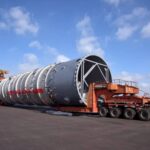
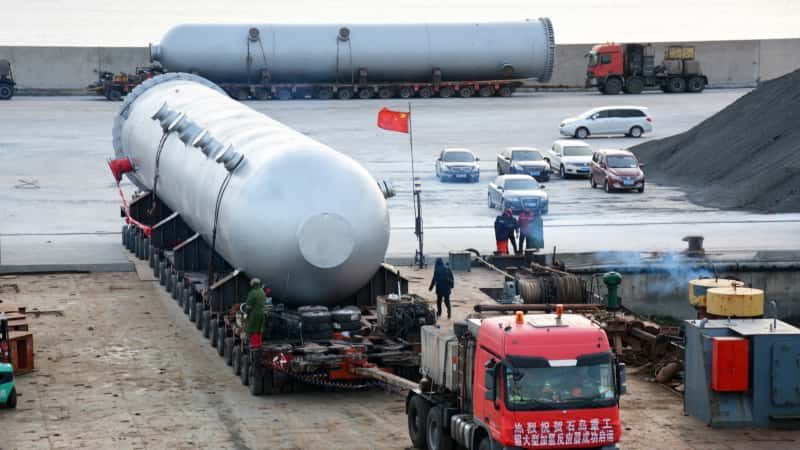
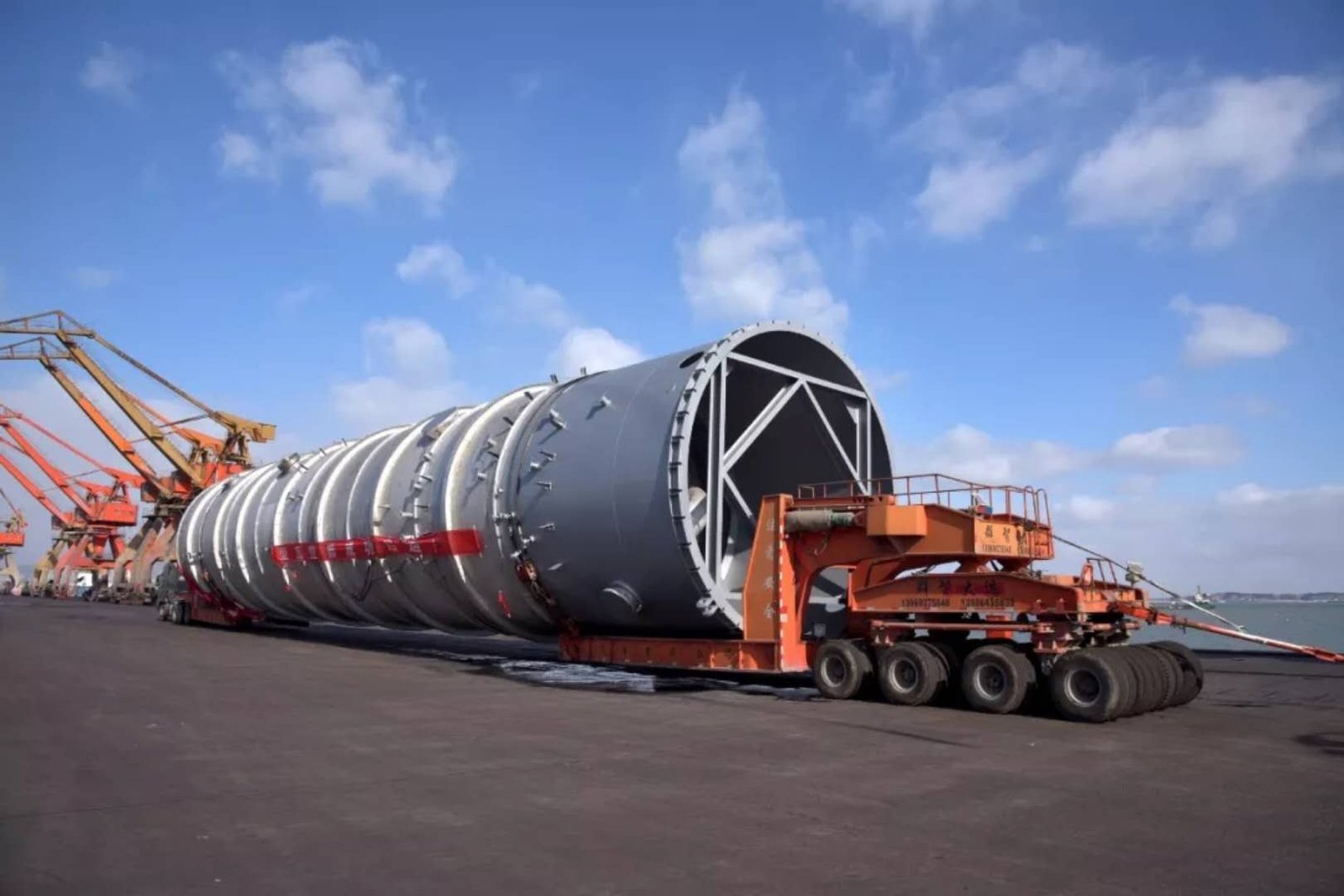
Large columns bring practical manufacturing and delivery questions. Can the vessel be transported as one piece? Will site assembly be required? Who controls dimensional verification at field connections? These decisions affect fabrication planning and should be resolved before the shipping configuration is fixed.
Heat Exchangers, Reboilers and Condensers
Heat transfer equipment connects solvent regeneration, solvent cooling and CO2 conditioning. Depending on the process, duties may include rich/lean solvent heat recovery, reboiling, overhead condensation and cooling around compression stages.
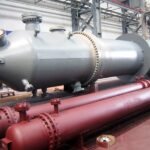
When evaluating shell and tube heat exchangers, buyers should provide both stream conditions and the required thermal performance. A heat duty alone is insufficient for a comparable quotation. Allowable pressure drop, utility temperatures, fouling assumptions, mechanical cleaning access and expected operating variations also influence the design.
Thermal and mechanical responsibilities should be explicit. If the purchaser provides the thermal design, the manufacturer needs an approved mechanical design basis. If thermal rating is included in the supply, the quotation should state the conditions under which performance will be evaluated.
Gas-Liquid Separators Around Compression
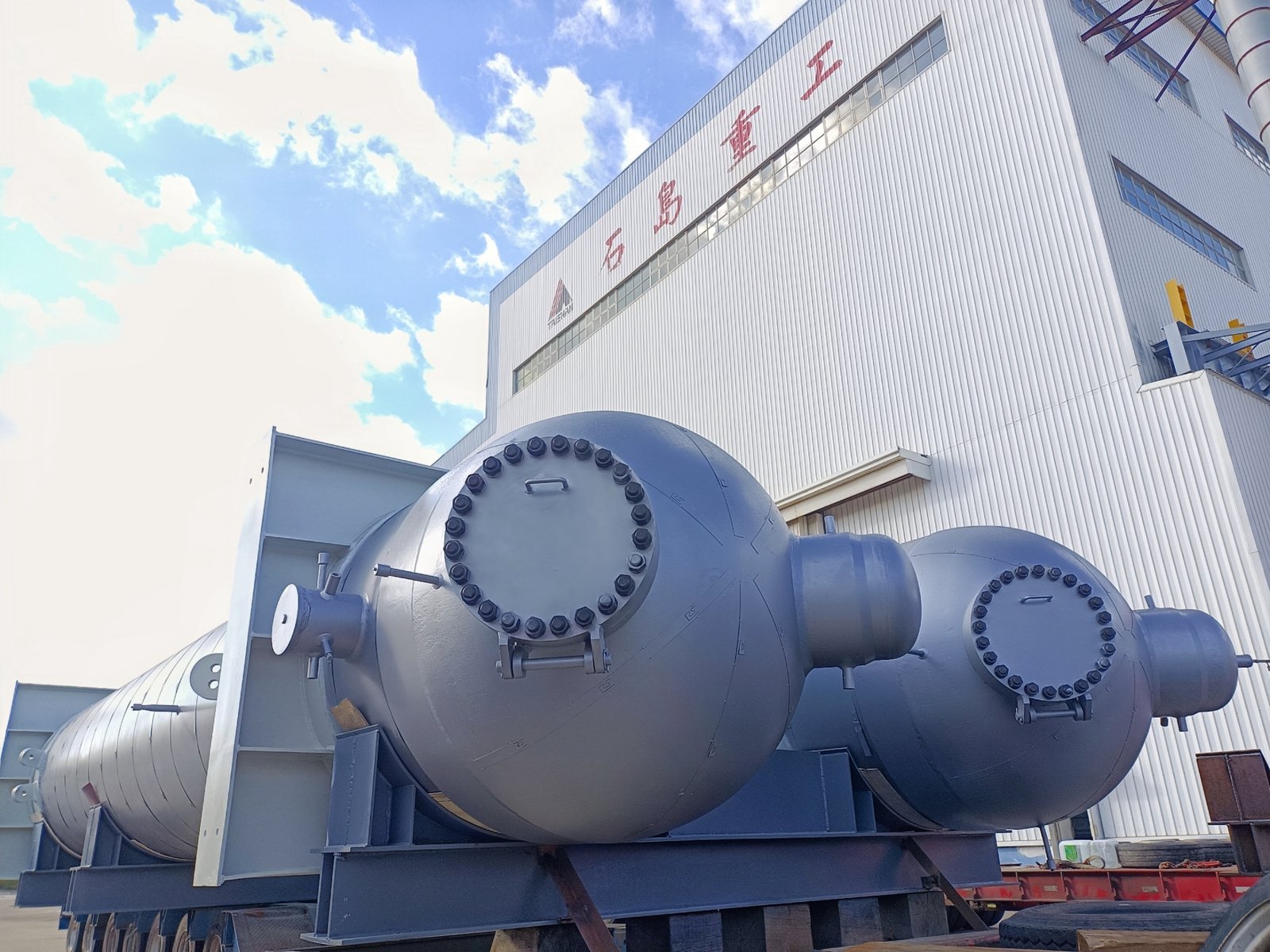
Cooling a wet CO2 stream can produce condensate. Where the process requires it, separators remove bulk liquid before the gas enters downstream equipment. The compression arrangement and cooling duties determine where separation is needed. NETL’s CO2 compression materials explain the role of compression in preparing captured CO2 for downstream transport.
Separator specifications should include gas flow, operating pressure and temperature, expected liquid loading, relevant upset cases and the downstream equipment’s liquid carryover limit. Normal operation alone may not adequately describe the required duty.
Bulk liquid separation and dehydration serve different purposes. A separator does not, by itself, establish that the CO2 meets a water-content specification. The EPC contractor should coordinate the separator, dehydration and compressor requirements as part of one process design.
Buffer and Associated Process Vessels
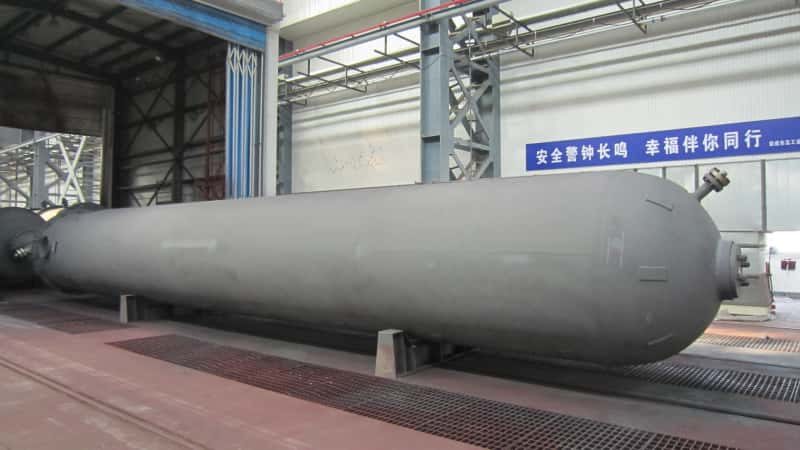
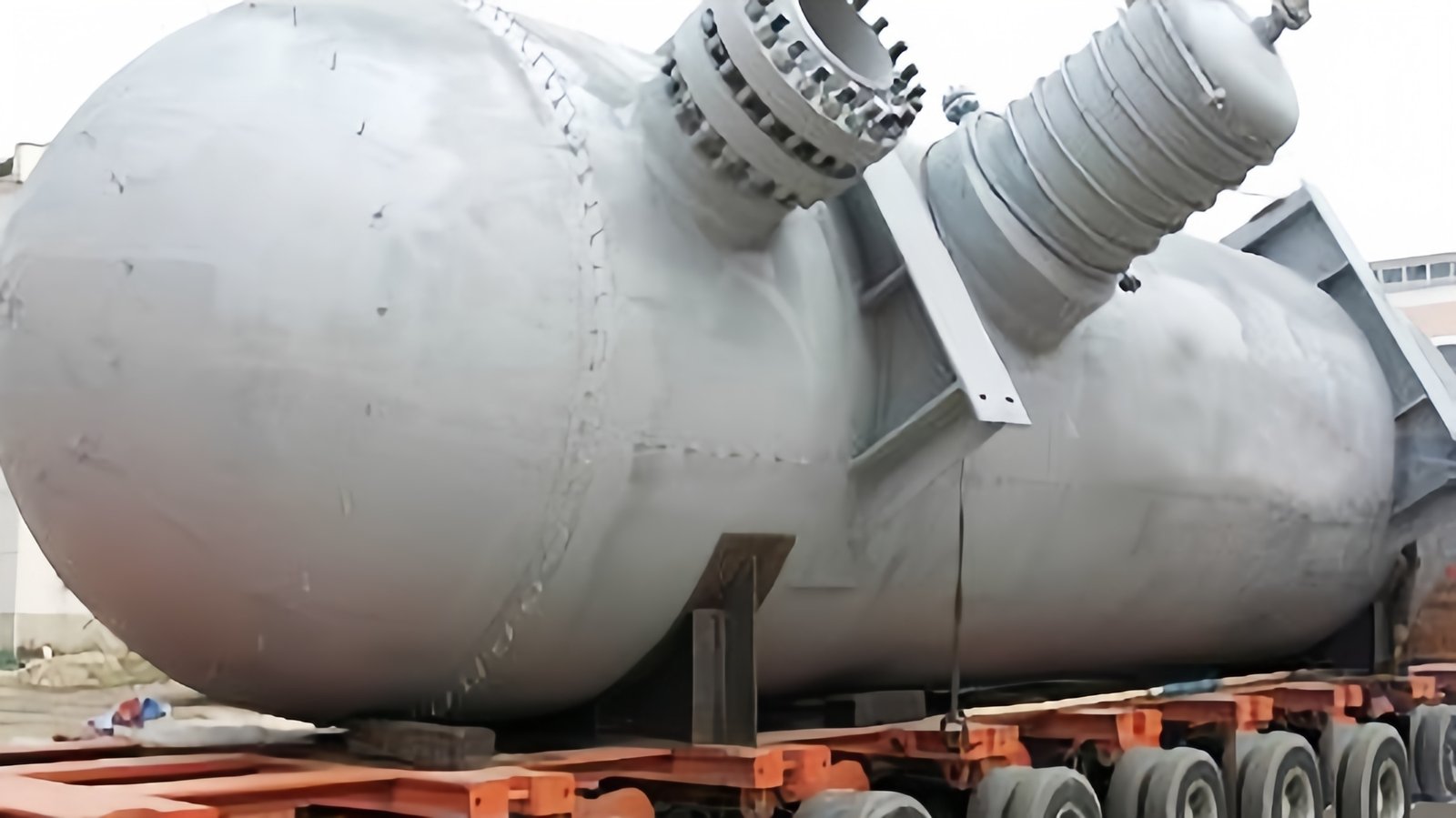
Some projects require buffer or receiver vessels for specific operating functions. Their need and volume should come from the process and control design, rather than a standard allowance applied to every compression system.
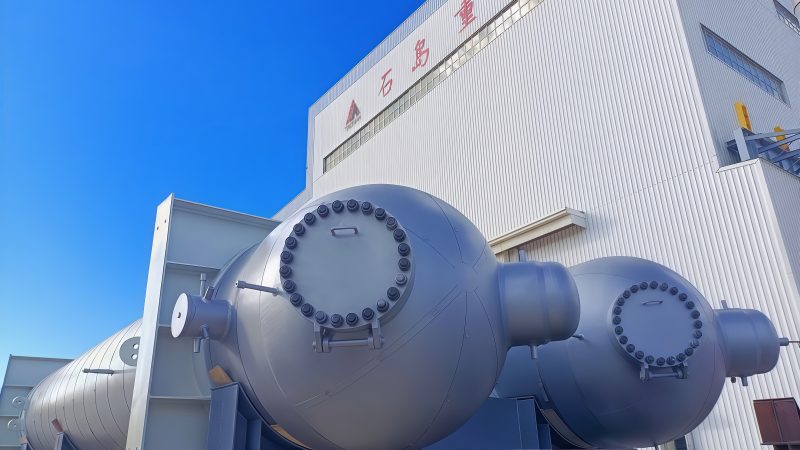
For these custom pressure vessels, buyers should define the intended function, operating range and interaction with connected equipment. Where liquid solvent or process storage is included, WSHI’s relevant procurement scope is large industrial tanks above 1,000 liters.
Selection Factors Buyers Should Resolve Before Quotation
Feed Composition and Operating Cases
A useful equipment inquiry describes more than CO2 concentration. Water, oxygen, contaminants and potential liquid or solid carryover can affect equipment requirements. For solvent-contact equipment, the selected solvent and its expected condition also matter.
The inquiry should distinguish normal, minimum and maximum operating cases, together with the project’s design conditions. Startup, shutdown and credible abnormal conditions should be addressed by the responsible engineering team. This allows manufacturers to price against a defined basis and reduces late changes after material procurement.
Materials and Corrosion Conditions
Material selection should follow the actual exposure conditions. A vessel handling wet CO2 may have different requirements from one handling a stream with a tightly controlled water content. Solvent-contact surfaces require their own compatibility assessment.
Avoid specifying one material for the entire package simply for purchasing convenience. Ask the responsible materials engineer to establish the basis for each equipment item, including corrosion allowance, any lining or cladding requirements and the conditions under which the selection remains valid. A general statement such as “stainless steel construction” is not a complete material specification.
Pressure, Temperature and Applicable Construction Rules
Each equipment item needs its own design pressure and temperature basis. An absorber, regeneration vessel and compression-stage separator should not automatically receive the same design assumptions.
Where specified by the project, ASME BPVC Section VIII, Division 1 provides requirements for pressure vessel construction, including design, fabrication, inspection and testing. Applicable editions, certification requirements and destination-country obligations must be established for the individual order. Referencing a code does not establish a manufacturer’s certification or approval for a particular project.
Manufacturing and Quality Control
Manufacturing capability matters because the approved design must remain traceable through procurement, welding, inspection and final release. For EPC buyers, this means assessing the proposed production route and records as well as the finished equipment.
The agreed inspection and test plan should identify material verification, welding documentation, dimensional checks, required nondestructive examination, applicable heat treatment and pressure testing. The specific methods and acceptance criteria depend on the equipment specification and governing construction requirements.
A pressure test is one part of equipment acceptance. It does not demonstrate CO2 capture performance, corrosion life or heat exchanger duty. These outcomes have different verification requirements and should be assigned to the appropriate party.
WSHI’s manufacturing capability covers engineering coordination, material procurement, welding fabrication, nondestructive examination, pressure testing, coating and heavy-equipment delivery activities. The quotation should identify which activities, records and third-party inspection arrangements are included for the proposed order.
Delivery Planning and Common Purchasing Gaps
Large vessels and columns need a delivery plan that reflects transport dimensions, lifting arrangements and site access. Buyers should agree on shop assembly versus field assembly, preservation requirements, packing, shipping documentation and the delivery point before placing the order.
Equipment arriving at a port is not the same contractual milestone as equipment installed and accepted at the plant. The responsibility for unloading, onward transport, erection and commissioning should be stated clearly.
Common purchasing gaps include comparing prices against different equipment lists, leaving performance responsibility undefined and requesting inspection documentation only after fabrication has started. Another risk is assuming that a stationary equipment supplier also provides the complete compression or capture system.
A practical request for quotation should therefore include approved or preliminary datasheets, an equipment list, process conditions, material requirements, inspection expectations, delivery location and the required documentation schedule. Any preliminary information should be identified so that suppliers can state their assumptions.
FAQ
What equipment is typically included in a carbon capture plant?
A solvent-based plant may require absorbers, regeneration columns, reboilers, heat exchangers, condensers and associated vessels. CO2 conditioning can add separators and other equipment around compression and dehydration. The final list depends on the selected process.
Does a carbon capture equipment package include compressors?
Only when explicitly included in the contract. Buyers should confirm whether the supplier provides stationary equipment, an assembled package or a wider system, and identify responsibility for compressor integration.
Can one material be used for every CO2 vessel?
Material suitability depends on the stream composition, water content, temperature, pressure and corrosion conditions. Each equipment item requires a defined material selection basis.
What should EPC buyers provide before requesting a quotation?
Provide the equipment list, process datasheets, design conditions, materials basis, construction requirements, inspection scope and delivery expectations. Preliminary inquiries should clearly identify unresolved parameters.
Can WSHI supply complete CCS process technology?
This article focuses on stationary process equipment such as columns, heat exchangers, separators and custom pressure vessels. Process technology, solvent performance, compressors, controls, installation and complete plant performance guarantees should be confirmed separately in the contract scope.
Discuss Your CCS Equipment Requirements
Effective procurement of CCS project equipment begins with a defined process basis and clear supplier responsibilities. For absorber columns, heat exchangers, separators and associated pressure vessels, an agreed scope helps align fabrication, inspection and delivery with the wider project.
If you are preparing an industrial carbon capture project, contact our engineering team with your equipment list, process datasheets, drawings and delivery requirements. WSHI can review the proposed stationary equipment scope and discuss manufacturing feasibility and project delivery.