
What Is a Flare Knockout Drum and How Should EPC Buyers Specify It?
A flare knockout drum separates entrained liquid from gas flowing toward a flare and provides space to collect that liquid. For EPC buyers, procuring this vessel requires more than selecting a diameter and design pressure. Its specification must reflect the flare system’s relief scenarios, liquid loading, allowable pressure drop and operating limits.
A vessel that suits routine flow may not meet the requirements of an emergency release. Before requesting quotations, procurement teams should establish the approved process design basis and clarify responsibility for the complete vessel, its associated equipment and its integration into the flare system.
A flare knockout drum can be specified from gas flow alone.False
A flare knockout drum specification should consider relief and depressuring cases, liquid loading, usable liquid capacity, operating pressure and temperature, material requirements, inspection scope and system interfaces.
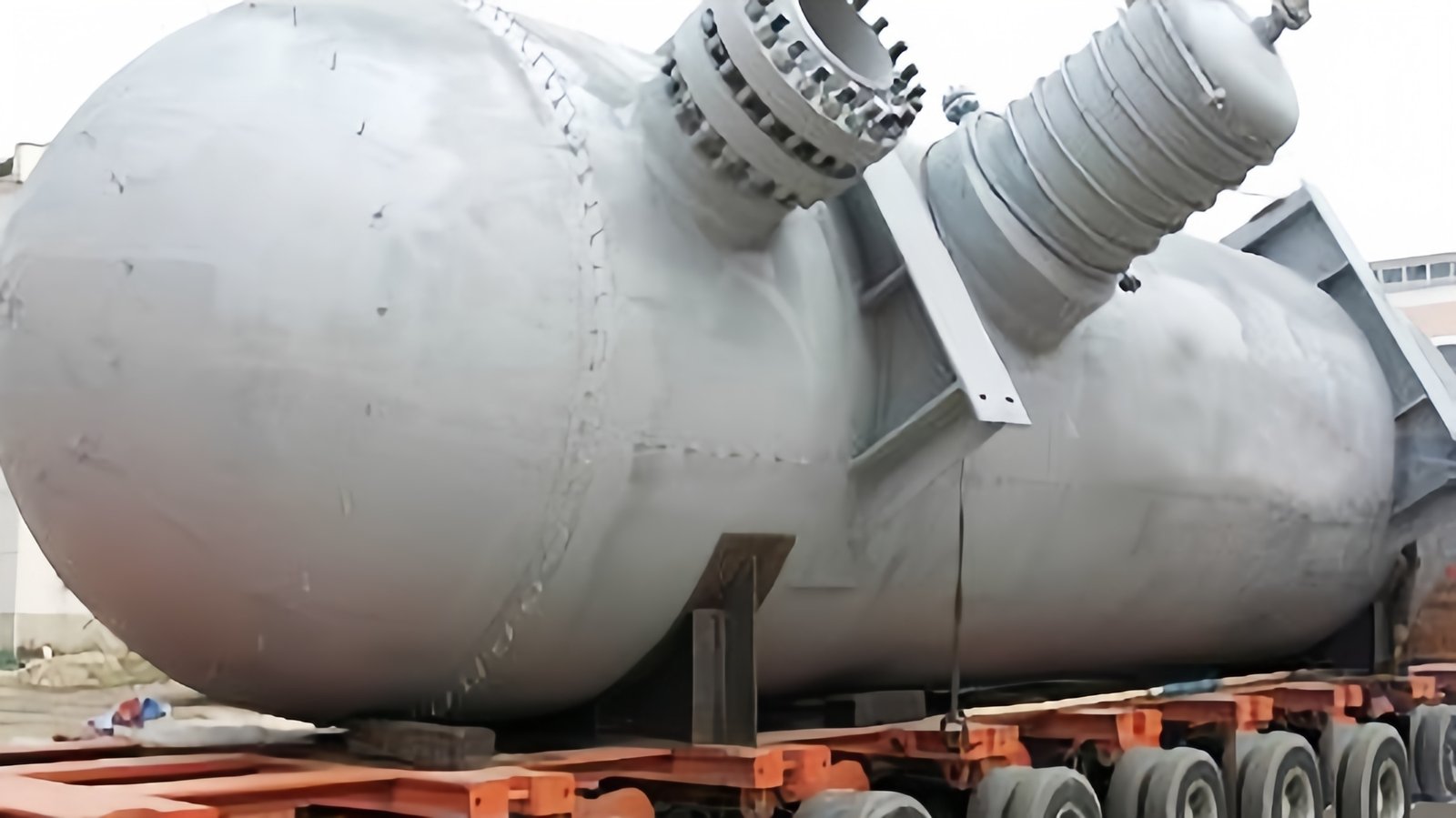
A flare knockout drum should be procured as a complete vessel package with defined interfaces.True
EPC buyers should distinguish the fabricated vessel scope from liquid removal equipment, instruments, connecting piping, electrical work, site installation and flare system design responsibility.
What Does a Flare Knockout Drum Do?
A flare system receives gases released during specified operating, relief and depressuring events. Depending on the source and conditions, those streams can also contain liquid. The knockout drum provides an environment in which bulk liquid can separate from the gas and collect for controlled removal.
Its performance depends on both separation space and available liquid capacity. As the liquid level rises, the space available for gas flow changes. These requirements therefore need to be evaluated together rather than treated as independent vessel dimensions.
A flare knockout drum also has a distinct function from a liquid seal drum. Buyers should use the approved process flow diagram and equipment datasheets to identify each vessel’s purpose rather than assume that similarly named drums are interchangeable.
Where Are Flare Knockout Drums Used?
Flare knockout drums are used in refinery, petrochemical and gas processing facilities where the flare system design requires liquid separation. The equipment may serve an individual process unit or a wider flare network.
For oil and gas pressure vessel applications, the relevant feed streams may change with plant operating modes. A shared header can receive releases with different compositions, temperatures and liquid contents. The responsible process engineering team must establish which combinations of releases form credible design cases.
In petrochemical plants, expansions and process modifications can also change the original flare loading. Replacing a drum on a like-for-like basis should therefore follow a review of the current system requirements, rather than relying solely on the original nameplate or vessel drawing.
Flare Knockout Drum Specification Summary
| Specification item | What EPC buyers should define | Why it matters |
|---|---|---|
| Relief and depressuring cases | Design cases, gas and liquid rates, physical properties and reference conditions | Establishes the process basis for separation and liquid accumulation |
| Separation requirements | Downstream acceptance criteria, liquid carryover basis and evaluation conditions | Prevents vague acceptance claims such as complete liquid removal |
| Usable liquid capacity | Initial level, expected liquid accumulation and approved liquid removal assumptions | Connects vessel volume with credible relief events and operating limits |
| Mechanical design envelope | Design pressure, design temperature, MDMT, material, corrosion allowance and vacuum basis | Controls code design, material selection, toughness and fabrication requirements |
| Complete supply scope | Vessel body, nozzles, supports, coatings, inspection records, packing and delivery boundary | Makes quotations comparable and reduces missing interface items |
What Should a Flare Knockout Drum Specification Include?
Relief and Depressuring Cases
The starting point is the flare system study. It should identify the cases used to establish gas handling, liquid accumulation and other equipment requirements. The case with the greatest gas flow may differ from the case producing the largest liquid load or lowest temperature.
For quotation purposes, provide the relevant flow rates and physical properties at the drum’s actual conditions. Identify whether values are mass or volumetric flows, and state the reference conditions for any standard-volume figures.
API Standard 521 addresses pressure-relieving and depressuring systems. The project’s responsible engineers should establish the applicable edition and requirements. A vessel manufacturer needs the resulting design basis; a reference to the standard alone is not a substitute for process data.
Gas Separation Requirements
The purchaser should state the required separation performance and the downstream flare system’s acceptance criteria. These requirements need to be agreed with the flare system designer rather than borrowed from an unrelated process separator.
Gas properties, liquid properties, operating pressure, temperature and liquid level all influence the assessment. Suppliers should identify the conditions supporting their proposed vessel dimensions and any performance commitments.
A blanket claim such as “complete liquid removal” is not an adequate acceptance criterion. The purchase specification should define what is to be demonstrated, by whom and against which operating cases.
Available Liquid Capacity
Gross vessel volume is not the same as usable liquid capacity. The design must account for the starting liquid level, the liquid expected during the relevant event and the space needed to preserve the required gas handling function.
The basis for liquid removal also matters. If the design assumes continued pumping or operator intervention, the project team must assess whether that assumption remains valid during the event being considered. Procurement should carry the approved assumptions into the equipment specification rather than introduce an arbitrary holding time.
Liquid breakthrough is a documented flare-system hazard. The UK HSE’s Milford Haven refinery incident summary describes an event involving liquid breakthrough at a flare knockout drum and failure of its outlet piping. This reinforces the importance of evaluating abnormal loading and the wider system response.
Pressure and Temperature Envelope
A flare drum’s routine operating pressure does not, by itself, define its mechanical design pressure. The approved design basis must account for relevant flare network conditions and pressure limits.
Temperature deserves equal attention. Depressuring and flashing can produce low-temperature conditions, while other releases may impose higher temperatures. The mechanical design team should establish the required design temperatures and material toughness requirements from the project’s evaluated scenarios.
Where applicable, external pressure or vacuum conditions also need consideration. Buyers should request documented assumptions instead of specifying full vacuum automatically or omitting the issue without review.
Horizontal or Vertical: Which Arrangement Is Appropriate?
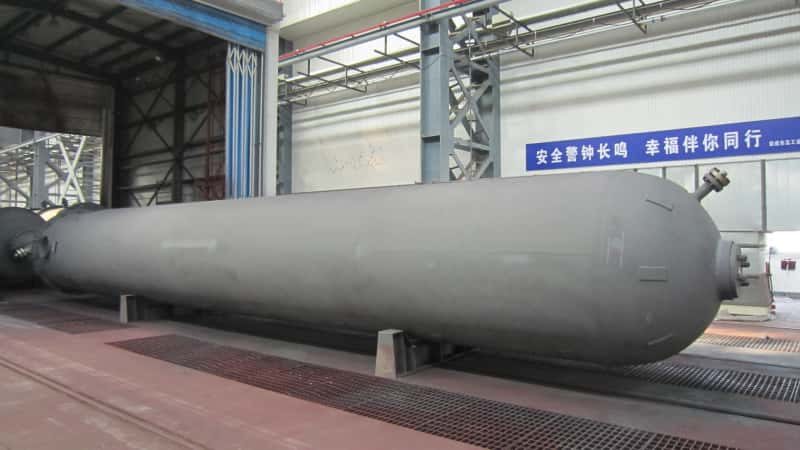
Horizontal and vertical flare knockout drums should be compared against the same process requirements. Available plot area, liquid capacity, gas separation duty, access and transport limitations all influence the choice.
A horizontal arrangement may be considered where substantial liquid collection volume is required. A vertical arrangement may suit certain space constraints and duties. Neither orientation is universally preferable, and vessel orientation alone does not establish separation performance.
Before approving the general arrangement, check the equipment elevation, connected piping layout, drainage destination and maintenance access. A vessel can satisfy its mechanical calculations yet still create avoidable installation work if its physical interfaces are not coordinated.
Materials and Construction Requirements
Material selection should reflect the expected fluids and temperature range. Wet contaminants, corrosive species, solids and liquid composition can affect the appropriate material and corrosion allowance. Where sour-service requirements apply, the purchaser should identify them explicitly and obtain a project-specific materials review.
Avoid treating carbon steel as automatically suitable or stainless steel as automatically necessary. The specification should state the selected material grades, corrosion basis, minimum design metal temperature and any additional examination or heat-treatment requirements.
For custom pressure vessels, the governing construction rules should be confirmed before material procurement. Where applicable, ASME BPVC Section VIII, Division 1 addresses vessel design, fabrication, inspection, testing and certification. Code selection and destination-country requirements must be resolved for the individual project; this reference does not establish a supplier’s certification.
Define the Complete Equipment Supply Scope
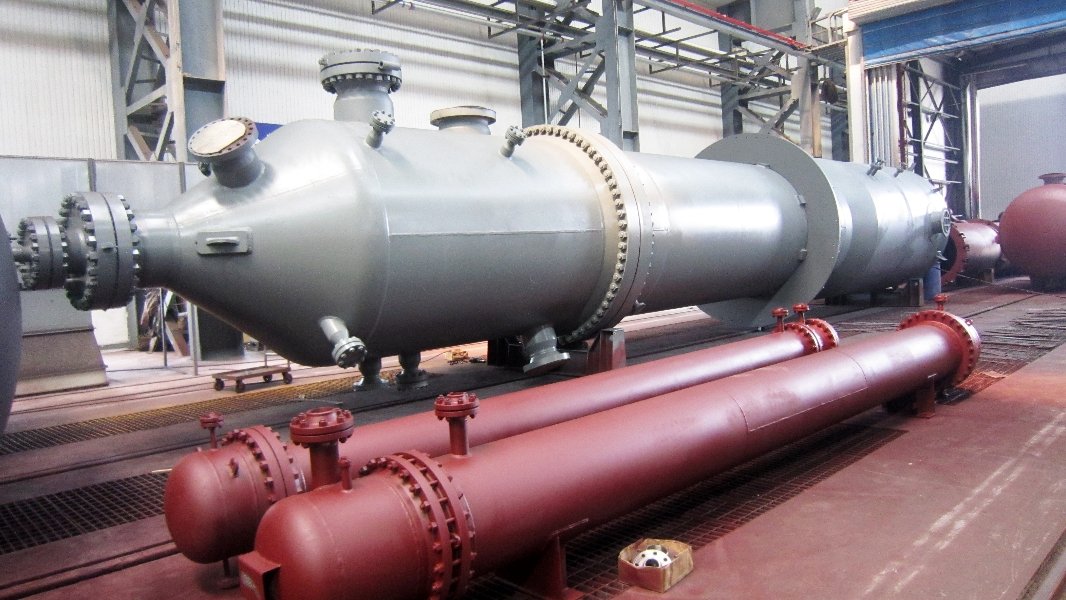
A quotation for a complete drum should make clear what is included in the vessel assembly and what belongs to the surrounding system. Procurement teams should distinguish the fabricated vessel scope from liquid removal equipment, instruments, connecting piping, electrical work and site installation.
Any equipment supplied with the drum should appear in an agreed scope list. Where another contractor supplies the associated systems, the interface information still needs to be available to the vessel manufacturer.
For example, liquid removal arrangements affect connection locations and operating assumptions. Instrumentation requirements affect the complete vessel configuration. These details should be coordinated as part of the equipment package, with clear responsibility for system design and verification.
The supplier should also state whether process sizing is included or whether fabrication will follow purchaser-approved dimensions. This distinction makes bids easier to compare and prevents an unassigned responsibility for separation performance.
Manufacturing, Inspection and Documentation
Buyers should evaluate how the manufacturer will control material identification, welding, dimensional accuracy and inspection records throughout production. These controls provide a documented basis for accepting the finished vessel.
The inspection and test plan should establish required reviews, witness or hold points, examination methods and acceptance criteria. The applicable extent of nondestructive examination, heat treatment and pressure testing should follow the approved specification and construction requirements.
A successful pressure test confirms a particular aspect of mechanical acceptance. It does not demonstrate separation efficiency or validate the flare system study. Process design verification and fabrication acceptance should therefore have distinct deliverables.
WSHI’s manufacturing capability includes engineering coordination, material procurement, welding fabrication, nondestructive examination, pressure testing, coating and heavy-equipment delivery activities. For each inquiry, the proposed scope and required project documentation should be confirmed before order placement.
Delivery and Installation Planning
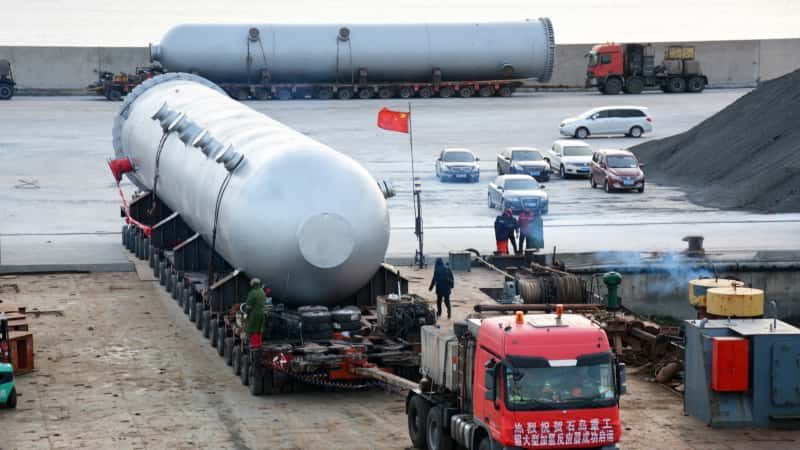
Delivery planning should start while the vessel arrangement is still being developed. Overall dimensions, shipping weight, lifting provisions and transport supports can affect both the manufacturing route and the site installation sequence.
Buyers should agree on preservation, protection of openings, coating condition at dispatch and any requirements for storage before installation. Shipping documentation should remain traceable to the supplied vessel and its manufacturing records.
The delivery boundary also needs a precise definition. Factory collection, port delivery and delivery to the project site involve different responsibilities. Unloading, erection, connection to the flare network and commissioning should be included only where expressly agreed.
Common Quotation Problems EPC Buyers Can Avoid
The most difficult bids to compare are those based on different assumptions. One supplier may include process sizing and another only mechanical fabrication. Inspection scope, documentation, coating and delivery terms may also differ substantially.
An effective inquiry gives all bidders the same equipment datasheet, design cases, material requirements and scope boundaries. It asks each supplier to identify deviations and unresolved information explicitly.
Before award, confirm that the proposed vessel dimensions match the approved process basis, that required records are included, and that the delivery schedule accounts for drawing review and inspection. A low initial price offers limited value if important engineering or acceptance work remains outside the order.
FAQ
Is a flare knockout drum the same as a process separator?
Both separate liquid from gas, but their service conditions and performance requirements can differ. A flare drum must be evaluated against its flare-system duties, including relevant relief and depressuring events. A process separator should not be substituted without engineering assessment.
Can a flare knockout drum be sized from gas flow alone?
No. Gas separation, liquid accumulation, initial liquid level and the approved liquid removal assumptions all affect the required design. Relevant properties and operating conditions must also be provided.
Does every flare knockout drum require the same design pressure?
No. The pressure basis depends on the connected flare network, applicable design cases and construction requirements. A standard pressure rating should not replace the project’s engineering assessment.
What should buyers send with a quotation request?
Provide the equipment datasheet, relevant relief cases, gas and liquid properties, separation criteria, design conditions, materials basis, inspection requirements, scope boundaries and delivery location. Clearly identify preliminary values.
Can WSHI supply only flare knockout drum internals?
WSHI focuses on complete project-based pressure vessels and process equipment. If internals, nozzles, drains or instruments are required, they should be reviewed as part of the complete vessel scope rather than as standalone small-item procurement.
Discuss Your Flare Knockout Drum Requirements
A well-defined flare knockout drum inquiry connects the process design basis with a complete, inspectable and deliverable vessel scope. Agreement on liquid capacity, operating limits and supplier responsibilities helps procurement teams compare proposals on consistent terms.
For refinery, petrochemical or gas processing projects, contact our engineering team with your approved datasheet, equipment drawings, inspection requirements and delivery information. WSHI can review the proposed complete-vessel scope and discuss manufacturing feasibility and project delivery requirements.