
One Large Heat Exchanger or Multiple Units in Parallel: Which Should EPC Buyers Choose?
Choosing one large heat exchanger or multiple units in parallel affects more than the equipment purchase price. The arrangement influences flow distribution, low-load operation, maintenance access, transport and the production capacity available during an outage.
For EPC buyers, the starting point is the required operating duty, including what the plant must achieve when equipment is unavailable. Parallel heat exchangers can provide useful flexibility, but multiple installed units do not automatically provide standby capacity or uninterrupted production.
Two parallel heat exchangers automatically provide full standby redundancy.False
Redundancy depends on the required outage duty and whether the remaining exchangers, utilities and connected systems can meet that operating case.
Identical parallel exchangers will always receive equal flow.False
Branch resistance, elevation, fouling and control conditions can cause unequal distribution on either fluid side, so the installed hydraulic system requires evaluation.
What Does Parallel Operation Mean?
In a parallel arrangement, a process stream divides between two or more exchangers and typically recombines downstream. The heating or cooling utility may also divide between units, although its arrangement must be specified separately.
This differs from connecting exchangers in series, where a stream passes through one unit and then another. It also differs from “parallel flow” inside an exchanger, which describes the relative direction of the hot and cold streams.
An equipment inquiry should therefore include an arrangement drawing and identify how both fluid sides are connected. The phrase “two exchangers in parallel” can leave important hydraulic and operating assumptions unresolved.
Compare the Options Against the Same Duty
| Procurement factor | One large exchanger | Multiple parallel exchangers |
|---|---|---|
| Equipment quantity | One complete unit for the specified duty | Several complete units sharing or duplicating duty |
| Flow distribution | No division between parallel exchanger branches | Branch distribution requires hydraulic evaluation |
| Maintenance | Taking the unit offline removes its entire contribution | Remaining capacity depends on the approved operating case |
| Transport | A larger individual shipping envelope | Smaller individual units may ease handling |
| Installation | Fewer equipment items and associated interfaces | More foundations, connections and coordination |
| Expansion | May require replacement or additional equipment | May support staged capacity if planned in advance |
| Installed cost | Must include heavy transport and maintenance provisions | Must include additional piping, controls and site work |
Neither arrangement is inherently preferable. The comparison should use the same process conditions, materials, inspection requirements and production objectives.
Define Normal, Minimum and Outage Requirements
Establish the Full Operating Envelope
Provide normal, maximum and minimum flow rates, inlet conditions and required outlet conditions. Include the relevant utility temperatures and allowable pressure drops.
A heat-duty figure alone is insufficient. Two arrangements may achieve the same duty at one design point but behave differently when flow or utility conditions change.
For industrial heat exchangers, bidders should identify the cases they have evaluated and the assumptions supporting their proposed equipment quantity.
State What Happens When One Unit Is Unavailable
The project team should decide whether production may stop, continue at reduced capacity or remain at full capacity during maintenance. That decision should precede the selection of unit quantity.
For illustration, two units each rated for half the design duty describe a shared-duty arrangement. Taking one offline does not establish that the remaining unit can meet the complete plant requirement.
Likewise, an “N+1” description requires a defined duty and verified operating case. The remaining exchangers, available utilities and connected system must support the required performance.
Evaluate Flow Distribution Before Claiming Equal Loading
Identical exchanger dimensions do not guarantee equal flow. Branch piping resistance, elevation, operating condition and fouling can influence distribution.
The EPC piping and process teams should coordinate the hydraulic assessment with the exchanger supplier. Define the intended flow through each unit and the conditions under which that distribution must be maintained.
This review should include both fluid sides. Uneven process flow combined with uneven cooling-water flow can affect individual outlet conditions and the temperature of the recombined stream.
An acceptable mixed outlet temperature may also conceal differences between branches. The project should establish what needs to be measured or controlled to verify operation.
Check Low-Load Operation and Unit Staging
Multiple units may allow the plant to operate fewer exchangers during reduced production. Whether this is useful depends on the thermal and hydraulic behavior of the selected equipment.
Sending the same reduced total flow through every installed unit may produce different velocities and heat-transfer conditions from operating a smaller number of units. The design should evaluate the intended operating modes.
Unit changeover also requires coordination. The process team should define the acceptable transition between modes and the conditions for returning equipment to service.
Parallel installation alone does not demonstrate a wider operating range. Suppliers should provide a basis for the proposed normal and reduced-load cases rather than relying on the nominal sum of installed capacities.
Distinguish Maintainability from Redundancy
Confirm That a Unit Can Be Safely Taken Out of Service
Physical access is only part of maintainability. The installed system must support the approved isolation, drainage, cleaning and preparation procedures.
If an exchanger cannot be taken out of service while neighboring equipment remains operational, the expected maintenance advantage may not be available.
For hazardous fluids, the operating and maintenance team should establish the applicable requirements. Procurement should reflect those requirements in the complete equipment and installation scope.
Review Shared Dependencies
Parallel exchangers may depend on the same utility supply, electrical system or other common infrastructure. A shared failure can affect all units.
The availability review should therefore consider the complete system. Additional exchanger capacity does not compensate for every possible loss of cooling or heating supply.
Any claim of uninterrupted production should be supported by a defined operating and reliability basis, rather than equipment count alone.
Provide Maintenance Space
For removable-bundle shell and tube heat exchangers, the layout should allow the required withdrawal, lifting and handling operations.
Several smaller units may offer practical handling benefits, but they can also require more maintenance positions and access routes. Compare the proposed layouts using the actual equipment construction.
Compare Total Installed and Operating Costs
The equipment purchase price is only one part of the decision. Include foundations, piping, utility distribution, insulation, lifting provisions, inspection, transport and installation.
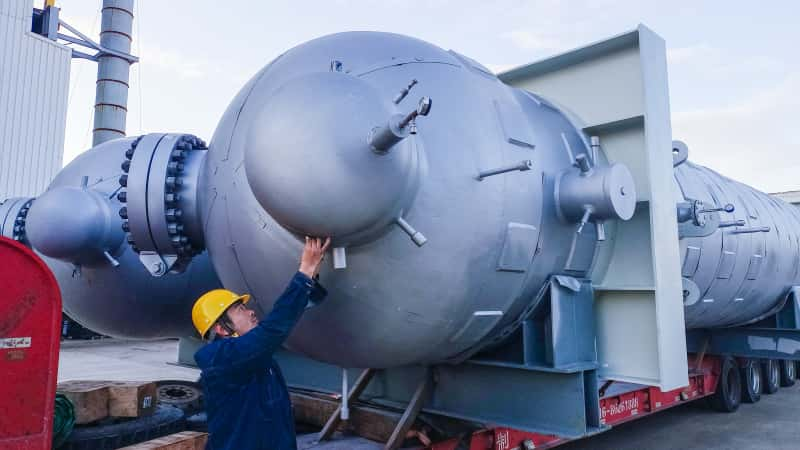
One large unit may reduce the number of equipment interfaces while creating more demanding transport or lifting requirements. Multiple units may ease individual handling but increase site work and coordination.
Operating costs should reflect the evaluated pressure drops, pumping requirements, utility consumption and cleaning schedule. Do not assume that splitting a duty automatically reduces energy use.
The economic comparison should also state how production interruption is valued. A plant that can tolerate a planned shutdown may reach a different decision from one that requires substantial capacity during maintenance.
Plan Expansion Without Assuming It Will Be Simple
A parallel arrangement may support phased construction, but future capacity should be considered in the original design.
Space reservation alone is insufficient. The future duty may require additional utility supply, changes to distribution piping or revised operating controls.
Similarly, an initial exchanger selected with spare area should not be described as suitable for any future expansion. A different flow rate or composition can change thermal and hydraulic requirements.
Where growth is expected, ask suppliers to evaluate defined future cases. Keep preliminary expansion assumptions visible in the equipment and commercial documentation.
Align Construction Standards and Inspection Scope
All proposals should use a consistent mechanical specification. Materials, design pressure and temperature, corrosion allowances, examination requirements and testing should be comparable.
Where specified, TEMA Standards provide a basis for tubular heat exchanger construction. The applicable edition, class and purchaser additions should be identified in the inquiry.
The governing pressure-equipment code must also be established. Where applicable, ASME BPVC Section VIII, Division 1 addresses pressure-vessel construction requirements. These references do not establish a manufacturer’s certification or membership.
For multiple units, define whether common drawings or procedures may be used and which inspection records must remain traceable to each exchanger. Similar construction does not remove the need for individual equipment identification.
Review Manufacturing and Delivery Feasibility
Early manufacturer input can help compare fabrication dimensions, material availability, inspection sequencing and delivery configurations.
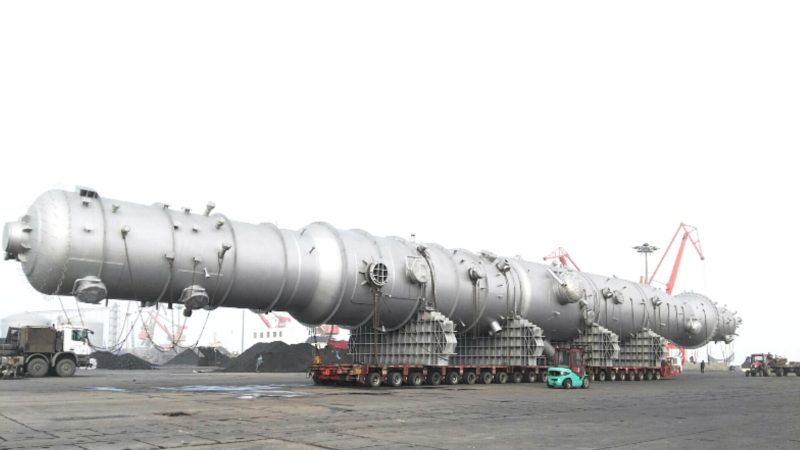
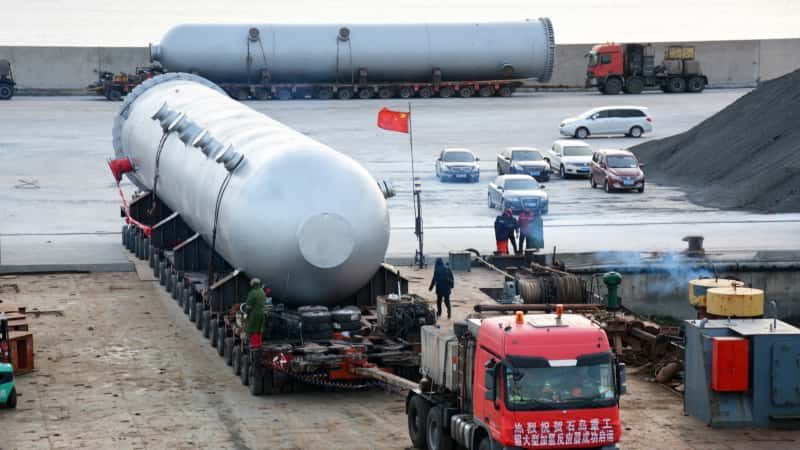
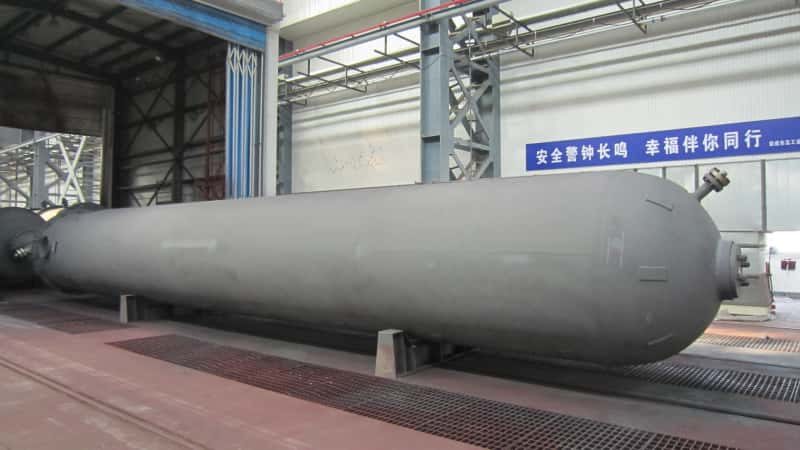
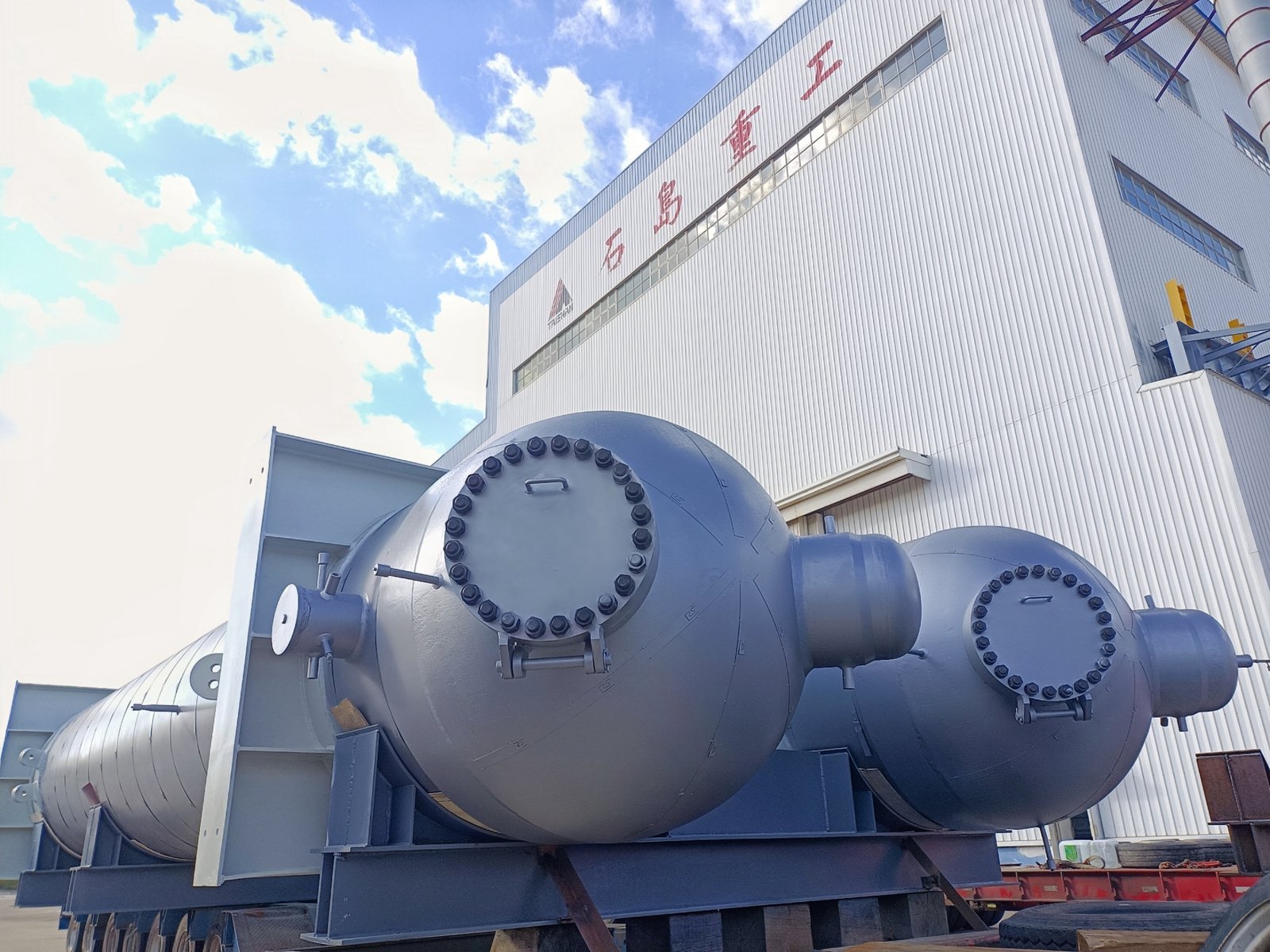
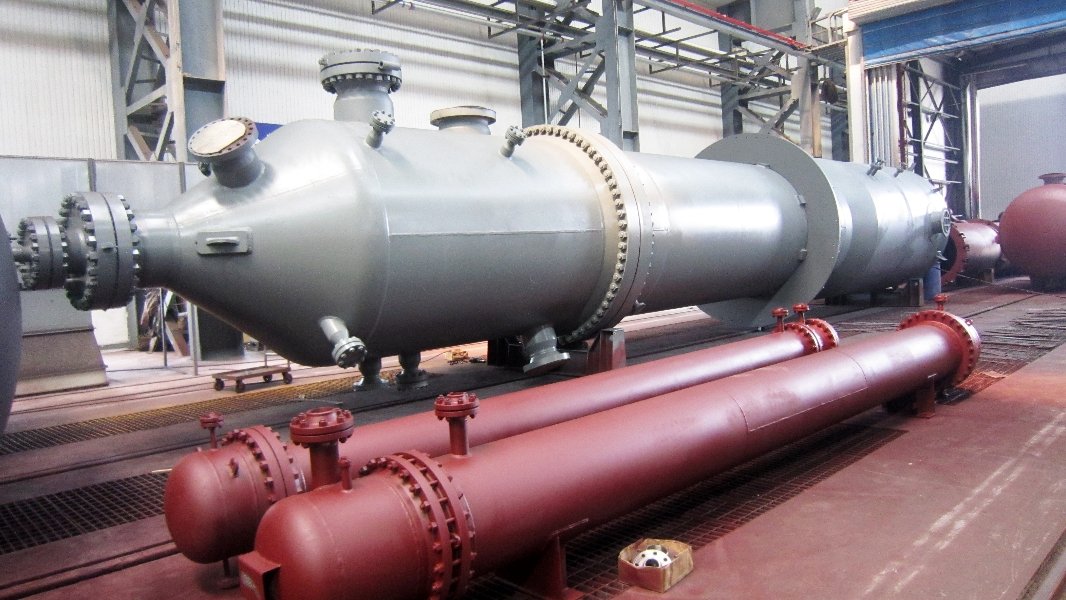
WSHI’s manufacturing capability includes engineering coordination, material procurement, welding fabrication, nondestructive examination, pressure testing, coating and heavy-equipment delivery activities. The proposed single-unit or multiple-unit scope should be assessed against the actual equipment requirements.
A schedule comparison should identify its starting point. Delivery measured from order placement differs from delivery measured from approved drawings or release of critical materials.
For multiple units, confirm whether deliveries will be simultaneous or staged. Site readiness, storage and preservation requirements should match that plan.
What Should EPC Buyers Request in a Comparative Quotation?
Provide one process basis and ask suppliers to state the implications of each arrangement. The comparison should include equipment dimensions, expected operating cases, thermal responsibilities, hydraulic limits and maintenance provisions.
Require a clear scope list covering engineering, fabrication, inspection, preservation and delivery. Identify which system-level activities remain with the EPC contractor.
Before award, reconcile technical deviations and unresolved assumptions. A lower quotation based on reduced outage capacity or a narrower inspection scope is not equivalent to a proposal meeting the full requirement.
Buyers can consult the pressure vessel product catalog for general manufacturing context, while using project-specific datasheets as the basis for procurement.
FAQ
Do two parallel exchangers provide automatic redundancy?
No. Redundancy depends on the capacity required with one unit unavailable and whether the remaining equipment and utilities can meet it.
Can identical exchangers receive different flow rates?
Yes. The installed hydraulic conditions can produce unequal distribution. The connected branches should be evaluated as a system.
Is one large exchanger always less expensive?
No. Equipment price, transport, lifting, installation and maintenance requirements all affect the total cost. The result is project-specific.
Can an existing exchanger be duplicated to increase capacity?
Possibly, but the process and utility networks need review. Adding a second unit changes the system arrangement and does not automatically double usable capacity.
Discuss Your Heat Exchanger Arrangement
The choice between one large exchanger and parallel heat exchangers should follow the plant’s operating range, maintenance expectations and delivery constraints. A clear basis allows EPC buyers to compare complete equipment proposals consistently.
For a chemical, petrochemical or energy project, contact our engineering team with your process datasheets, required outage capacity, maintenance constraints and delivery location. WSHI can review the proposed exchanger quantities and discuss manufacturing feasibility, inspection and project delivery.