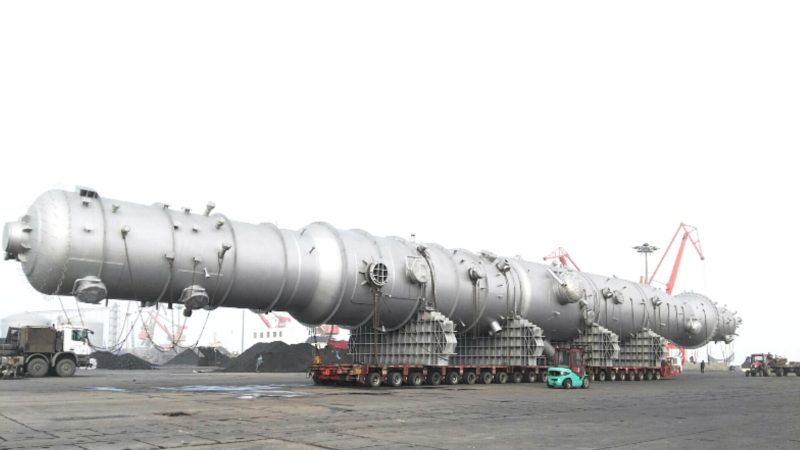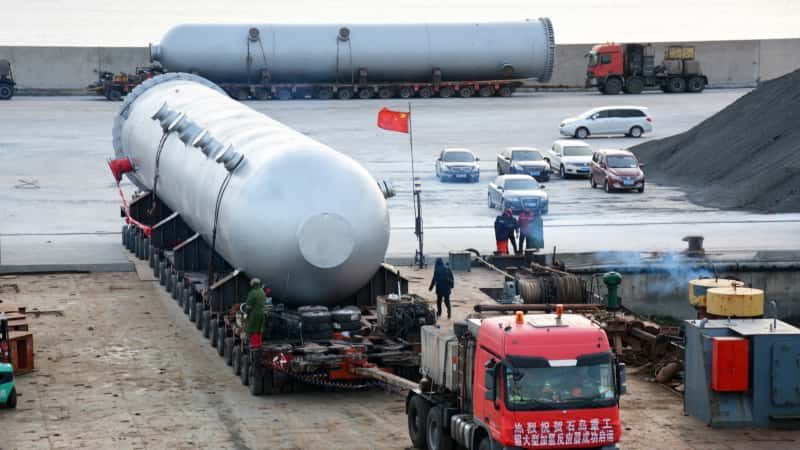

Refinery equipment procurement often begins before every process condition, equipment dimension, and site interface has been finalized. EPC teams need supplier input, budget estimates, and delivery schedules while engineering is still developing. The difficulty is deciding which purchasing activities can proceed and which commitments should wait.
For large pressure vessels, process columns, and heat exchangers, the answer is not simply “order early” or “wait for complete drawings.” Buyers need a documented distinction between preliminary inquiry, purchase-order placement, material authorization, and fabrication release. Each stage requires sufficient information for the specific commitment being made.
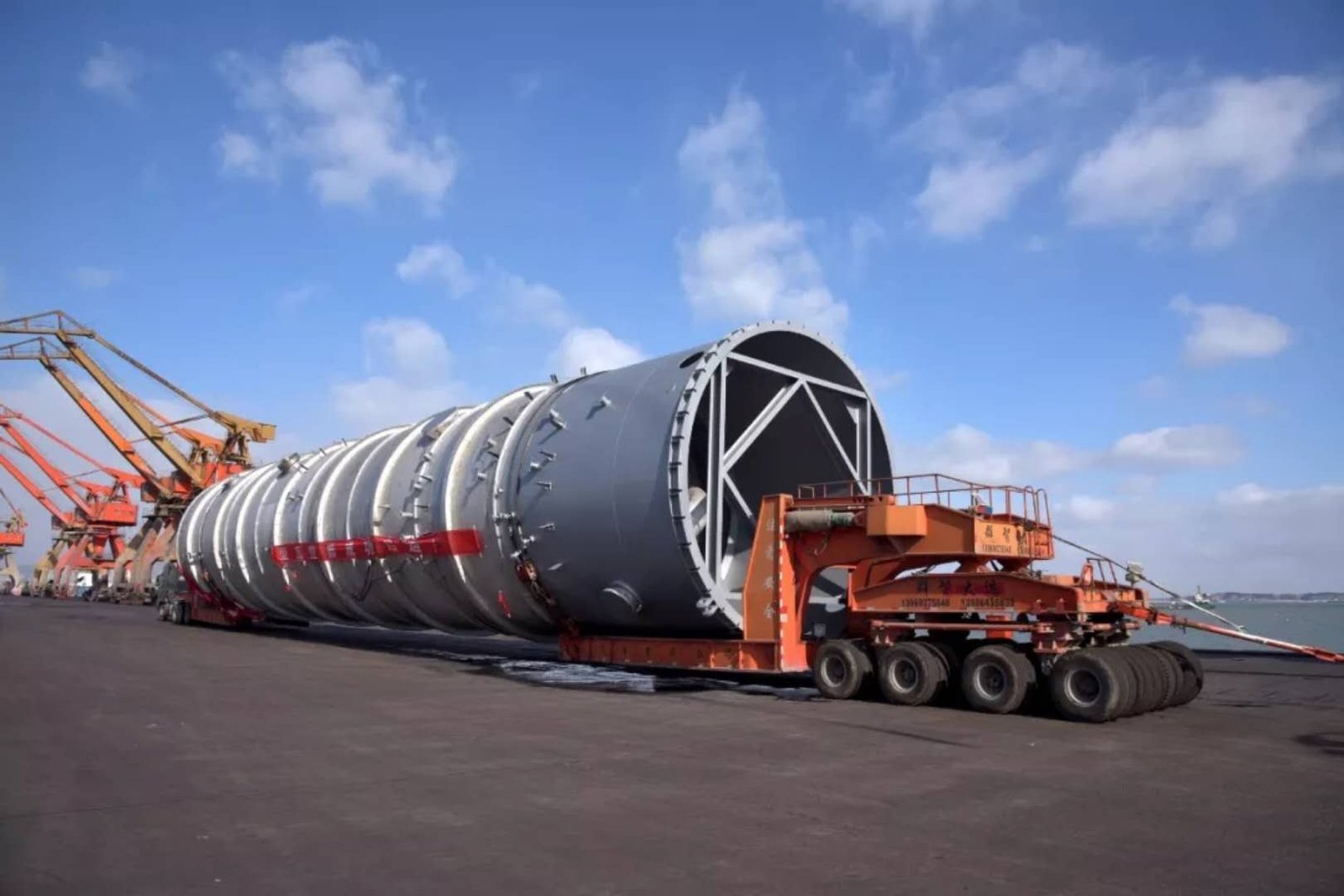
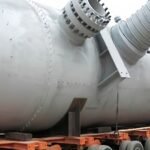
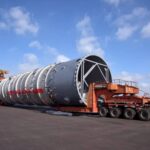
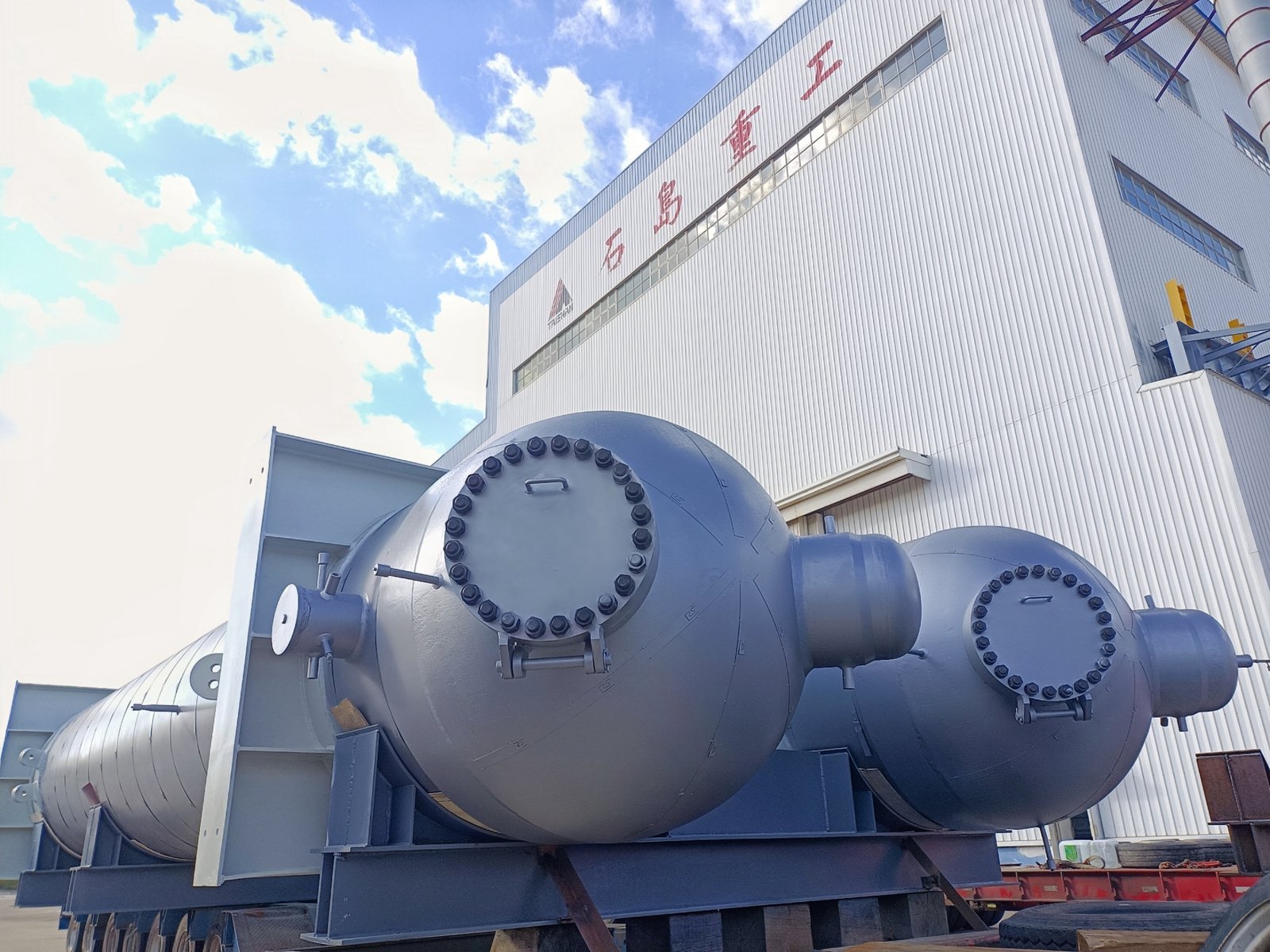
Representative process-tower photograph. This image is not associated with the refinery project discussed below.
Why This Procurement Question Matters Now
A September 17, 2026 PTI report published by Outlook Business described progress on BPCL’s proposed refinery-petrochemical development near Ramayapatnam Port in India. At the time of that report, environmental clearance and completion of the investment estimate remained upcoming milestones. The report does not establish that equipment orders had been placed.
The practical procurement lesson is broader than this individual development: project preparation can advance while important decisions remain open. Equipment inquiries should therefore communicate engineering maturity clearly. This article does not imply that WSHI is involved in the BPCL project or has access to its procurement plans.
What Does Design Freeze Mean for Equipment Procurement?
Design freeze is a project-controlled baseline against which subsequent changes are managed. It does not necessarily mean that every document across the entire plant becomes final on the same day. Process requirements, equipment arrangements, civil interfaces, and fabrication details may reach approval at different times.
For procurement purposes, the important question is: what information must be approved before a particular activity can proceed? Preparing a budget estimate is different from ordering project-specific material, and both are different from cutting plate or forming a vessel head.
The buyer, engineering authority, and manufacturer should agree on the approval status required at each stage. Document labels must be defined within the project; a drawing marked “reviewed” should not automatically be interpreted as permission to manufacture.
What Can Buyers Request Before Design Freeze?
Budget Pricing and Manufacturing Input
Preliminary inquiries can help establish likely manufacturing scope, potential transport constraints, documentation requirements, and indicative delivery schedules. Suppliers can also identify missing information or fabrication issues that deserve attention before detailed engineering progresses.
For custom pressure vessels, an early inquiry should provide available process conditions, service description, preliminary materials, approximate dimensions, applicable project requirements, and expected delivery destination. Unknowns should be listed explicitly. A qualified estimate is more useful than a seemingly precise price built on undisclosed assumptions.
Comparable Supplier Proposals
Issue the same revision of the inquiry package to competing suppliers. Ask each bidder to identify inclusions, exclusions, assumptions, deviations, and the conditions behind its delivery estimate. Otherwise, one quotation may cover vessel fabrication only while another includes additional engineering, inspection, coating, or transport.
Keep budget quotations separate from offers intended for contract award. Price validity, engineering allowances, cancellation exposure, and the effect of revised specifications should be visible. A preliminary quote should not silently become a fixed manufacturing commitment after the underlying duty has changed.
What Must Be Defined Before Material Commitment?
Purchasing material can create significant exposure even when fabrication has not started. Changes in material grade, thickness, dimensions, examination requirements, or certification can make an early purchase unsuitable for the final design.
Before authorizing material procurement, the responsible engineering parties should confirm that the information supporting that purchase is sufficiently mature. Depending on the item, this may include design conditions, material specifications, corrosion assessment, dimensional basis, required testing, and traceability requirements. The necessary approvals must be established for the project rather than assumed from a generic checklist.
Where early purchasing is justified, identify the exact material and authorized quantity, the approved technical basis, outstanding dependencies, and responsibility if the design changes. Selective early release should be a documented decision, not an informal response to schedule pressure.
Which Equipment Conditions Need Particular Attention?
Pressure Vessels and Process Columns
For vessels and process towers and columns, unresolved service conditions can affect material selection, mechanical design, dimensions, and support loads. Operating pressure alone is not a sufficient design basis. Relevant temperature combinations, vacuum exposure, process transients, and other required load cases need engineering review.
General-arrangement information also matters. Vessel orientation, overall height, connection locations, support interfaces, access requirements, and transport limitations should be coordinated before affected fabrication activities are released. These are aspects of complete equipment procurement, not independent small-component purchasing.
HSE’s plant design guidance discusses the importance of appropriate design standards and consideration of relevant process and mechanical hazards. It provides technical background, but the applicable requirements must be determined for the project’s location, service, and contractual basis.
Heat Exchangers
For shell-and-tube heat exchangers, thermal and mechanical inputs are closely connected. Flow rates, fluid properties, inlet and outlet conditions, allowable pressure drops, fouling assumptions, and utility availability can affect the selected arrangement and overall dimensions.
An exchanger quotation based on provisional heat duty should identify that limitation. If subsequent process changes alter the thermal design, the effect may extend beyond price to equipment size, weight, layout, and delivery. Buyers should ask which inputs must be confirmed before thermal design approval and which before material or fabrication release.
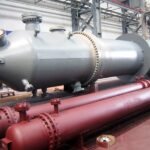
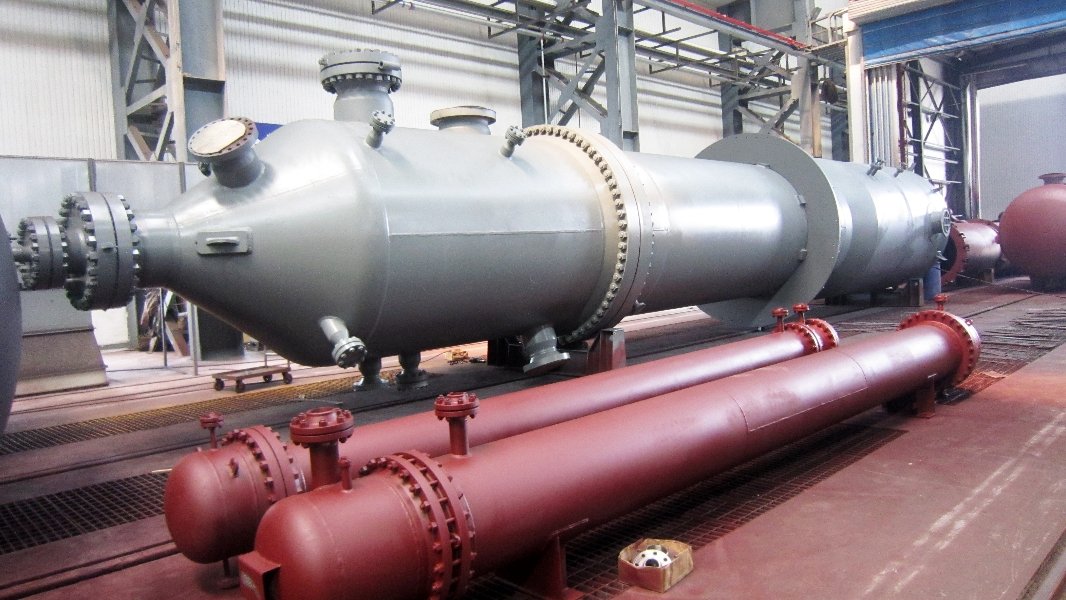
Representative heat exchanger photograph. Final thermal and mechanical requirements depend on the approved process duty.
Separate Purchase-Order Placement From Fabrication Release
A purchase order can establish commercial obligations without authorizing every manufacturing activity immediately. Where this approach is used, the contract should clearly identify permitted work, hold points, required submissions, and the authority responsible for releasing each stage.
For example, engineering-document preparation may be authorized while material procurement remains on hold. Later, a defined material purchase may be approved while fabrication awaits confirmation of dependent drawings. These arrangements are project-specific; they should not be interpreted as a recommendation to proceed with incomplete or unsafe design information.
The manufacturer also needs a reliable document-control process. Approved revisions, superseded documents, outstanding comments, and release notices should be traceable. An email discussing a possible design change is not a substitute for an approved revision and its associated manufacturing instructions.
Compare Delivery Schedules on the Same Basis
A quoted manufacturing duration is meaningful only when its starting conditions are understood. Ask whether the schedule begins at order receipt, receipt of complete technical information, drawing approval, payment milestones, or material release. Suppliers using different starting points may appear to offer similar delivery dates while proposing very different obligations.
Request a schedule that distinguishes engineering, buyer review, material procurement, fabrication, inspection, coating, packing, and transport preparation. Identify the activities dependent on buyer decisions. If important inputs remain open, the delivery proposal should explain the consequences of late approval rather than assume immediate responses.
Shipping scope must also be explicit. Ex-works completion, port delivery, arrival at the destination, and installed equipment are different milestones. For large fabricated items, transport dimensions and route constraints should be reviewed early enough to inform the equipment arrangement.
Manufacturing Quality Should Not Become a Late Addition
Inspection requirements can affect purchasing, fabrication sequencing, and access for examination. Agree on the required quality documentation, material records, welding qualifications, examination scope, testing, dimensional checks, and witness or hold points before the relevant work begins.
WSHI’s manufacturing capabilities include drawing coordination, material procurement, welding, nondestructive examination, pressure testing, coating, and heavy-equipment delivery. The quotation should identify which services apply to the ordered equipment and distinguish these responsibilities from process design, plant integration, installation, and commissioning.
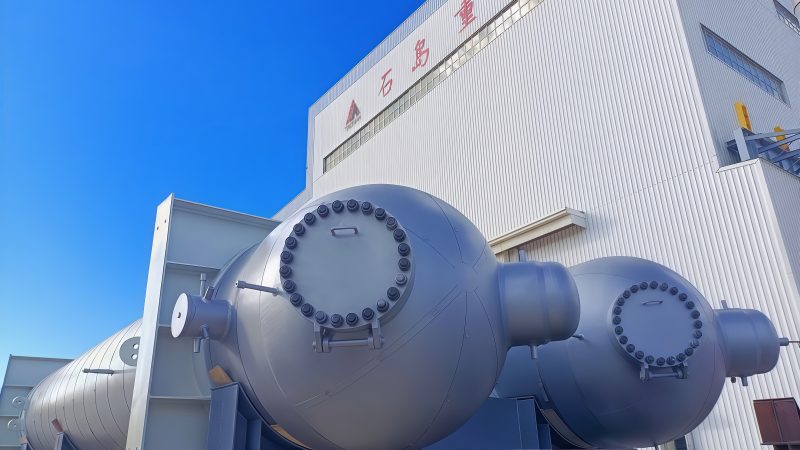
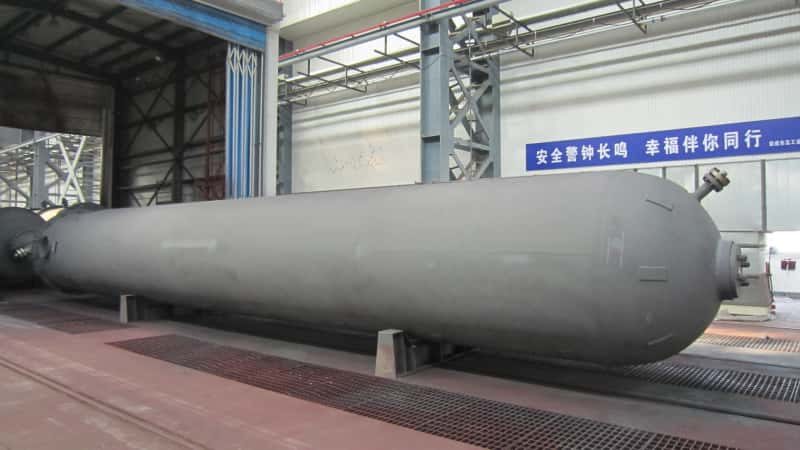
Representative workshop photograph illustrating the manufacturing stage of project equipment supply.
Buyers evaluating petrochemical pressure vessels should also confirm how final records will be delivered. Required documentation should be part of the purchase specification, not an undefined request at dispatch. Shop acceptance demonstrates compliance with agreed manufacturing requirements; it does not automatically establish overall plant performance.
Manage Changes With a Visible Impact Record
Design changes may still occur after an order is placed. Establish a process that records the revised requirement, affected documents, engineering review, cost implications, schedule impact, and authorization. The review should also identify whether previously purchased material or completed work remains suitable.
Do not treat all changes as equivalent. An editorial drawing correction differs from a revised design temperature or material specification. The responsible engineering team should assess the technical significance, while procurement and project management address commercial consequences. Work affected by an unresolved change should follow the agreed hold and release procedure.
FAQ
Can EPC buyers request quotations before design freeze?
Yes. Preliminary quotations can support budgeting and engineering decisions when assumptions and exclusions are clear. They should not be presented as unconditional manufacturing offers if important design inputs remain unresolved.
Does placing a purchase order authorize fabrication?
Not necessarily. Authorization depends on the contract and agreed release procedures. Buyers should explicitly distinguish engineering work, material purchasing, and fabrication approval.
Which information should be confirmed first?
Start with the inputs that determine equipment suitability and the next proposed commitment. Service conditions, materials, applicable requirements, and major dimensions are often significant, but the responsible engineering team must identify project-specific dependencies.
Can early ordering guarantee an earlier delivery?
No. Early ordering may support planning, but unresolved inputs, design changes, material availability, and approval delays can still affect delivery. Compare schedules using clearly stated assumptions and approval milestones.
Discuss Your Preliminary Equipment Requirements
Effective refinery equipment procurement before design freeze depends on controlled commitments, not simply earlier purchase orders. For projects requiring complete pressure vessels, process columns, or heat exchangers, discuss your project requirements with our engineering team. Provide available datasheets, drawings, service conditions, inspection requirements, and delivery constraints, and identify which items are preliminary so the manufacturing scope and quotation assumptions can be reviewed clearly.