
Choosing between batch and continuous wastewater evaporation starts with understanding how wastewater reaches the treatment system, how its composition changes, and how much operating time is available. A plant that discharges wastewater in batches does not necessarily need a batch evaporator. With suitable storage and feed management, intermittent wastewater generation may support continuous evaporation.
For EPC buyers and chemical manufacturers, the objective is to select a complete equipment arrangement that matches production, concentration targets, cleaning requirements, and downstream handling. Daily wastewater volume alone cannot establish which operating mode is appropriate.
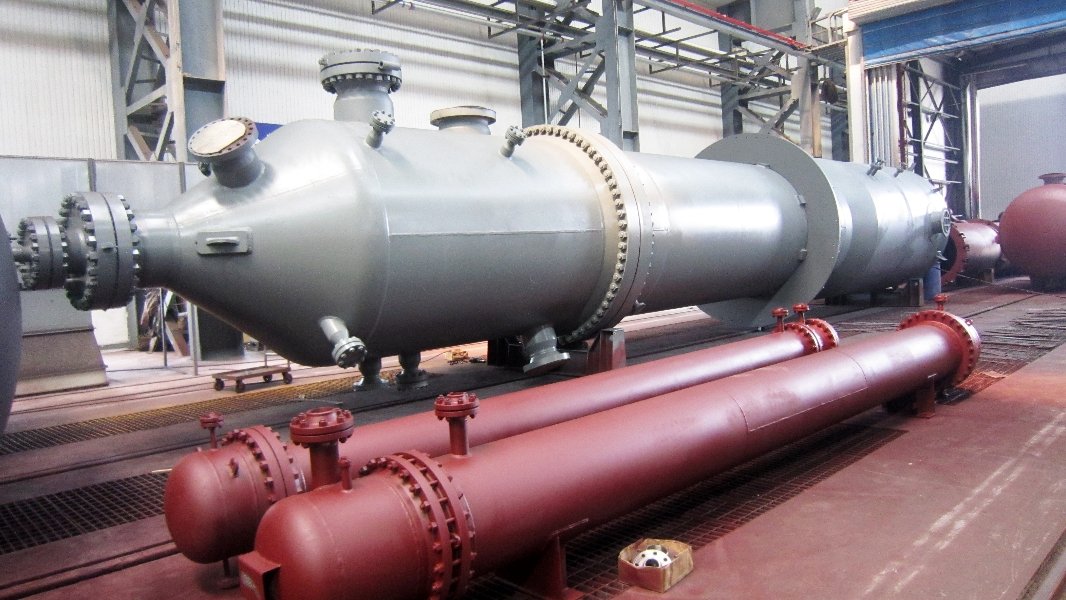
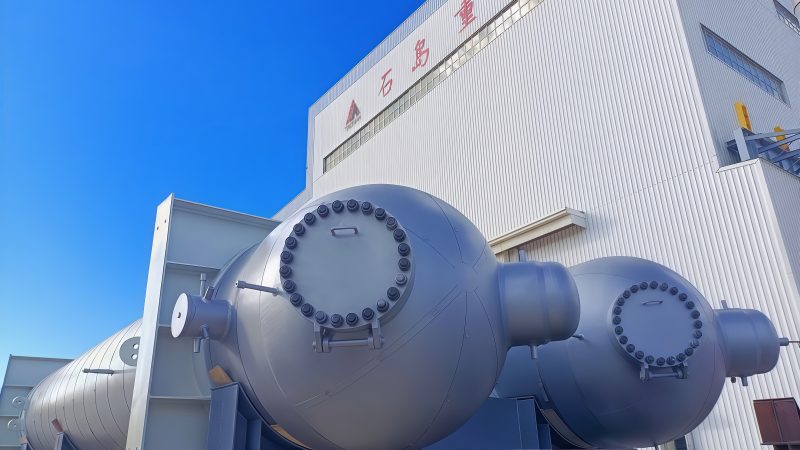
Representative manufacturing photograph. This is not a photograph of a verified batch or continuous wastewater evaporation installation.
What Is the Difference Between Batch and Continuous Evaporation?
Batch Evaporation
In a basic batch arrangement, a defined quantity of wastewater is charged, concentrated to an agreed endpoint, and discharged. Filling, heating, evaporation, concentrate removal, and any required cleaning form part of the operating cycle. Some equipment uses fed-batch operation, adding feed during concentration; buyers should ask suppliers to describe the actual sequence rather than rely on the word “batch.”
Liquid composition and physical properties can change substantially during the cycle. Consequently, evaporation rate and heat-transfer performance should not be assumed constant from the first minute to the final discharge. The proposed capacity must reflect the whole cycle.
Continuous Evaporation
In continuous operation, wastewater feed and concentrate withdrawal are managed while evaporation proceeds. This arrangement is generally evaluated around sustained operating conditions, with controls maintaining the intended liquid inventory and concentration. Startup, shutdown, cleaning, and feed interruptions still need separate consideration.
Continuous operation does not mean uninterrupted operation throughout the year. Nor does it identify the energy-recovery method: batch versus continuous operation is a different choice from single-effect, multiple-effect, or mechanical vapor recompression arrangements.
Match the Equipment to the Wastewater Schedule
When Batch Operation Deserves Consideration
Batch evaporation may be worth evaluating when wastewater arrives as identifiable campaigns, when streams need to remain segregated, or when separate concentration endpoints are required. It can also suit operating schedules that provide defined treatment periods between production activities.
However, variable composition is not automatically an argument for batch equipment. Each feed must still fall within the approved design envelope, and frequent changes may require additional testing, cleaning, or operating procedures. Batch operation also does not automatically mean small equipment or low project capacity.
When Continuous Operation Deserves Consideration
Continuous evaporation may be appropriate when sufficient feed is available for sustained operation and its properties can be maintained within the specified range. This can include wastewater generated intermittently but collected and supplied through a suitable buffer arrangement.
Evaluate the longest expected feed interruption, the variation in daily production, and the required minimum operating load. If the unit regularly waits for feed or operates outside its intended range, the purchasing assumptions need revision. Continuous operation should be selected because it fits the site, not because it sounds more advanced.
Can Buffer Storage Connect Batch Production With Continuous Treatment?
Yes, where technically appropriate. Storage can separate the timing of wastewater generation from the timing of treatment. EPA’s historical Centralized Waste Treatment development document describes equalization as a means of moderating variations in wastewater volume and strength before downstream treatment.
The storage requirement should be calculated from cumulative inflow and treatment withdrawal over a representative operating schedule. Include credible interruptions and usable working-volume limits. A rule such as “one day of storage” may be inadequate or unnecessarily large, depending on the actual pattern.
For project-scale industrial storage tanks above 1,000 liters, specify composition, temperature, settling behavior, venting requirements, and any need for mixing or stream segregation. Equalization is not permission to combine incompatible wastes. Mixing different streams requires a process and safety assessment.
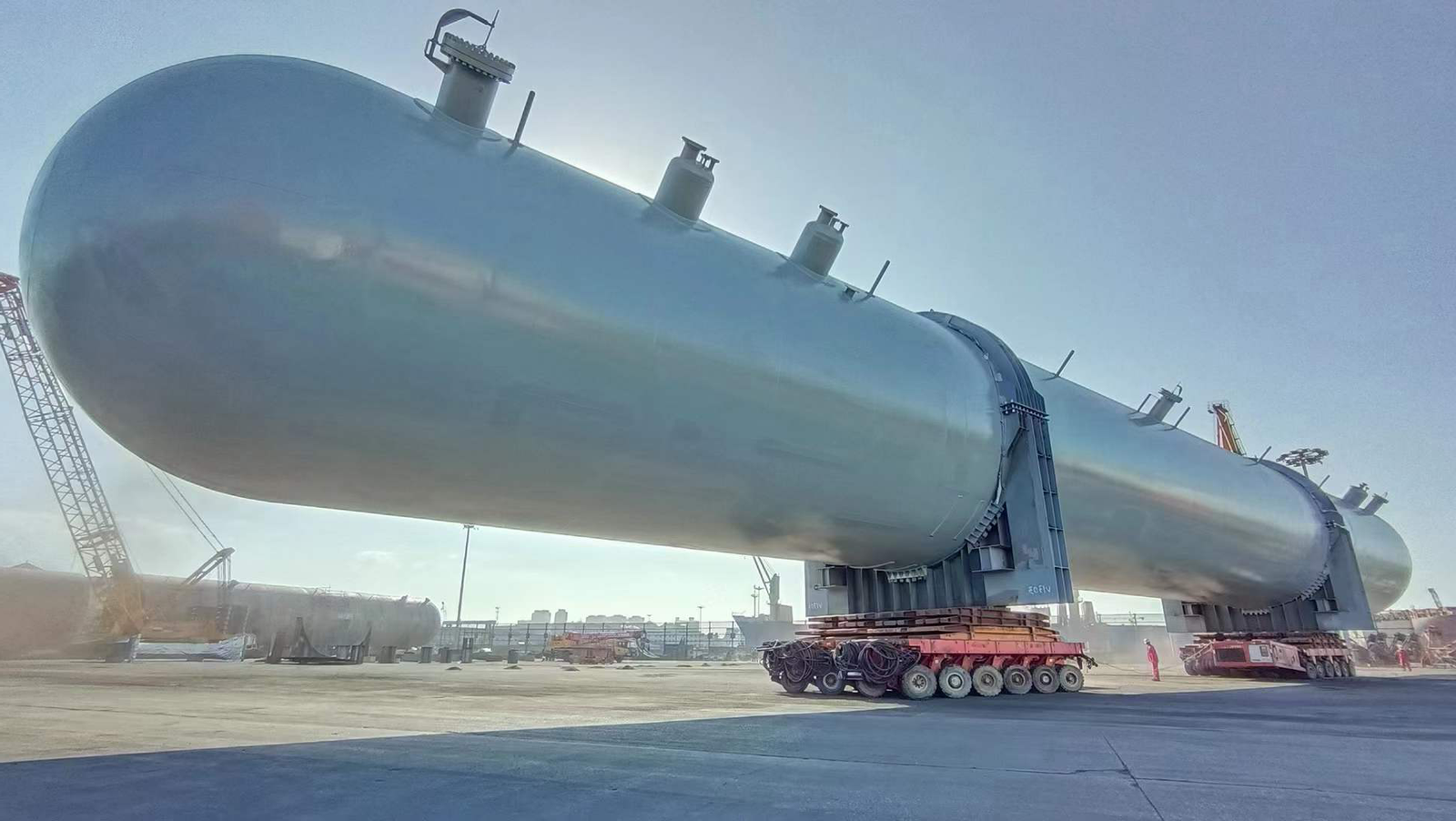
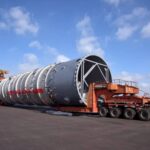
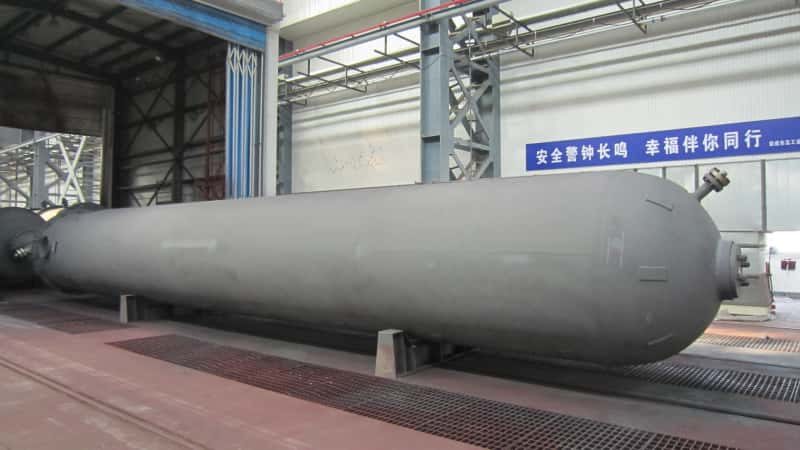
Representative storage vessel photograph. Capacity, materials, and suitability for wastewater equalization require project-specific confirmation.
Compare Feed Capacity With Water Evaporation Capacity
A quotation stating only “tonnes per day” is incomplete unless it identifies what is being measured. Incoming wastewater capacity, water evaporation rate, condensate production, and concentrate discharge are different quantities.
As an illustrative mass balance, suppose a project receives 24 tonnes of wastewater per day and removes 18 tonnes per day as vapor, leaving 6 tonnes of concentrate. With 20 effective evaporation hours, the average required evaporation rate would be 0.9 tonnes per hour. These figures are an example only, assuming no additional material streams or other losses; they are not an equipment recommendation.
For batch equipment, the active evaporation period may occupy only part of the full cycle. For continuous equipment, planned cleaning and other interruptions reduce effective operating hours. Request a capacity calculation that accounts for these losses and identifies whether the quoted rate represents initial, average, or guaranteed performance under specified conditions.
Review Feed Properties and Concentration Limits
Provide representative analyses and the expected ranges of dissolved salts, suspended solids, organic constituents, oils, volatile substances, and treatment additives. Explain whether different streams will be blended or treated separately. State the concentrate destination and the required endpoint, rather than requesting the highest possible concentration.
NPTEL’s guidance on evaporator solution properties identifies concentration-related changes, foaming, and temperature sensitivity as relevant design considerations. The liquid near the concentration endpoint may therefore impose different requirements from the incoming wastewater.
Ask whether available data support the proposed duty or whether representative trials are needed. Neither batch nor continuous operation eliminates the need to assess fouling, foaming, corrosion, or thermal degradation. Stream properties and the selected evaporator configuration remain central to equipment suitability.
Do Not Assume Continuous Operation Always Uses Less Energy
Energy demand depends on the heat-recovery arrangement, feed temperature, concentration target, utilities, and actual operating pattern. Frequent heating and cooling cycles can affect consumption, but a continuously operated unit with unsuitable loading or poor heat recovery is not automatically more economical.
Compare proposals on the same basis: energy per unit of water evaporated at defined conditions, together with startup requirements, auxiliary electricity, cooling demand, and cleaning-related consumption. NPTEL’s discussion of multiple-effect evaporation illustrates how vapor reuse influences steam economy independently of the batch-versus-continuous decision.
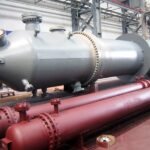
The associated shell-and-tube heat exchangers should be specified for the actual heating and condensation duties. Confirm available utility conditions and whether simultaneous operation with other plant equipment affects their availability.
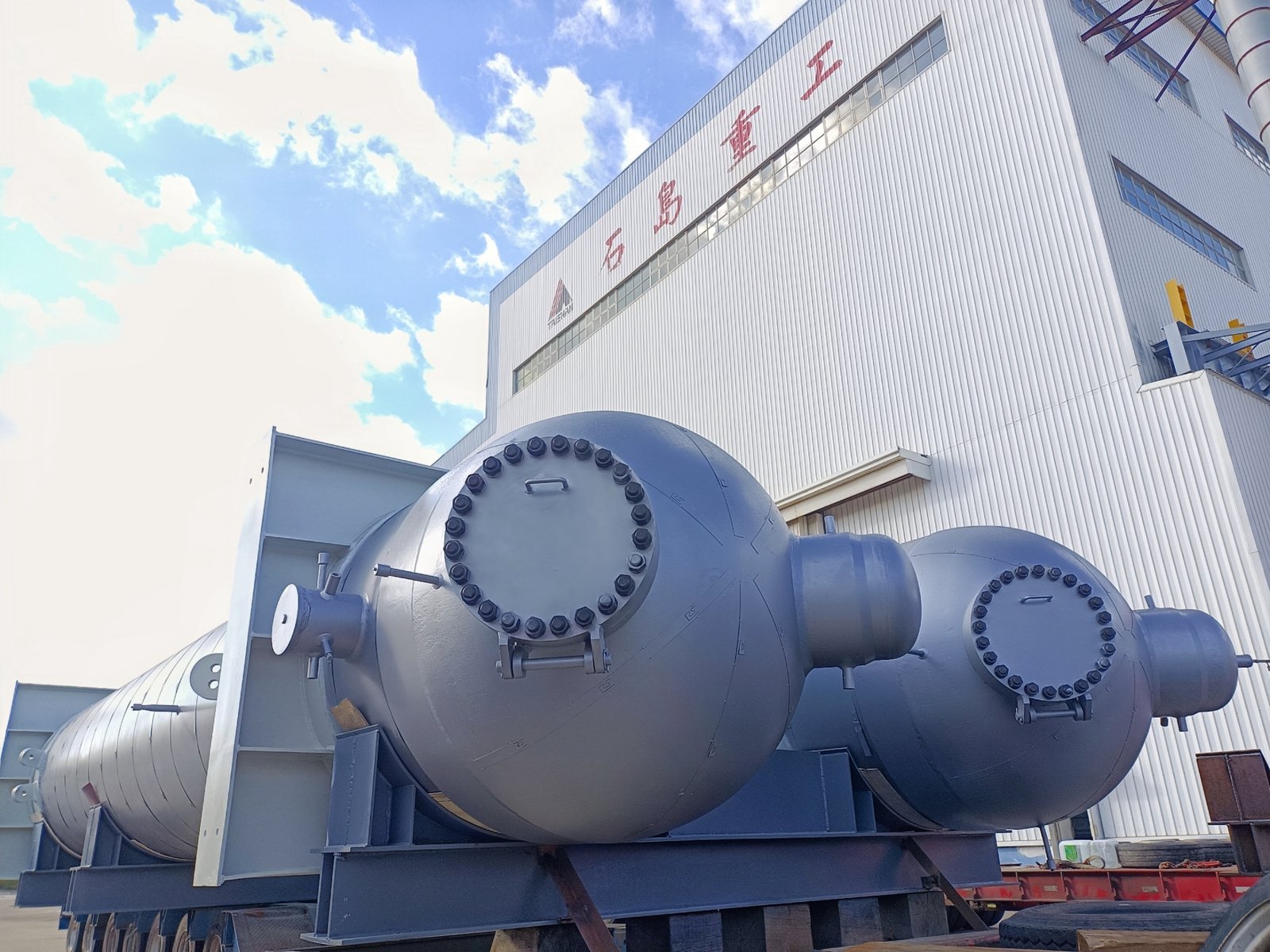
Representative heat exchanger photograph. Heating and condensation requirements must follow the selected evaporation duty.
Include Cleaning and Residual Handling in the Comparison
A batch arrangement may provide a convenient opportunity for cleaning between campaigns, but that does not establish the necessary cleaning frequency. A continuous unit also needs a defined shutdown and cleaning strategy. Ask what operating evidence supports the proposed schedule and what assumptions remain unverified.
Cleaning time, cooling, draining, inspection, and restart should appear in the capacity and staffing assessment. Cleaning agents must be compatible with the equipment and the residues. Their disposal or treatment requirements should also be included in the overall project scope.
Concentrate handling can influence the operating choice. Batch discharge creates a different downstream receiving pattern from continuous withdrawal. Define receiving capacity, transfer conditions, and any limitations related to viscosity or solids. Likewise, specify the destination and quality requirements for condensate; evaporation does not automatically make it suitable for discharge or reuse.
Compare the Complete Equipment and Manufacturing Scope
Request a clearly defined scope covering the evaporator, required vapor-separation equipment, condenser, and associated vessels or tanks. Identify who is responsible for process design, circulation equipment, controls, installation, commissioning, and performance verification. A fabricated-equipment package is not automatically a turnkey wastewater treatment plant.
For custom pressure vessels, confirm the applicable mechanical design basis, including relevant pressure, vacuum, temperature, and service conditions. Material traceability, welding documentation, examination, testing, and inspection hold points should be established before the corresponding manufacturing activities.
WSHI’s stated capabilities include drawing coordination, material procurement, welding, nondestructive examination, pressure testing, coating, and heavy-equipment delivery. Each quotation should confirm the included services and distinguish shop acceptance from process-performance testing with the customer’s wastewater.
Delivery planning should identify shipping dimensions, site access, assembly interfaces, preservation, and documentation. Price comparisons should also account for storage requirements, cleaning provisions, utility connections, and residual handling. Comparing only the evaporator purchase price can overlook meaningful differences in the complete installation.
FAQ
Does batch wastewater generation require a batch evaporator?
No. Suitable buffer storage and feed management may allow continuous evaporation. Compatibility, inventory, operating hours, and minimum-load requirements must be assessed first.
Is continuous evaporation only suitable for very large plants?
No. Operating mode cannot be selected from plant size alone. Feed consistency, scheduling, utilities, concentration behavior, and total project economics also matter.
Can one evaporator switch freely between batch and continuous operation?
Not necessarily. The equipment, controls, discharge arrangement, and approved procedures must support the proposed modes. Flexibility should be specified and verified before purchase.
What should buyers provide for an initial comparison?
Provide a time-based wastewater generation profile, representative analyses, concentration targets, available operating hours, utilities, storage constraints, cleaning expectations, and the required supply boundary.
Discuss Your Wastewater Evaporation Requirements
The choice between batch and continuous wastewater evaporation should follow the plant’s actual feed pattern and treatment objectives. For projects requiring complete custom evaporators, heat exchangers, separation vessels, or storage tanks above 1,000 liters, discuss your requirements with our engineering team. Share production schedules, wastewater analyses, drawings, and delivery constraints for manufacturing-scope review and equipment coordination.