
One scrubber tower may serve several production lines, but only when the combined streams and operating scenarios are suitable for a shared treatment system. For EPC buyers, adding together average exhaust volumes is not enough. Gas compatibility, simultaneous pollutant loads, collection-system behavior and maintenance requirements all influence the decision. Before ordering an industrial scrubber tower, buyers should establish whether centralized treatment is appropriate and define who is responsible for the complete process design.
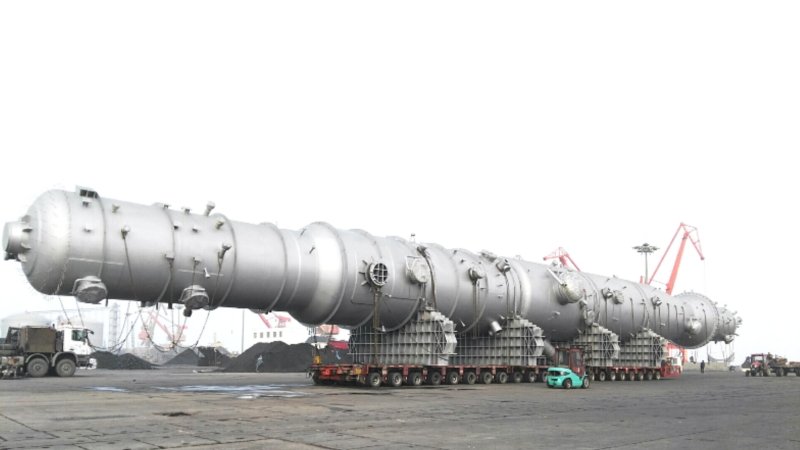
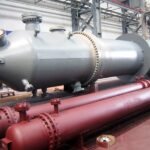
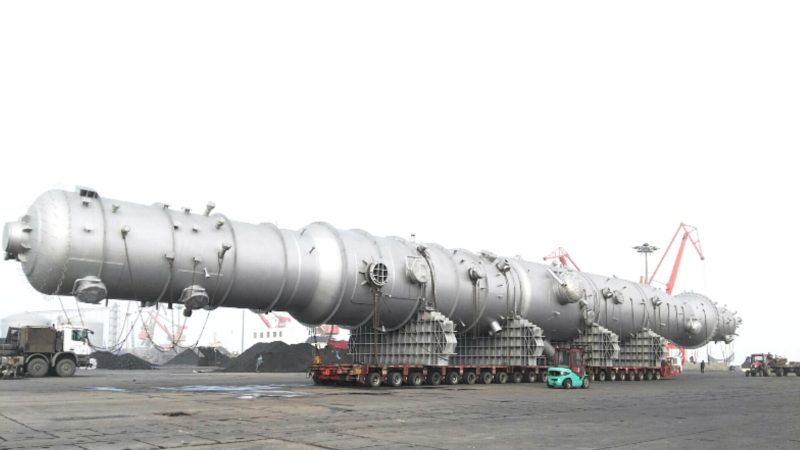
Representative scrubber equipment. Suitability for multiple exhaust streams requires project-specific process and safety assessment.
What Does a Shared Scrubber Tower Do?
A shared scrubber receives exhaust collected from more than one production source. In a wet absorption system, the gas contacts a liquid that removes suitable contaminants. However, removal depends on the pollutant and absorbent combination, not simply on passing exhaust through a tower. The US Environmental Protection Agency describes these principles in its wet scrubber guidance for gaseous pollutants.
Centralized treatment may be considered for chemical manufacturing lines, batch-processing areas or other compatible industrial exhaust sources. It can consolidate treatment equipment, but it also connects production units to a common operating constraint. Buyers evaluating industrial scrubber towers should therefore compare the shared arrangement with dedicated or grouped systems before fixing the equipment scope.
Check Gas Compatibility Before Combining Flows
Prepare a Separate Profile for Each Source
Start with an exhaust-source schedule rather than a single combined airflow figure. For every production line, identify the gas composition, pollutant concentrations, temperature, moisture, flow range and operating pattern. Include relevant dust, aerosols and condensable constituents. Mark uncertain information and identify where sampling or additional analysis is needed.
Batch charging, cleaning, startup and shutdown can generate streams different from normal production. These conditions should not disappear into a daily average. The responsible process engineer needs enough information to assess credible combinations, including simultaneous events and the possibility of unexpected process carryover.
Do Not Assume Similar Pollutant Labels Mean Compatibility
Two streams described as “acidic exhaust” may still differ significantly in composition, temperature and treatment requirements. Mixing can create hazards or deposits before the gas reaches the scrubber. The assessment should address potential reactions, heat release, condensation, flammability and effects on materials throughout the collection and treatment system.
A common absorbent must also be suitable for the relevant contaminants under the proposed conditions. Different sources may require separate treatment or multiple stages. Do not assume water removes every vapor, or that acidic and alkaline streams can safely neutralize each other in a shared duct. These decisions require qualified process and hazard assessment.
Specify Operating Combinations, Not Just Total Airflow
Maximum Gas Flow and Maximum Pollutant Load Can Differ
The highest combined exhaust volume may occur under a different operating scenario from the highest contaminant mass load. Both matter. Procurement documents should identify the simultaneous operating combinations that the design must accommodate, together with the basis for excluding any combination.
Gas-flow data also need consistent units and reference conditions. A comparison between actual and standardized volumes without appropriate clarification can distort equipment sizing. Specify the expected inlet conditions and let the responsible designer establish the required hydraulic and absorption calculations.
Include Low-Load and Intermittent Operation
A shared tower may operate with all production lines active, only one line running, or several sources starting and stopping. Ask the process designer to define the required operating envelope and demonstrate how the complete system addresses it. An unexplained spare-capacity percentage is not a substitute for this review.
Future expansion should be handled similarly. Identify the expected additional stream and its characteristics rather than simply requesting an oversized tower. Expansion may affect the collection network, liquid-treatment demand and utility requirements as well as the vessel itself.
Review the Collection Network With the Tower
The tower and the exhaust collection system must be assessed together. Changes in operating lines can alter how flow is distributed through a shared network. The project must maintain the required extraction at each source while respecting the pressure conditions allowed by the connected processes.
Define responsibility for the network calculations, fan selection, operating controls and prevention of unintended flow between branches. These functions may be outside the tower manufacturer’s contract, but their design inputs affect the equipment. A tower quotation alone should not be interpreted as a complete exhaust-capture solution.
The same distinction applies to unusual releases. Routine process exhaust and emergency discharges should not automatically be connected to the same system. Their treatment and routing require an explicit project-level assessment.
Define the Liquid-Side Treatment Boundary
The contaminants removed from the gas enter or react within the liquid system. Procurement therefore needs to address the resulting liquid, not just the treated exhaust. The designer should establish the relevant circulation, replenishment, blowdown and treatment requirements for the specified operating cases.
EPA’s packed-tower scrubber fact sheet identifies pollutant suitability and spent-solvent treatment as important considerations. A shared system can consolidate these duties, but the liquid composition may become more complex when several sources contribute contaminants.
If the project requires separate collection or holding vessels, specify their actual service and capacity. For large industrial storage tanks above 1,000 liters, material selection should reflect the expected liquid and operating conditions. Do not assume the existing wastewater plant can accept the new stream without review.
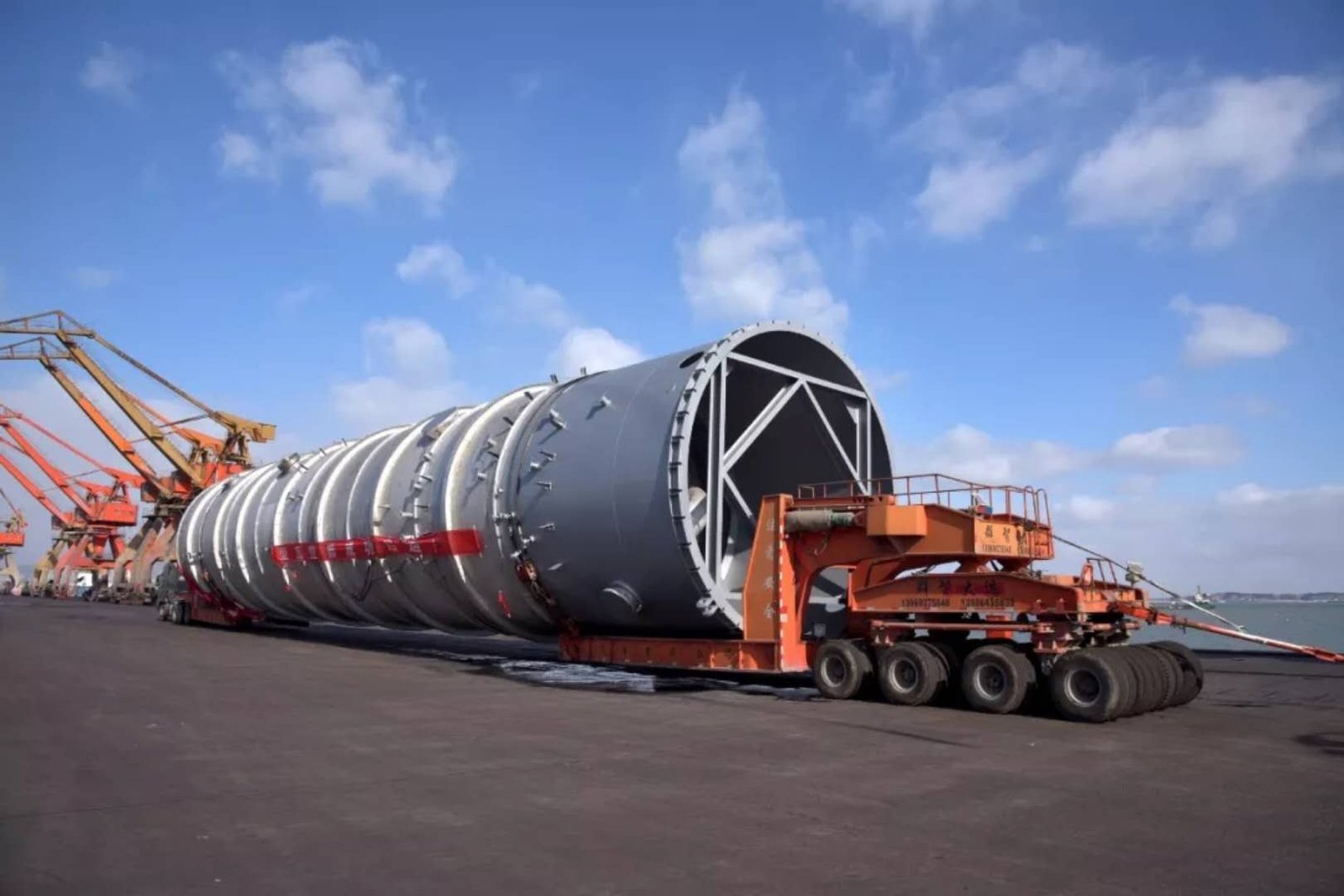
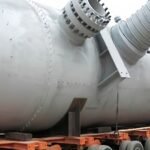
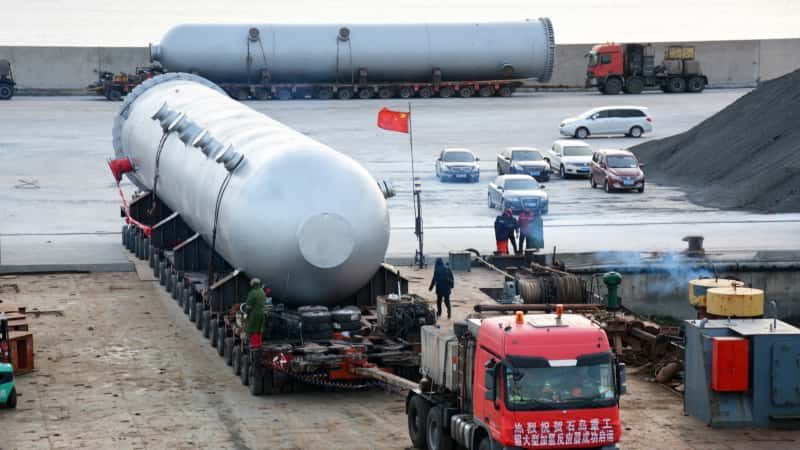
Representative tower equipment. A shared treatment arrangement must be evaluated against the approved source profiles and operating combinations.
Consider Maintenance and Production Availability
A common scrubber can become a shared production constraint. If it requires inspection, cleaning or repair, several connected lines may need to stop or follow an approved alternative operating arrangement. The commercial evaluation should include this consequence instead of comparing equipment purchase prices alone.
Discuss the available shutdown window, anticipated deposits, access requirements and the consequences of losing utilities or treatment capability. Where higher availability is required, the project engineer should assess an appropriate arrangement. There is no universal requirement for duplicate equipment, and an untreated bypass should never be assumed to be an acceptable fallback.
Set Manufacturing and Supply Responsibilities
Separate Process Guarantees From Vessel Fabrication
Before placing an order, identify who owns the process design, removal-performance commitments and final emissions verification. The vessel fabricator may work from approved datasheets and drawings without taking responsibility for selecting the absorbent, sizing the collection network or guaranteeing whole-system compliance.
The complete supply boundary should identify the tower, any associated vessels, required thermal equipment, documentation and site services. If inlet cooling or condensation is required, the duty for any shell and tube heat exchanger should come from the approved process design. It should not be added simply because multiple sources are connected.
Confirm Materials, Inspection and Delivery Requirements
Materials must be assessed against the combined gas and liquid environment, including relevant cleaning conditions. Mechanical design should use the specified pressure conditions, which may include vacuum, together with applicable temperatures and external loads. Not every scrubber operates as a positive-pressure vessel.
WSHI’s manufacturing scope includes drawing development and engineering coordination, material procurement, welding, nondestructive examination, pressure testing where applicable, coating and heavy-equipment delivery. Buyers reviewing WSHI manufacturing capabilities should confirm the project-specific inspection plan, required records and qualification requirements.
Large-tower delivery also needs coordination. Agree on transport dimensions, handling information, preservation, delivery location and installation responsibilities. Engineering documents required for foundations and site planning should be scheduled before shipment.
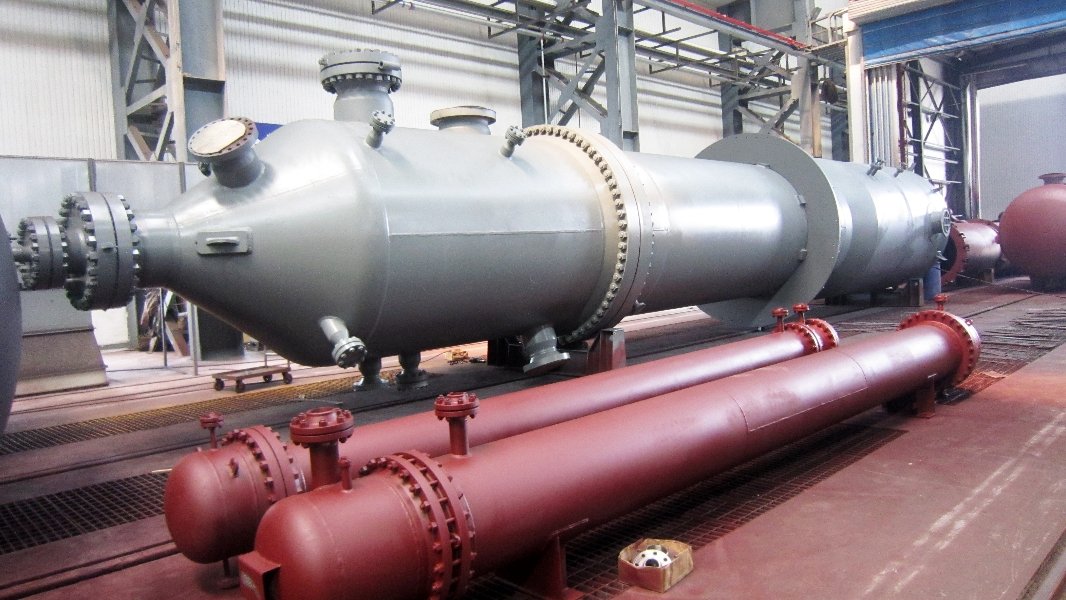
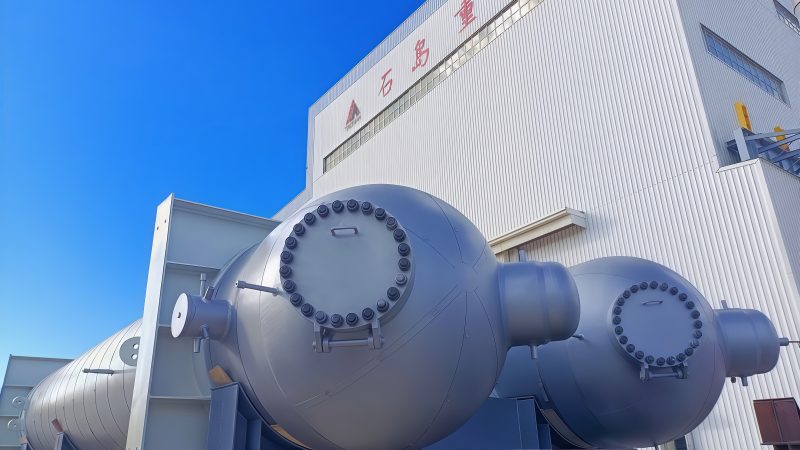
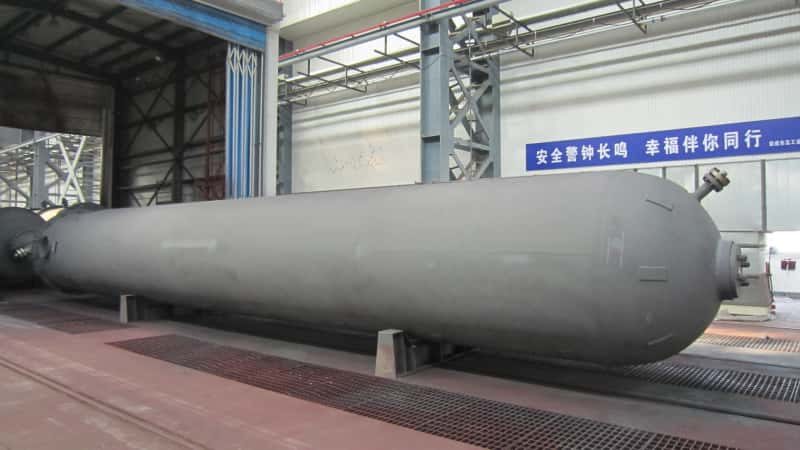
Representative fabrication workshop. Project acceptance should follow approved drawings, inspection requirements and the agreed supply contract.
FAQ
Can acidic and alkaline exhaust share one scrubber?
Not automatically. Mixing and treatment chemistry require assessment for the actual constituents and operating conditions. Separate collection or treatment may be necessary.
Is adding all production-line airflow rates enough to size the tower?
No. The designer also needs pollutant loads, inlet conditions, simultaneous operating scenarios and the required outlet performance. Average airflow alone is insufficient.
Will one large scrubber always cost less than several smaller systems?
No. Compare the complete installed arrangement, utilities, liquid treatment, maintenance and production consequences. Lower equipment count does not necessarily mean lower overall cost.
What should buyers provide for an initial quotation?
Provide source-by-source exhaust data, the intended operating combinations, applicable emission requirements, site constraints and the proposed supply boundary. Clearly identify preliminary values and unresolved process decisions.
Discuss Your Complete Scrubber Tower Requirements
One scrubber tower can serve multiple production lines when compatibility, operating flexibility and treatment responsibilities are properly established. If your project requires a complete custom tower with associated vessels or heat-transfer equipment, contact our engineering team with the exhaust-source schedule, approved process requirements and preliminary drawings. These inputs support a focused discussion of manufacturing feasibility, inspection and delivery scope.