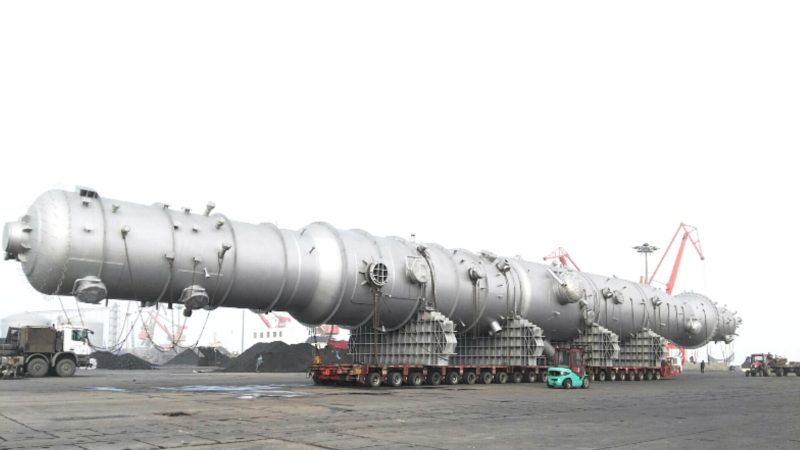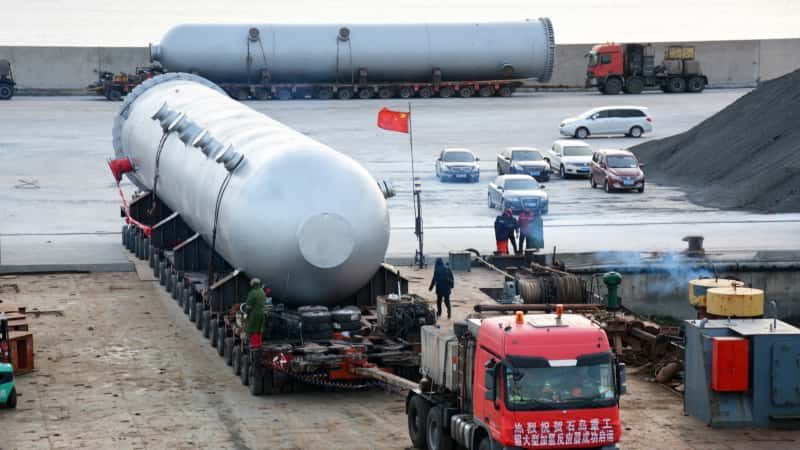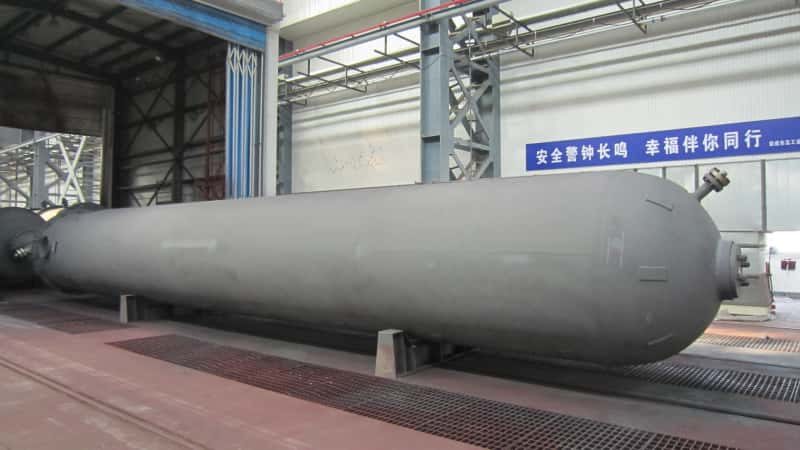

For EPC buyers, grease manufacturing plant equipment cannot be specified from production capacity alone. The selected formulation and manufacturing route determine the duties of process vessels, heating and cooling equipment, and storage tanks. A clear procurement package must distinguish complete equipment fabrication from proprietary process technology, mixing performance and finished-product quality. Establishing those boundaries early helps manufacturers quote the intended scope and prevents important responsibilities from falling between suppliers.
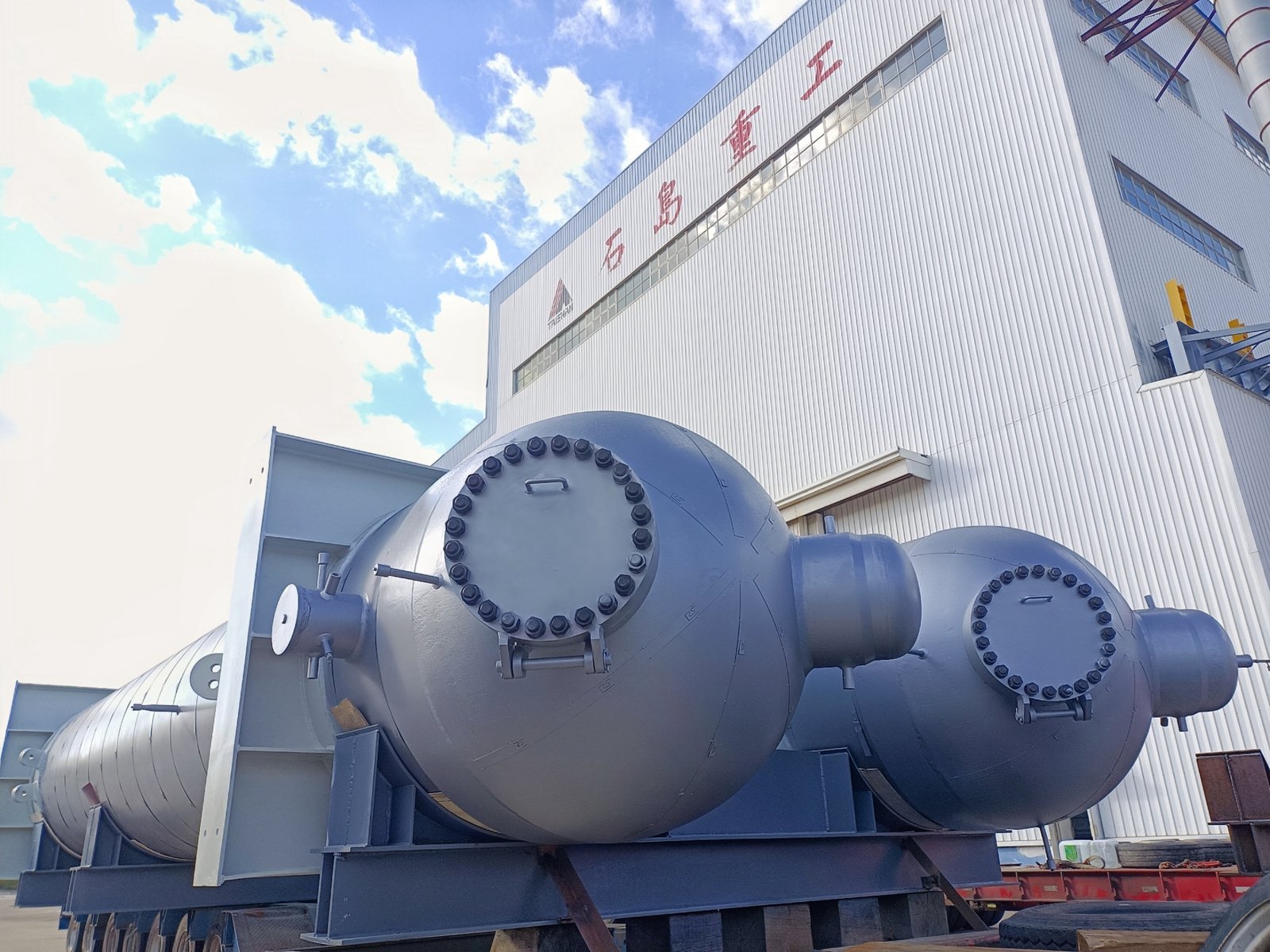
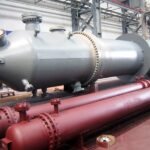
Representative heat-transfer equipment. Suitability for grease manufacturing depends on the approved process duty and fluid characteristics.
Recent Investment Highlights a Specialized Manufacturing Market
On September 15, 2026, Shell announced the inauguration of its grease manufacturing plant at Marunda, Indonesia. The facility complements its existing lubricants blending operations. The announcement illustrates continuing investment in dedicated grease production, but it does not establish an open procurement opportunity or suggest that every plant uses the same equipment arrangement. Source: Shell Indonesia’s official announcement.
For equipment purchasers, the useful takeaway is the need for process-specific specifications. Grease production is not simply bulk liquid storage followed by packaging. WSHI is not presented as a supplier to the referenced project, and the equipment considerations below are general procurement guidance rather than a description of Shell’s installation.
Start With the Manufacturing Route
The National Lubricating Grease Institute explains that grease production involves dispersing a thickener into a lubricating fluid. Some routes involve forming the thickener through a reaction, while others use materials that require dispersion. Both batch and continuous production are possible. These distinctions affect the equipment required. Source: NLGI manufacturing FAQs.
Before requesting quotations, identify the process design authority and obtain the relevant equipment duties. The specification should describe the intended product families, batch or continuous operation, temperature history and material behavior. It should also identify any proprietary technology that limits how the equipment can be designed or manufactured.
A general request for a “grease reactor” leaves too much unresolved. Buyers should distinguish the mechanical vessel, the process package and any mixing or finishing technology. An equipment manufacturer should not be expected to guarantee product consistency or formulation performance unless those responsibilities are expressly included and technically supported.
Define the Complete Process Vessel Scope
Separate Mechanical Design From Process Performance
For custom pressure vessels, provide the applicable design conditions, working duty, materials requirements and governing construction standard. Operating pressure should not be assumed from the equipment name. The design team must identify relevant pressure, vacuum and temperature cases for the selected process.
Where a vessel includes a heating or cooling jacket, specify the conditions on both sides and the combinations requiring assessment. Any externally supplied mixing equipment also needs coordinated interface information. Its effects on the vessel should be addressed through approved design inputs, without turning the enquiry into a list of separately purchased small components.
Establish Working Volume and Batch Requirements
Nominal vessel volume and usable batch capacity are not interchangeable. Buyers should provide the intended batch range, density information, filling and discharge requirements, and any process allowance established by the designer. These inputs support mechanical configuration and layout decisions.
The manufacturing enquiry should identify which dimensions are fixed by the process and which may be developed by the fabricator. If the production route remains under development, quotations should clearly state their preliminary assumptions and the information needed before fabrication release.
Specify Heating and Cooling Across the Production Cycle
Thermal equipment should be assessed against the relevant stages of production rather than one convenient average condition. Heating duty, cooling duty, available utilities and permitted temperature exposure may change during a batch. The process designer should establish the required temperature-time profile and clarify which party is responsible for achieving it.
For shell and tube heat exchangers, distinguish direct product service from utility or intermediate-fluid service. A unit cooling heat-transfer fluid has a different duty from one handling a thickening process mixture. Not every grease stream is suitable for a conventional shell-and-tube arrangement.
Provide representative fluid-property data over the intended operating range, together with allowable pressure drop and fouling expectations. For materials whose flow behavior changes substantially with temperature or processing, a single room-temperature viscosity value may be inadequate. Where essential data are unavailable, obtain further evaluation rather than substitute a generic design assumption.
Plan Large Storage Tanks Around the Actual Medium
Storage requirements should distinguish base oils, other bulk liquid feedstocks, intermediate materials and any finished-product holding duty. These services should not be grouped into one generic tank specification. A tank suitable for a readily flowing liquid may be inappropriate for a material with different discharge or temperature-control needs.
For industrial storage tanks above 1,000 liters, define required working capacity, receipt frequency, storage duration and operating conditions. Materials and any heating provision should follow the actual medium and approved handling requirements. Heating should not be added automatically, nor should a standard liquid tank be assumed suitable for finished grease.
Buyers should also identify product-segregation requirements. Shared storage may simplify the equipment list, but its suitability depends on product compatibility and changeover requirements established by the owner.
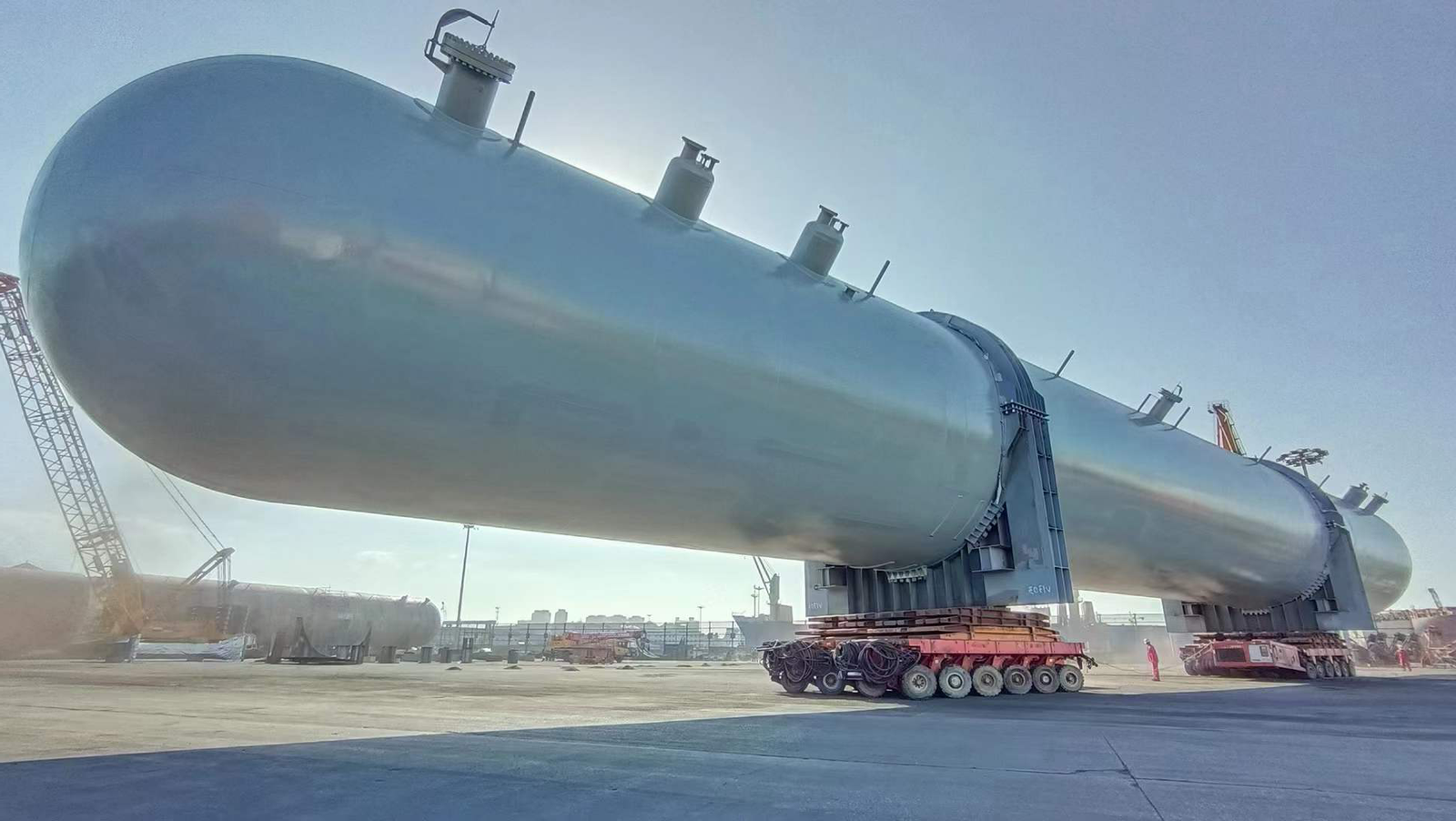
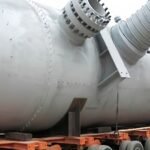
Representative storage equipment. Capacity, materials and suitability for specific lubricant-production duties require project confirmation.
Include Product Changeover and Maintenance Requirements
A plant producing several grades needs a defined changeover strategy. Equipment enquiries should identify allowable residual material, cleaning expectations, inspection access and the available shutdown window. These requirements can affect the vessel arrangement and plant layout before manufacturing begins.
Cleaning methods and material compatibility require project-specific review. The fabricator should receive the approved conditions rather than select a universal cleaning procedure. Claims about rapid changeover or minimal product carryover need an agreed basis; they should not be inferred from a vessel drawing or a general statement that equipment is easy to clean.
Convert Quality Requirements Into Verifiable Deliverables
Agree on material traceability, welding requirements, applicable examinations, testing and dimensional checks before production. Where special surface conditions or cleanliness requirements apply, define their acceptance criteria and verification method. Avoid requesting an undefined “high-quality finish” when the process needs a measurable requirement.
Mechanical acceptance and product acceptance are separate. A completed pressure test does not demonstrate that a vessel can produce a particular grease grade, and a dimensional inspection does not verify mixing effectiveness. The contract should assign process trials, commissioning and finished-product testing to the responsible parties.
WSHI’s manufacturing scope includes drawing development and engineering coordination, material procurement, welding, nondestructive examination, pressure testing where applicable, coating and heavy-equipment delivery. Buyers reviewing WSHI manufacturing capabilities should confirm the actual project scope without assuming proprietary reactor technology, formulation development or whole-plant performance guarantees are included.
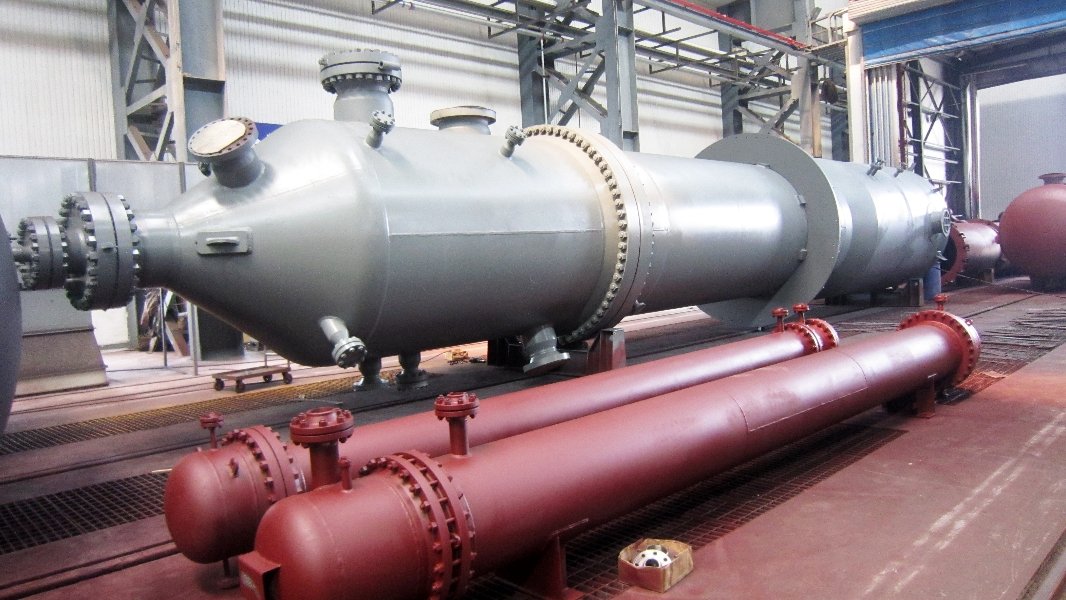
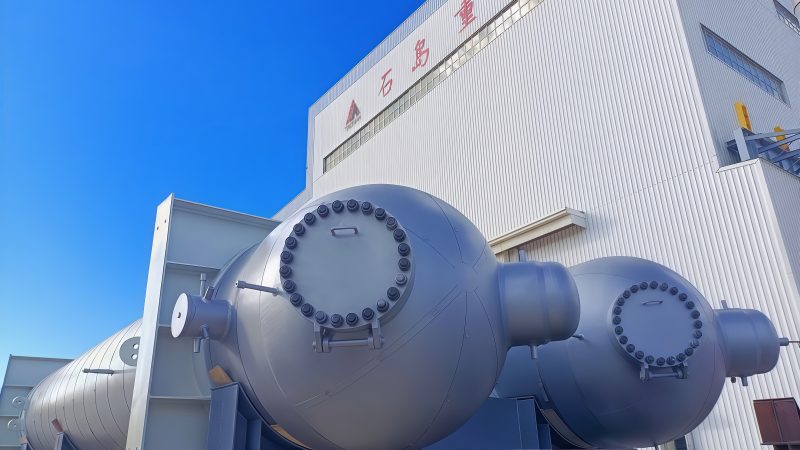
Representative fabrication workshop. Project conformity should be demonstrated through approved manufacturing and inspection records.
Coordinate Delivery With Engineering and Installation
Large-vessel procurement requires agreement on more than the shipment date. Foundation information, equipment loads and connection details may be needed before fabrication is complete. Establish submission dates and identify who approves interfaces with the surrounding plant.
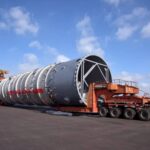
The commercial scope should distinguish factory loading, transport to port, export delivery, site unloading and erection. Preservation and storage requirements should reflect the expected delivery sequence. Compare supplier proposals against the same boundaries so that a lower quoted price does not conceal omitted services or unresolved engineering responsibilities.
FAQ
Does every grease plant require the same process vessels?
No. The formulation and manufacturing route determine the required duties. Use approved process information to establish the equipment list rather than copy another plant’s arrangement.
Can a standard shell-and-tube exchanger handle any grease stream?
No. Suitability depends on flow behavior, thermal duty, pressure drop, fouling and cleaning requirements. Utility-side service and direct grease service need separate evaluation.
What should buyers provide for an initial quotation?
Provide equipment datasheets, operating and design conditions, relevant fluid properties, materials requirements, inspection expectations and delivery boundaries. Clearly label preliminary information.
Does vessel fabrication include a guarantee of finished-grease quality?
Not automatically. Product quality depends on formulation and process operation as well as equipment. Any performance guarantee must have a defined scope, responsible party and acceptance basis.
Discuss Your Grease Manufacturing Equipment Scope
Effective grease manufacturing plant equipment procurement begins with clear duties and responsibilities. If your project requires complete process vessels, suitable heat exchangers or industrial storage tanks above 1,000 liters, contact our engineering team with the approved datasheets, preliminary drawings and intended supply boundary. These inputs support a focused review of manufacturing feasibility, inspection requirements and project delivery.