
Changing waste-plastic feedstocks can change the conditions that downstream condensation equipment must handle. For EPC buyers, specifying a condenser from a single nominal vapor flow may leave important operating cases unresolved. Chemical recycling condensation equipment should be evaluated as a coordinated arrangement of heat exchangers, separation vessels and liquid receivers. The procurement basis must describe the expected feed variation, resulting process streams and required product-handling conditions without assuming that every recycling technology follows the same route.
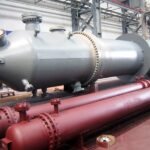
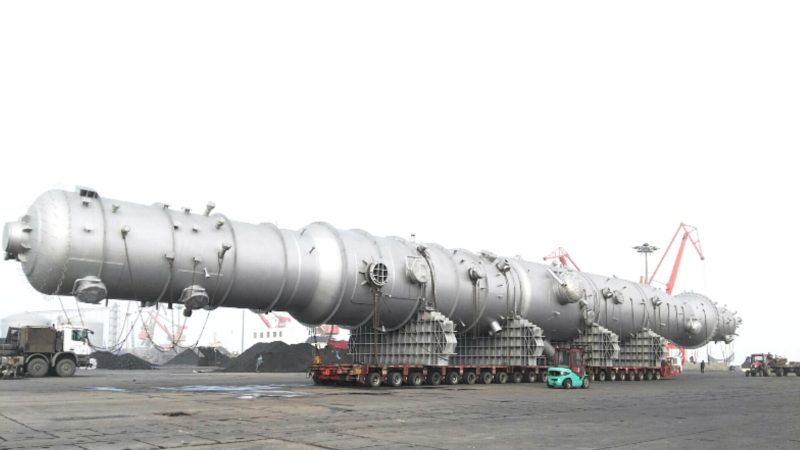
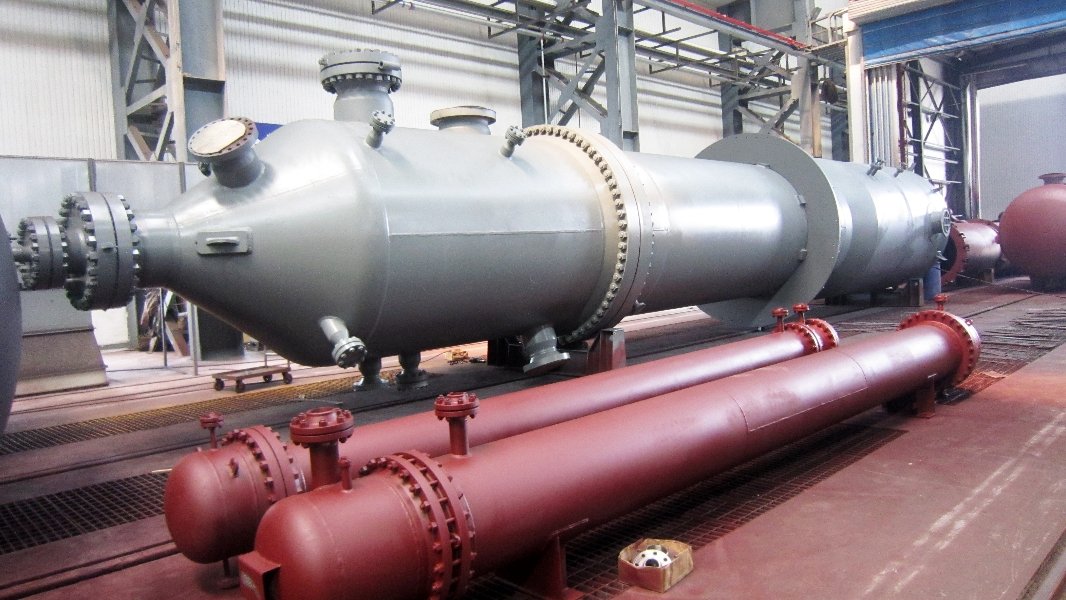
Representative heat-transfer equipment. Condenser suitability depends on the approved vapor composition, operating conditions and materials assessment.
Recent Pilot Results Highlight Feedstock Variability
On September 23, 2026, Aduro Clean Technologies reported a 75-hour campaign at its Next Generation Process pilot plant using controlled polypropylene and polyethylene feed compositions. The company stated that operating data were informing engineering work for its planned first-of-a-kind development. These are company-reported pilot findings, not a commercial-scale equipment performance guarantee. Source: Aduro’s official news release.
The announcement provides a timely reason to examine how feed changes enter equipment specifications. It does not disclose a complete condenser design or establish that the same results apply to other technologies. WSHI is not presented as a supplier to this project, and the discussion below does not describe Aduro’s proprietary process as conventional pyrolysis.
Translate Feed Variation Into Equipment Duties
The condenser does not receive a feedstock label such as “mixed polyolefins.” It receives a process stream with a particular composition, temperature, pressure and flow. The technology provider must translate the accepted feed range into those downstream conditions.
Buyers should request representative operating cases rather than a single average stream. These may include different approved feed compositions, throughput levels and transition conditions. Where real waste streams contain constituents outside the tested feed basis, the designer should identify what additional characterization or testing is required.
Separate demonstrated conditions from projected conditions. Pilot observations can support engineering, but unresolved assumptions should remain visible in the equipment enquiry. A generic design margin cannot replace missing information about stream composition or phase behavior.
Define Condensation Objectives Before Selecting Equipment
Specify What Must Be Recovered
The procurement specification should identify the intended recovery duty and the required condition of the collected material. Total condensed mass, recovery of selected constituents and production of a liquid meeting downstream specifications are different objectives.
A condenser transfers heat and changes the phase of suitable constituents under the operating conditions. It does not independently establish chemical conversion yield or finished-product quality. Those depend on the broader process and must have a separately assigned performance basis.
Provide Composition and Utility Conditions Together
The US Environmental Protection Agency identifies gas composition, moisture, particulate content, flow and temperature among the factors affecting condenser operation. Cooling conditions also matter. Its condenser technical guidance supports the need for a defined inlet stream and cooling basis; it does not provide a universal recovery guarantee for chemical recycling.
For shell and tube heat exchangers, provide the required thermal duty, operating pressure, allowable pressure drop and available utilities for each relevant case. Identify any restrictions on outlet temperature imposed by downstream handling.
Evaluate Cooling Range and Deposit Behavior
A mixed process stream may condense across a temperature range rather than at one fixed temperature. The process designer should determine whether a single condenser or a staged arrangement is appropriate. Equipment selection must follow that assessment rather than assume that lower outlet temperature always produces the best overall result.
Where constituents can become viscous or form deposits during cooling, the specification should describe the expected behavior and supporting evidence. Excessive cooling may complicate drainage or product transfer in some services, while insufficient cooling may leave required recovery targets unmet.
Ask which operating cases govern heat-transfer area, hydraulic performance and deposit risk. They may not be the same case. If suitable physical-property data are unavailable, identify the work required before finalizing the thermal design.
Include Cleaning and Maintenance in the Arrangement
The expected deposit characteristics should inform the complete exchanger configuration and maintenance access. Buyers should establish whether the intended cleaning approach requires dismantling, withdrawal space or other provisions that affect the installed layout.
Do not accept “easy cleaning” as a complete specification. Identify the proposed method, access requirements, material restrictions and allowable shutdown window. Cleaning-fluid collection and disposal also need an assigned destination within the project.
The thermal rating should state its fouling assumptions, but a fouling allowance does not guarantee a particular operating period between cleanings. Any run-length commitment needs a defined feed envelope and an evidence-based agreement.
Coordinate Condensers With Separation Vessels
Condensation can produce a mixed stream that still requires gas-liquid separation. Where a separate vessel is needed, its duty should reflect the condenser outlet conditions, liquid properties and relevant flow variations. The receiving process may impose additional limits on liquid carryover or gas entrainment.
For associated custom pressure vessels, distinguish mechanical design inputs from separation-performance requirements. The enquiry should identify who owns the process sizing and which operating cases the complete vessel must accommodate.
If the recovered material can form more than one liquid phase, ask the process designer whether phase separation is required and where it belongs. A vessel specified only as a receiver should not automatically be assumed to provide a defined liquid-liquid separation duty.
Define the Destination of Uncondensed Gas
A condenser does not necessarily convert the entire incoming stream to liquid. The project must account for the remaining gas and assign responsibility for its recovery, treatment or other approved destination.
This boundary affects more than environmental documentation. Downstream pressure conditions can influence the condensation system, so the interfaces need coordinated engineering. Do not assume that uncondensed gas can be released directly or that a general-purpose scrubber is suitable.
The fabricator should receive the approved equipment conditions and relevant mechanical requirements. Selection of the plant-wide gas-handling and protection arrangements belongs to the responsible process and safety engineers.
Specify Large Receivers and Storage Tanks by Function
A process receiver, a product holding tank and an off-specification storage tank serve different purposes. Define the expected liquid composition, temperature, operating pressure and required working capacity for each item. Also identify the transfer schedule and receiving-system constraints.
For industrial storage tanks above 1,000 liters, storage requirements should reflect actual production and dispatch patterns. Heating, insulation or other temperature-management provisions should follow an approved handling basis rather than be added automatically.
Consider how transition material and unapproved product will be segregated. The project should establish release criteria and routing responsibilities so that equipment commissioning or feed changes do not inadvertently compromise accepted inventory.
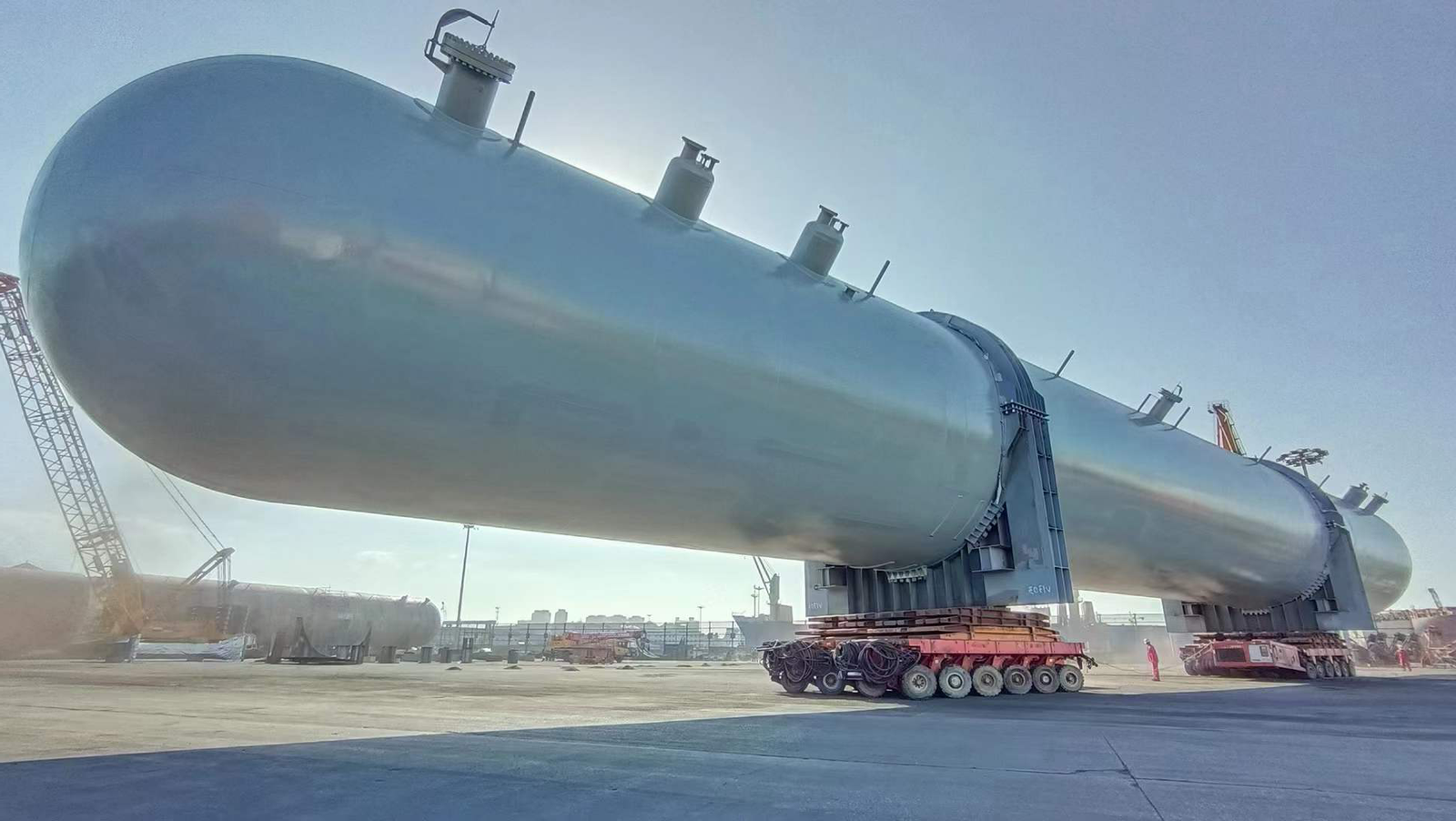
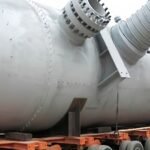
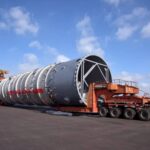
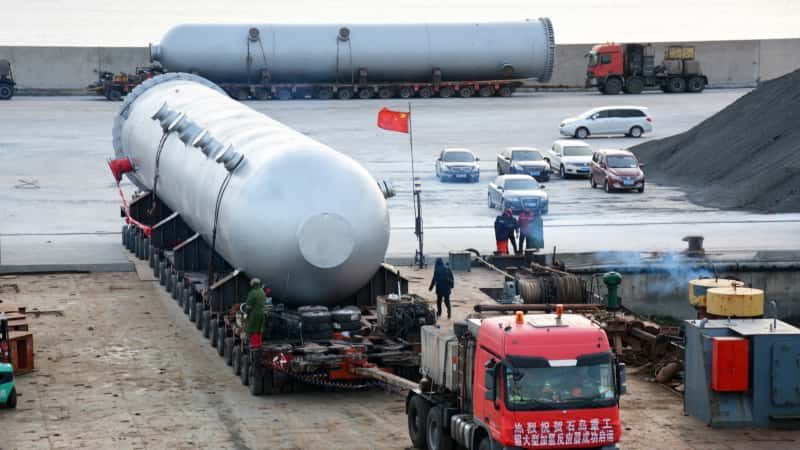
Representative storage equipment. Recovered-liquid service requires confirmed temperature, composition, capacity and handling requirements.
Establish Materials and Manufacturing Boundaries
Materials selection should address the complete exposure environment, including relevant contaminants, process conditions and cleaning media. A material suitable for a controlled trial does not automatically establish suitability for every proposed waste feed.
Once the design basis is approved, agree on material traceability, welding requirements, specified examinations, applicable testing and dimensional verification. A pressure test does not demonstrate condensate recovery or product quality. Process performance needs separate evidence and acceptance criteria.
WSHI’s manufacturing activities include drawing development and engineering coordination, material procurement, welding, nondestructive examination, pressure testing where applicable, coating and heavy-equipment delivery. Buyers reviewing WSHI manufacturing capabilities should confirm the actual scope without assuming proprietary recycling technology or whole-plant performance guarantees are included.
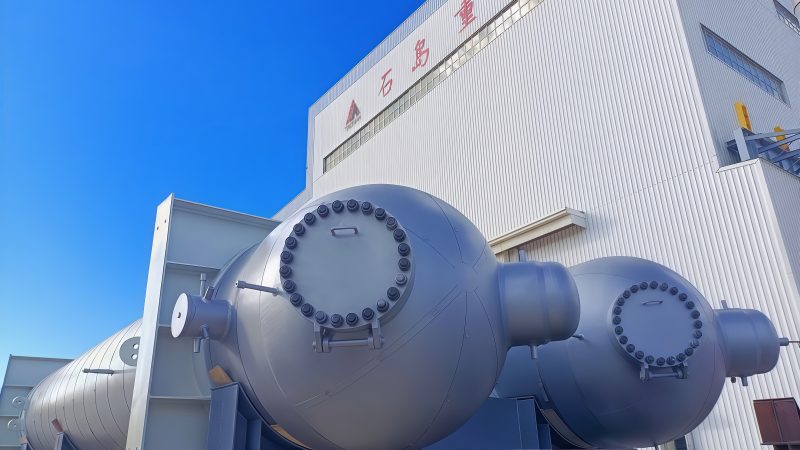
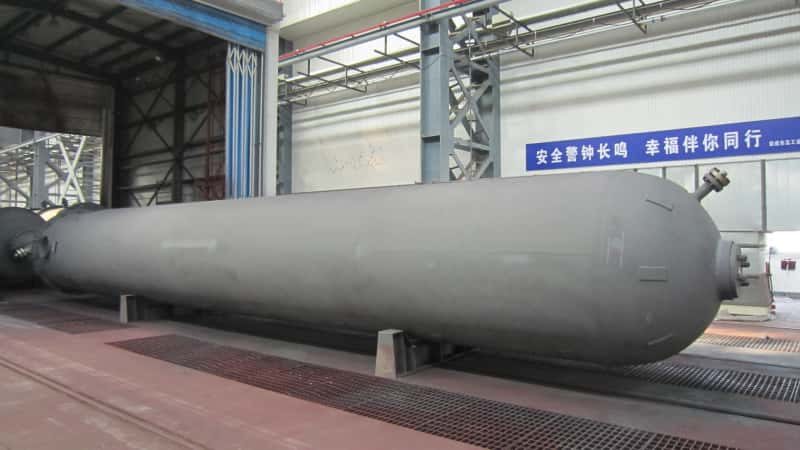
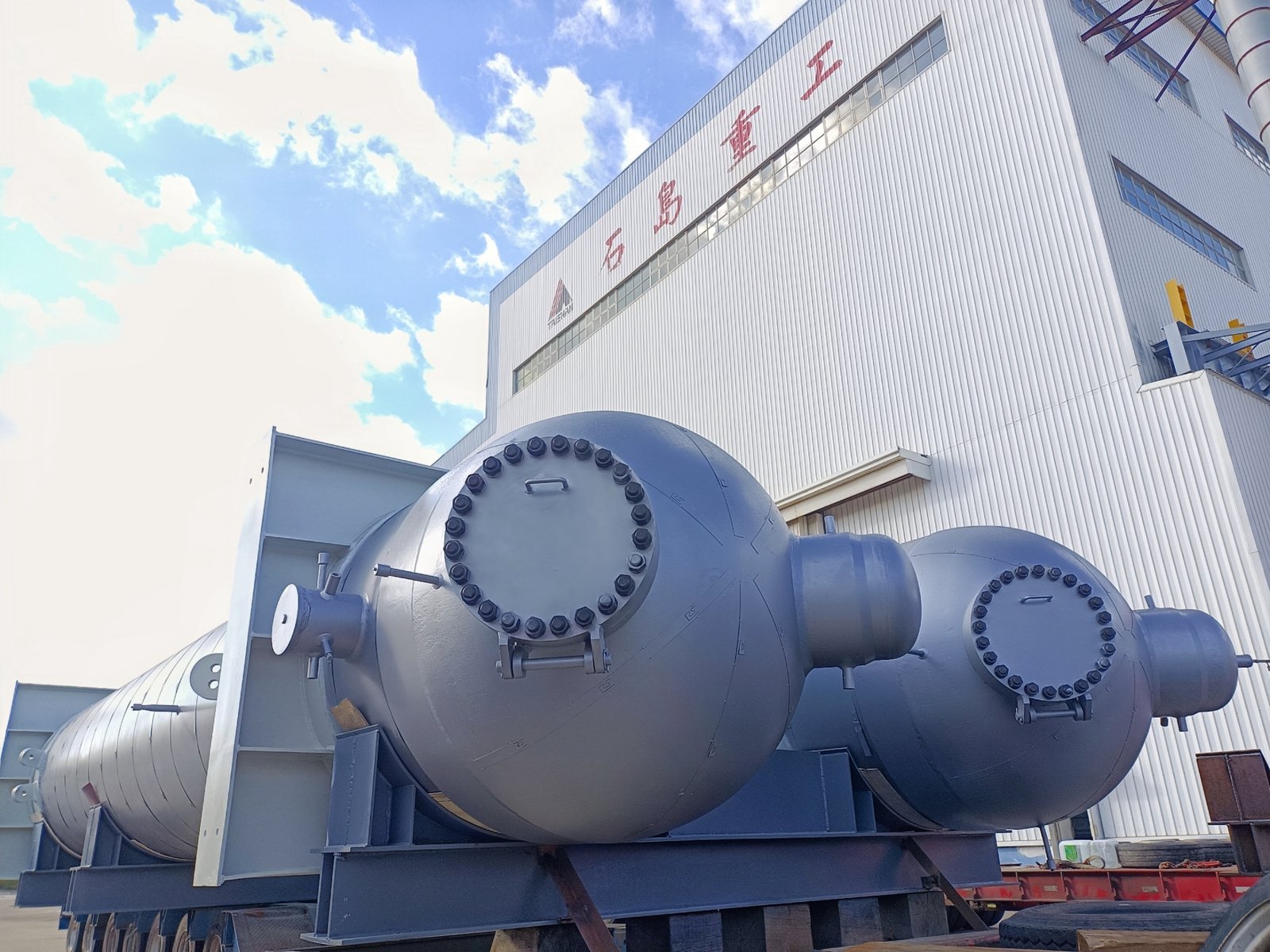
Representative manufacturing workshop. Fabrication acceptance and chemical-recycling process acceptance are separate responsibilities.
Agree on Acceptance and Delivery Requirements
The purchase package should identify the guaranteed equipment duties, reference conditions and test responsibilities. Where feed-dependent performance is involved, specify the approved feed and process envelope. Changes outside that envelope should trigger an agreed engineering review.
Delivery planning should include transport dimensions, preservation, handling information and documents needed for foundations and connected equipment. State which party performs installation, commissioning and performance verification. A clear boundary helps prevent equipment supply from being mistaken for complete process delivery.
FAQ
Can one condenser handle every polyolefin feed mixture?
Not automatically. The process designer must establish the resulting stream conditions and confirm that the equipment covers the approved operating range.
Does a reported condensable-product yield establish condenser efficiency?
No. A process yield and an individual condenser’s recovery performance are different measures with different boundaries.
Is colder condensation always better?
No. Required recovery must be considered together with utilities, liquid properties, deposit behavior and downstream handling requirements.
What should buyers provide for an initial quotation?
Provide approved stream data, operating cases, thermal duties, utility conditions, materials requirements, expected deposit behavior and the intended supply boundary.
Discuss Your Condensation Equipment Requirements
Chemical recycling condensation equipment should be specified around the process streams created by feedstock variation, not a generic recovery percentage. If your project requires complete condensers, separation vessels or industrial storage tanks above 1,000 liters, contact our engineering team with the process datasheets and preliminary drawings. These inputs support a focused review of manufacturing feasibility, inspection requirements and project delivery.