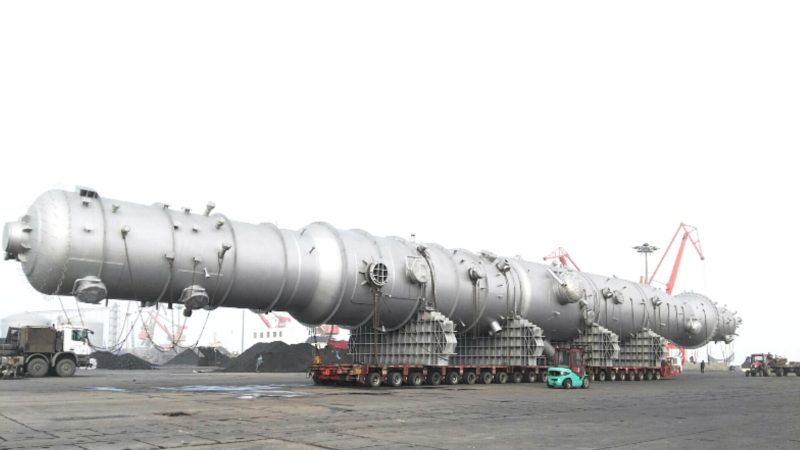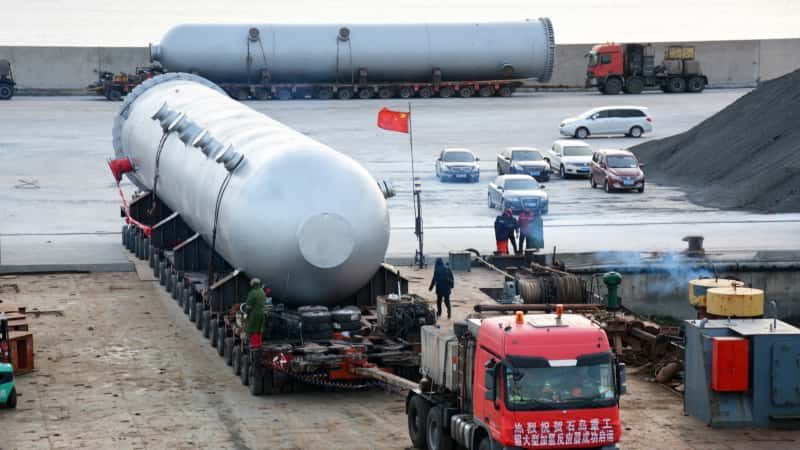

Power plant wastewater projects can involve several collection and treatment systems operating alongside chemical storage facilities. For EPC buyers, the challenge is not simply selecting tanks and vessels. It is defining what each complete equipment item must handle, which design inputs are confirmed and who owns the treatment-performance commitment. Clear supply boundaries help prevent gaps between the process designer, equipment manufacturer, civil contractor and plant operator.
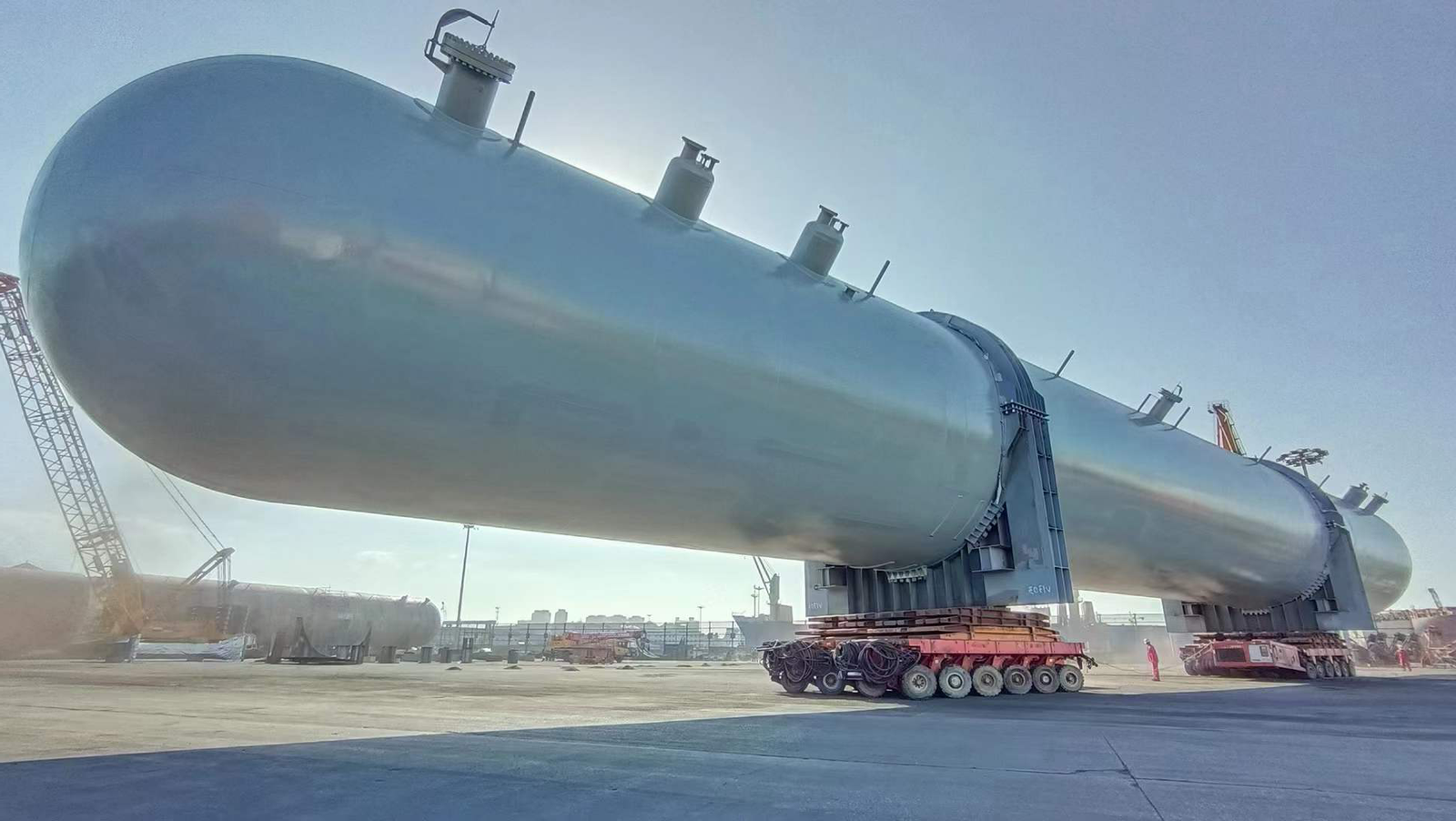
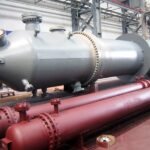
Representative industrial storage equipment. Wastewater and chemical-storage duties require separate materials and operating assessments.
A Current Procurement Example Highlights the Coordination Challenge
UNOPS has published a design-and-build procurement notice for five wastewater treatment plants and a chemical storage facility at Kosovo B Thermal Power Plant. The notice was originally published on August 17, 2026, with subsequent September updates and clarifications. It is an active project-procurement reference, not a newly announced plant investment. Source: official UNGM procurement notice.
The notice illustrates how wastewater treatment and chemical storage can fall within one construction programme while retaining different engineering requirements. It does not establish that every facility requires an evaporator, pressure vessel or particular tank configuration. WSHI is not presented as a bidder or supplier to this project. The following considerations are general guidance for defining equipment packages.
Separate Wastewater Sources Before Selecting Equipment
A power plant can generate wastewater from different operations, and those streams should not automatically be combined under one average analysis. Cooling-system discharges, equipment cleaning and other process-related sources may differ in flow, temperature, dissolved constituents and suspended material.
The process designer should establish a source schedule identifying normal conditions, intermittent events and relevant variations. Where a future plant modification will introduce another stream, identify which information is measured and which remains an engineering assumption.
As regulatory background, the US EPA’s steam-electric power-generating effluent guidance addresses wastewater from this industrial sector. Its requirements are jurisdiction-specific and should not be transferred to a project elsewhere without review. Equipment specifications must follow the applicable local requirements and the approved treatment design.
Define the Purpose of Each Vessel or Tank
Collection and Equalization
A collection tank receives a defined stream. An equalization duty may additionally require accommodation of changes in flow or composition. These functions should not be treated as identical simply because both use a large vessel.
Buyers should provide the expected inflow pattern, downstream acceptance rate and required working inventory. Where mixing or solids suspension is part of the process duty, its design responsibility must be identified. A fabricated tank alone does not guarantee that the contents will remain uniform.
Treatment and Intermediate Holding
A treatment vessel needs an approved process duty, including the medium, operating conditions and any performance-related requirements. An intermediate holding tank may instead provide inventory between processing steps. The equipment list should distinguish these roles.
For custom pressure vessels, clarify whether pressure or vacuum service is actually required. Many wastewater tanks are not pressure vessels. The construction basis should follow the service rather than a generic equipment-category preference.
Accepted Water and Off-Specification Water
If the project separates treated water from water awaiting verification, specify how the two inventories are handled. Identify the receiving application or discharge boundary and the party responsible for confirming acceptance.
An equipment manufacturer should not be expected to determine effluent limits from a tank drawing. Likewise, providing storage does not demonstrate that the treatment process achieves those limits.
Specify Large Chemical Storage Tanks Separately
Chemical storage supports the selected treatment process, but its design basis differs from wastewater holding. Confirm the actual chemical, concentration, expected impurities, temperature and storage conditions before selecting materials.
For industrial storage tanks above 1,000 liters, establish working capacity from the approved consumption and delivery basis. Delivery frequency, unloading arrangements and the required operating reserve all affect the appropriate capacity. Total geometric volume alone is not a sufficient purchasing specification.
Do not assume chemicals can share a storage arrangement because they serve the same treatment plant. Compatibility, segregation and containment require qualified project review. The enquiry should distinguish the tank manufacturer’s scope from the surrounding civil containment, unloading facilities and site safety systems.
Resolve Uncertain Design Inputs Before Fabrication
At tender stage, some wastewater analyses, site levels or future operating conditions may remain incomplete. These gaps should be recorded rather than hidden inside broad promises of a flexible design.
Ask the process designer to identify the assumptions used for each equipment duty and the information required to confirm them. Where testing or additional sampling is necessary, include it in the project schedule before irreversible manufacturing decisions.
A preliminary budget quotation can be useful, but it should state its limitations. Final material purchasing and fabrication release should follow the approved design basis or an explicitly authorized early-work arrangement with defined change responsibilities.
Match Materials to the Full Exposure Environment
Material selection should consider the expected wastewater or chemical throughout the operating range. Relevant factors may include concentration, temperature, contaminants, suspended solids and approved cleaning conditions. A general description such as “corrosive wastewater” does not provide enough information for a defensible selection.
Where coatings or linings are proposed, define their service basis and inspection requirements. They should not be presented as a universal way to make any tank suitable for any medium. The selected construction method must also fall within the manufacturer’s verified capabilities.
For equipment exposed to abrasive solids or variable chemistry, ask the responsible engineer to establish the design assumptions and inspection needs. Do not substitute an arbitrary corrosion allowance for a proper materials assessment.
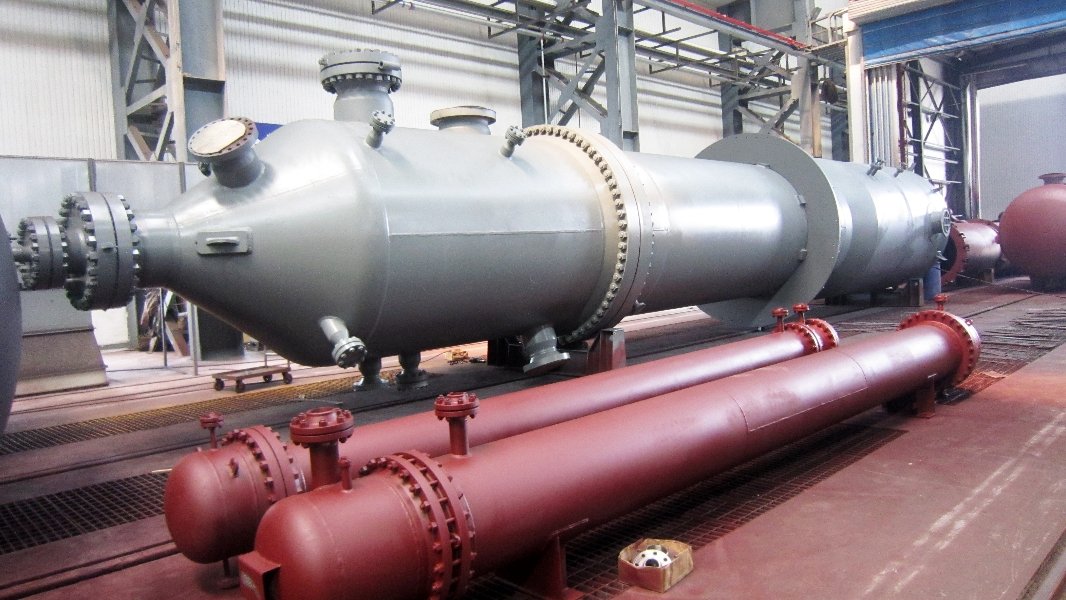
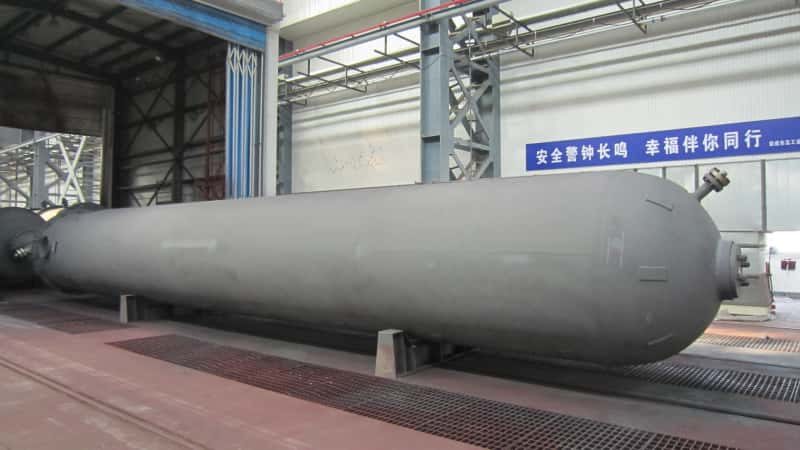
Representative fabrication workshop. Materials and protective systems should follow approved service conditions and inspection requirements.
Include Thermal Equipment Only Where the Process Requires It
Some treatment arrangements may need temperature adjustment or heat recovery, while others do not. The approved process design should establish whether thermal equipment is necessary and what it must achieve.
When shell and tube heat exchangers are included, provide both stream compositions, flow ranges, temperatures, pressures and utility conditions. Fouling and maintenance access should reflect the actual wastewater service.
Evaporation should not be added to an equipment list merely because the project handles industrial wastewater. Its suitability depends on treatment objectives, feed characteristics, utilities, residuals management and project economics. A public notice mentioning wastewater treatment does not establish a zero-liquid-discharge requirement.
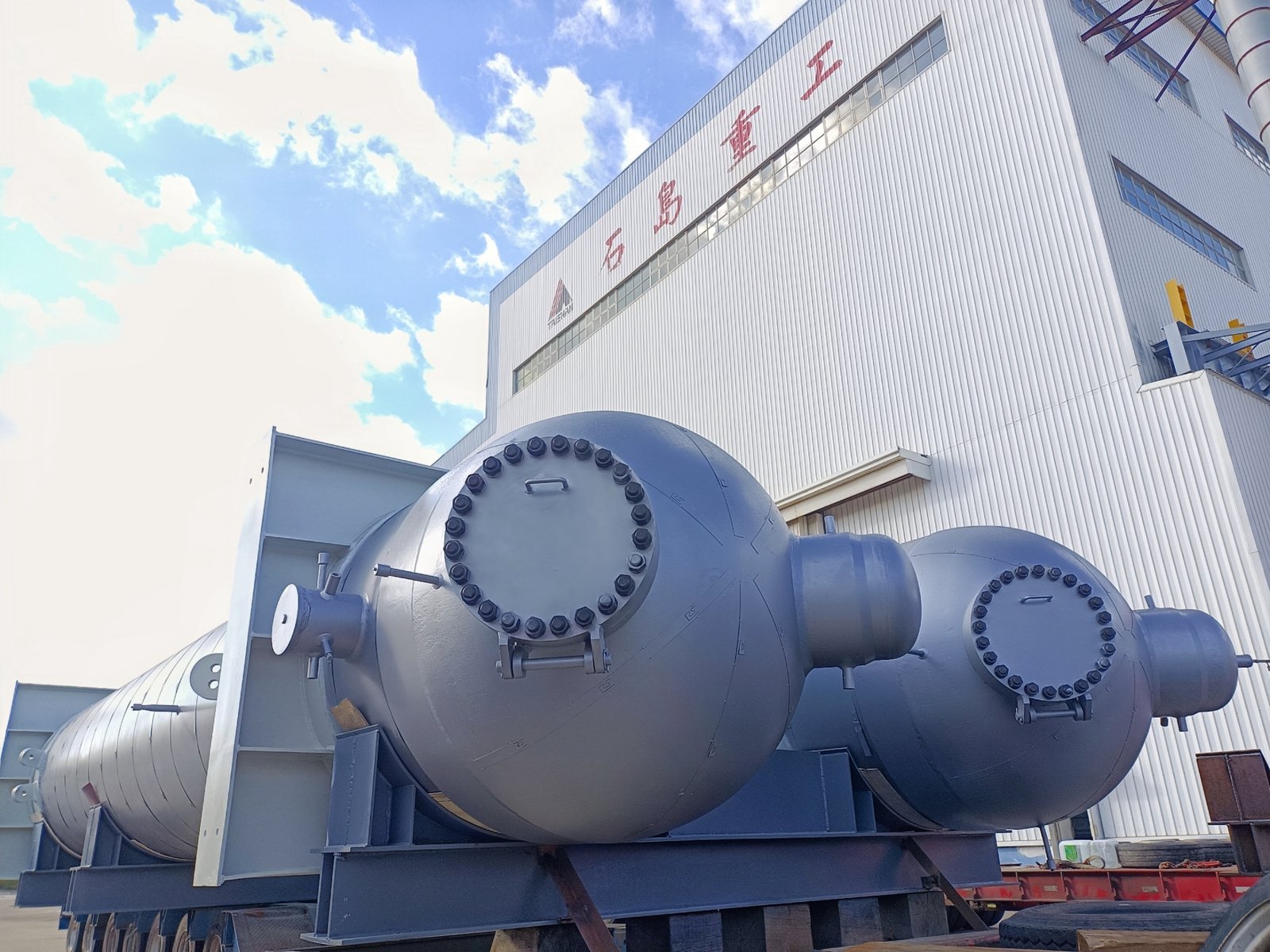
Representative thermal equipment. Inclusion in a wastewater project depends on a confirmed process duty.
Divide Equipment Supply From System Integration
The supply contract should identify which party owns process selection, equipment sizing, mechanical design, fabrication, installation and commissioning. Treat these as separate responsibilities even when one contractor coordinates the overall project.
Define the interfaces for connected piping, electrical systems, controls, foundations and utilities. A complete fabricated vessel does not necessarily include every service needed to operate the surrounding treatment system.
Performance guarantees also need a clear boundary. Mechanical acceptance of a tank or vessel is different from demonstrating final effluent quality. The treatment provider should have defined feed conditions, acceptance criteria and verification responsibilities for any process guarantee.
Agree on Manufacturing and Inspection Deliverables
Before production, establish the applicable construction requirements, material documentation, welding records, examination scope and testing. Requirements should match each item’s service; pressure-testing language should not be applied indiscriminately to atmospheric tanks.
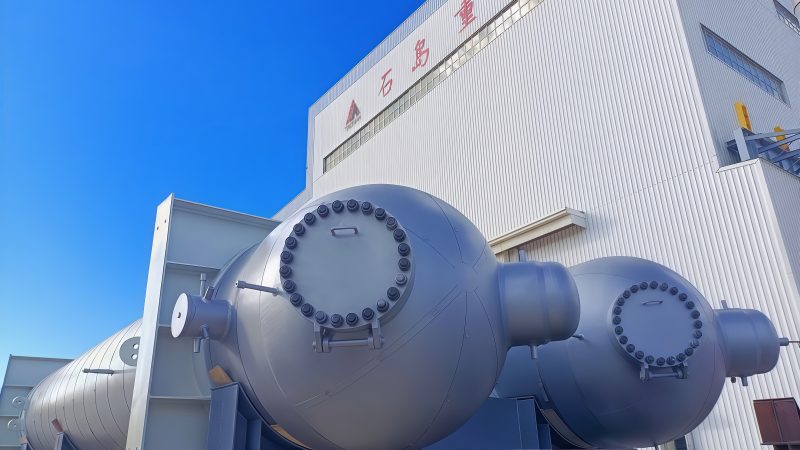
WSHI’s manufacturing activities include drawing development and engineering coordination, material procurement, welding, nondestructive examination, pressure testing where applicable, coating and heavy-equipment delivery. Buyers reviewing WSHI manufacturing capabilities should confirm the actual package and any project-specific qualifications.
Final records should remain traceable to the supplied equipment. Agree on document review points and the information required before shipment, installation and handover.
Coordinate Delivery With the Existing Power Plant
Retrofit projects may involve limited access, operating facilities and restricted installation windows. Confirm transport dimensions, unloading arrangements, temporary storage conditions and the division of lifting and erection responsibilities.
Foundation loads and connection information may be required well before delivery. The procurement schedule should therefore track engineering submissions as well as fabrication milestones.
Receiving-site readiness also matters. If equipment will be stored before installation, assign preservation and inspection duties rather than assume the manufacturer remains responsible indefinitely after handover.
FAQ
Can all power plant wastewater be treated in one system?
Not automatically. Compatibility, flow patterns and treatment requirements must be assessed before combining streams.
Does a wastewater project always need pressure vessels?
No. The actual operating conditions determine whether atmospheric tanks, pressure vessels or other equipment are appropriate.
Does supplying chemical storage tanks include treatment-process design?
Not unless the contract explicitly includes it. Chemical selection, consumption and process performance normally require separate engineering definition.
What should EPC buyers provide for an initial quotation?
Provide equipment duties, available analyses, operating and design conditions, materials requirements, capacity basis, inspection expectations and delivery boundaries. Mark unresolved inputs clearly.
Discuss Your Wastewater Equipment Supply Scope
Effective power plant wastewater equipment procurement begins with defined streams, approved duties and clear responsibilities. If your project requires complete process vessels, suitable heat exchangers or industrial storage tanks above 1,000 liters, contact our engineering team with the equipment datasheets and preliminary drawings. These inputs support a focused review of manufacturing feasibility, inspection requirements and delivery scope.