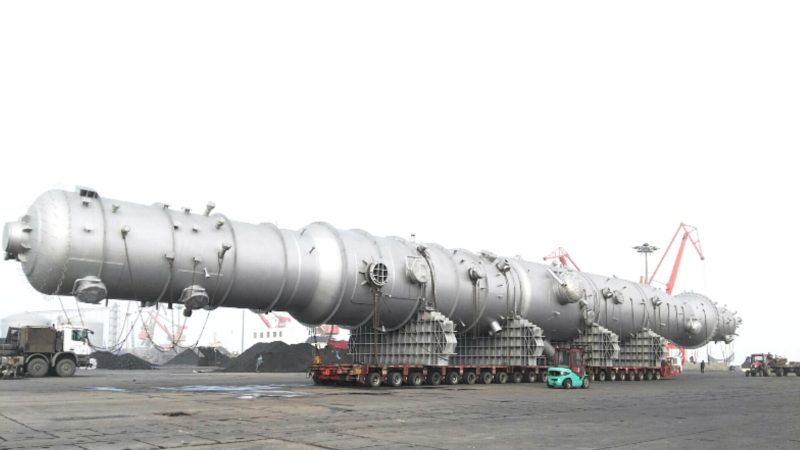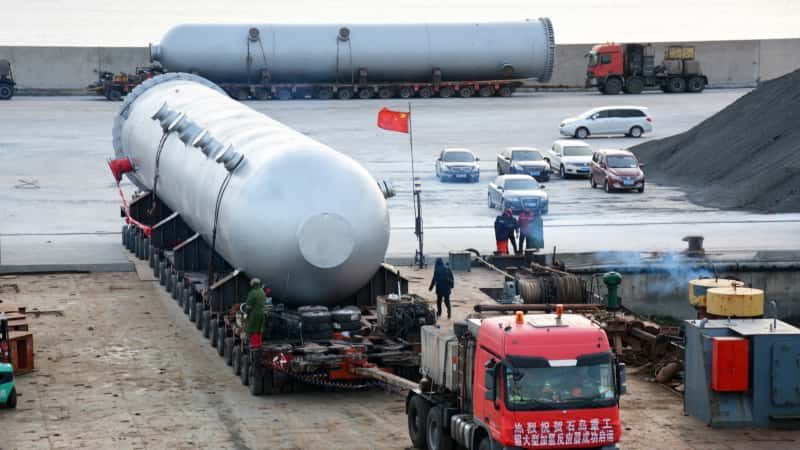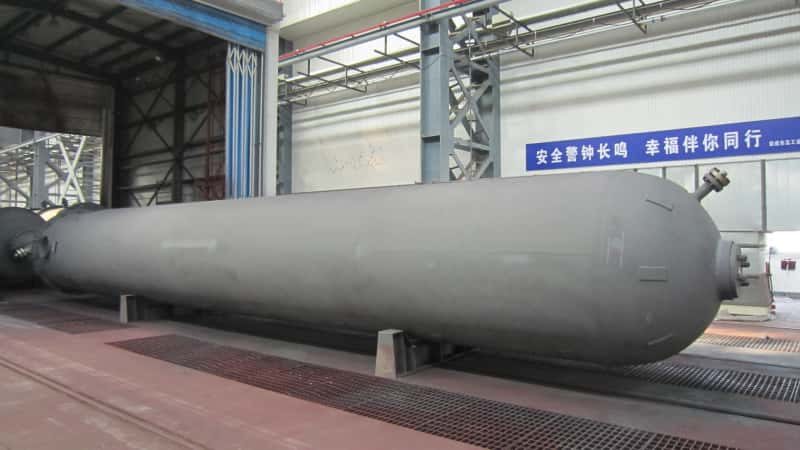

For EPC buyers procuring modular ammonia plant equipment, an important decision is how complete vessels and heat exchangers should arrive at the project site. Should equipment be integrated into a shop-assembled module, or delivered separately for installation by the project contractor?
The answer affects transportation, inspection access, fabrication sequencing and site responsibilities. Greater factory assembly may reduce certain field activities, but it can also increase shipping dimensions and create earlier dependencies on approved interface information. Buyers should compare both arrangements against the actual project constraints rather than assuming that more preassembly is always better.
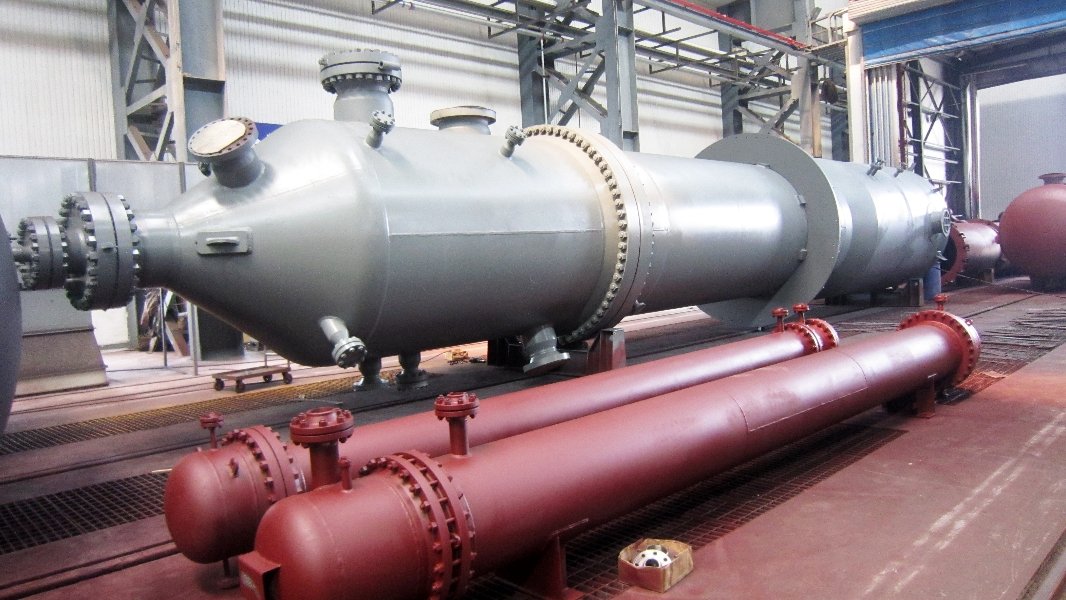
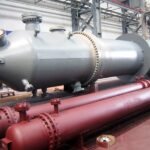
Representative manufacturing workshop. This image does not depict the ammonia project referenced below or demonstrate a specific module-assembly scope.
A Recent Modular Ammonia Project Provides the Context
BC Insight reported on October 7, 2026, that Casale had signed an agreement to supply a 100-tonne-per-day modular green ammonia plant for Neptun Glomfjord Green Ammonia in Norway. The agreement, announced on September 23, covers engineering, procurement and fabrication using Casale’s proprietary technology. See the industry project report.
The announcement provides context for modular delivery, not evidence of an open equipment tender. It also does not disclose every vessel, exchanger or transport arrangement. The following discussion is a general procurement framework and does not imply WSHI participation in that project.
Define What the Supplier Means by “Modular”
A modular project does not necessarily mean that every item arrives on a fully assembled skid. Delivery can involve several arrangements: individual complete vessels, partially assembled equipment groups, or integrated modules containing multiple equipment items and connecting systems.
The purchasing documents should define the physical limits of each shipment and identify what remains for site completion. A supplier’s use of “modular” is not a substitute for an equipment list, assembly drawing and responsibility schedule.
For custom pressure vessels, buyers should distinguish vessel manufacture from module integration. A fabricator may supply complete equipment to an integration yard without taking responsibility for the module’s structural design, piping, controls or overall process performance.
When Shop Assembly May Be Appropriate
Shop assembly may be useful where the transport route can accommodate the proposed module and the integration team has sufficiently developed design information. It can allow selected assembly, inspection and dimensional checks to take place before dispatch.
However, these benefits depend on the agreed scope. Buyers should ask which activities will actually be completed at the fabrication or integration yard, which tests will be performed, and which connections must be disconnected for transport.
Confirm That Interfaces Are Ready
Preassembly relies on approved equipment positions, connection locations, support arrangements and access requirements. Late changes can affect several items within the same module rather than one standalone vessel.
Establish a design-freeze schedule and a process for evaluating changes. If utility, piping or control interfaces remain unresolved, identify the consequences before authorizing assembly. Early procurement should not be confused with permission to fabricate against incomplete information.
When Separate Equipment Delivery May Be Preferable
Separate delivery can be appropriate where an assembled module would exceed route constraints, require difficult lifts or interfere with the planned construction sequence. Individual equipment shipments may also suit a project that uses a separate regional integration yard.
This approach transfers more coordination to the receiving contractor. The project needs a clear plan for equipment positioning, field connections, inspection and protection during construction. Separate delivery is therefore not automatically simpler; it changes where the integration work occurs.
For industrial heat exchangers, access for future inspection and maintenance should remain part of the arrangement review. A unit that fits within a module during construction must also be accessible during operation.
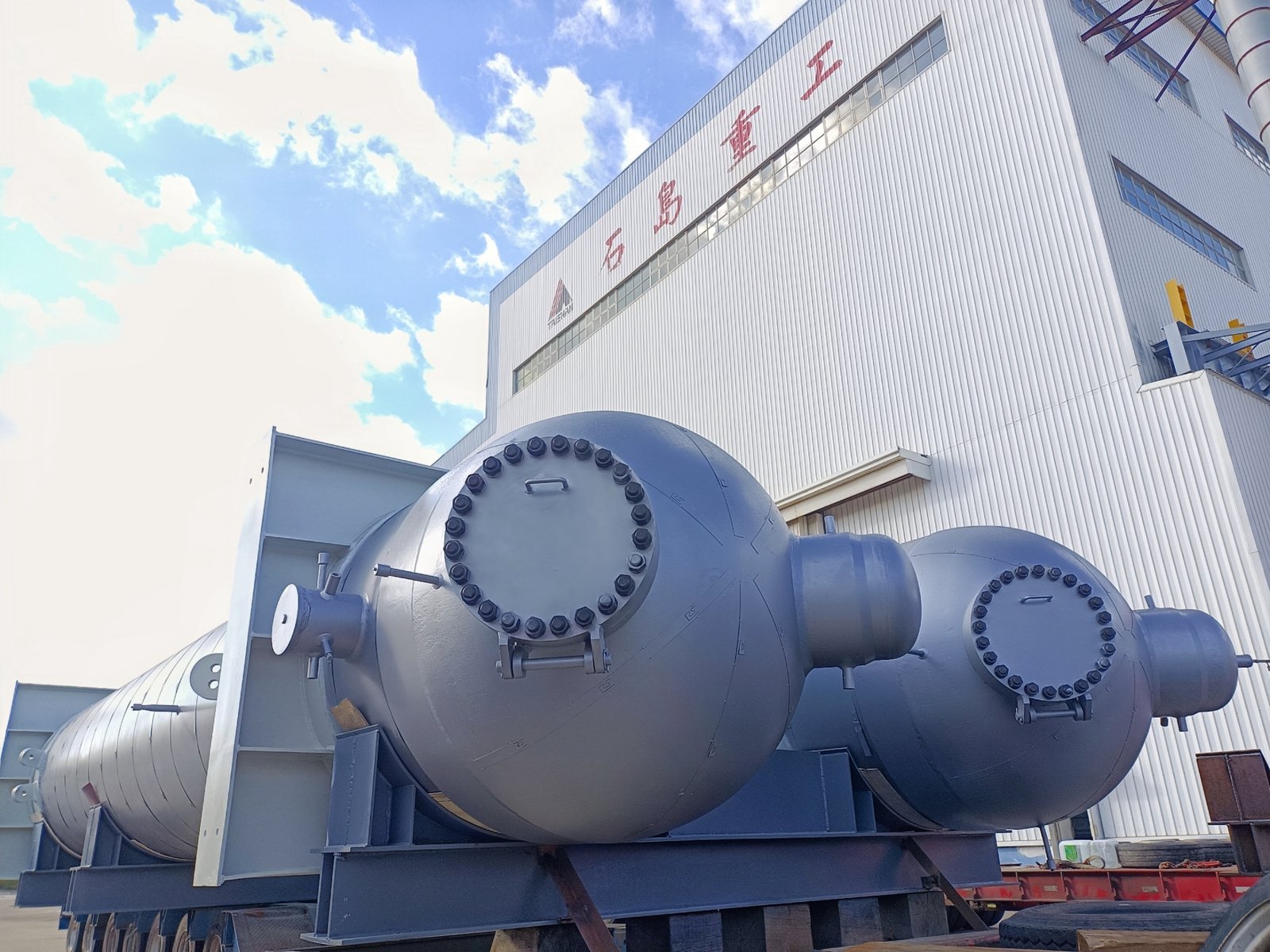
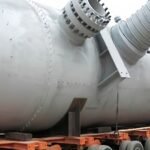
Representative heat-transfer equipment. Shipment configuration and maintenance access should be reviewed together.
Check the Transport Envelope Before Finalizing Assembly
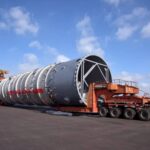
Compare shipping dimensions and weights for the complete module and the alternative individual shipments. Include transport framing, preservation and any temporary arrangements in the logistics review.
The route assessment should cover the actual journey: factory departure, inland transport, port handling where applicable, sea freight, destination transport and site access. A module that can be manufactured in the workshop may still be unsuitable for the available route.
Assign responsibility for transport engineering, lifting assessments and confirmation of handling information. Any dismantling needed for shipment should be reflected in the site completion scope. Avoid treating transport constraints as a logistics issue to resolve only after fabrication.
Distinguish Equipment Testing from Integrated Testing
Individual equipment inspection and module acceptance serve different purposes. A vessel’s fabrication records and applicable pressure test do not establish that an assembled process module is ready for operation.
The inspection plan should identify equipment-level checks, assembly checks and any integrated testing included in the contract. It should also explain what must be inspected or tested after shipment and site reconnection.
Inspection access matters during assembly. The integration sequence should not obstruct required examinations or leave documentation incomplete before equipment becomes difficult to access.
Where pressure equipment is involved, agree the applicable construction requirements and edition. The ASME Boiler and Pressure Vessel Code is one framework that may be specified. Its mention does not establish a supplier’s certification or resolve the project’s destination requirements.
Match Manufacturing Scope to the Approved Service
Ammonia projects contain different process and utility duties. Materials, design conditions and inspection requirements must follow each equipment item’s approved datasheet rather than a general description such as “green ammonia service.”
Buyers should confirm the manufacturer’s ability to meet the specified construction, welding, examination and documentation requirements. Specialized services require individual review; experience with a general process vessel does not demonstrate suitability for every ammonia-plant duty.
The contract should also distinguish mechanical fabrication responsibility from process technology and plant-performance guarantees. Procurement of complete vessels and exchangers does not imply procurement of a licensed ammonia synthesis process.
Compare Total Installed Scope and Schedule
Evaluate both delivery options using the same project boundary. Shop assembly may change factory work, transport requirements and site labor. Separate delivery may change field assembly needs, temporary storage and contractor coordination.
The comparison should include drawing approvals, material procurement, equipment completion, integration, inspection release, transport and site installation. A shorter site assembly period does not necessarily mean a shorter overall project schedule.
Buyers should identify who bears the cost and schedule consequences of late equipment, changed interfaces or shipment damage. These responsibilities belong in the contract, not in assumptions made by different parties.
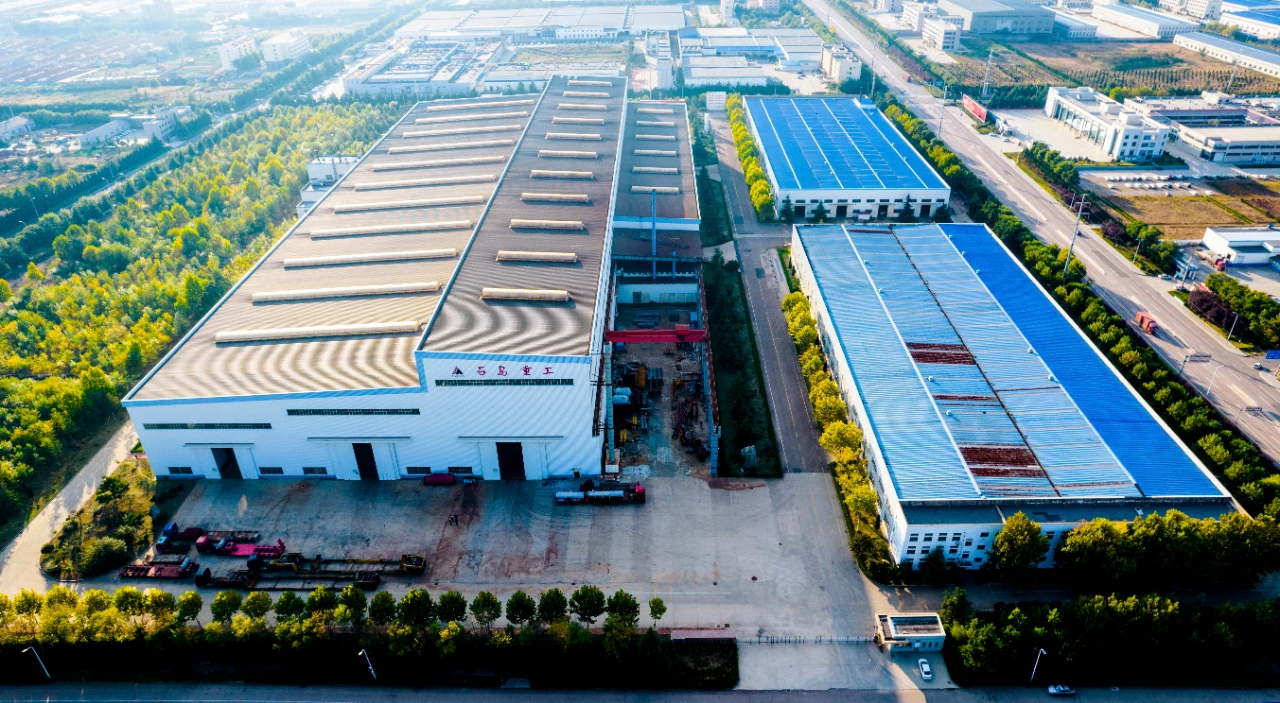
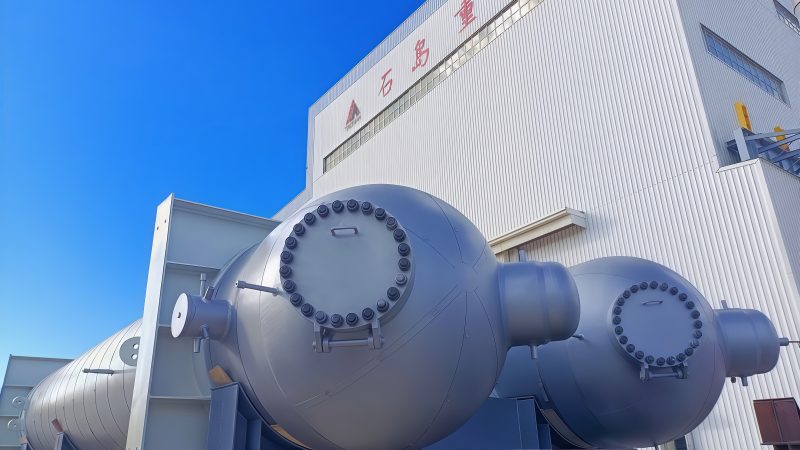
Representative workshop image. Manufacturing completion, integration readiness and shipment release are separate project milestones.
Prepare a Clear Equipment and Delivery Inquiry
An initial inquiry should contain the equipment list, available datasheets, proposed assembly arrangement, delivery location and required schedule. Include known transport limits and identify the organization responsible for module integration.
For buyers reviewing WSHI’s manufacturing capability, the discussion should focus on the requested vessel and exchanger scope, drawing coordination, inspection documentation and delivery responsibilities. Module integration or field services should be confirmed separately rather than assumed included.
FAQ
Is shop assembly always faster than site assembly?
No. It depends on design readiness, workshop capacity, equipment availability, transport and site conditions. Compare the complete schedule rather than only the field installation period.
Can complete vessels be delivered to another company’s module yard?
Yes, where the contractual arrangement supports it. Interface drawings, receiving requirements, inspection responsibilities and preservation instructions should be agreed with the integration team.
Does factory acceptance mean the module is ready to operate?
Not necessarily. Transport reconnections, site utilities, commissioning and other project-specific checks may remain. The contract should define what factory acceptance includes and what remains outstanding.
Can one supplier manufacture equipment without guaranteeing the ammonia process?
Yes. Mechanical design and fabrication can be contracted against approved process information. Process guarantees, technology licensing and integration responsibilities must be allocated explicitly.
Discuss the Right Delivery Scope
Modular ammonia plant equipment should be purchased with clear boundaries between manufacture, assembly, transport and site completion. The appropriate delivery arrangement is the one that fits the approved design and project constraints.
For complete custom vessels and heat exchangers, discuss your project requirements with our engineering team. Share the equipment list, preliminary arrangement and delivery requirements so the team can assess fabrication, documentation and the proposed shipment scope.