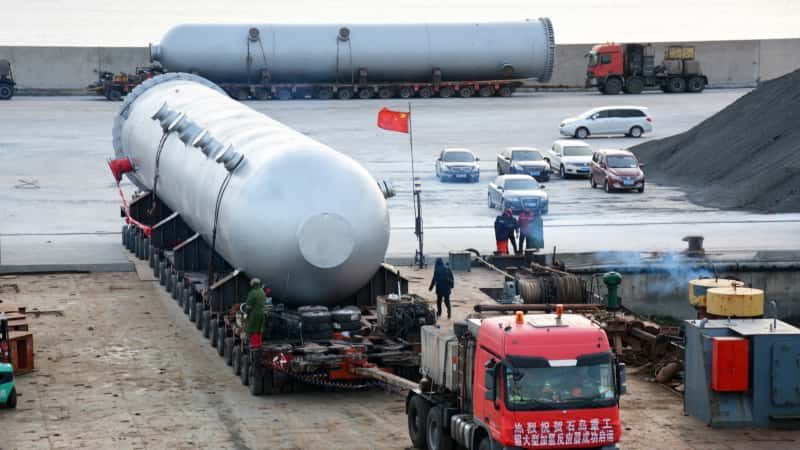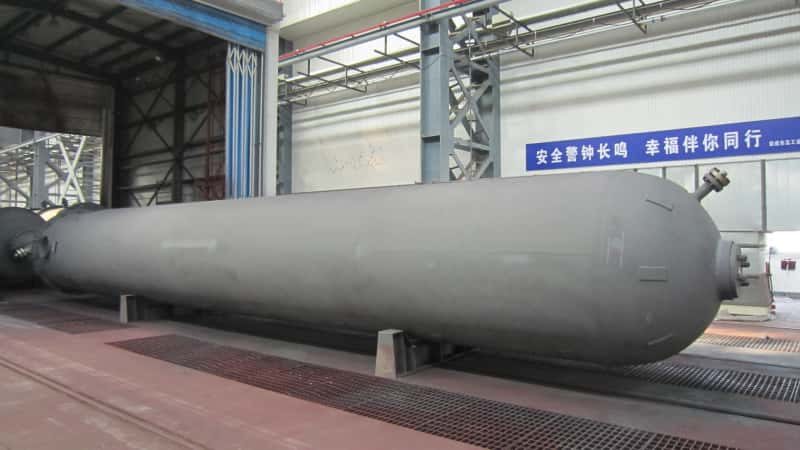

A maximum pressure, maximum temperature and vessel volume do not fully describe a batch process. Two vessels with identical headline specifications may experience very different operating histories: one stays near steady conditions, while the other repeatedly heats, cools, pressurizes and depressurizes.
When purchasing batch process vessels, buyers should describe how conditions change over time, how often those changes occur and which operating sequences the equipment must accommodate. This information helps the responsible designer establish an appropriate design basis and determine whether additional cyclic-service assessment is required.
This article concerns complete industrial process vessels, not individual components or instructions for operating a particular chemical process.
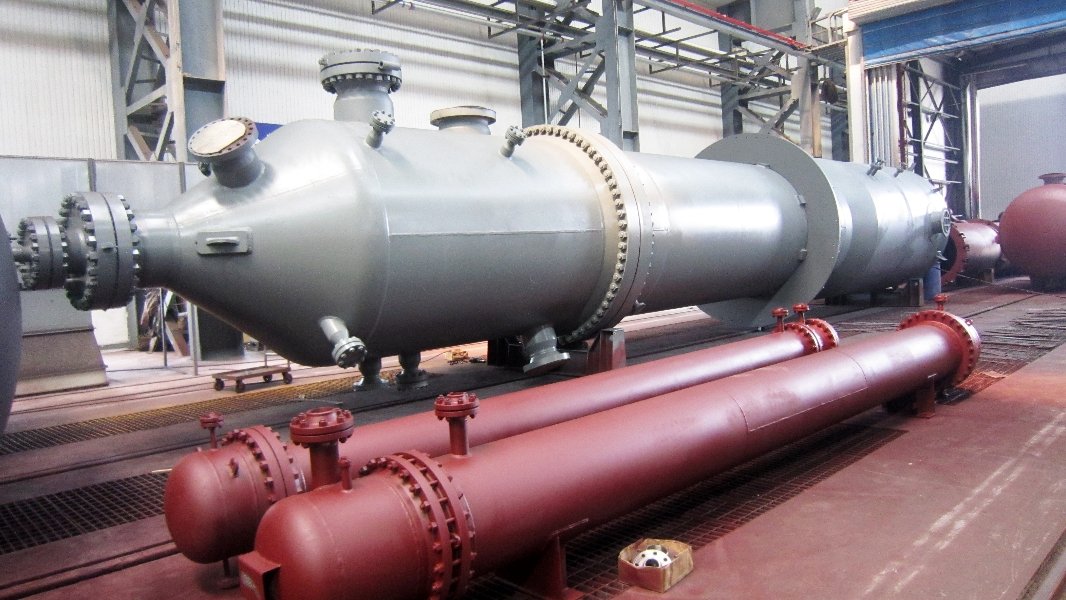
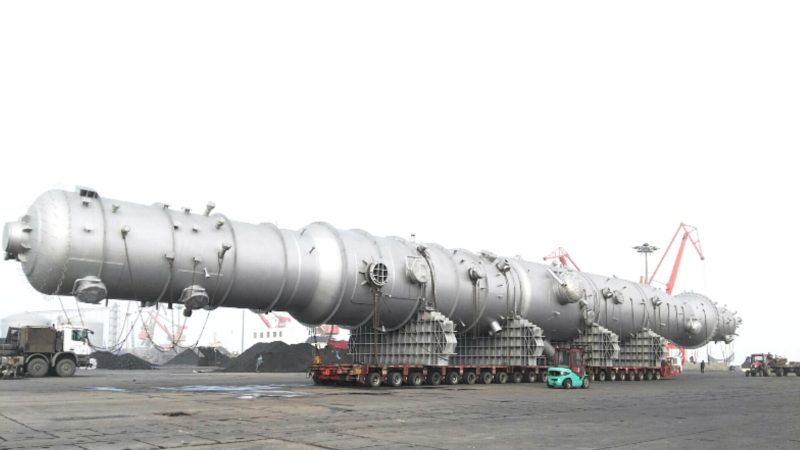
Representative manufacturing workshop. Cyclic-service requirements should be established before detailed design and fabrication.
Why Maximum Ratings Are Not Enough
Design pressure and temperature remain essential specifications, but they do not describe the complete loading history. A batch may include charging, heating, holding, cooling, discharge and cleaning, with different pressure and temperature conditions at each stage.
The sequence matters because pressure changes and temperature differences can produce changing stresses. Their significance depends on the actual design, materials, geometry and service environment.
The HSE’s guidance on pressure vessel design considerations identifies fatigue, thermal stresses and other loads as factors requiring consideration. This supports the need for a complete design basis; it does not provide a universal acceptable number of batch cycles.
For custom pressure vessels, the inquiry should therefore include an operating-cycle description alongside the conventional equipment datasheet.
Describe One Complete Batch from Start to Finish
Provide a time-based description of a representative batch. Identify the initial vessel condition, charging stages, changes in pressure and temperature, holding periods, discharge and preparation for the next batch.
For each stage, record the expected duration, process conditions and relevant fluid inventory. If different products use different recipes, identify the operating sequences that the designer must evaluate rather than submitting only the most frequently used recipe.
A simple stage-by-stage schedule is a useful starting point. Where available, process trends or design profiles provide better detail. Clearly distinguish measurements from an existing plant, process-design predictions and preliminary assumptions.
Keep Pressure and Temperature Profiles Synchronized
Provide pressure and temperature against the same time reference. Independent lists of maximum values can conceal whether the conditions occur simultaneously or during different stages.
State whether pressures are absolute or gauge values. Identify the locations represented by temperature measurements, such as the bulk process liquid or heating-medium supply. Avoid presenting one temperature as though it describes the entire vessel.
Specify Pressure Changes and Their Frequency
Describe normal pressurization and depressurization sequences, intermediate pressure holds and any repeated fluctuations within a batch. Include vacuum operation where it forms part of the approved process.
The designer needs more than the highest pressure reached. Provide the starting and ending conditions, timing and expected frequency of each relevant event.
Do Not Assume One Batch Equals One Design Cycle
A production batch can contain several pressure or thermal changes. Conversely, different events may need to be grouped or evaluated using the applicable assessment method.
The owner should provide the operating history or planned sequence. The responsible engineer should determine how that information is translated into design cycles and assessment inputs. Buyers should not reduce a complex operating profile to one cycle per batch without engineering agreement.
Provide Heating and Cooling Information
Specify the process-temperature profile, heating and cooling media, available supply conditions and expected transition times. Identify any planned changes between heating and cooling services.
For jacketed equipment, the process side and jacket can experience different conditions. Their pressures and temperatures should be provided separately, including relevant combinations during transitions.
Bulk liquid temperature does not directly establish the temperature distribution through the vessel wall. The designer may require additional information about heat transfer, fluid contact and operating sequence to assess thermal effects.
Include Charging and Partial-Fill Conditions
If material is introduced at a temperature different from the vessel contents, provide the charging sequence, inlet conditions and relevant flow information. Identify partial-fill stages and whether different parts of the equipment experience different exposures.
Do not specify a generic “safe heating rate” based only on the vessel material or capacity. Acceptable operating limits must follow the actual equipment design and engineering assessment.
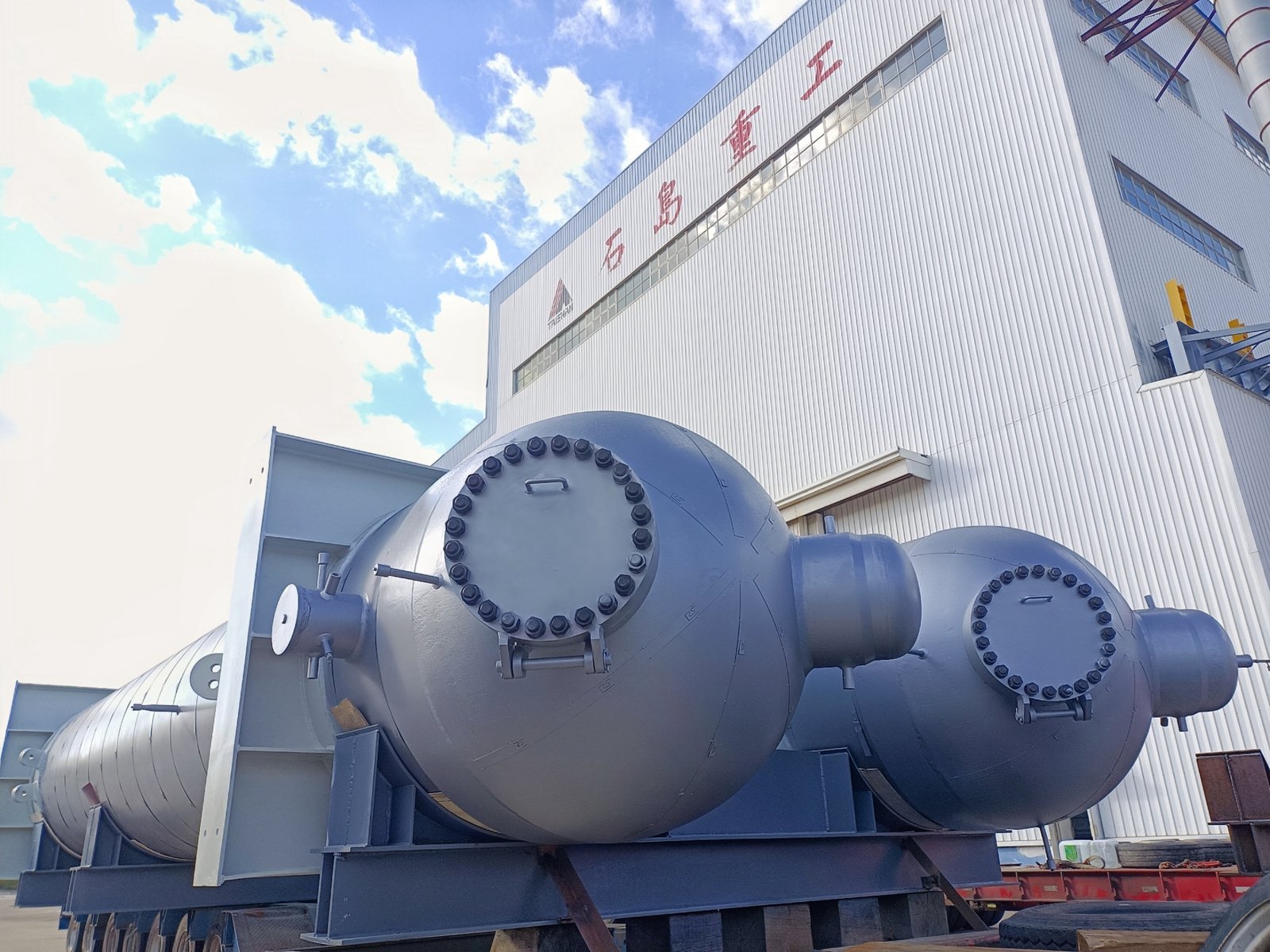
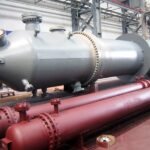
Representative heat-transfer equipment. External heating or cooling interfaces should be coordinated with the vessel’s approved operating profile.
Where external industrial heat exchangers form part of the batch system, their operating assumptions should be consistent with the vessel specification. The equipment packages should not be designed around conflicting heating or cooling schedules.
State Expected Production Frequency and Design Service Period
Provide the planned number of batches per day or campaign, operating days per year and intended design service period. Include foreseeable production increases where they are part of the project basis.
List different event categories separately: routine production batches, campaign changes, full shutdowns, cleaning cycles and other identified operating sequences. State how frequently each is expected to occur.
These figures are design inputs, not a guaranteed calendar life. Actual equipment condition also depends on operation, environment, maintenance and inspection. Any commitment concerning assessed cyclic duty should identify its assumptions and limits explicitly.
If the future production plan is uncertain, document the range and agree how it will be treated. An unexplained contingency percentage is less useful than a clear description of the additional operating scenarios being considered.
Include Cleaning, Startup and Credible Abnormal Conditions
Cleaning may expose the vessel to different chemicals, temperatures or pressures from normal production. Provide the proposed cleaning sequence and relevant conditions so both material compatibility and loading can be reviewed.
Startup after a prolonged shutdown may differ from the transition between consecutive batches. Describe these separately where appropriate.
Credible abnormal conditions should be supplied through the project’s process-safety review. The vessel designer needs relevant approved inputs, but the equipment inquiry should not attempt to replace the wider hazard assessment. In particular, potential reaction hazards cannot be addressed merely by adding an arbitrary margin to design pressure.
Allocate Cyclic-Service Assessment Responsibilities
The owner or process designer should supply the operating requirements. The contract should identify who converts those requirements into mechanical design cases, performs any required fatigue screening or analysis, and approves the results.
Agree the applicable construction code, edition and purchaser specifications. The ASME Boiler and Pressure Vessel Code is one framework that may be specified; the project must identify the applicable requirements rather than relying on a general reference to ASME.
Do not assume that every batch vessel needs the same assessment method. Equally, do not assume cyclic service can be ignored because operating pressure remains below a specified limit. The required evaluation depends on the governing rules and actual duty.
Connect the Design Basis to Manufacturing and Handover
Once the operating basis is approved, the fabrication documents and inspection plan should reflect the resulting requirements. Agree material traceability, welding documentation, applicable heat treatment, examinations, dimensional checks and testing.
A pressure test is not proof of unlimited cyclic life. Manufacturing acceptance and assessment of the intended operating duty answer different questions.
When discussing WSHI’s manufacturing capability, identify the project-specific fabrication scope and engineering responsibilities. Specialized analysis, process guarantees and commissioning services should be confirmed separately rather than assumed included.
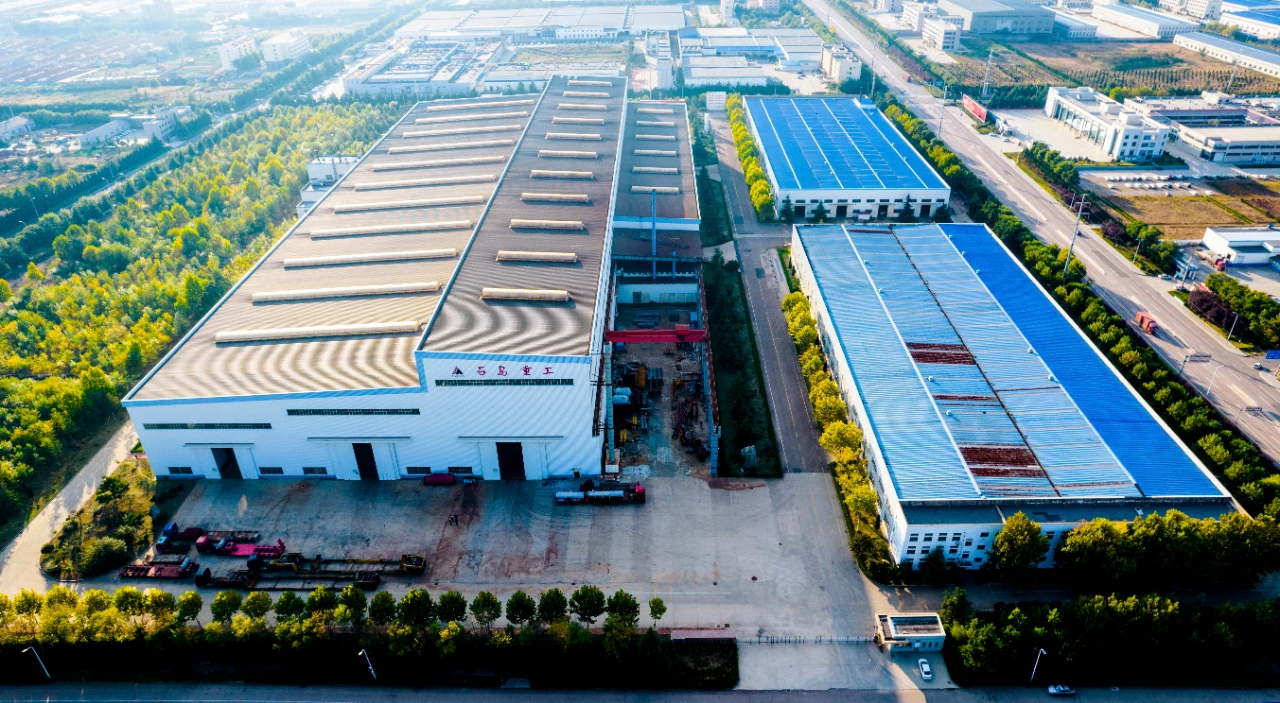
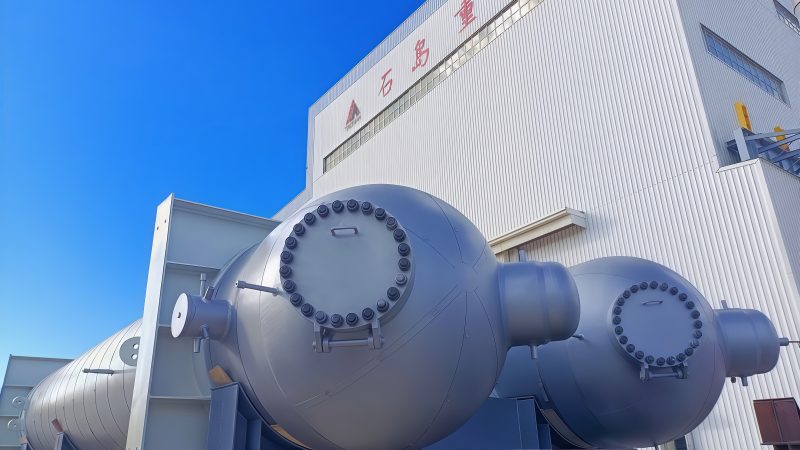
Representative workshop image. Approved design assumptions and inspection records should remain traceable through fabrication and delivery.
The handover package should identify relevant approved operating limits and the document revisions supporting them. Delivery planning should also cover preservation, transport and installation interfaces, particularly where external systems affect the final operating arrangement.
FAQ
Is the maximum pressure and temperature enough for a quotation?
It may support a preliminary estimate, but it is insufficient to fully define cyclic service. Provide operating sequences, timing, event frequencies and relevant heating, cooling and cleaning conditions before design approval.
Does every batch vessel require detailed fatigue analysis?
Not necessarily. The responsible designer should determine the required evaluation under the applicable code and project requirements. Buyers should provide complete operating data rather than decide the assessment method themselves.
Can a successful pressure test confirm the vessel’s expected cycle life?
No. A pressure test does not reproduce the complete lifetime loading history. Cyclic-duty assessment and manufacturing acceptance have different purposes.
What happens if production frequency increases after delivery?
The change should be reviewed against the approved design basis before implementation. Increased frequency or changed temperature and pressure profiles may require further engineering evaluation.
Prepare an Operating Profile, Not Just a Rating
Effective procurement of batch process vessels begins with a clear account of how the equipment will be used. Time-based pressure and temperature profiles, event frequencies and defined responsibilities give the design team a stronger basis than isolated maximum values.
For complete custom batch process vessels, contact our engineering team with your equipment datasheet, operating sequence, expected production frequency and available drawings. These inputs support a focused review of design coordination, manufacturing requirements, documentation and delivery scope.