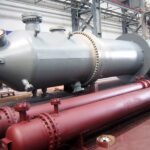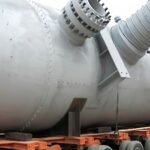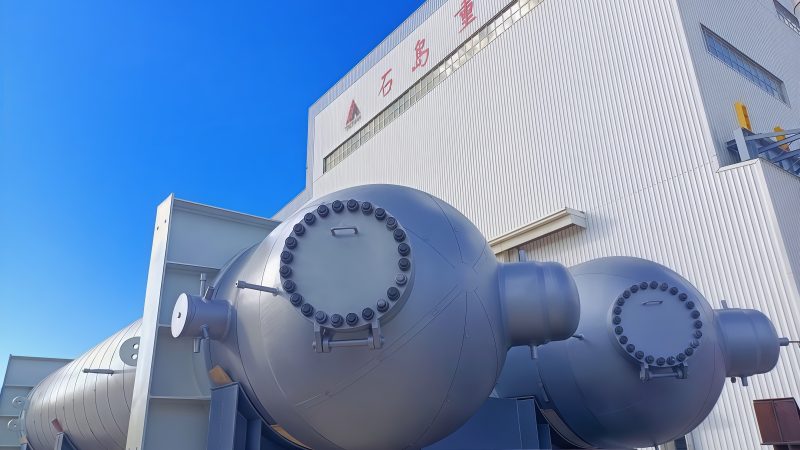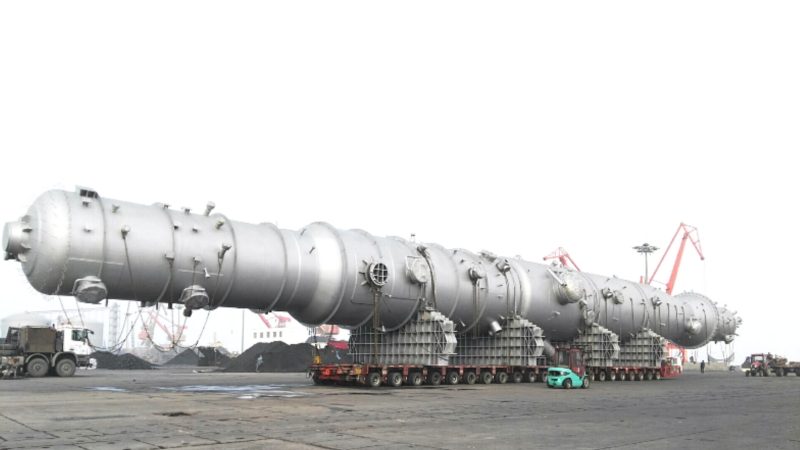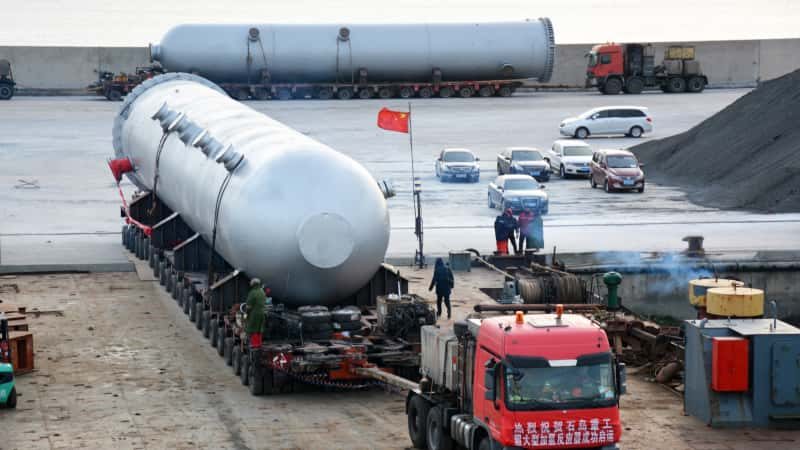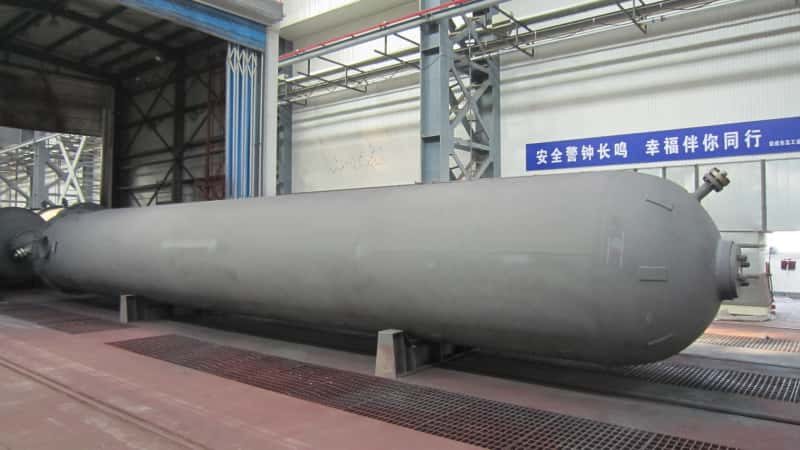

Ammonia storage and loading equipment is a critical part of fertilizer, chemical, and industrial ammonia supply projects. For EPC buyers, the procurement scope is not limited to one tank. A complete project may involve large ammonia storage vessels, pressure vessels, loading and unloading interfaces, heat exchangers, vapor handling vessels, utility equipment, coating or insulation requirements, inspection documents, and heavy equipment delivery.
Because ammonia is a hazardous chemical, equipment selection should be based on project conditions, applicable standards, owner specifications, and local regulatory requirements. For WSHI’s manufacturing scope, this article focuses on complete project equipment: large storage vessels, pressure vessels, heat exchangers, and fabricated equipment packages, not standalone small loading accessories.
Recent market activity shows why ammonia storage and logistics remain relevant. In July 2026, Yara announced an agreement to acquire Gulf Coast Ammonia’s production facility in Texas City, Texas. The announcement noted that the acquisition includes an ammonia synthesis loop, related ammonia storage, and exclusive use of loading infrastructure. For fertilizer supply chains, this highlights the importance of reliable ammonia production, storage, logistics, and loading capability.
Ammonia storage and loading equipment can be selected as a simple tank purchase.False
Ammonia projects require review of phase, pressure, temperature, loading interfaces, vapor handling, materials, safety systems, inspection, documentation, and delivery boundary.
Small loading accessories should be discussed only as part of a complete ammonia equipment package.True
WSHI's procurement focus is complete tanks, pressure vessels, heat exchangers, and fabricated equipment packages; nozzles, instruments, valves, and accessories should remain within the complete system interface.
Why Ammonia Storage and Loading Equipment Is a Current Project Topic
Fertilizer and ammonia projects need complete equipment planning around storage, pressure containment, loading interfaces, inspection, and delivery. These projects can involve fertilizer and chemical pressure vessels, custom pressure vessels, industrial heat exchangers, and large industrial storage tanks.
OSHA’s 1910.111 standard for storage and handling of anhydrous ammonia includes requirements related to anhydrous ammonia systems, containers, refrigerated ammonia storage systems, marking, location, and handling. OSHA’s ammonia receiving and storage eTool also discusses loading and unloading hazards and controls. These references are useful background, but final compliance should be confirmed by the owner, EPC contractor, safety authority, and current local regulations.
What Equipment Is Used in Ammonia Storage and Loading Projects?
Large Ammonia Storage Vessels and Tanks
Ammonia may be stored under different conditions depending on the project design, including pressurized, refrigerated, or other project-specific storage approaches. The correct storage type depends on ammonia phase, temperature, pressure, capacity, site layout, safety philosophy, and applicable regulations.
For WSHI’s positioning, storage topics should stay focused on industrial project-scale equipment above 1,000 liters. EPC buyers should define medium, operating pressure, design pressure, operating temperature, design temperature, filling conditions, material requirements, foundation interface, coating or insulation requirements, and delivery boundary before requesting a quotation.
Buyers can review industrial storage tanks and liquefied gas storage tanks when planning large ammonia or liquefied gas storage requirements.
Ammonia Process Vessels
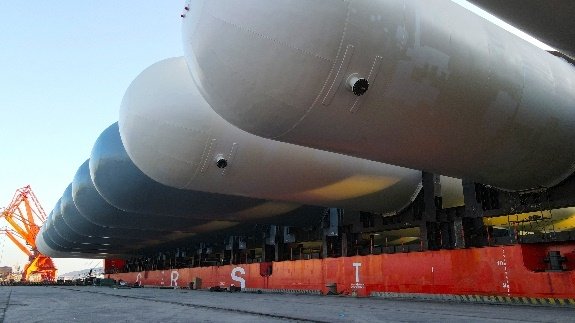
Fertilizer and ammonia supply projects may also require buffer vessels, knock-out vessels, flash drums, condensate vessels, drain vessels, and other process pressure equipment. These should be specified as complete engineered vessels, not as small accessories.
The RFQ should clarify pressure, temperature, ammonia phase, water content if relevant, service conditions, corrosion considerations, material requirements, nozzle orientation, inspection scope, pressure testing, and documentation.
Heat Exchangers and Thermal Equipment
Heat exchangers may be used in ammonia production, refrigeration, vapor handling, condensation, heating, cooling, or utility systems. For shell and tube heat exchangers, buyers should define heat duty, ammonia-side conditions, utility-side conditions, design pressure, design temperature, allowable pressure drop, materials, fouling assumptions, and inspection requirements.
Loading and Unloading Interfaces
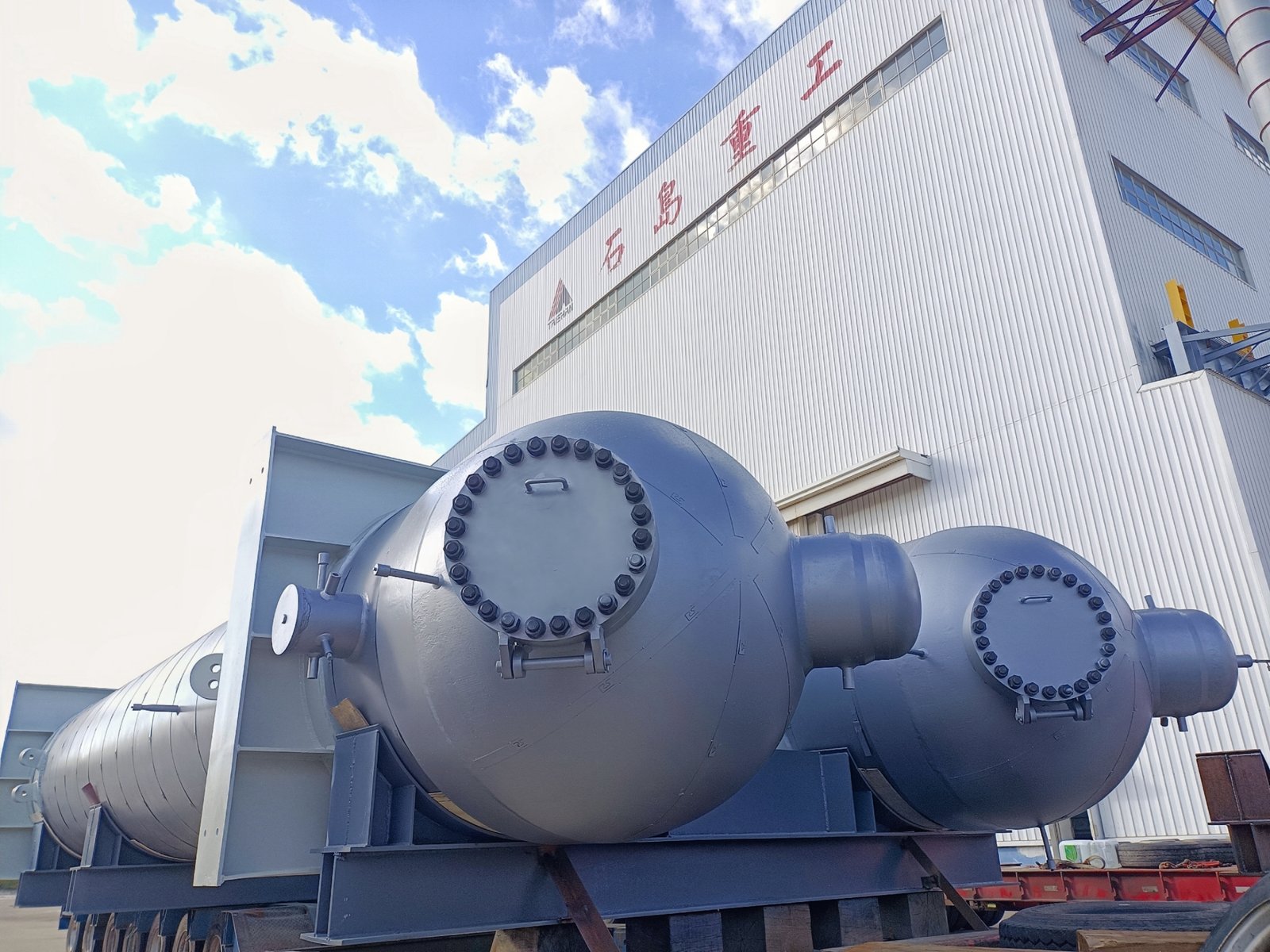
Ammonia loading infrastructure may include storage connections, transfer systems, vapor return interfaces, loading arms, rail or truck loading boundaries, marine interfaces, metering, and safety systems. WSHI should not be positioned as a small accessory supplier. Instead, fabricated tanks, pressure vessels, heat exchangers, and complete equipment packages should be designed around the loading boundary specified by the EPC contractor.
Nozzles, supports, instruments, valves, and accessories should be discussed only as part of the complete vessel or system interface.
Equipment Package Checklist for EPC Buyers
| Equipment Area | Typical Complete Equipment | Buyer Review Point |
|---|---|---|
| Storage | Large ammonia storage vessels, refrigerated or pressurized storage equipment where applicable | Phase, capacity above 1,000 liters, pressure, temperature, filling condition, insulation or coating |
| Pressure equipment | Buffer vessels, flash drums, knock-out vessels, drain vessels, process pressure vessels | Medium, design pressure, materials, nozzles, NDE, pressure testing, documentation |
| Thermal systems | Heat exchangers, coolers, condensers, utility exchangers | Heat duty, ammonia-side conditions, utility-side conditions, pressure drop, inspection |
| Loading interfaces | Fabricated equipment tied to loading/unloading boundaries and vapor handling interfaces | Nozzle orientation, transfer boundary, vapor return, drainage, site layout, safety systems |
| Delivery and QA | Coated or insulated equipment, final data books, export packing, heavy transport | Inspection hold points, certificates, pressure test records, packing, route limits, delivery terms |
Key Selection Factors for EPC Buyers
Ammonia Phase, Pressure, and Temperature
Ammonia can be handled as gas or liquid depending on storage and process conditions. EPC buyers should provide normal and design pressure, normal and design temperature, minimum temperature, filling density or filling condition where applicable, operating cycle, and startup or shutdown cases.
OSHA’s ammonia receiving and storage eTool notes that ammonia may be delivered by rail car, tank car, or cylinder, and that pumps, compressors, or differential pressure may be used to transfer ammonia to storage vessels or other parts of a system. For EPC buyers, this reinforces the need to define the loading and unloading boundary early.
Material Selection and Compatibility
Material selection should consider ammonia service, pressure, temperature, low-temperature conditions if applicable, stress corrosion concerns, water content, fabrication method, welding requirements, and owner specifications. Final material decisions should be made through project engineering review and applicable standards.
Inspection, Testing, and Documentation
Ammonia storage and pressure equipment may require strict inspection and documentation. Buyers should define material certificates, welding documents, NDE scope, pressure testing, third-party inspection, coating or insulation inspection, as-built drawings, nameplate requirements, and final data book format.
For general pressure vessel background, OSHA provides a pressure vessel standards reference. In some projects, ASME BPVC Section VIII or other standards may be relevant, but the applicable code depends on jurisdiction, owner specification, and project requirements.
Safety and Site Layout
Ammonia is hazardous and requires careful safety planning. Storage location, ventilation, emergency access, water spray or mitigation systems where required, separation distances, relief philosophy, leak detection, and loading area controls should be defined by the project owner, EPC contractor, and qualified safety professionals.
Equipment manufacturers can support vessel fabrication, documentation, and delivery, but should not replace process safety or regulatory engineering decisions.
Manufacturing and Quality Control Considerations
Ammonia equipment manufacturing should be planned with traceability and inspection from the beginning. A practical quality plan may include drawing review, material procurement, material traceability, welding procedure qualification, welder qualification, dimensional inspection, nondestructive examination, pressure testing, surface treatment, preservation, packing, and final documentation.
As a large-scale pressure vessel manufacturer, WSHI supports project-based manufacturing for ammonia, fertilizer, chemical, petrochemical, oil and gas, and new energy applications. EPC teams can also download the pressure vessel catalog when preparing early-stage equipment lists.
Common Procurement Mistakes
One common mistake is treating ammonia storage as a simple tank purchase. Ammonia service requires careful review of pressure, temperature, phase behavior, materials, safety systems, inspection, and site layout.
Another mistake is separating storage and loading boundaries too late. Storage vessels, loading interfaces, vapor return, transfer equipment, relief systems, and site piping must be coordinated before fabrication.
A third mistake is comparing quotations without equal inspection and documentation scope. One quotation may include NDE, pressure testing, coating, packing, and data book preparation, while another may exclude major items.
What Should Buyers Prepare Before RFQ?
| RFQ Item | Information to Provide |
|---|---|
| Process basis | Process datasheets, storage method, ammonia phase and composition, loading/unloading boundary |
| Design conditions | Operating/design pressure, operating/design temperature, minimum temperature, filling condition |
| Storage requirement | Storage capacity above 1,000 liters, foundation interface, insulation, coating, site layout |
| Mechanical requirements | Material requirements, drawings or sketches, nozzle orientation, supports, vapor handling interfaces |
| Quality requirements | Applicable standards, NDE, pressure test, third-party inspection, coating or insulation inspection |
| Delivery scope | Destination, delivery terms, packing, preservation, transport limits, documentation expectations |
FAQ
What equipment is used in ammonia storage and loading projects?
Typical equipment may include large ammonia storage vessels, pressure vessels, buffer vessels, heat exchangers, condensate or drain vessels, loading interfaces, vapor handling interfaces, and related project equipment.
Are ammonia storage tanks pressure vessels?
Some ammonia storage equipment may be pressure vessels, while some refrigerated or low-pressure systems may follow different design rules. The correct classification depends on pressure, temperature, storage method, and applicable standards.
What should EPC buyers provide before ordering ammonia storage equipment?
Buyers should provide ammonia phase, storage capacity, pressure, temperature, material requirements, drawings, applicable standards, inspection scope, pressure test requirements, loading interface data, and delivery terms.
Why is human engineering review important for ammonia equipment?
Ammonia is hazardous, and equipment selection involves pressure safety, toxic exposure, materials, relief systems, storage layout, and regulatory requirements. Final decisions should be based on project-specific engineering and current standards.
Can small loading accessories be purchased separately?
This article focuses on complete equipment procurement. Small accessories should only be discussed as part of the complete vessel, storage tank, loading system interface, or project equipment package.
Conclusion
Ammonia storage and loading equipment for fertilizer supply projects should be planned as a complete equipment boundary. Large storage vessels, pressure vessels, heat exchangers, loading interfaces, inspection requirements, documentation, coating or insulation, and delivery planning all affect project reliability and safety.
If you are preparing an ammonia, fertilizer, chemical, hydrogen carrier, or industrial gas supply project, you can discuss your project requirements with WSHI. Sharing datasheets, drawings, ammonia storage conditions, loading requirements, material requirements, inspection scope, and delivery terms will help support feasibility review for custom pressure vessels, ammonia storage equipment, heat exchangers, and large industrial storage tanks.