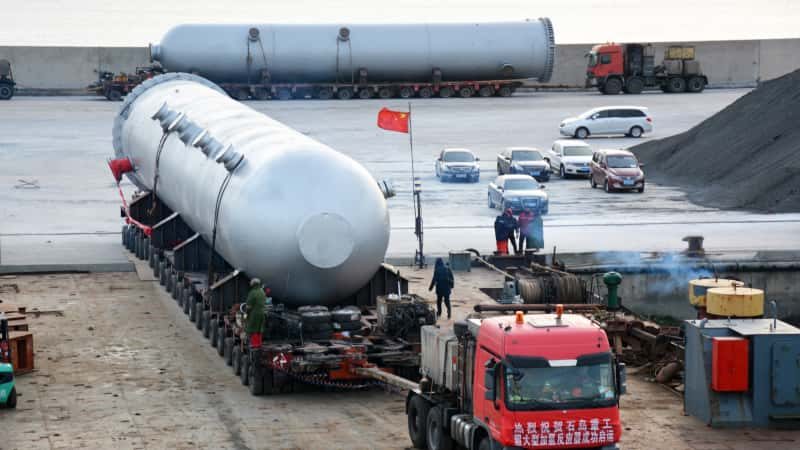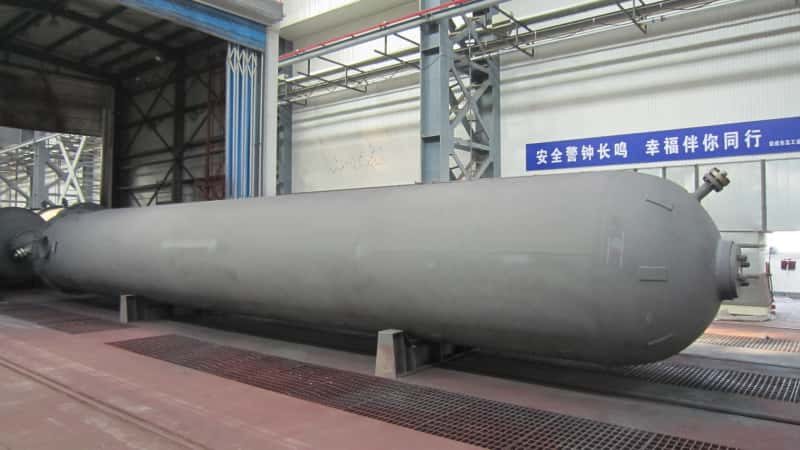

Ammonia is gaining attention as a hydrogen carrier because it can use parts of existing industrial and port infrastructure while supporting long-distance energy transport. Recent ammonia-to-hydrogen cracking technology news, including a Hoegh Evi and Nord Gas Solutions announcement, shows growing interest in ammonia terminals, reconversion systems and port-based hydrogen supply chains. For EPC buyers, these projects require careful review of liquid ammonia storage, pressure vessels, heat exchangers, buffer vessels, separators and gas handling equipment.
This article explains what equipment should be reviewed for ammonia-to-hydrogen terminal projects. It focuses on complete pressure equipment and large industrial storage systems, not small tanks, accessories or standalone components.
Why Ammonia-to-Hydrogen Terminals Need Complete Equipment Review
An ammonia-to-hydrogen terminal may receive liquid ammonia, store it, condition it, vaporize or feed it to cracking units, separate hydrogen-rich gas, and handle residual or process streams depending on the selected technology. The exact process depends on project design, licensor requirements, safety philosophy and local regulations.
For EPC procurement, the key issue is not only “What is the cracking technology?” Buyers also need to confirm whether the surrounding pressure equipment can be fabricated, inspected, transported and installed according to project requirements.
Equipment review may include:
- Liquid ammonia storage vessels
- Buffer vessels and surge drums
- Feed conditioning vessels
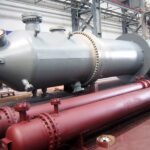
- Heat exchangers and vaporizers
- Process separators
- Hydrogen-rich gas handling vessels
- Condensate or process liquid holding tanks above 1,000 liters
- Custom pressure vessels for terminal support systems
Buyers can review custom pressure vessels and pressure vessels for new energy when preparing early-stage terminal RFQs.
Main Equipment in Ammonia-to-Hydrogen Terminal Projects
Liquid Ammonia Storage Tanks
Liquid ammonia storage is a central part of many hydrogen carrier projects. Storage equipment may involve pressure vessels, refrigerated or pressurized systems, or project-specific configurations depending on capacity, operating pressure, temperature, site layout and local requirements.
When sourcing industrial storage tanks, buyers should define medium purity, water content, operating pressure, design pressure, operating temperature, design temperature, tank capacity, filling ratio, material requirements, corrosion allowance and inspection scope. This article is focused on industrial-scale tanks above 1,000 liters.
Ammonia storage involves specific pressure equipment, material and safety considerations. Final design and compliance should always follow the latest applicable project standards and local regulatory requirements.
Ammonia Feed and Buffer Vessels
Before ammonia enters a cracking or conversion unit, the process may require feed buffering, pressure stabilization, phase control or conditioning. Buffer vessels and surge drums help manage flow changes and protect downstream equipment.
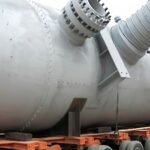
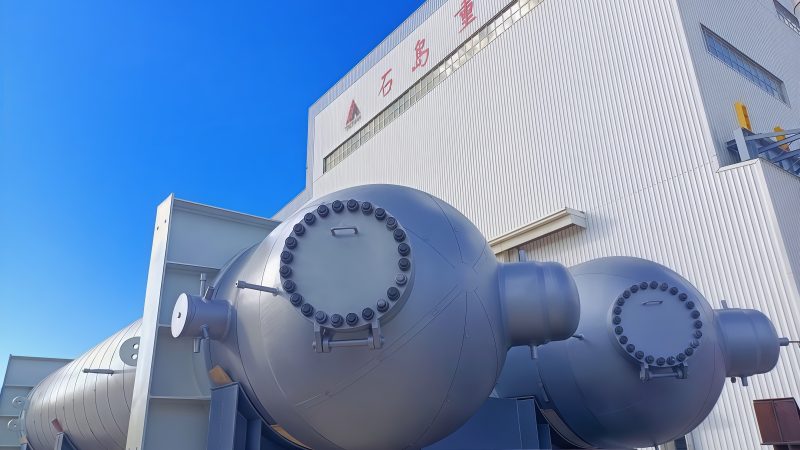
These vessels should be reviewed as complete pressure equipment, including shell, heads, supports, nozzles, lifting points, inspection openings, pressure testing and documentation. Small interface items should remain within the complete vessel procurement scope.
Heat Exchangers and Vaporizers
Ammonia-to-hydrogen systems often require heat exchange for vaporization, feed heating, process temperature control, gas cooling or heat recovery. When sourcing from a heat exchanger manufacturer, EPC buyers should provide heat duty, ammonia flow, gas composition, inlet and outlet temperatures, pressure drop limits, material requirements and cleaning expectations.
For terminal projects, heat exchanger layout should also consider maintenance access, isolation philosophy, lifting route and integration with the cracking package.
Separators and Hydrogen Gas Handling Vessels
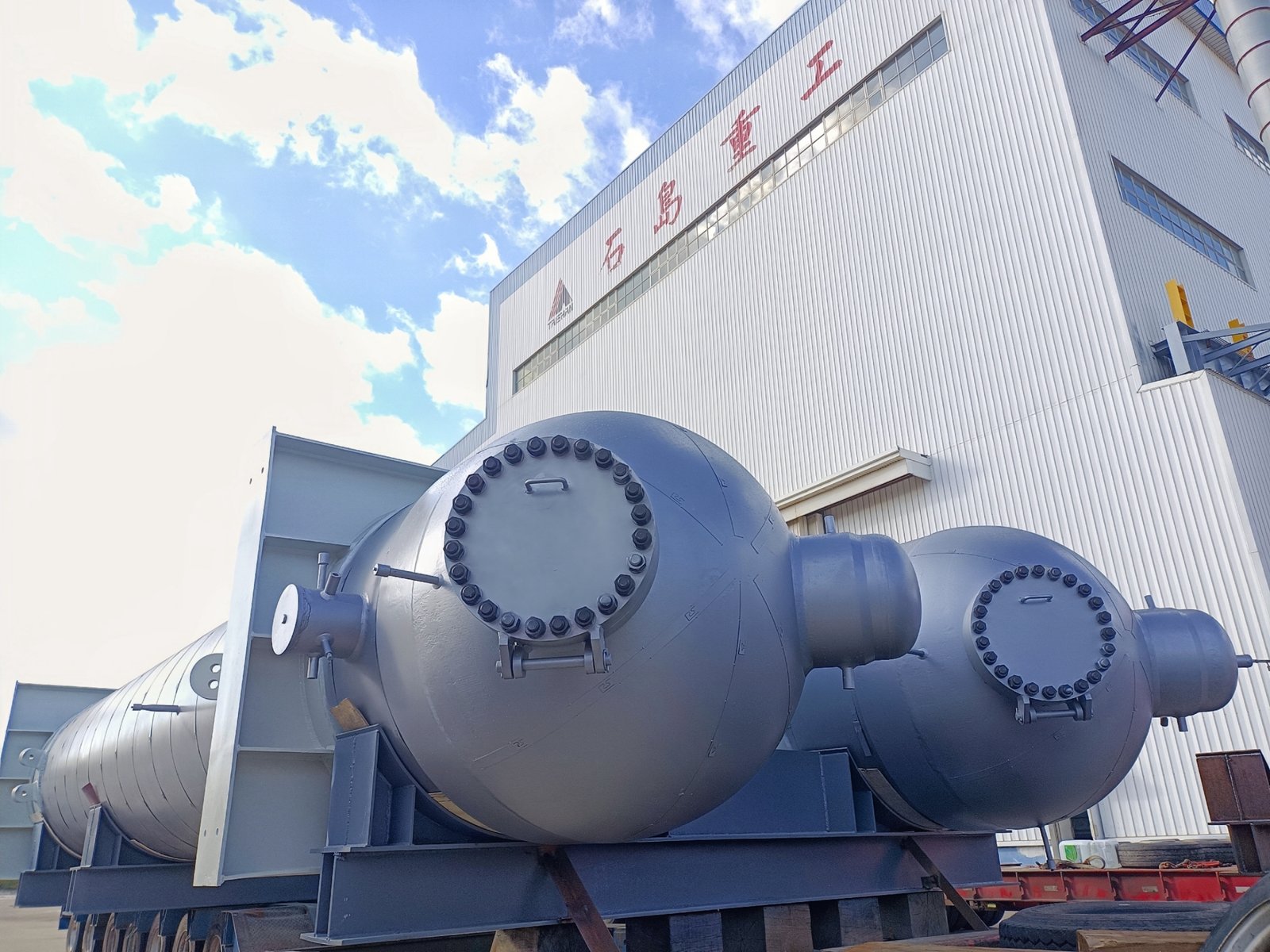
After cracking or gas conditioning, the system may require gas-liquid separation, pressure stabilization, condensate collection or hydrogen-rich gas buffering. Separator vessels and gas handling vessels should be selected based on flow rate, pressure, temperature, gas composition and downstream requirements.
Buyers should avoid focusing on isolated internal separation items. The correct procurement scope is the complete separator or pressure vessel, including fabrication, NDE, testing, coating and final documentation.
Supporting Large Tanks and Process Vessels
Terminal projects may also need large tanks for water, condensate, process liquid, utilities or wastewater. These tanks should be specified by medium, capacity, corrosion protection, venting, coating and delivery boundary. For hazardous or pressure-containing service, requirements should be reviewed by the project engineering team.
Key Procurement Factors for EPC Buyers
1. Ammonia Storage Conditions
Buyers should confirm liquid ammonia composition, storage mode, pressure, temperature, capacity, filling ratio and ambient conditions. Ammonia is hazardous and requires careful safety review. Equipment manufacturers can fabricate according to approved drawings and specifications, but final safety design depends on the complete project system.
2. Material Compatibility
Material selection should consider ammonia service, pressure, temperature, impurities, weldability, inspection requirements and applicable standards. The project engineering team should confirm final material selection based on process conditions and regulatory requirements.
3. Pressure and Temperature Design
Ammonia storage, vaporization, cracking support and hydrogen-rich gas handling may involve different pressure and temperature ranges. EPC buyers should provide operating pressure, design pressure, operating temperature and design temperature for each equipment item.
ASME BPVC standards are commonly referenced for pressure vessel construction, but the final applicable code must follow the project specification, owner requirements and local regulations.
4. Heat Duty and Utility Integration
Ammonia cracking and terminal systems may require significant heat input and cooling capacity. Buyers should provide accurate heat duty, heating medium, cooling medium and allowable pressure drop information for heat exchangers.
5. Inspection, Testing and Documentation
Inspection requirements may include visual inspection, radiographic testing, ultrasonic testing, magnetic particle testing, penetrant testing, hydrostatic testing, pneumatic testing or leak testing, depending on equipment type and project specification.
Buyers should confirm material certificates, weld maps, NDE reports, pressure test records, coating reports and final data book requirements before fabrication.
6. Delivery and Port Interface
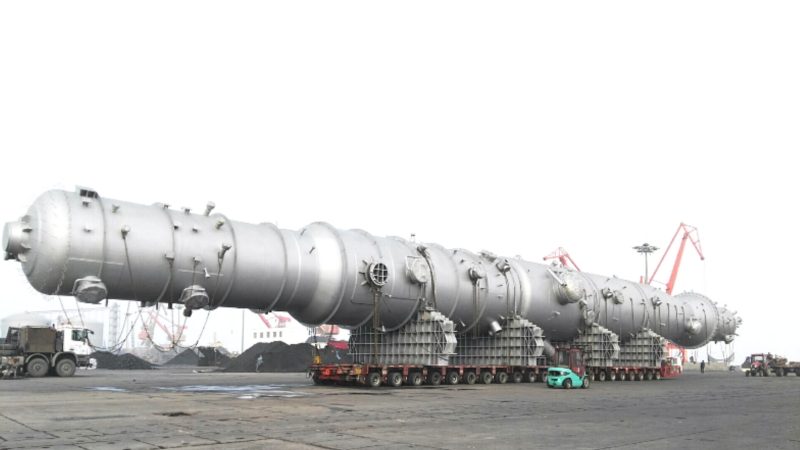
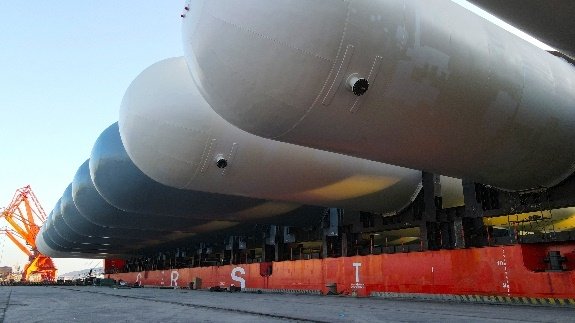
Ammonia terminals are often connected to port or industrial logistics. Large pressure vessels and storage tanks may require route review, lifting plans, shipping saddles, port handling, export packing and site installation coordination.
RFQ Checklist for Ammonia-to-Hydrogen Equipment
Before requesting a quotation, EPC buyers should prepare:
- Process flow diagram
- Equipment datasheets
- Liquid ammonia composition
- Gas composition after cracking or conditioning
- Operating pressure and design pressure
- Operating temperature and design temperature
- Storage capacity above 1,000 liters where tanks are included
- Heat duty and utility information
- Material requirements
- Corrosion allowance
- NDE and pressure testing requirements
- Coating or painting specification
- Documentation and data book requirements
- Port delivery or site installation constraints
- Applicable design code and owner specifications
If the terminal is still in FEED or pilot stage, preliminary assumptions should be clearly marked and reviewed before fabrication release.
Common Procurement Mistakes
Treating Ammonia Storage as Ordinary Tank Storage
Liquid ammonia storage should not be approached like ordinary liquid storage. Pressure, toxicity, material compatibility, vapor handling and safety requirements must be reviewed carefully.
Ignoring the Equipment Around the Cracker
A cracking unit may be central, but terminal performance also depends on storage, feed conditioning, heat exchange, separation, buffering and downstream gas handling.
Making Unsupported Hydrogen Performance Claims
Hydrogen purity, conversion rate and terminal output depend on the complete cracking technology, operating conditions and process integration. Equipment manufacturers should not claim performance unless it is defined in verified project specifications.
Delaying Logistics Review
Large tanks and pressure vessels must be manufacturable, transportable and installable. Port handling and site lifting limits should be reviewed before final drawings are released.
FAQ
What equipment is needed for an ammonia-to-hydrogen terminal?
Typical equipment may include liquid ammonia storage vessels, buffer vessels, heat exchangers, vaporizers, separators, hydrogen-rich gas handling vessels and large supporting tanks.
Is ammonia-to-hydrogen equipment the same as LPG equipment?
No. Some pressure equipment principles are similar, but ammonia and LPG have different material, toxicity, vapor pressure and safety considerations. Each project should be reviewed by medium and operating condition.
What data should EPC buyers provide before requesting a quotation?
Buyers should provide drawings, datasheets, ammonia composition, pressure, temperature, storage capacity, heat duty, material requirements, inspection scope and delivery terms.
Can a vessel manufacturer guarantee hydrogen purity from ammonia cracking?
No. Hydrogen purity depends on the complete cracking and purification technology, operating conditions and process integration. A vessel manufacturer can fabricate equipment according to approved specifications.
Are small ammonia tanks included in this article?
No. This article focuses on industrial terminal equipment and large storage tanks above 1,000 liters.
Conclusion
Ammonia-to-hydrogen terminal projects create equipment demand beyond the cracking unit itself. EPC buyers should review liquid ammonia storage, feed vessels, heat exchangers, separators, hydrogen-rich gas handling vessels, large supporting tanks and delivery requirements as one complete equipment scope.
If you are preparing procurement for an ammonia-to-hydrogen terminal, hydrogen carrier project, liquid ammonia storage facility or related new energy project, you can share drawings, datasheets, operating conditions and delivery requirements with our engineering team. WSHI can support manufacturing feasibility review for pressure vessels, heat exchangers, large storage tanks and related custom process equipment.