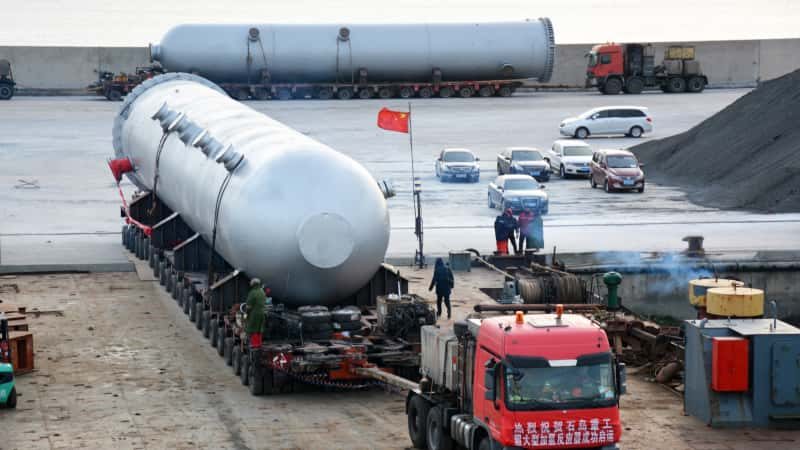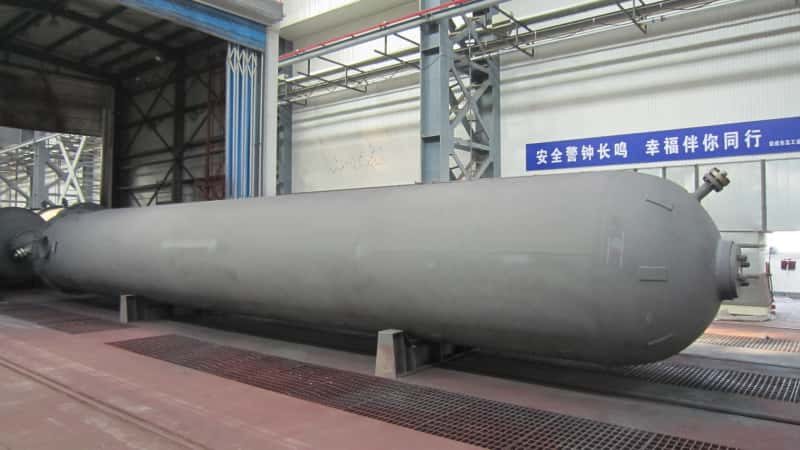
Biomass syngas purification equipment is becoming more relevant as renewable gas, renewable methanol, sustainable fuels, and distributed hydrogen projects move closer to commercial deployment. For EPC buyers, the key issue is not only the gasification or thermolysis technology. It is the complete equipment boundary required to cool, clean, separate, buffer, and condition syngas before downstream conversion.
Scrubber towers, heat exchangers, gas-liquid separators, pressure vessels, condensate vessels, and large storage tanks must be specified around actual gas composition, contaminants, pressure, temperature, corrosion risk, inspection scope, and delivery requirements. For WSHI’s manufacturing scope, the procurement focus should remain on complete fabricated vessels and process equipment, not standalone small internals or accessories.
Recent project activity keeps this topic timely. In August 2026, Haffner Energy announced a key qualification milestone for its H6 generation technology, including independently validated production data showing stable syngas production from biomass thermolysis. The company also stated that future qualification work connects with hydrogen applications and that the same platform can support renewable methane and methanol applications.
Biomass syngas purification equipment can be selected without syngas contaminant data.False
Syngas composition, tar, particulates, sulfur compounds, chlorine compounds, ammonia, water vapor, pressure, temperature, and downstream gas quality requirements affect materials, cooling duty, scrubber service, separator sizing, and wastewater handling.
Syngas scrubber towers, separators, heat exchangers, and tanks should be reviewed as a complete EPC equipment scope.True
These units share process, corrosion, liquid handling, inspection, documentation, layout, and delivery interfaces, so isolated vessel purchasing can create integration risk.
Why Biomass Syngas Purification Is a Current Project Topic
When biomass residues are converted into syngas, the raw gas usually needs cooling, particulate removal, tar management, acid gas treatment, moisture control, and downstream polishing before it can be used for renewable methane, renewable methanol, hydrogen, or industrial fuel applications.
NREL’s biofuels background explains that gasification systems use high temperature and a low-oxygen environment to convert biomass into synthesis gas, a mixture of hydrogen and carbon monoxide. NREL’s Thermal and Catalytic Process Development Unit page also describes a pilot-scale gasification configuration that includes cyclones for char and ash collection and a gas scrubbing system. These references support the practical EPC point: syngas cleanup equipment is part of the complete conversion train, not a late accessory.
For WSHI, the relevant SEO and procurement angle is the complete fabricated equipment scope: custom pressure vessels, scrubber towers, industrial heat exchangers, gas-liquid separators, buffer vessels, and large industrial tanks.
What Is Biomass Syngas Purification Equipment?
Biomass syngas purification equipment refers to the process vessels and fabricated equipment used to remove contaminants, control temperature, separate liquid, and prepare raw syngas for downstream use. The final system depends on feedstock, gasification or thermolysis route, downstream product, pressure level, and required gas quality.
A complete equipment package may include syngas coolers and heat exchangers, quench vessels or cooling vessels, scrubber towers, gas-liquid separators, condensate collection vessels, acid gas treatment vessels, buffer vessels, wastewater or condensate storage tanks, pressure vessels for polishing or conditioning packages, documentation, inspection, coating, packing, and delivery support.
The exact equipment should be defined by the process designer. The manufacturer’s role is to fabricate complete vessels and equipment according to approved drawings, materials, quality requirements, and delivery boundary.
Main Applications
Renewable Methane Projects
Renewable methane projects may use cleaned syngas as an intermediate gas before methanation. Gas impurities can affect catalyst life, reactor stability, heat exchanger performance, and product quality. EPC buyers should confirm gas composition, particulate content, tar risk, sulfur compounds, moisture, CO2, H2/CO ratio, pressure, and downstream methanation requirements before ordering vessels.
Renewable Methanol Projects
Renewable methanol synthesis requires controlled syngas quality. Depending on the process route, syngas may need cooling, cleaning, compression interfaces, acid gas control, and liquid separation before entering synthesis equipment. Pressure vessels for new energy can be part of this wider equipment boundary.
Industrial Fuel and Hydrogen Projects
Some biomass syngas projects target industrial heat, distributed hydrogen, or low-carbon fuel supply. These applications may use different cleanup levels, but stable gas cooling, liquid separation, and safe pressure vessel design remain important.
Key Equipment in a Syngas Cleanup Train
Scrubber Towers
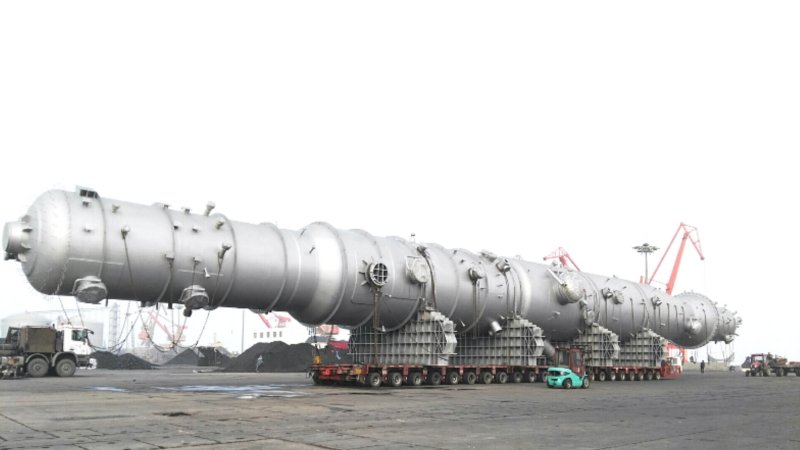
A scrubber tower may be used to remove water-soluble contaminants, cool gas, or condition syngas before downstream equipment. In biomass syngas service, buyers should consider gas temperature, pressure, flow rate, contaminant loading, liquid circulation, corrosion risk, wastewater handling, and maintenance access.
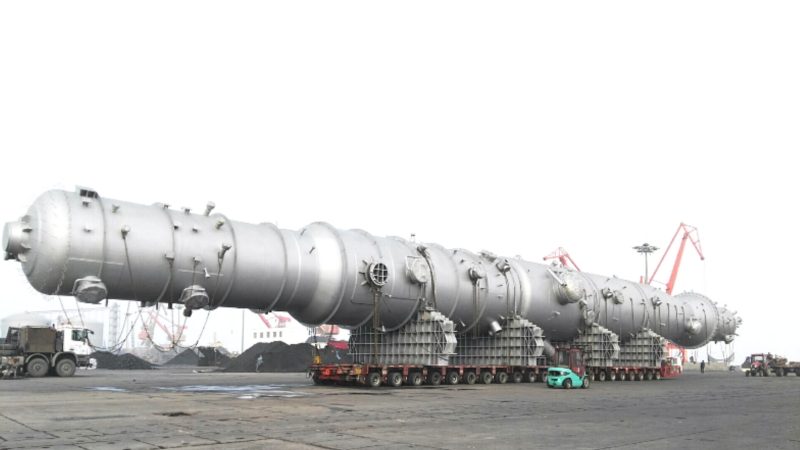
The scrubber should be purchased as a complete column or tower package, not as standalone small internals. The procurement boundary should include tower shell, pressure boundary, material, nozzles, supports, inspection, testing, coating or lining, and documentation.
Heat Exchangers and Syngas Coolers
Raw syngas can leave upstream conversion equipment at elevated temperature. Heat exchangers and coolers help reduce gas temperature, recover heat, condense moisture, and protect downstream equipment.
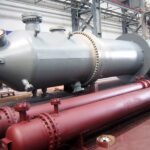
When purchasing shell and tube heat exchangers or syngas coolers, EPC buyers should define heat duty, inlet and outlet temperature, gas composition, fouling or tar risk, pressure drop limits, material requirements, cleaning access, and inspection scope.
Gas-Liquid Separators
After cooling or scrubbing, syngas may carry entrained liquid, condensate, tar-containing liquid, or wash water droplets. Gas-liquid separators help protect downstream compressors, reactors, polishing vessels, and product systems.
The RFQ should include gas flow rate, liquid loading, operating pressure, design pressure, operating temperature, design temperature, medium composition, corrosion allowance, nozzle orientation, level control philosophy, inspection requirements, and delivery terms.
Buffer and Conditioning Vessels
Syngas flow and quality can vary with feedstock, upstream operating mode, and thermal process stability. Buffer vessels may help stabilize pressure or flow before downstream conversion. Conditioning vessels may be required as part of a larger process package.
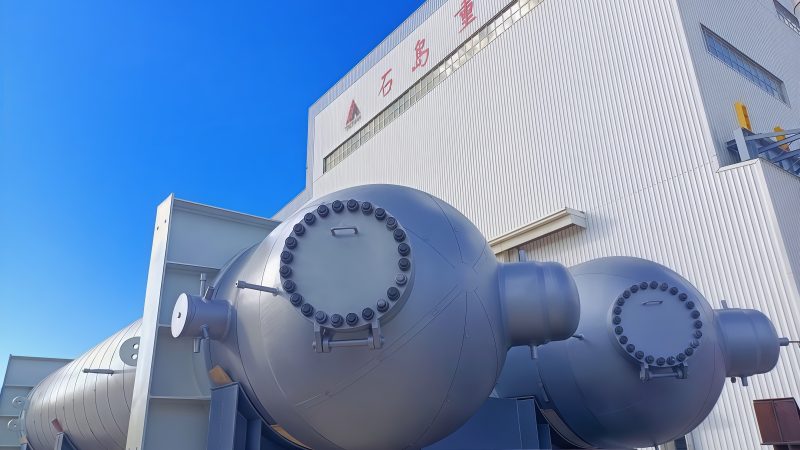
These vessels should be reviewed as complete pressure equipment, with clear pressure boundary, material, welding, NDE, pressure testing, coating, and documentation requirements.
Large Condensate and Wastewater Tanks
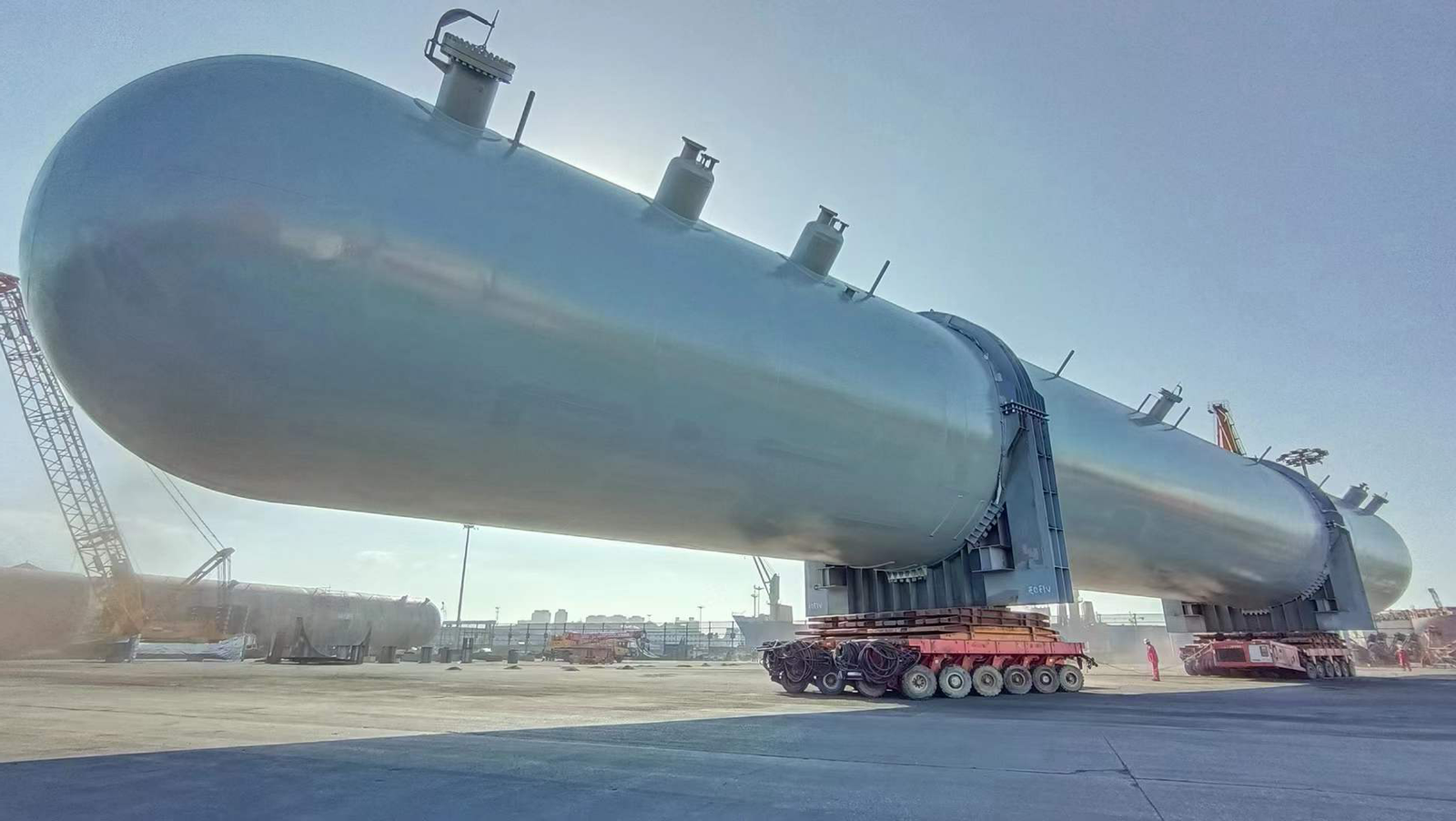
Syngas cleanup can generate condensate, wash water, tar-containing liquid, or other wastewater streams. Large holding tanks above 1,000 liters may be required for feed water, condensate, scrubber liquid, wastewater, or intermediate liquids.
Buyers can review industrial storage tanks when planning project-scale liquid handling. Tank materials, coating, lining, venting, drainage, foundation interface, and environmental requirements should be confirmed by the EPC contractor and owner.
Equipment Package Checklist for EPC Buyers
| Equipment Area | Typical Complete Equipment | Buyer Review Point |
|---|---|---|
| Gas cooling | Syngas coolers, heat exchangers, quench or cooling vessels | Temperature, heat duty, tar or fouling risk, cleaning access, pressure drop |
| Gas washing | Scrubber towers, circulation vessels, liquid handling interfaces | Contaminant loading, liquid chemistry, corrosion, wastewater handling, inspection |
| Liquid separation | Gas-liquid separators, condensate vessels, drain vessels | Liquid loading, carryover limits, level control, material and coating requirements |
| Pressure stabilization | Buffer vessels, conditioning vessels, pressure vessels for package interfaces | Flow variation, pressure range, nozzle layout, safety systems, documentation |
| Liquid storage | Large condensate, scrubber liquid, wastewater, or utility tanks above 1,000 liters | Medium composition, venting, drainage, lining, foundation, delivery boundary |
Key Selection Factors for EPC Buyers
Syngas Composition and Contaminant Profile
The most important procurement input is the syngas analysis. Buyers should provide H2, CO, CO2, CH4, N2, water vapor, sulfur compounds, chlorine compounds, ammonia, tars, particulates, alkali metals if relevant, pressure, temperature, and expected variation.
Without contaminant data, it is difficult to evaluate materials, corrosion allowance, cooling duty, scrubber service, separator sizing, and wastewater handling.
Downstream Product Requirement
A renewable methane project, methanol project, hydrogen project, and industrial fuel project may require different gas quality. The downstream requirement affects cleanup intensity, vessel size, materials, heat exchanger duty, and documentation.
Material and Corrosion Review
Syngas cleanup may involve wet CO2, sulfur compounds, acidic condensate, chlorides, high temperature, tar, and dirty wastewater. Carbon steel, stainless steel, duplex stainless steel, lining, or coating may be considered depending on service, but final material selection should be based on project-specific engineering review.
Inspection and Documentation
Pressure vessels, heat exchangers, and towers may need to follow ASME, GB, EN, or other project standards. RFQs should define applicable code, NDE scope, pressure test requirements, coating inspection, third-party inspection, and final documentation.
For pressure vessel code background, EPC teams may review ASME BPVC Section VIII Division 1 information. Actual compliance should follow project specifications and local regulations.
Manufacturing and Delivery Considerations
Biomass syngas purification projects may combine towers, vessels, exchangers, and tanks from several packages. A reliable manufacturing plan should include drawing review, material procurement, welding, dimensional inspection, NDE, pressure testing, surface treatment, documentation, packing, and delivery.
As a large-scale pressure vessel manufacturer, WSHI supports project-based manufacturing for complete industrial equipment, including process towers and columns, pressure vessels, heat exchangers, separators, and large tanks. EPC buyers can also download the pressure vessel catalog when preparing early equipment lists.
Common Procurement Mistakes
One common mistake is focusing only on the upstream gasification unit while leaving syngas cleanup equipment undefined. The cleanup train directly affects downstream reactor life, product quality, wastewater volume, and maintenance.
Another mistake is underestimating dirty gas service. Tar, particulates, acidic condensate, and sulfur compounds can change heat exchanger design, material selection, cleaning access, and coating requirements.
A third mistake is buying vessels without defining interfaces. Scrubber towers, separators, exchangers, buffer vessels, tanks, drains, vents, and controls must fit the overall plant layout and package boundary.
What Should EPC Buyers Prepare Before RFQ?
| RFQ Item | Information to Provide |
|---|---|
| Process basis | Process datasheets, PFD or P&ID, feedstock, gasification or thermolysis route, downstream product |
| Syngas analysis | H2, CO, CO2, CH4, N2, water vapor, tars, particulates, sulfur, chlorine, ammonia, alkali metals |
| Operating conditions | Flow rate, pressure, temperature, turndown, upset cases, cooling requirements, liquid loading |
| Mechanical requirements | Materials, corrosion allowance, coating or lining, nozzle layout, supports, access, transport limits |
| Quality requirements | Applicable code, NDE, pressure testing, coating inspection, third-party inspection, final documentation |
| Delivery scope | Destination, delivery terms, packing, preservation, lifting requirements, schedule, export documents |
FAQ
What equipment is used for biomass syngas purification?
Common equipment may include syngas coolers, heat exchangers, scrubber towers, gas-liquid separators, condensate vessels, buffer vessels, treatment vessels, and large wastewater or condensate tanks.
Why is syngas cleanup important before methanol or methane production?
Contaminants such as tar, particulates, sulfur compounds, moisture, and acidic condensate can affect downstream reactors, catalysts, heat exchangers, compressors, and product quality.
What data should EPC buyers provide before ordering syngas cleanup vessels?
Buyers should provide syngas composition, temperature, pressure, flow rate, contaminant profile, downstream gas quality requirements, material requirements, drawings, inspection scope, and delivery terms.
Are scrubber towers standard products?
Usually not for industrial syngas projects. Scrubber towers should be customized according to gas flow, contaminant loading, pressure, temperature, materials, corrosion risk, and project standards.
Are small internals sold separately in this equipment scope?
No. Internals or accessories should only be discussed as part of a complete vessel, scrubber tower, separator, or equipment package. The procurement focus should remain on complete project equipment.
Conclusion
Biomass syngas purification equipment should be planned as a complete EPC equipment scope. Scrubber towers, heat exchangers, gas-liquid separators, pressure vessels, buffer vessels, condensate handling, and large industrial tanks all affect renewable methane, renewable methanol, hydrogen, and sustainable fuel project reliability.
If you are preparing a biomass syngas, renewable methane, renewable methanol, hydrogen, waste-to-fuel, or environmental engineering project, you can discuss your project requirements with WSHI. Sharing datasheets, drawings, syngas composition, contaminant profile, operating conditions, material requirements, inspection scope, and delivery terms will help support feasibility review for custom pressure vessels, scrubber towers, heat exchangers, gas-liquid separators, and large industrial storage tanks.