
Biomethanol Project Equipment: Defining the Static Equipment Scope Before FID
Before a biomethanol project reaches its final investment decision, equipment estimates need a clear technical basis. For EPC teams and project developers, the challenge is defining which complete vessels, exchangers, columns and tanks belong in each procurement package, who supplies the engineering information, and what remains subject to change.
A well-defined biomethanol project equipment scope helps buyers obtain comparable budget quotations and identify manufacturing constraints early. It also makes the transition from preliminary estimates to purchase orders more manageable as the process design develops.
A pre-FID budget quotation is equivalent to a final equipment design and purchase specification.False
Pre-FID quotations rely on stated assumptions and exclusions. Final equipment design requires approved process data, responsibilities, codes, inspection requirements and interfaces.
Comparable pre-FID quotations require the same inquiry basis and clearly stated supplier deviations.True
A common equipment list, revision status, responsibility matrix and exclusions make commercial and technical differences visible to EPC teams.
A Recent Project Milestone Highlights the Engineering Stage
On September 14, 2026, Perpetual Next announced the appointment of Bilfinger as Owner’s Engineer for its DeltaTorr and DeltaNor projects in Delfzijl, the Netherlands. The announcement describes the development of a large-scale biomethanol facility and confirms that the project is progressing toward a final investment decision. See the official project announcement.
This is a project-development milestone, rather than an announcement of completed investment approval or equipment orders. The procurement considerations below are general guidance for biomethanol developments; they are not a description of that project’s confirmed equipment list or suppliers.
For equipment buyers, this stage presents a practical question: how much definition is needed to obtain useful manufacturing estimates before every detail of the plant is finalized?
What Belongs in the Static Equipment Scope?
Static equipment includes stationary process equipment such as pressure vessels, heat exchangers, separation columns and storage tanks. Its exact scope depends on the selected process route, feedstock, utility arrangement and technology provider’s requirements.
A preliminary list should identify each complete equipment item by its function and package ownership. Depending on the design, candidate duties may include process cooling, condensation, gas-liquid separation, liquid purification and storage. Specialized or proprietary equipment requires separate agreement with the relevant technology provider.
The objective is to establish a traceable equipment scope. Each item should have a defined duty, an engineering owner and an identified supplier boundary, even when some operating values remain preliminary.
Separate Equipment Supply from Process Responsibility
A manufacturer may fabricate equipment to approved purchaser drawings, develop the mechanical design from supplied datasheets, or undertake additional engineering under an agreed contract. These are different scopes and should be priced accordingly.
The process owner should identify who establishes fluid properties, equipment performance requirements and operating cases. Responsibility for plant capacity, product quality and overall energy consumption should also be distinguished from responsibility for individual equipment construction.
This distinction is particularly important when several technology packages are combined within one development.
Define the Main Equipment Packages
Heat Exchangers and Condensers
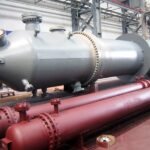
For industrial heat exchangers, a preliminary heat duty is a starting point, but it is not a complete quotation basis. Suppliers also need the process and utility conditions, fluid properties, allowable pressure drops and relevant fouling assumptions.
Identify whether the supplier is expected to perform thermal design or provide mechanical design and fabrication against an approved thermal specification. If data are still developing, bidders should state the assumptions used in their estimates.
Maintenance requirements also deserve early attention. Cleaning access, the proposed construction and the space required for maintenance can affect the equipment arrangement and plant layout.
Separators and Other Pressure Vessels
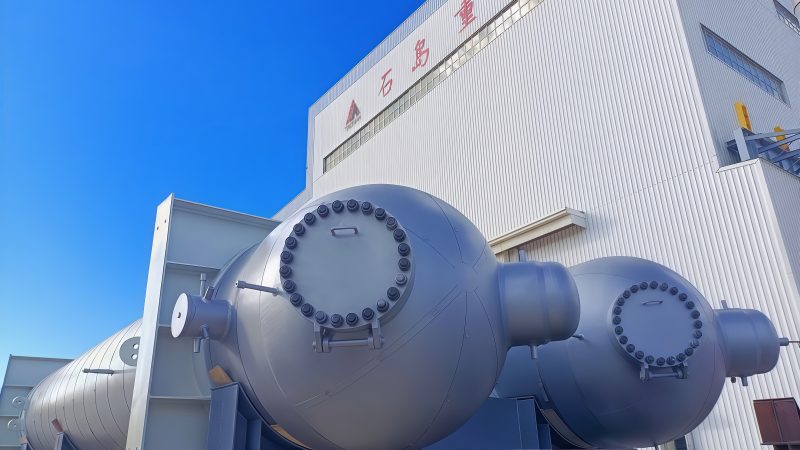
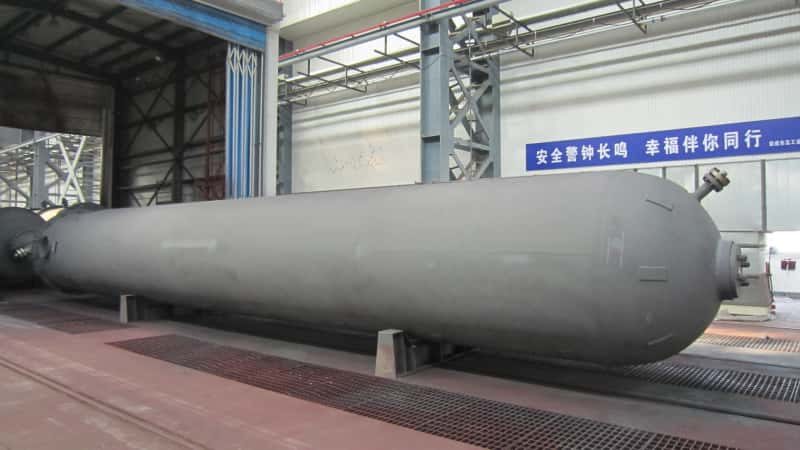
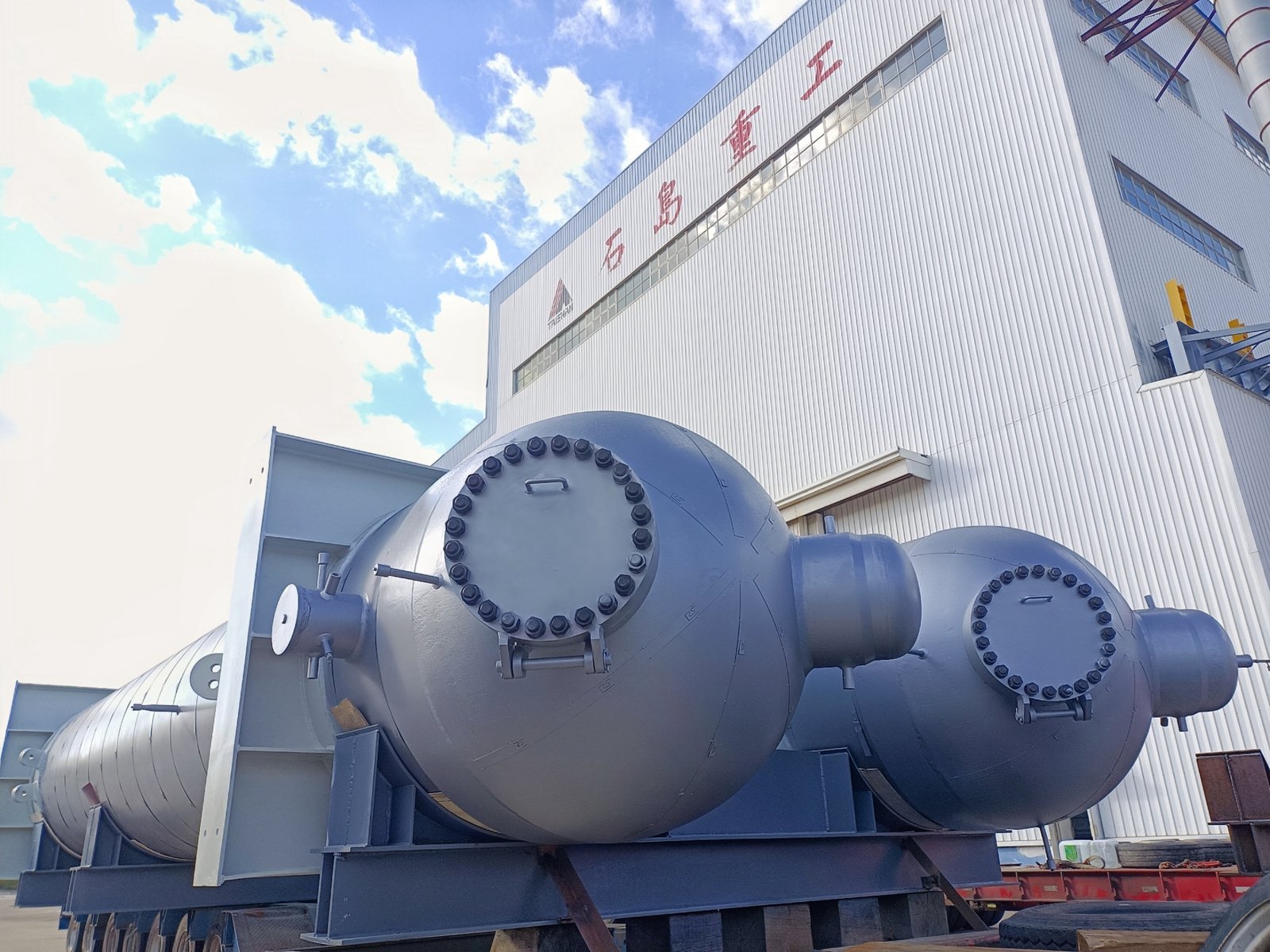
Where the process requires gas-liquid separation, the inquiry should identify the expected flow range, liquid loading, fluid properties and required separation performance. A vessel volume alone does not describe the intended duty.
For other custom pressure vessels, specify the equipment function and the operating cases that influence its design. Normal operation, startup, shutdown and relevant abnormal conditions may impose different requirements.
Buyers should also establish whether process sizing is included in the manufacturer’s scope. Mechanical fabrication to specified dimensions does not automatically include verification of separation performance or process residence time.
Process Columns
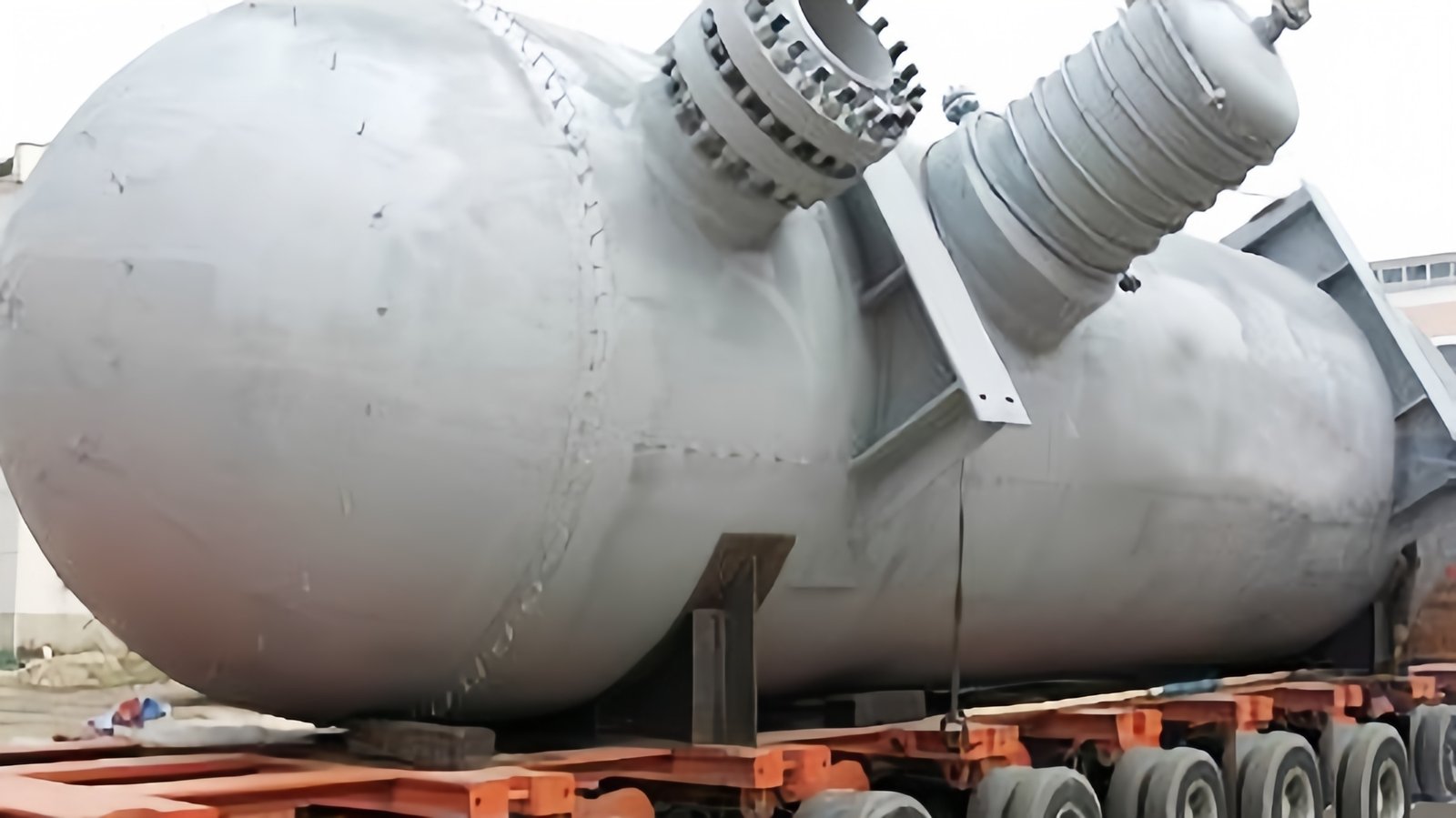
The preliminary scope for process towers and columns should connect the required separation duty with the complete equipment package. The technology provider or responsible process engineer should establish the performance basis before mechanical details are finalized.
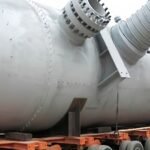
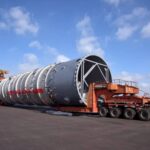
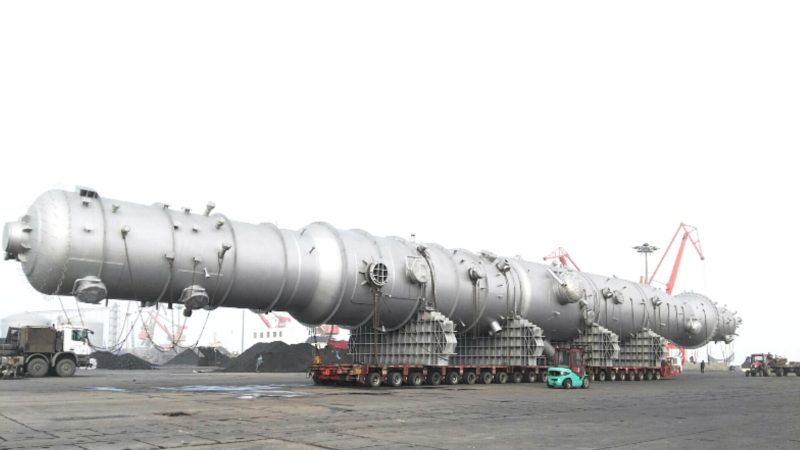
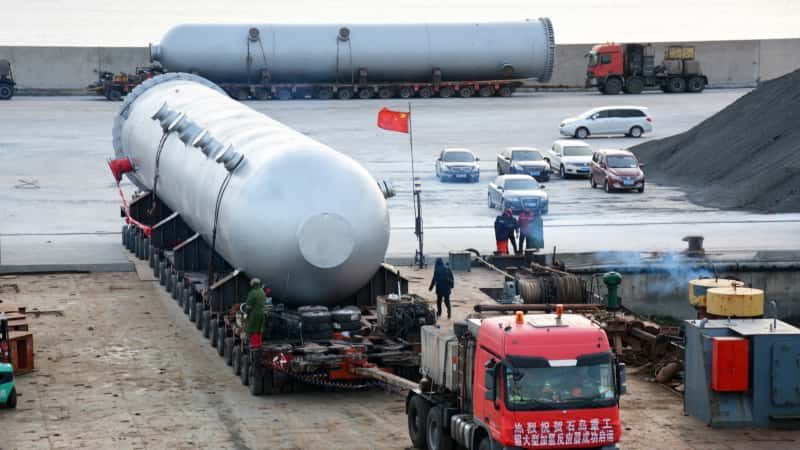
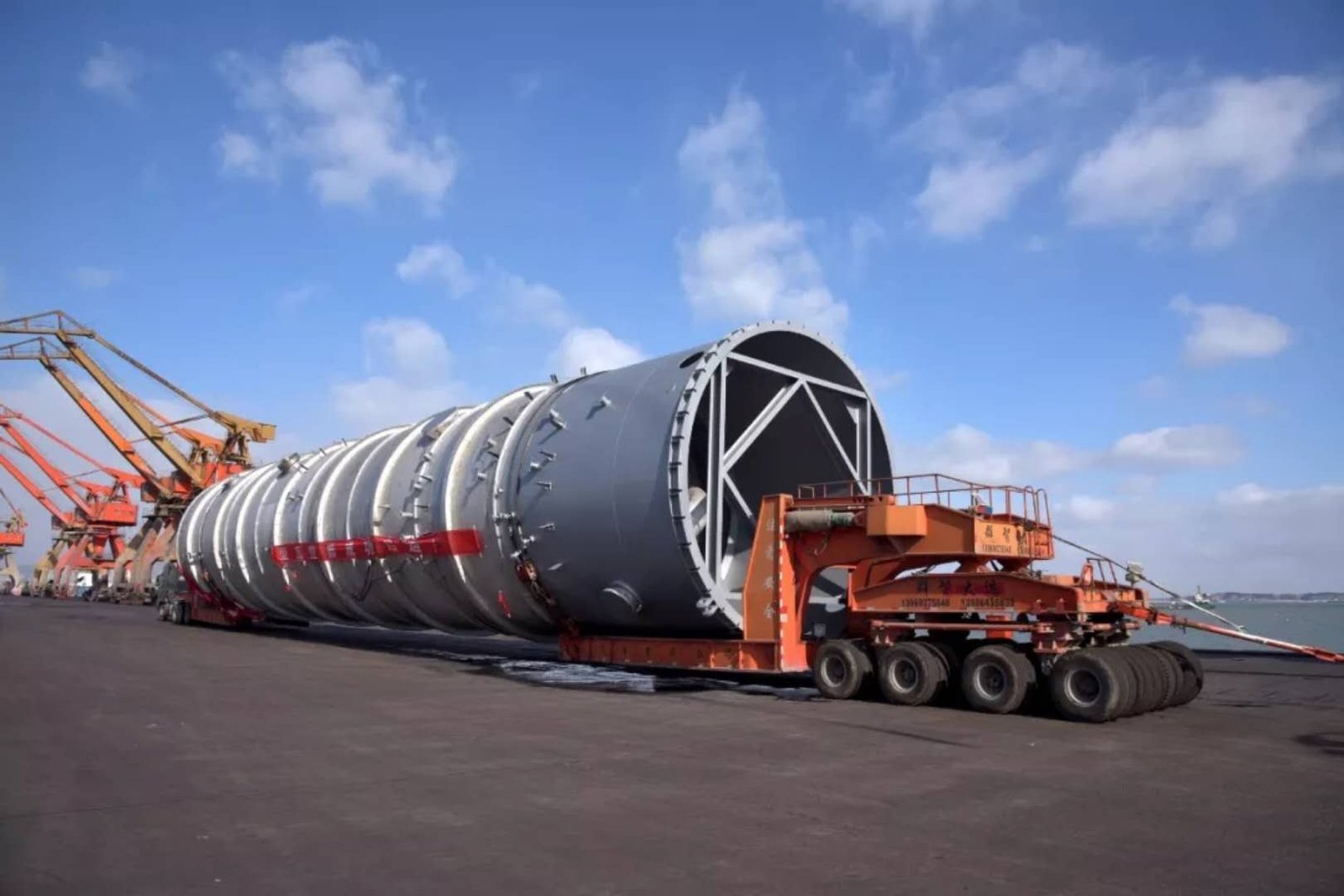
Early manufacturer input can help identify fabrication and transport constraints. A large column may require a different delivery arrangement depending on its diameter, length, weight and destination.
If field assembly is being considered, its engineering, inspection and documentation responsibilities should be included in the project estimate. A budget based only on shop fabrication can leave significant site work unaccounted for.
Large Storage Tanks
Storage planning should distinguish product, intermediate, off-specification and utility duties where these are required by the process. Different duties may involve different fluid properties, contamination limits and operating conditions.
For large industrial storage tanks, specify the required working capacity as well as the proposed gross capacity. Pressure or vacuum conditions, temperature, material compatibility, corrosion protection and the installation arrangement also need definition.
WSHI’s relevant storage scope is industrial tanks above 1,000 liters. Atmospheric and pressurized storage should be identified separately, with the governing design requirements established for each item.
What Information Is Needed Before a Budget Quotation?
Pre-FID estimates do not require every fabrication detail to be complete. They do require enough information to show what has been priced and where uncertainty remains.
A useful preliminary inquiry includes the equipment list, process route, estimated operating conditions, provisional design conditions, materials basis, construction requirements and delivery location. Add expected inspection, documentation and preservation requirements where known.
Each datasheet should show its revision and information status. Assumed values should be distinguishable from confirmed requirements. This allows the project team to understand which changes could affect price, weight, delivery or equipment configuration.
Keep Supplier Assumptions Comparable
Provide bidders with the same inquiry package and request a clear list of deviations. Ask suppliers to identify exclusions, provisional quantities and conditions requiring later confirmation.
For example, one quotation may include thermal rating and third-party inspection while another includes fabrication only. Their totals cannot be meaningfully compared until those scope differences are reconciled.
Quote validity and the starting point for the delivery period also matter. A manufacturing duration measured from approved drawings is different from one measured from order placement.
Assign Engineering and Supply Responsibilities
A simple responsibility matrix can prevent important work from falling between contracts.
| Work item | Responsibility to establish |
|---|---|
| Process duty and fluid-property basis | Project process team or technology provider |
| Equipment sizing and thermal performance | Purchaser or supplier, as expressly agreed |
| Mechanical design and fabrication | Equipment manufacturer within the approved scope |
| Plant piping and equipment interfaces | EPC engineering team, coordinated with suppliers |
| Inspection and acceptance records | Manufacturer, purchaser and designated inspectors |
| Transport, installation and commissioning | Parties identified in the delivery and site contracts |
This allocation should be adapted to the project’s contracting structure. The purpose is to ensure that each required activity has an owner and a deliverable.
Connections to neighboring packages deserve particular attention. Utility availability, equipment elevations, piping loads and site access can influence equipment design even when they sit outside the manufacturer’s supply boundary.
Review Materials, Standards and Quality Requirements Early
Material selection should follow the actual service conditions. The description “biomethanol equipment” is not sufficient to determine material grades. Feedstock-related contaminants, process composition, water content, temperature and cleaning conditions may affect the materials assessment.
Identify the governing construction rules and destination requirements before requesting a firm offer. Where specified and applicable, ASME BPVC Section VIII, Division 1 addresses pressure vessel construction, including fabrication, inspection and testing. A reference to this code does not establish a supplier’s certification or approval for a particular order.
The preliminary quality scope should identify expected material records, welding documentation, nondestructive examination, pressure testing and purchaser inspection involvement. These requirements affect both cost and production planning.
A manufacturer’s pressure test and fabrication records support mechanical acceptance. They do not establish the performance of the complete biomethanol process.
Assess Manufacturing and Delivery Feasibility
Manufacturer engagement before FID is useful when it identifies practical constraints that affect the project estimate. These may include material availability, fabrication dimensions, heat-treatment requirements, inspection sequencing and transport limits.
WSHI’s manufacturing capability includes engineering coordination, material procurement, welding fabrication, nondestructive examination, pressure testing, coating and heavy-equipment loading and delivery activities. The applicable scope should be confirmed for each proposed equipment package.
For large equipment, agree on the anticipated shipping configuration and delivery point. Factory release, port delivery and arrival at the project site represent different responsibilities and costs. Site unloading, erection and field work should be assigned explicitly.
Moving from Budget Estimates to Purchase Orders
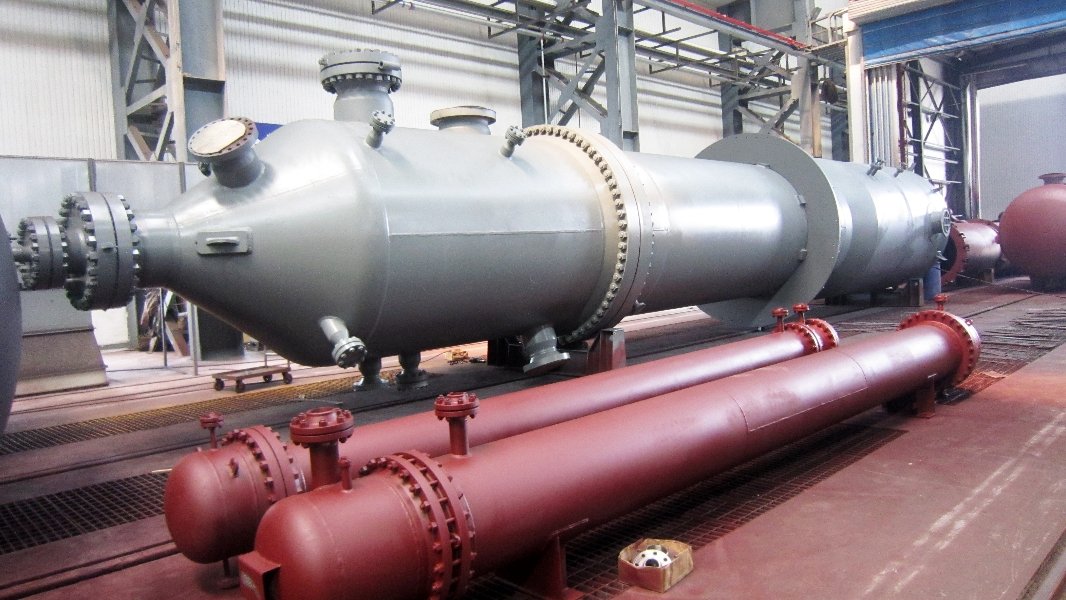
As engineering develops, compare the latest equipment requirements with the basis of the original quotation. Changes in pressure, materials, capacity or delivery configuration should be visible in the commercial review.
Before fabrication release, resolve the information required for the agreed manufacturing scope. Long-lead material commitments made earlier should follow a documented technical basis and an agreed approach to subsequent changes.
This staged process allows early supplier input without treating preliminary assumptions as final design decisions.
FAQ
Is biomethanol equipment the same as e-methanol equipment?
The projects may share equipment categories, but their feed preparation and process requirements can differ substantially. Procurement specifications should follow the selected production route rather than transfer unchanged between project types.
Can manufacturers quote before all process data are finalized?
They can often provide budget estimates against a defined preliminary basis. The quotation should identify assumptions, exclusions and the information needed for a firmer offer.
Does a static equipment package include the entire plant?
Only if the contract explicitly defines such a scope. Static equipment supply does not automatically include process licensing, rotating equipment, plant controls, installation or overall plant performance guarantees.
What should buyers prioritize before FID?
Prioritize a consistent equipment list, clear engineering responsibilities, comparable quotation assumptions and early identification of manufacturing and delivery constraints.
Discuss Your Biomethanol Equipment Scope
Early procurement planning makes biomethanol project equipment estimates more useful when each complete item has a defined duty, information status and supply boundary.
If your team is developing a biomethanol project, contact our engineering team with your preliminary equipment list, datasheets, materials requirements and delivery location. WSHI can review the proposed vessels, heat exchangers, columns and industrial tanks above 1,000 liters, and discuss manufacturing feasibility and quotation requirements.