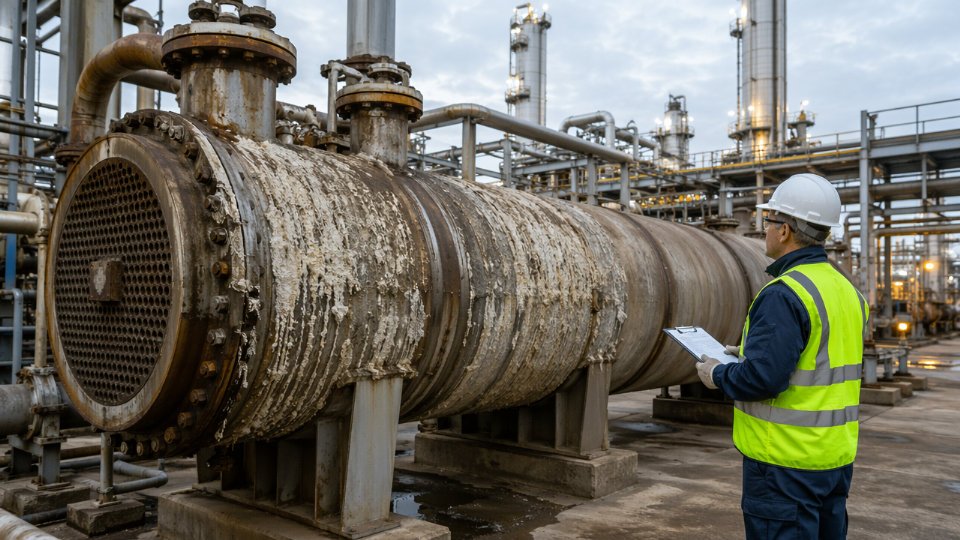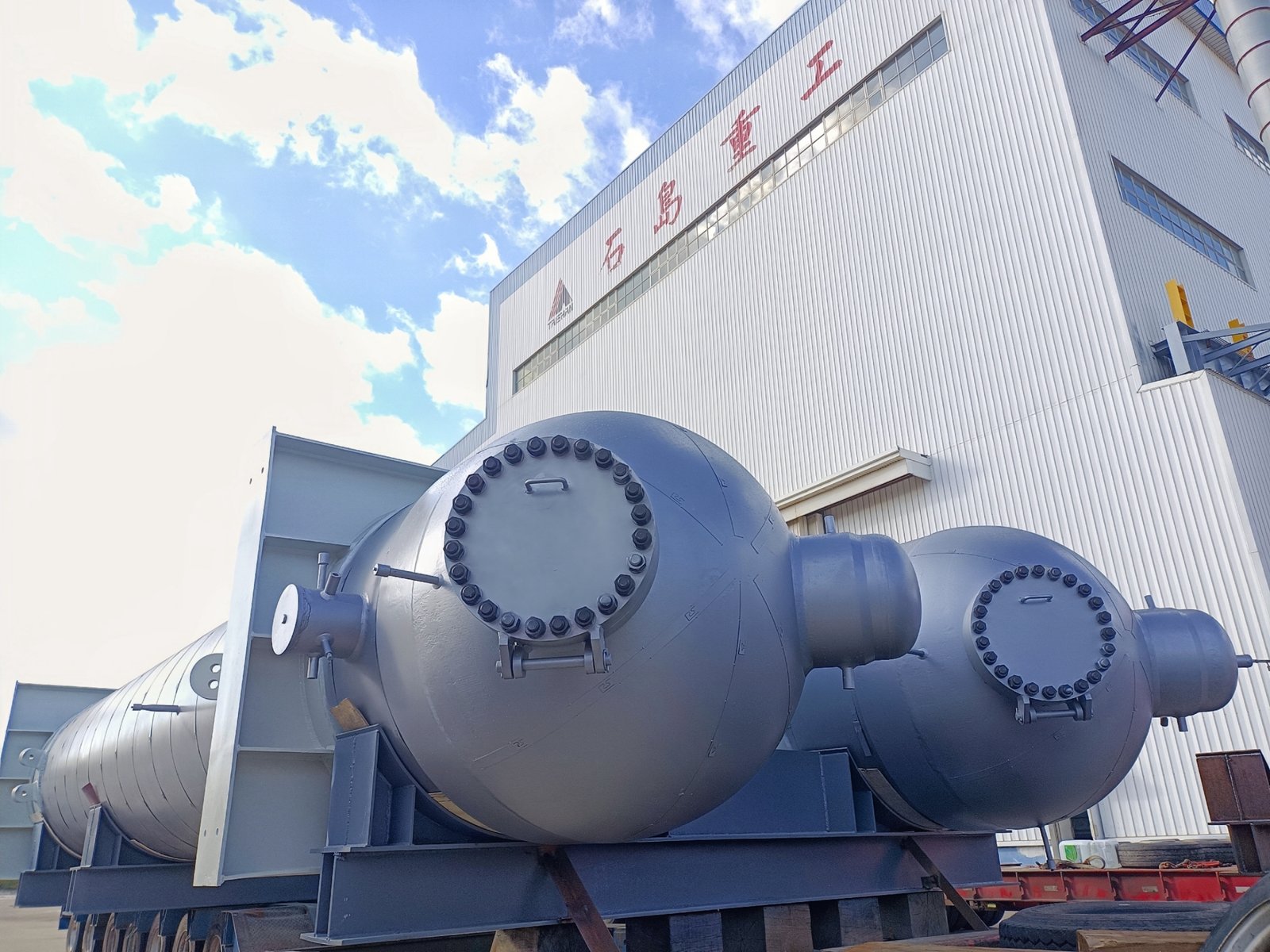

What Are the Main Types of Heat Exchangers and Their Industrial Applications?

In modern industrial systems, efficient thermal energy transfer is critical. Poor heat exchange can lead to energy loss, increased operational costs, equipment wear, and even safety hazards. Many industries struggle to select the right type of heat exchanger due to the complexity of designs and the diversity of applications. Choosing an unsuitable type can result […]
Is on-site technical support or commissioning service included with the heat exchanger purchase?

One of the most common sources of confusion and project risk in heat exchanger installations is the assumption that on-site support or commissioning is automatically included in the purchase. In reality, this service varies widely between manufacturers and contracts—and not having proper technical supervision during start-up can lead to costly errors, safety hazards, and warranty […]
What Is the Lead Time for Manufacturing and Delivering the Heat Exchanger?

In project planning and procurement, underestimating the lead time for a heat exchanger can trigger costly delays, missed commissioning deadlines, and contractual penalties. Whether you’re installing a unit in a petrochemical plant, a food processing facility, or a geothermal station, the delivery schedule of your heat exchanger plays a pivotal role in keeping your timeline […]
What Are the Key Specifications When Purchasing a Heat Exchanger?

When selecting a heat exchanger, many engineers and procurement specialists face uncertainty about which specifications truly matter. Making the wrong choice can lead to efficiency losses, system failures, or excessive operational costs. A mismatch in design and actual performance requirements could severely impact your process outcomes. To avoid these issues, understanding the key specifications during […]
What Are the Differences Between Shell and Tube, Plate, Air-Cooled, and Double-Pipe Heat Exchangers?

Selecting the right heat exchanger can be overwhelming—especially when each type looks different, performs differently, and suits specific operating conditions. Choosing incorrectly can result in high energy consumption, fouling, poor heat transfer, or premature equipment failure. Fortunately, understanding how each design works and where it performs best allows engineers and plant managers to avoid downtime […]
What Is the Working Principle of a Heat Exchanger?

Heat exchangers are the unsung heroes behind efficient energy usage in countless industries—from power plants and chemical refineries to air conditioning and food processing. But without a clear understanding of how they work, engineers risk underutilizing them or designing inefficient systems. Fortunately, while their designs may vary, all heat exchangers share a common operating principle […]
How Do You Choose the Right Type of Heat Exchanger for Your Application?

How Do You Choose the Right Type of Heat Exchanger for Your Application? Selecting the wrong type of heat exchanger can lead to operational inefficiencies, higher energy consumption, frequent maintenance, and costly downtime. In complex industries like chemical processing, HVAC, oil & gas, and food & beverage, the performance of a heat exchanger directly impacts […]
How does a Breech Lock Type Heat Exchanger reduce downtime and leakage risks compared to bolted channel designs?

In critical process industries—like petrochemicals, power generation, and offshore oil & gas—every hour of downtime equals lost revenue and every leak introduces safety, environmental, and compliance risks. Traditional bolted channel heat exchangers often require extensive disassembly, retorquing, and gasket replacements during maintenance, which not only increases service time but also introduces potential for human error […]
How do you define design pressure, design temperature, and corrosion allowance when Purchasing a Shell and Tube Heat Exchanger??

When purchasing a shell and tube heat exchanger, defining design pressure, design temperature, and corrosion allowance correctly is non-negotiable. These three values dictate the exchanger’s mechanical design, material selection, wall thickness, compliance with ASME or international codes, and ultimately its safety and service life. If these parameters are misjudged or left vague in procurement specifications, […]
How Do You Choose the Right Hairpin Heat Exchanger for Your Application?

In many critical industrial processes—such as in petrochemical, oil & gas, and power generation—selecting the wrong heat exchanger can lead to system inefficiencies, increased operational costs, or even equipment failure. Hairpin heat exchangers, known for their compact design and high thermal efficiency, are often ideal for demanding applications. However, choosing the right hairpin heat exchanger […]