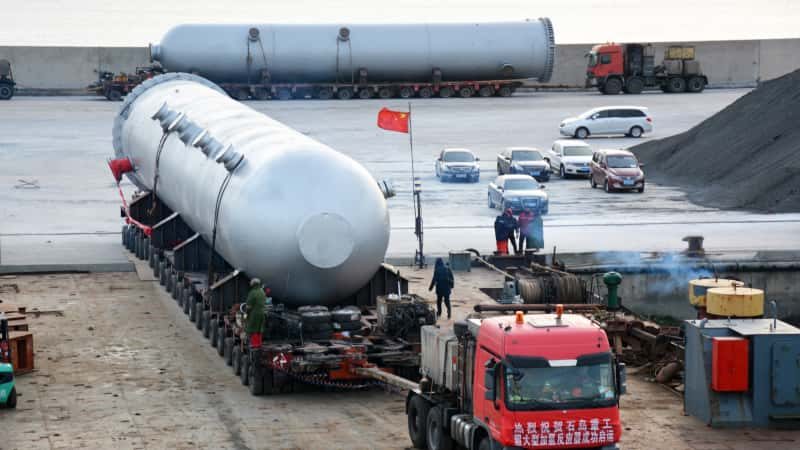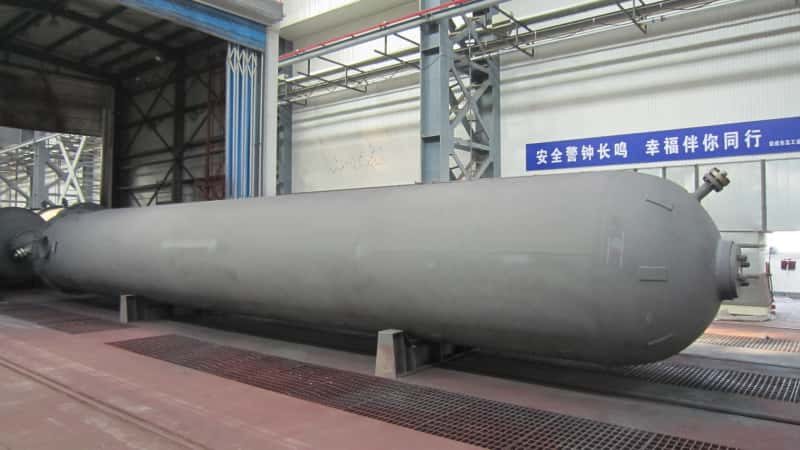

Refinery upgrade projects are increasingly focused on operational flexibility: processing more crude types, improving product yields, reducing reliability risks, and modernizing aging units without unnecessary expansion. For EPC buyers, this means refinery upgrade equipment must be reviewed as a connected package of process columns, heat exchangers, separators, pressure vessels, and large storage tanks. The purchasing decision is not only about equipment price. It is also about process compatibility, mechanical reliability, inspection scope, delivery timing, and how each vessel fits the refinery’s upgrade schedule.
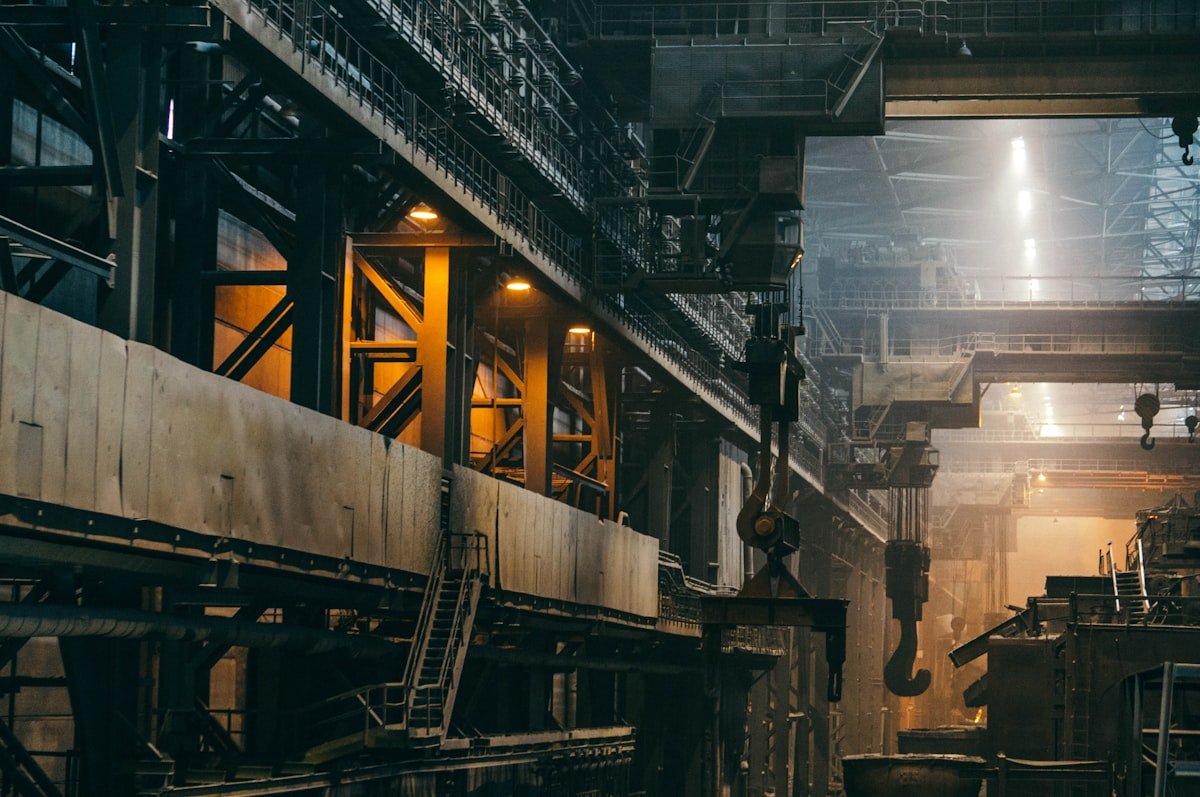
Refinery upgrade equipment for flexible crude processing should be reviewed as a connected EPC package, not as isolated vessel purchases.True
Columns, exchangers, separators, reactors, pressure vessels, and storage tanks share process, layout, shutdown, inspection, and delivery interfaces.
Crude flexibility has little effect on refinery equipment selection.False
Different crude oils can change sulfur content, acidity, chloride risk, fouling tendency, vapor pressure, solids, and corrosion behavior, which can affect materials and inspection scope.
Why Refinery Upgrade Equipment Matters Now
Recent refinery investment news shows a clear pattern: many operators are prioritizing upgrades, crude flexibility, efficiency, and reliability instead of only building new grassroots capacity. For example, the Dung Quat Refinery Upgrade and Expansion Project in Vietnam moved into EPC implementation in 2026, with the project intended to increase refinery capacity and enable processing of more crude oil types. Oil & Gas Journal has also reported that refining capital spending remains disciplined, with many refiners directing investment toward maintenance, reliability, selective upgrades, efficiency improvements, and regulatory compliance.
This environment is highly relevant for EPC procurement teams. A refinery upgrade may require custom pressure vessels, process columns, heat exchangers, gas-liquid separation vessels, drums, reactors, and large storage tanks. These are not standard catalog products. They must be aligned with the refinery’s process design, operating window, site layout, inspection requirements, and shutdown schedule.
What Is Included in Refinery Upgrade Equipment?
The final equipment scope depends on the unit being upgraded, such as crude distillation, vacuum distillation, hydrotreating, catalytic reforming, sulfur recovery, gas treatment, product blending, or tank farm modernization. However, several categories of equipment are common across many refinery upgrade projects.
Process Towers and Columns
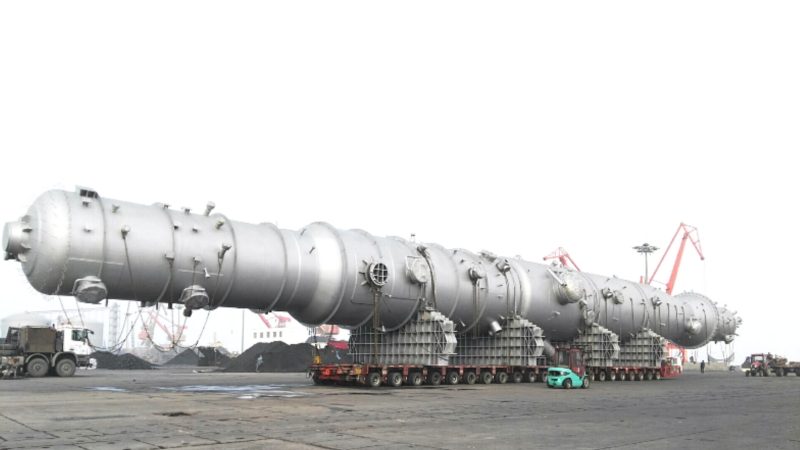
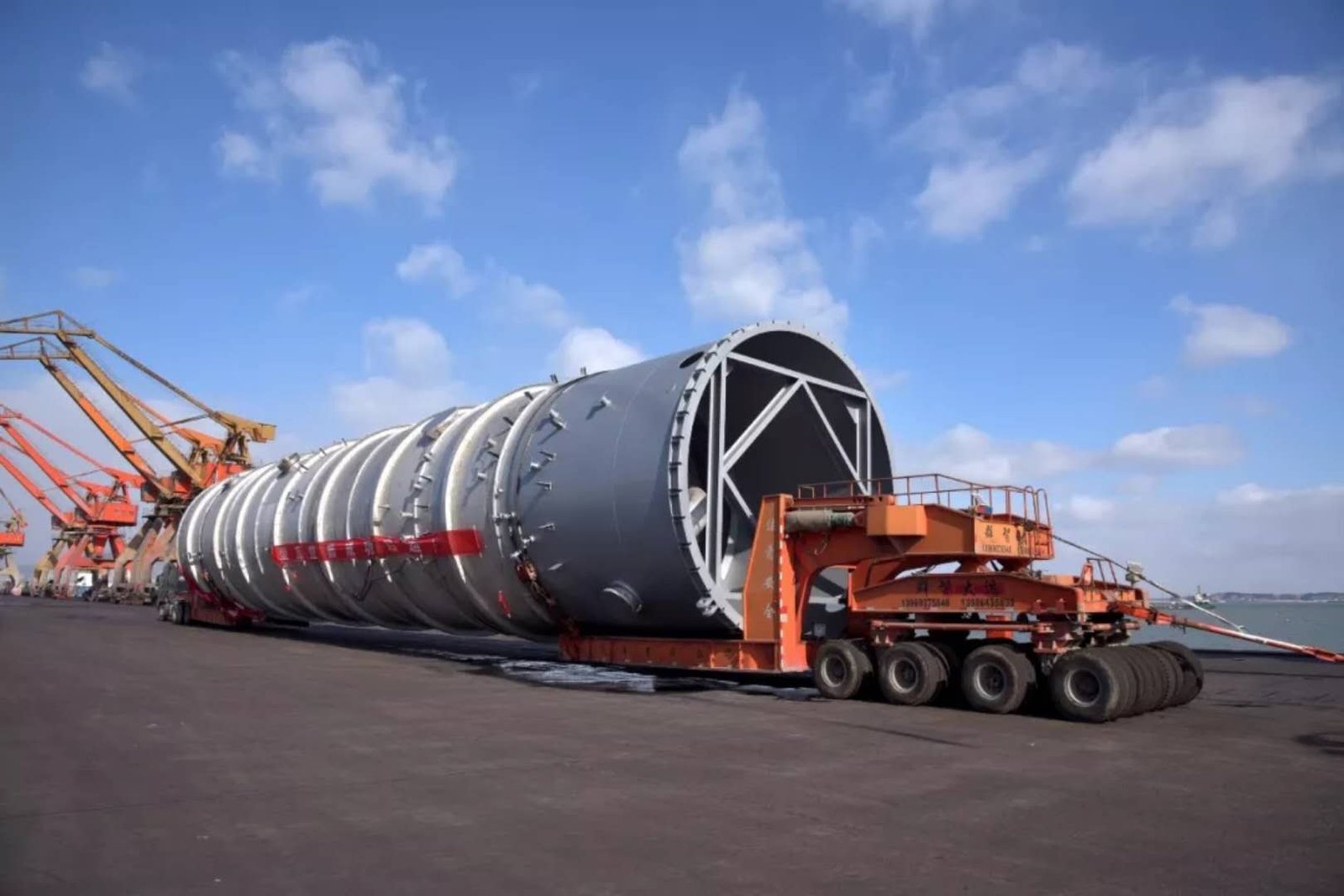
Refinery upgrades often involve distillation, stripping, absorption, fractionation, or product recovery duties. Process towers and columns may be used in crude units, vacuum units, stabilizers, fractionators, absorbers, and stripping sections.
For EPC buyers, column procurement should begin with clear process datasheets, design pressure and temperature, corrosion allowance, material requirements, nozzle orientation, support arrangement, inspection requirements, and transport limits. Even when process internals are specified by another party, the vessel procurement focus should remain on the complete pressure boundary, fabrication quality, dimensional control, testing, documentation, and delivery condition.
Heat Exchangers
Heat exchangers are central to refinery upgrades because energy efficiency and heat integration have a direct impact on operating cost. Preheat trains, condensers, reboilers, coolers, and process-to-process exchangers may all be reviewed during a refinery revamp.
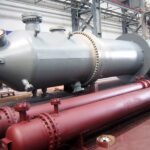
For rugged refinery duties, industrial heat exchangers are often customized around heat duty, fluid properties, fouling tendency, allowable pressure drop, tube-side and shell-side design conditions, corrosion risk, and maintenance access. In high-temperature or high-pressure services, the mechanical design should be reviewed carefully against the applicable project code and refinery specification.
Separation Vessels and Drums
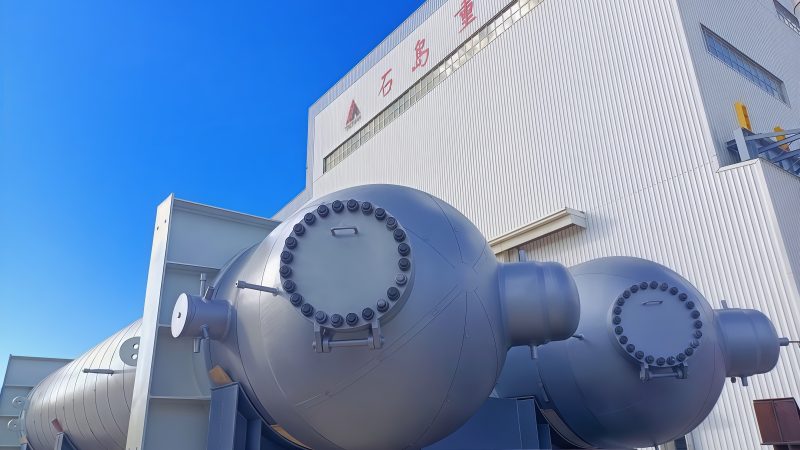
Refinery units commonly require flash drums, knock-out drums, surge drums, accumulators, and gas-liquid separation vessels. These vessels help manage phase separation, pressure stabilization, liquid carryover control, and safe process operation. They should be purchased as complete engineered vessels, not as isolated internal components.
Important procurement parameters include flow rate, vapor-liquid ratio, residence time, operating pressure, design pressure, temperature range, liquid level control philosophy, medium composition, corrosion allowance, nozzle arrangement, support type, and inspection scope.
Reactors and High-Pressure Vessels
Refinery upgrades involving hydrotreating, hydrocracking, reforming, or hydrogen-related service may require reactors or other high-pressure process vessels. These services can involve elevated temperature, hydrogen exposure, sour service, catalyst-related requirements, and stricter material or inspection controls.
For these applications, EPC buyers should confirm the applicable code, material class, welding requirements, heat treatment expectations, NDE plan, hydrostatic test requirements, and third-party inspection points before purchase order release.
Large Refinery Storage Tanks
Tank farm modernization is often part of refinery upgrade planning, especially when a refinery needs to handle additional crude grades, intermediate streams, finished products, or off-spec material. Industrial storage tanks should be specified for large project-scale service, above 1,000 liters, with careful review of medium properties, corrosion behavior, vapor pressure, operating temperature, foundation interface, coating or lining requirements, and delivery method.
Where flammable hydrocarbons or hazardous media are involved, tank design and operation should be reviewed according to the latest project standards, site safety requirements, and local regulatory expectations.
Key Selection Factors for EPC Buyers
Crude Flexibility and Medium Compatibility
A refinery upgrade may be designed to process a wider range of crude oils or intermediate streams. This can change sulfur content, acidity, chloride risk, fouling tendency, vapor pressure, solids content, and corrosion behavior. Equipment selection should therefore be based on the full expected operating envelope, not only one normal case.
Before requesting quotations, buyers should prepare feed and product properties, normal and design operating conditions, corrosion data where available, fouling assumptions, and required material specifications. This helps manufacturers evaluate wall thickness, material procurement, welding requirements, and testing scope more accurately.
Design Codes and Project Specifications
Refinery pressure vessels may be designed to ASME, GB, EN, or other project-specified standards. The applicable code should be defined by the EPC contractor, owner, and inspection authority. For international projects, buyers should also confirm documentation language, inspection agency involvement, material certificate requirements, welding procedure requirements, and final dossier format.
For general reference, EPC teams may review the ASME BPVC Section VIII pressure vessel code overview. However, final compliance decisions should always follow the project specification and the latest regulatory requirements.
Shutdown Window and Delivery Schedule
Refinery upgrade projects are often tied to planned shutdowns or staged construction windows. Delayed equipment delivery can affect mechanical completion, piping installation, insulation, testing, commissioning, and restart planning. Large columns, exchangers, and pressure vessels may require long-lead material procurement, heavy fabrication, heat treatment, NDE coordination, surface treatment, and special transport planning.
A practical RFQ should include the required delivery date, shipping terms, site access constraints, maximum transport dimensions, lifting requirements, and whether partial delivery is acceptable.

Manufacturing and Quality Control Considerations
For refinery upgrade equipment, manufacturing capability matters because equipment must fit both process requirements and site installation requirements. A qualified manufacturer should support drawing review, material procurement, welding fabrication, dimensional inspection, nondestructive examination, pressure testing, surface preparation, coating, packaging, and export delivery.
Typical quality control points may include material traceability, welding procedure qualification, welder qualification, fit-up inspection, visual inspection, radiographic testing or ultrasonic testing where specified, post-weld heat treatment where required, hydrostatic testing, coating inspection, and final documentation.
As a large-scale pressure vessel manufacturer, WSHI focuses on complete industrial equipment manufacturing for refinery, petrochemical, chemical, oil and gas, and environmental projects. Buyers can also review WSHI’s pressure vessel product catalog when preparing an early-stage equipment list or RFQ package.
Common Mistakes in Refinery Upgrade Procurement
One common mistake is issuing RFQs with incomplete process data. Without confirmed pressure, temperature, medium composition, material requirements, inspection level, and delivery boundary, quotations may not be technically comparable.
Another mistake is purchasing equipment without enough layout coordination. Nozzle orientation, support position, maintenance access, platform interface, transport saddles, and lifting points can affect installation and piping work. These details should be reviewed before fabrication drawings are released.
A third mistake is treating each vessel as an isolated purchase. In refinery upgrades, process columns, heat exchangers, separation vessels, and storage tanks are connected through process flow, piping layout, maintenance strategy, and shutdown planning. Coordinated procurement reduces the risk of field modification and schedule delay.
What Should Buyers Prepare Before Requesting a Quotation?
EPC buyers should prepare process datasheets, mechanical drawings if available, medium composition, operating and design pressure, operating and design temperature, material requirements, corrosion allowance, applicable code, NDE requirements, pressure test requirements, coating or lining requirements, site layout constraints, delivery terms, and required documentation.
If the project is still in early design, it is useful to share preliminary datasheets and expected operating conditions. This allows the manufacturer to identify fabrication risks, long-lead materials, transport constraints, and documentation requirements before the final purchase stage.
FAQ
What equipment is commonly needed in a refinery upgrade project?
A refinery upgrade may require process columns, heat exchangers, pressure vessels, separation vessels, reactors, drums, and large storage tanks. The exact scope depends on the unit being upgraded and the EPC design basis.
Why does crude flexibility affect equipment selection?
Different crude oils may have different sulfur content, acidity, chloride risk, fouling tendency, vapor pressure, and corrosion behavior. Equipment should be selected based on the full operating envelope rather than a single normal case.
What should EPC buyers include in a refinery equipment RFQ?
Buyers should include datasheets, drawings, medium properties, design pressure and temperature, material requirements, applicable code, NDE scope, pressure test requirements, coating requirements, delivery terms, and documentation expectations.
Are refinery heat exchangers standard products?
Most refinery heat exchangers are customized according to heat duty, fluid properties, fouling tendency, pressure drop limits, materials, inspection requirements, and site maintenance requirements.
Why is delivery planning important for refinery upgrade equipment?
Refinery upgrades are often linked to shutdown or staged construction windows. Late delivery of large vessels, columns, or exchangers can affect piping installation, testing, commissioning, and restart schedules.
Conclusion
Refinery upgrade equipment for flexible crude processing should be planned as a complete project equipment scope. Process columns, heat exchangers, separators, pressure vessels, reactors, and large storage tanks all influence refinery reliability, crude flexibility, energy efficiency, installation schedule, and long-term maintenance.
If you are preparing a refinery upgrade, crude unit revamp, petrochemical integration, or tank farm modernization project, you can share your equipment list, datasheets, drawings, operating conditions, inspection requirements, and delivery terms with WSHI. Our engineering and manufacturing team can help discuss the feasibility of custom pressure vessels, process columns, heat exchangers, separation vessels, and large industrial storage tanks for your project requirements.