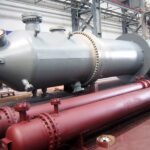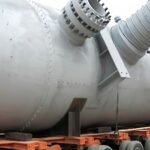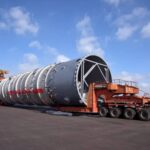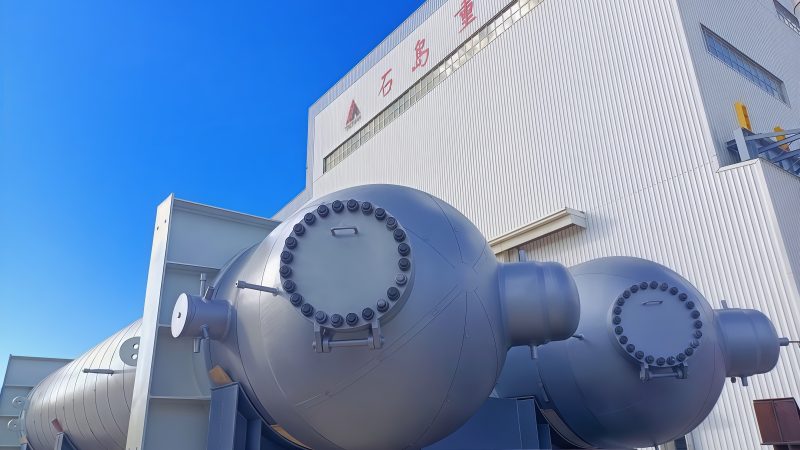
Replacing a large reactor in an operating chemical plant is not a normal equipment purchase. EPC buyers must coordinate fabrication, inspection, shutdown windows, lifting access, structural interfaces, piping tie-ins, delivery timing, and pre-startup safety review before the old vessel can be removed and the new one installed. A reactor replacement project can affect production continuity, site safety, and commissioning risk.
A published EXCEL reactor replacement project describes the complexity of replacing an aging reactor in a chemical/petrochemical plant while production continued nearby. The project involved structural demolition, building modifications, a congested work area, critical lifts, and an aggressive restart schedule. For EPC buyers, this type of project shows why reactor replacement should be planned as a complete pressure vessel procurement and site execution package.
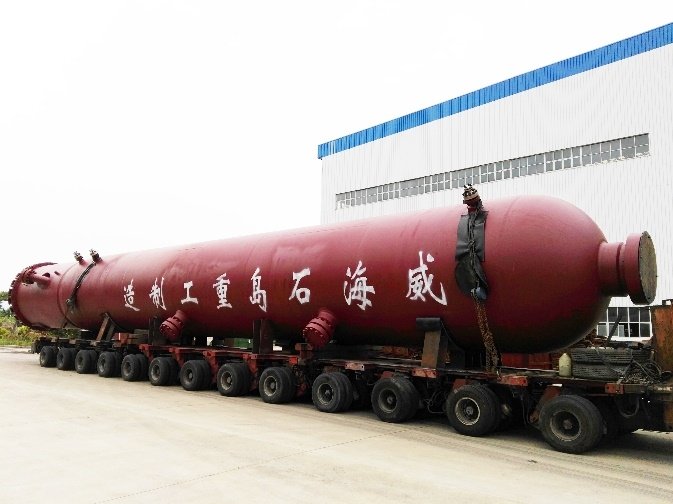
Large chemical reactor replacement should be planned as a complete pressure vessel procurement and site-interface project, not only as a like-for-like vessel order.True
Existing plant dimensions, nozzle orientation, lifting access, shutdown windows, inspection findings, materials, documentation, and delivery route can all affect replacement success.
A replacement reactor can always be ordered from old drawings without checking the actual site.False
Older plants may have field modifications, structural constraints, piping changes, or access limitations that must be verified before fabrication drawings are approved.
What Is Reactor Replacement Planning?
Reactor replacement planning is the process of evaluating, specifying, fabricating, inspecting, transporting, and installing a new reactor vessel to replace an existing unit in an operating chemical plant. The replacement may be driven by corrosion, mechanical damage, process expansion, catalyst change, higher throughput, updated materials, inspection findings, or lifecycle limits.
For procurement teams, the reactor is usually a complete pressure vessel package, not a collection of small parts. The scope may include the vessel body, heads, nozzles, supports, lifting points, surface treatment, inspection documents, pressure testing, packing, and delivery. Any small interfaces or accessories should be discussed only within the full reactor equipment boundary.
WSHI supports project-based manufacturing of custom pressure vessels and reactor vessels for chemical, petrochemical, oil and gas, fertilizer, new energy, and environmental engineering applications.
Why Reactor Replacement Is More Complex Than New Equipment Procurement
A new plant project gives EPC teams more flexibility in layout and schedule. A replacement project is different. The new reactor must fit an existing plant, connect to existing piping, respect current foundations or structural modifications, and arrive within a shutdown or tie-in window.
For an operating facility, buyers should confirm:
- Existing reactor drawings and actual site measurements
- Shutdown and restart schedule
- Piping and nozzle interface requirements
- Lifting path and crane access
- Foundation, saddle, skirt, or support constraints
- Hazardous area and process safety requirements
- Inspection records and replacement reason
- Transport route and delivery restrictions
OSHA’s process safety guidance notes that changes to equipment, procedures, or facilities other than replacement in kind require management of change review, and that pre-startup review is important when existing processes are modified. This is highly relevant to reactor replacement projects.
Key Equipment and Scope Items
Reactor Pressure Vessel
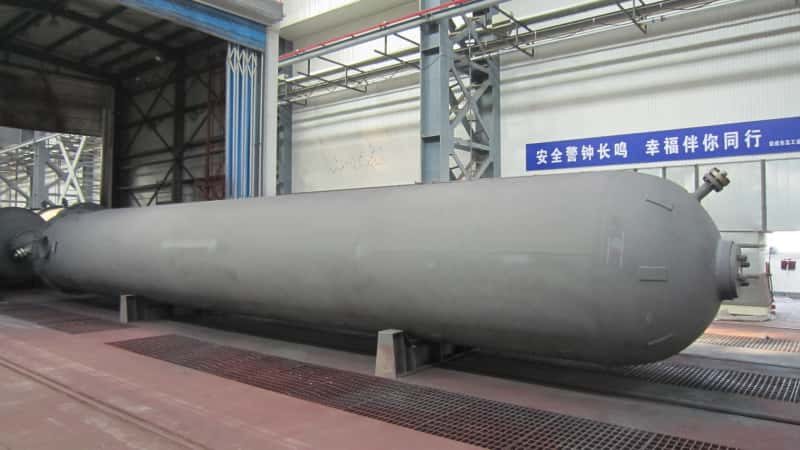
The reactor vessel is the main fabricated equipment. Buyers should specify design pressure, design temperature, operating pressure, operating temperature, medium composition, phase condition, corrosion allowance, material grade, heat treatment requirements if any, NDE scope, and pressure test requirements.
Depending on project conditions, reactor vessels may be designed and fabricated according to ASME BPVC requirements or other applicable pressure vessel standards. The final code basis must follow the owner specification, destination-country regulations, and qualified engineering review.
Heat Exchangers and Thermal Integration
Reactor replacement may affect heat balance, preheating, cooling, vapor condensation, or downstream temperature control. EPC buyers may need to review industrial heat exchangers or a shell and tube heat exchanger if the replacement reactor changes process duty or operating conditions.
Separators, Towers, and Supporting Vessels
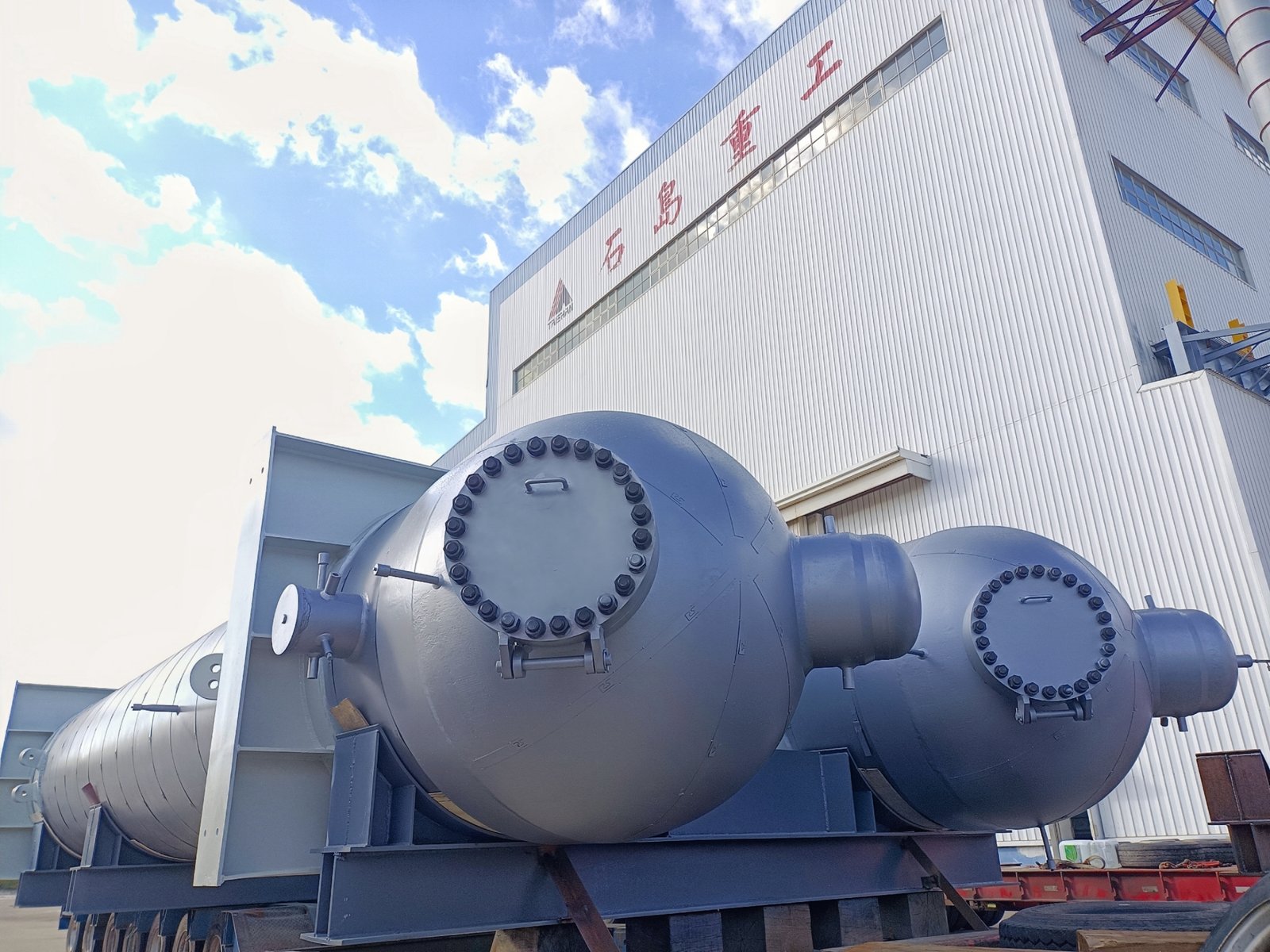
A reactor replacement may also require upstream or downstream equipment review. Separators, knock-out vessels, condensate receivers, scrubber towers, or process towers and columns may need interface confirmation if flow rate, temperature, pressure, or reaction products change.
Large Storage and Holding Tanks
Replacement projects sometimes require temporary storage, process liquid holding, cleaning liquid tanks, wastewater collection, or intermediate material storage. These should be planned as industrial storage tanks above 1,000L for project-scale chemical plant use.
What EPC Buyers Should Confirm Before Ordering
1. Existing Plant Interface
The new reactor should be checked against actual site dimensions, not only old drawings. Nozzle orientation, support elevation, foundation position, lifting clearance, platform interface, and piping tie-ins should be verified before fabrication drawings are approved.
2. Replacement Reason and Mechanical Risk
If the old reactor is being replaced because of corrosion, cracking, wall thinning, overheating, process change, or repeated maintenance issues, those findings should influence the new specification. Material upgrades, corrosion allowance, coating, cladding, or inspection requirements may need review.
3. Shutdown Window and Delivery Schedule
Large reactor fabrication requires material procurement, forming, welding, dimensional control, NDE, pressure testing, coating, documentation, and transport. EPC buyers should work backward from the shutdown window and avoid placing the reactor order too late.
4. Lifting, Transport, and Site Access
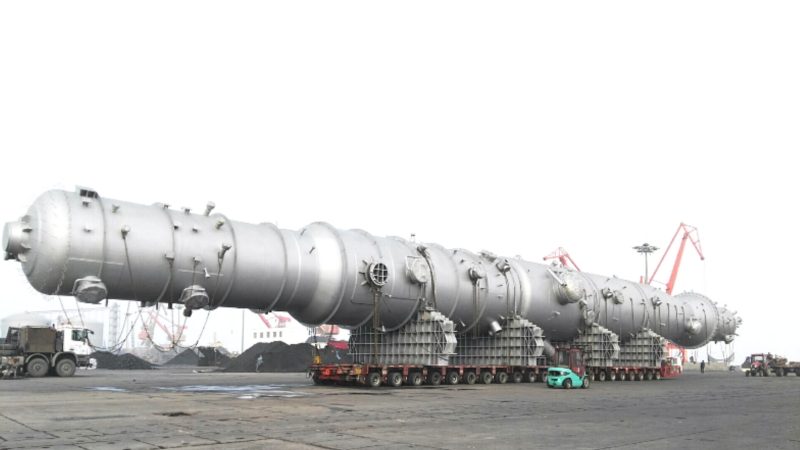
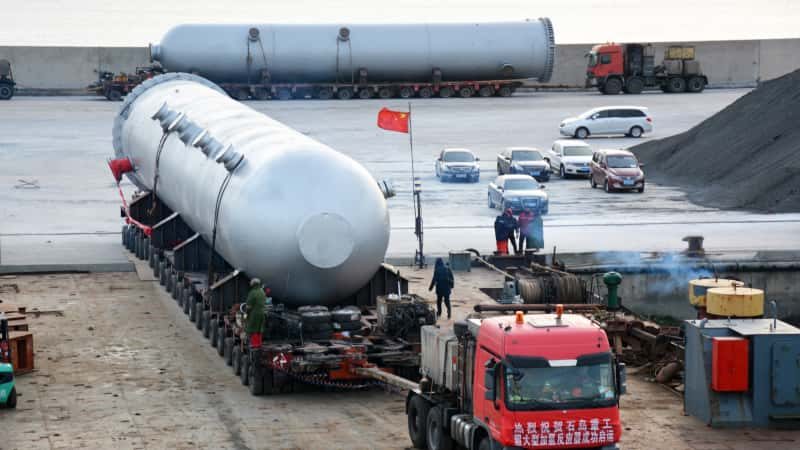
Heavy reactor vessels may require route surveys, lifting studies, temporary structural removal, special saddles, lifting lugs, or port delivery planning. As a large-scale pressure vessel manufacturer, WSHI can support manufacturing and delivery discussions for large fabricated equipment based on project drawings and shipping requirements.
5. Inspection and Documentation
EPC buyers should define material certificates, welding procedure documents, welder qualifications, NDE reports, dimensional inspection, heat treatment records if specified, pressure test records, coating reports, packing lists, and final data books. For export projects, document language and third-party inspection requirements should be agreed early.
Common Procurement Mistakes
One mistake is treating reactor replacement as a simple like-for-like purchase without checking actual site conditions. Older drawings may not reflect field modifications.
Another mistake is delaying lifting and transport review until after fabrication. A correctly manufactured reactor can still create project risk if it cannot pass the transport route or fit through the installation path.
A third mistake is requesting quotation without explaining the replacement reason. If corrosion, process change, or inspection findings caused the replacement, the new reactor specification may need more than dimensional matching.
FAQ
What information is needed before ordering a replacement reactor?
Buyers should provide existing drawings, updated datasheets, site measurements, replacement reason, design pressure and temperature, medium composition, material requirements, inspection scope, delivery schedule, and lifting or transport limits.
Is reactor replacement always a like-for-like purchase?
No. If the old reactor is being replaced because of corrosion, process change, damage, or capacity expansion, the new reactor may require updated materials, dimensions, inspection requirements, or interface design.
Which standards may apply to reactor pressure vessels?
ASME BPVC Section VIII or other applicable pressure vessel standards may apply, depending on project location, owner requirements, pressure level, and service conditions. Final standard selection requires engineering review.
Why is lifting planning important for reactor replacement?
Large reactors may need critical lifts, route checks, building modifications, or special handling. Lifting planning should be reviewed before fabrication and delivery.
Can WSHI handle full plant installation?
WSHI supports equipment manufacturing evaluation and project-based fabricated equipment supply. Site installation, lifting execution, pre-startup review, and operating approval should be handled by the EPC contractor, owner, and qualified specialists.
Conclusion
Reactor replacement planning for operating chemical plants requires close coordination between EPC engineering, plant operations, inspection teams, lifting contractors, and the equipment manufacturer. The best procurement package should define the complete reactor pressure vessel, site interfaces, inspection requirements, material basis, shutdown timing, delivery method, and supporting equipment scope.
If you are planning chemical reactor replacement, reactor pressure vessel procurement, process plant revamp, or shutdown-related equipment replacement, WSHI can support manufacturing evaluation for reactors, custom pressure vessels, heat exchangers, separators, and large storage tanks based on your drawings, datasheets, inspection findings, material requirements, and delivery expectations. You can contact our engineering team to discuss your project before quotation.