
Critical minerals projects depend on more than the equipment that processes ore or separates valuable elements. Reliable chemical reagent supply can also influence project planning. For EPC buyers evaluating chlor-alkali project equipment, the challenge is to translate the selected process into clearly defined duties for vessels, heat exchangers and large storage tanks. The procurement package must distinguish conventional fabrication opportunities from specialized chemical service and proprietary process technology.
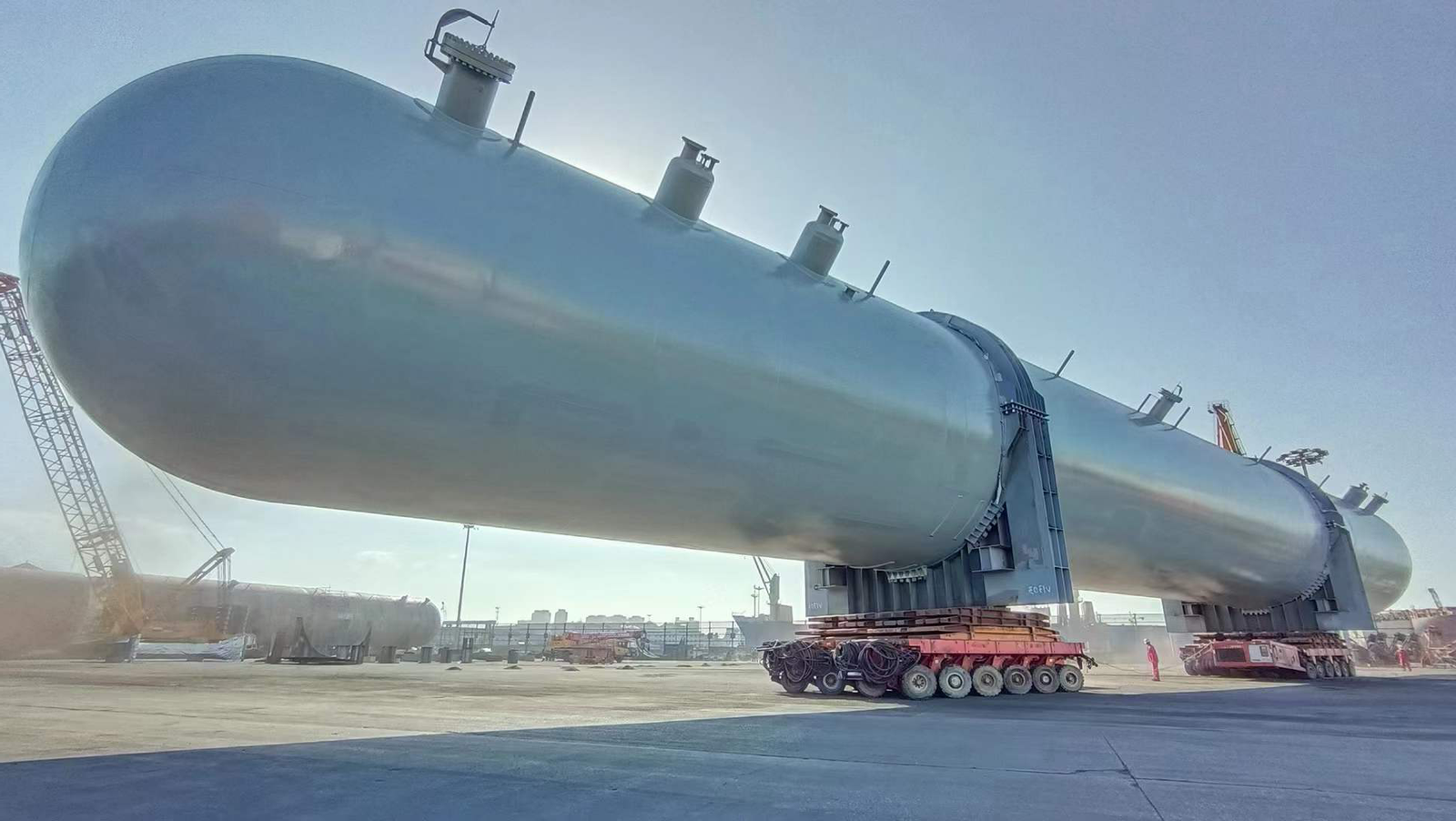
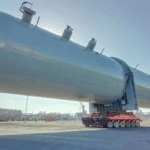
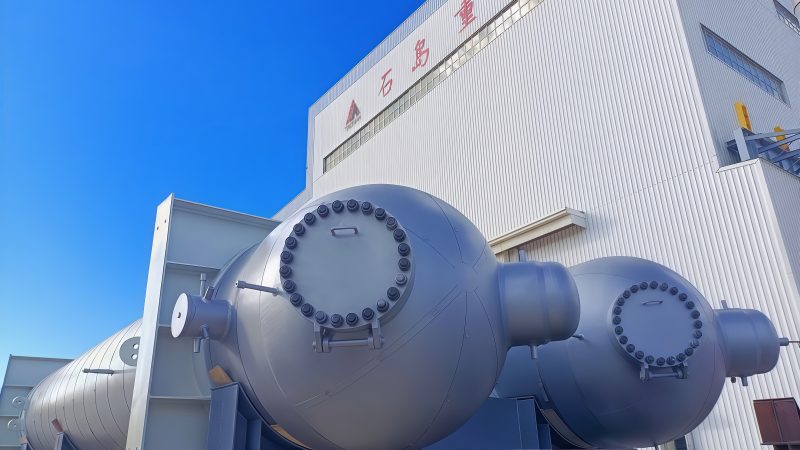
Representative storage equipment. Suitability for a particular chlor-alkali chemical requires project-specific materials and design review.
A Recent Project Announcement Highlights Reagent Supply
On September 22, 2026, Century Lithium announced plans for a commercial-scale chlor-alkali plant intended to support the western United States critical minerals supply chain and its Angel Island lithium project. The company reported site due diligence and non-binding offtake memoranda, with financing needed to support subsequent development activities. The announcement describes a proposed project, not an operating plant or a confirmed equipment purchasing programme. Source: Century Lithium’s official announcement.
For equipment buyers, the broader relevance is the relationship between chemical production and mineral-processing demand. Planning a reagent-production facility requires its own process definition, storage strategy and utility assessment. WSHI is not presented as a supplier to the announced project; the following discussion concerns general equipment procurement.
Separate the Electrolysis Package From Supporting Equipment
Chlor-alkali production uses electrolysis to produce chlorine, caustic soda and hydrogen from salt-based feed and water. Euro Chlor provides an introductory description of these products and the production principle in its chlorine overview. Downstream production of hydrochloric acid involves additional process equipment and should not be treated as an automatic function of the electrolyzer.
The technology provider should define the process route, performance requirements and package interfaces. Buyers can then identify which supporting vessels, thermal equipment and storage facilities may be procured separately. A list of generic equipment names is not enough to establish suitability for these services.
For custom pressure vessels, the enquiry should distinguish mechanical design and fabrication from process licensing, chemical production guarantees and plant-wide safety integration. Specialized chlorine-service equipment requires a separate capability assessment rather than being assumed part of a general vessel supplier’s scope.
Build an Equipment List Around Actual Duties
Brine and Other Liquid-Handling Equipment
Depending on the selected process, supporting equipment may include liquid holding, preparation or collection vessels. Each item needs an approved medium description, temperature range, pressure basis and capacity requirement. Salt content alone does not describe all the conditions relevant to materials selection or process suitability.
Identify impurities, suspended material and cleaning conditions where relevant. The process designer should also specify any feed-quality requirements imposed by the electrolysis technology. A fabrication supplier should not be expected to infer these requirements or guarantee brine purification from a vessel drawing.
Product and Intermediate Storage
Storage requirements should reflect production rate, delivery schedules, downstream consumption and the acceptable operating inventory. Different chemicals need separate engineering assessments; the phrase “chemical storage tank” does not establish suitability for chlorine, hydrochloric acid or caustic soda.
For industrial storage tanks above 1,000 liters, specify working capacity rather than relying only on total geometric volume. Confirm the actual chemical concentration, expected temperature, pressure or vacuum conditions and relevant storage duration. The owner and process designer must establish the associated containment and site-safety requirements.
Process and Collection Vessels
Other vessel duties may arise around separation, collection or intermediate process handling. Their inclusion depends on the approved flowsheet. Buyers should identify the required function and performance responsibility before requesting mechanical quotations.
A separator’s pressure rating does not demonstrate its ability to meet a process carryover limit. Similarly, a holding vessel does not automatically provide chemical treatment. Keep these distinctions explicit when dividing work between the process provider, EPC contractor and manufacturer.
Define Heat-Transfer Duties on Both Sides
Cooling or heating requirements may occur in supporting process streams and utility circuits. For each exchanger, identify whether it handles a hazardous process fluid directly or operates on an intermediate utility loop. These arrangements can have different materials, containment and inspection requirements.
When reviewing shell and tube heat exchangers, provide compositions, flow ranges, inlet and outlet conditions, allowable pressure drops and available utilities. Where thermal performance is included in the supplier’s responsibility, its guarantee conditions should be stated.
Do not assume a standard metallic exchanger is appropriate for every corrosive duty. Some applications may require materials or construction methods outside a supplier’s manufacturing scope. Identifying those limits early is more useful than obtaining a low quotation based on an unsuitable assumption.
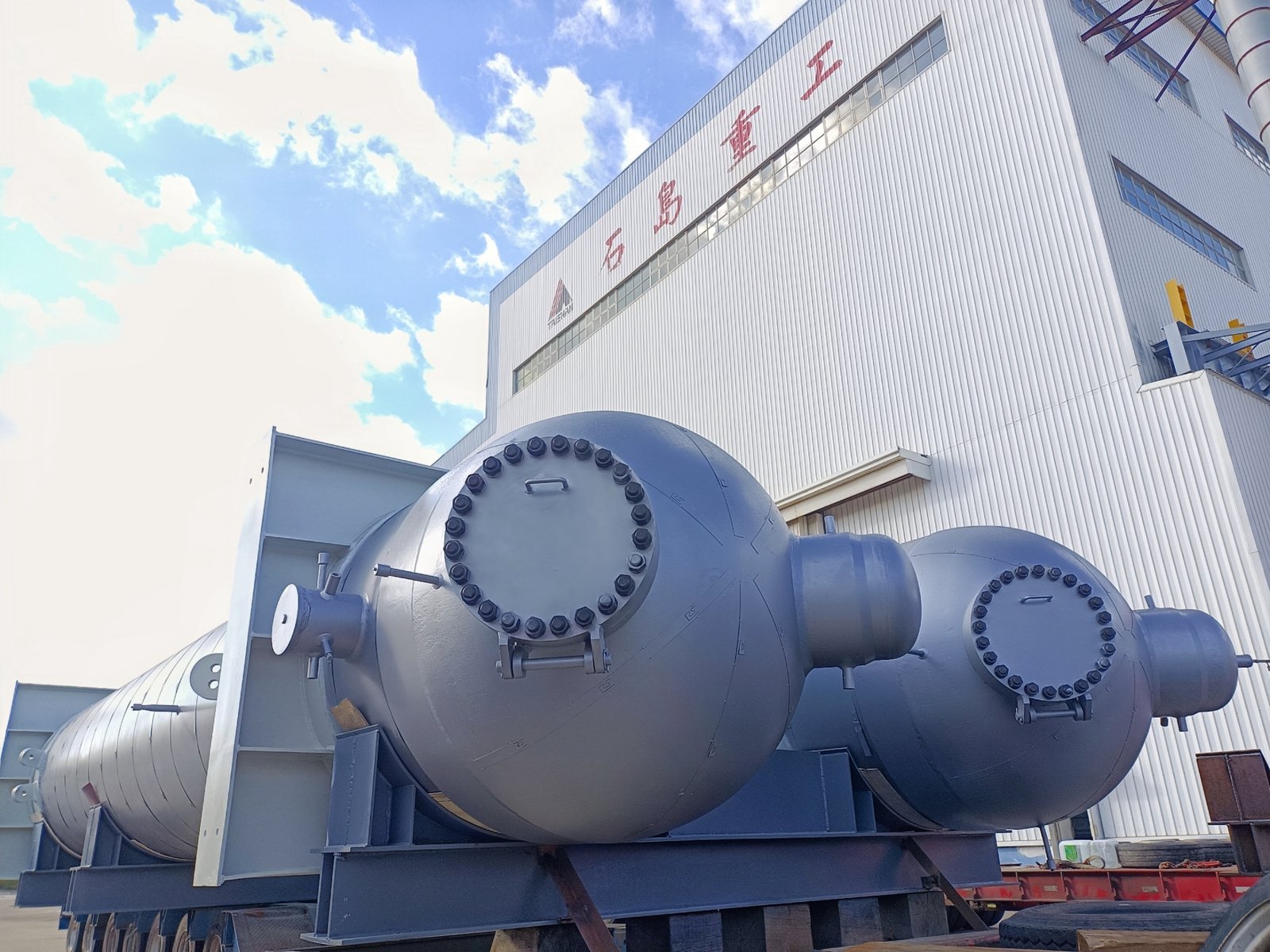
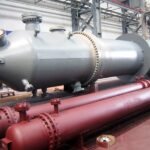
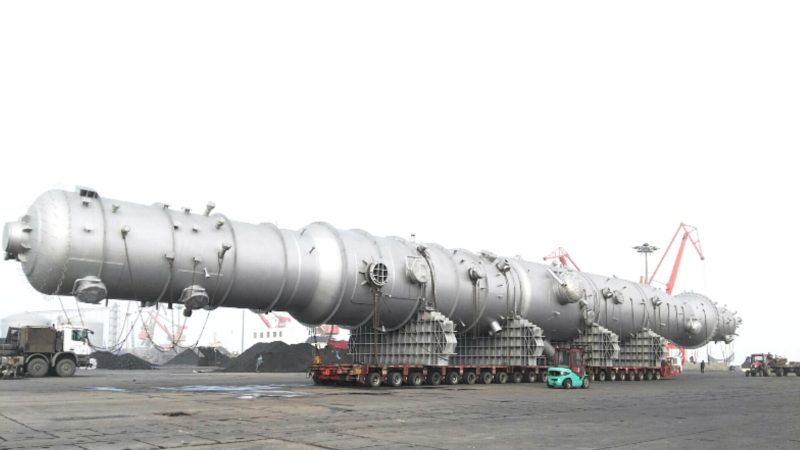
Representative heat-transfer equipment. This image does not establish suitability for direct chlorine, hydrochloric acid or caustic service.
Treat Material Selection as a Service-Specific Decision
Chemical name, concentration, temperature, moisture and impurities can all affect material selection. A material suitable for one condition may not remain suitable after a process change. Wet and dry chlorine service, for example, require distinct consideration and must not be treated as interchangeable descriptions.
Euro Chlor publishes specialized guidance covering chlorine-contact materials and corrosion behavior in wet and dry chlorine. Its technical guidance catalogue is a useful starting point for identifying relevant specialist references, not a substitute for a project materials assessment.
The enquiry should state the approved materials basis and identify unresolved decisions. Any proposed substitution needs engineering review and documented acceptance. Avoid accepting “corrosion-resistant construction” without a specific material, construction method and service envelope.
This article does not recommend a universal alloy, lining or corrosion allowance. Buyers should confirm that the proposed fabricator can meet the actual construction requirements and provide the necessary evidence.
Coordinate the Chemical Plant With Its Customers
A reagent-production facility and a mineral-processing plant may operate on different schedules. Production continuity, transport frequency and inventory requirements should therefore be evaluated together. Storage capacity should follow a defined logistics and operating basis rather than an arbitrary number of days.
Product concentration, temperature and quality at the transfer point also need agreement. If conditioning is required before delivery or use, identify where it occurs and which party supplies the necessary equipment.
Non-binding commercial interest should not be treated as a finalized equipment design basis. Where customer requirements remain provisional, quotations should identify assumptions and the consequences of later changes. This is particularly important for projects still developing their site, financing and engineering scope.
Make Manufacturing and Inspection Requirements Explicit
Once duties and materials are approved, translate them into equipment datasheets, drawings and an inspection plan. Relevant requirements may include material traceability, welding qualifications, specified examinations, applicable testing and dimensional verification. Specialized service may introduce additional requirements that must be agreed before manufacture.
The mechanical code, destination requirements and inspection responsibilities should be identified for each item. Not every tank is a pressure vessel, and not every vessel follows the same construction or acceptance route.
WSHI’s manufacturing activities include drawing development and engineering coordination, material procurement, welding, nondestructive examination, pressure testing where applicable, coating and heavy-equipment delivery. Buyers reviewing WSHI manufacturing capabilities should confirm suitability for each proposed duty. These capabilities should not be interpreted as an automatic offer of electrolysis technology or all chlorine-handling equipment.
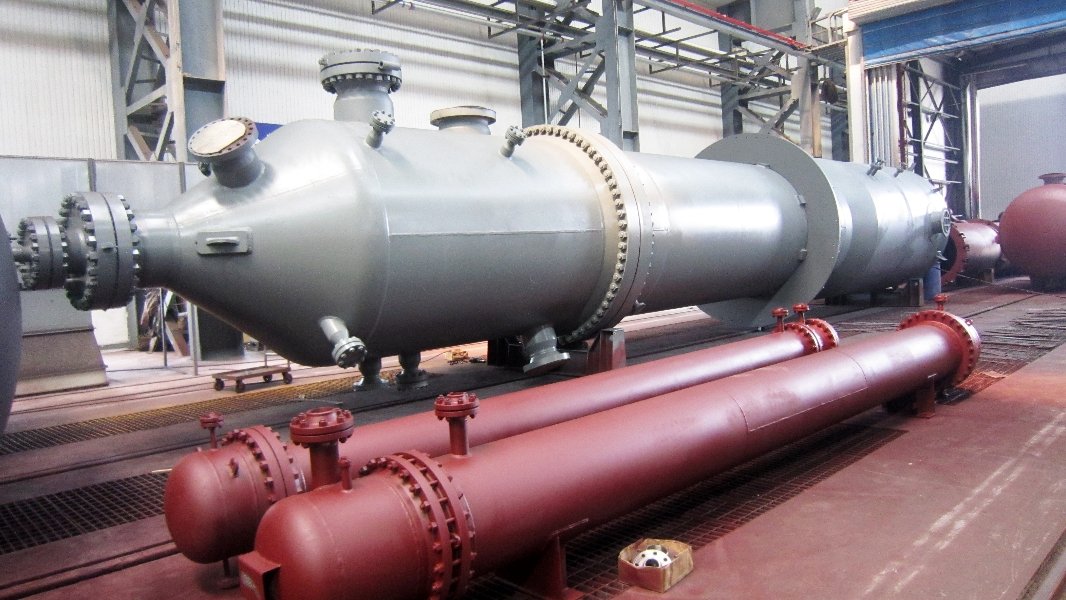
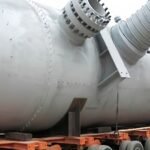
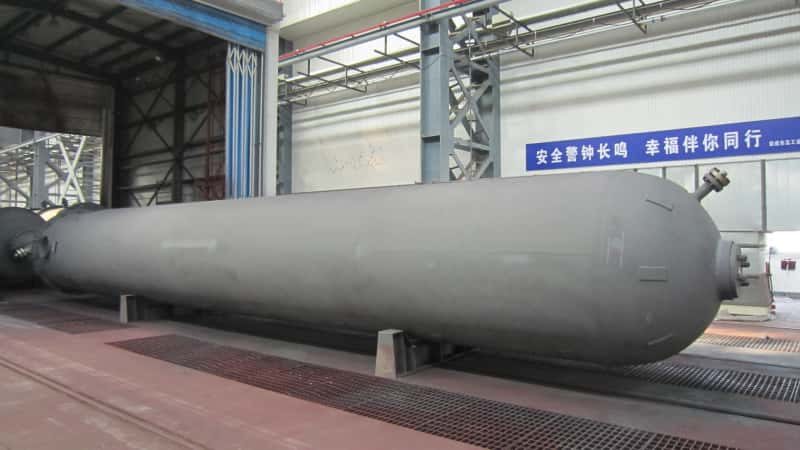
Representative fabrication workshop. Acceptance requires project-specific qualifications, approved procedures and manufacturing records.
Define Delivery Boundaries Before Award
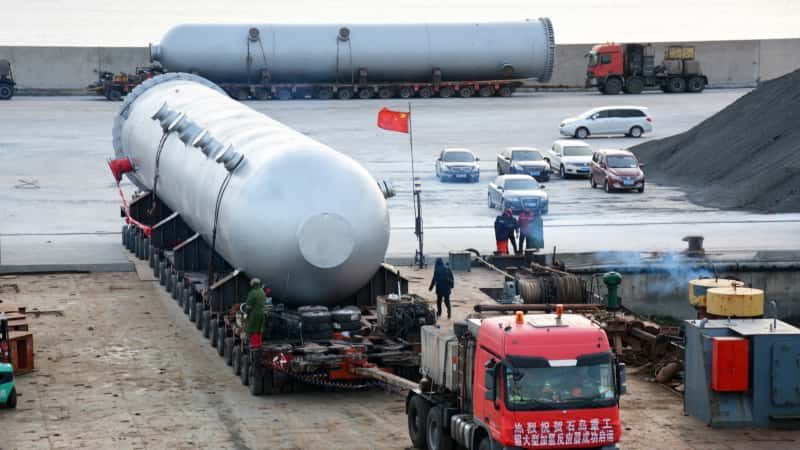
Large equipment procurement should identify transport dimensions, handling requirements, preservation and the agreed delivery location. Foundation and connection information may be needed before the equipment is ready for shipment, so engineering submissions belong in the procurement schedule.
Separate factory loading, port delivery, onward transport, site unloading and installation responsibilities. Commissioning support and process acceptance should also be assigned explicitly. A complete vessel supply does not necessarily include the services needed to commission an entire chemical facility.
FAQ
Does a chlor-alkali project need only an electrolyzer package?
No. The selected process determines the supporting chemical handling, thermal, storage and utility requirements. The technology provider and EPC team should define the complete scope.
Can one material specification cover all chemical storage tanks?
Not automatically. Each chemical and operating envelope requires assessment, including concentration, temperature and relevant impurities.
Can a general pressure vessel manufacturer supply chlorine-service equipment?
That must be confirmed for the specific duty. Required materials, fabrication methods, qualifications and inspection arrangements need separate verification.
What should buyers provide for an initial enquiry?
Provide approved equipment duties, compositions, operating and design conditions, materials requirements, applicable standards, inspection expectations and delivery boundaries. Clearly mark preliminary information.
Discuss Your Chemical Equipment Supply Scope
Effective chlor-alkali project equipment procurement begins with defined process duties and realistic supplier boundaries. If your project requires custom process vessels, suitable heat exchangers or industrial storage tanks above 1,000 liters, contact our engineering team with the equipment datasheets and preliminary drawings. A service-specific review can establish manufacturing feasibility, quality requirements and the proposed delivery scope.