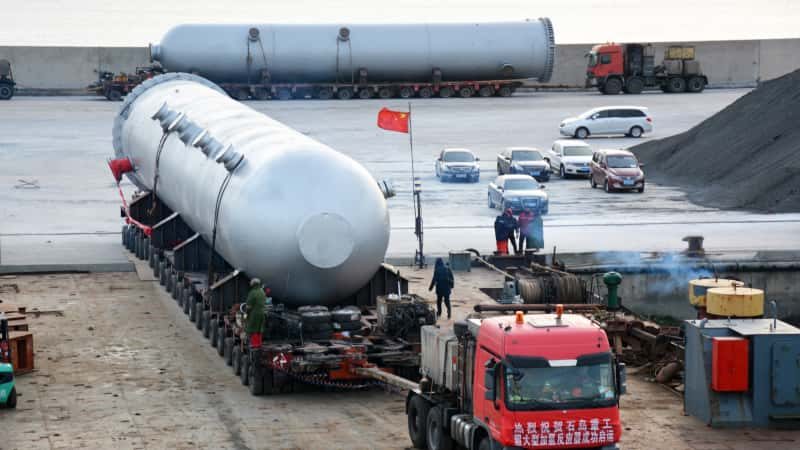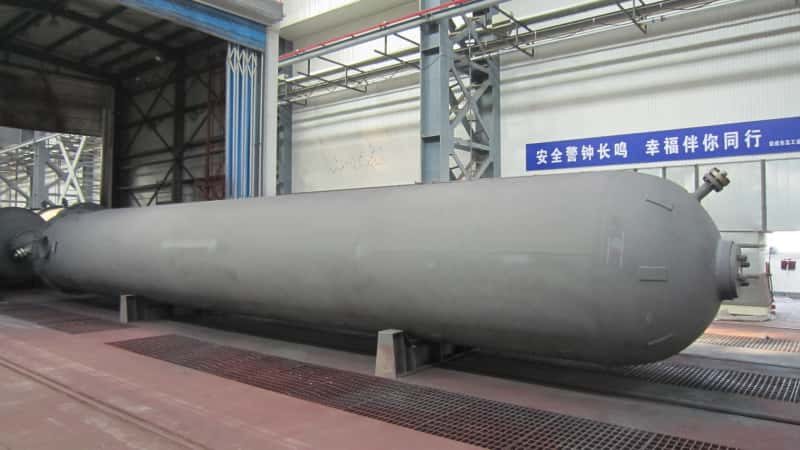

Chlorine absorption system equipment is used in chemical plants where chlorine-containing gas streams must be captured, absorbed, neutralized, or routed through controlled emissions treatment. For EPC buyers and project managers, the purchasing task is not simply buying a tower. It is defining a complete equipment package that may include absorber columns, scrubber towers, pressure vessels, circulation tanks, storage tanks, heat exchangers, duct interfaces, inspection requirements, and project delivery boundaries.
Recent industry news shows why this topic is relevant. Nuberg EPC lists chlorine absorption system work in its latest news, and related coverage reported an EPC mandate covering engineering, equipment supply, installation oversight, and performance assurance. For manufacturers and EPC buyers, this type of project highlights the demand for complete chemical emissions control equipment rather than isolated small components.
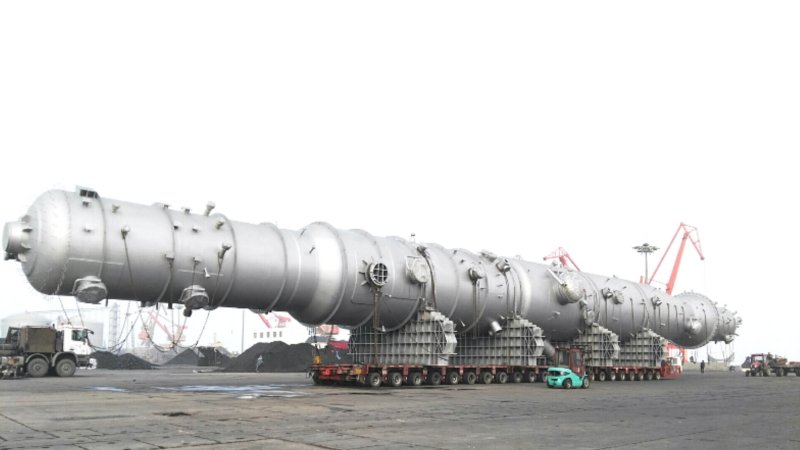
A chlorine absorption system should be purchased as a complete equipment package, not just as a tower shell.True
The package may include absorber columns, scrubber towers, circulation vessels, storage tanks, heat exchangers, materials, coating or lining, inspection, documentation, and delivery interfaces.
What Is a Chlorine Absorption System?
A chlorine absorption system is an engineered gas treatment package designed to handle chlorine-containing gas under defined operating conditions. Depending on the process, gas composition, flow rate, pressure, temperature, and treatment target, the system may use absorption, scrubbing, neutralization, cooling, liquid circulation, or emergency treatment arrangements.
For EPC procurement, the key equipment may include scrubber towers, absorber columns, custom pressure vessels, storage tanks, circulation vessels, heat exchangers, separators, and supporting fabricated equipment. The final scope should always be confirmed by process engineering, environmental specialists, and project safety review.
Where Chlorine Absorption Systems Are Used
Chlor-Alkali and Downstream Chemical Plants
Chlorine absorption systems are commonly relevant to chlor-alkali plants, sodium hypochlorite production, hydrochloric acid-related processes, disinfectant chemical production, and other chlorine-handling chemical units. These projects may require emergency absorption systems, process vent treatment, tail gas treatment, or safety-related gas handling equipment.
Chemical Emissions Control
Chemical plants may need gas scrubbing or absorption equipment to reduce release risk, manage process vents, or meet site environmental control requirements. The CDC chlorine emergency fact sheet notes that chlorine may appear as a gas or pressurized liquid and can create serious emergency hazards. NIOSH chlorine guidance also provides occupational exposure context. This is why equipment design, operation, and compliance should be handled by qualified professionals.
Integrated EPC Environmental Packages
In EPC projects, chlorine absorption is usually not a standalone tower purchase. It may connect with chemical dosing, tanks, pumps, piping, instruments, process controls, secondary containment, emergency systems, and final emissions monitoring. Buyers should define the complete package boundary before requesting a quotation.
Main Equipment in a Chlorine Absorption Package
Absorber Columns and Scrubber Towers
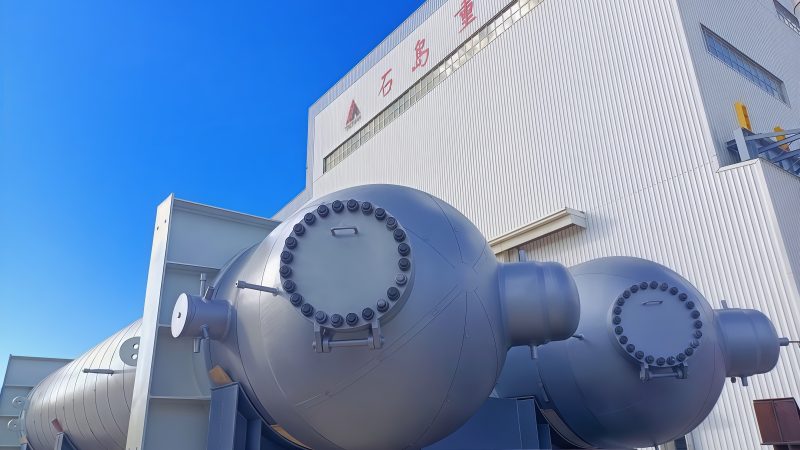
The absorber or scrubber is the core fabricated equipment in many chlorine absorption systems. A custom scrubber column should be specified as a complete tower or vessel, including shell, heads, nozzles, supports, inspection openings when specified, coating or lining requirements, and delivery scope.
Buyers should not treat internal parts or small accessories as standalone procurement targets. They should be defined only as part of the complete scrubber tower or absorption equipment package.
Circulation and Neutralization Vessels
Depending on the process design, a chlorine absorption system may include tanks or vessels for alkaline solution circulation, neutralization, collection, or emergency holding. These vessels should be specified according to liquid composition, pH range, temperature, pressure condition, corrosion risk, coating or lining requirements, and inspection expectations.
For large project storage needs, buyers may review industrial storage tanks as part of the system boundary.
Heat Exchangers and Cooling Equipment
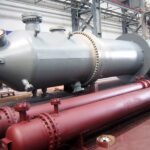
Absorption and neutralization processes may generate heat or require temperature control. In some projects, industrial heat exchangers may be used for cooling circulating liquid, process streams, or related utility services.
EPC buyers should provide thermal duties, inlet and outlet temperatures, medium composition, allowable pressure drop, materials, fouling expectations, and cleaning requirements before quotation.
Pressure Vessels and Separation Equipment
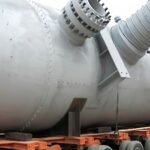
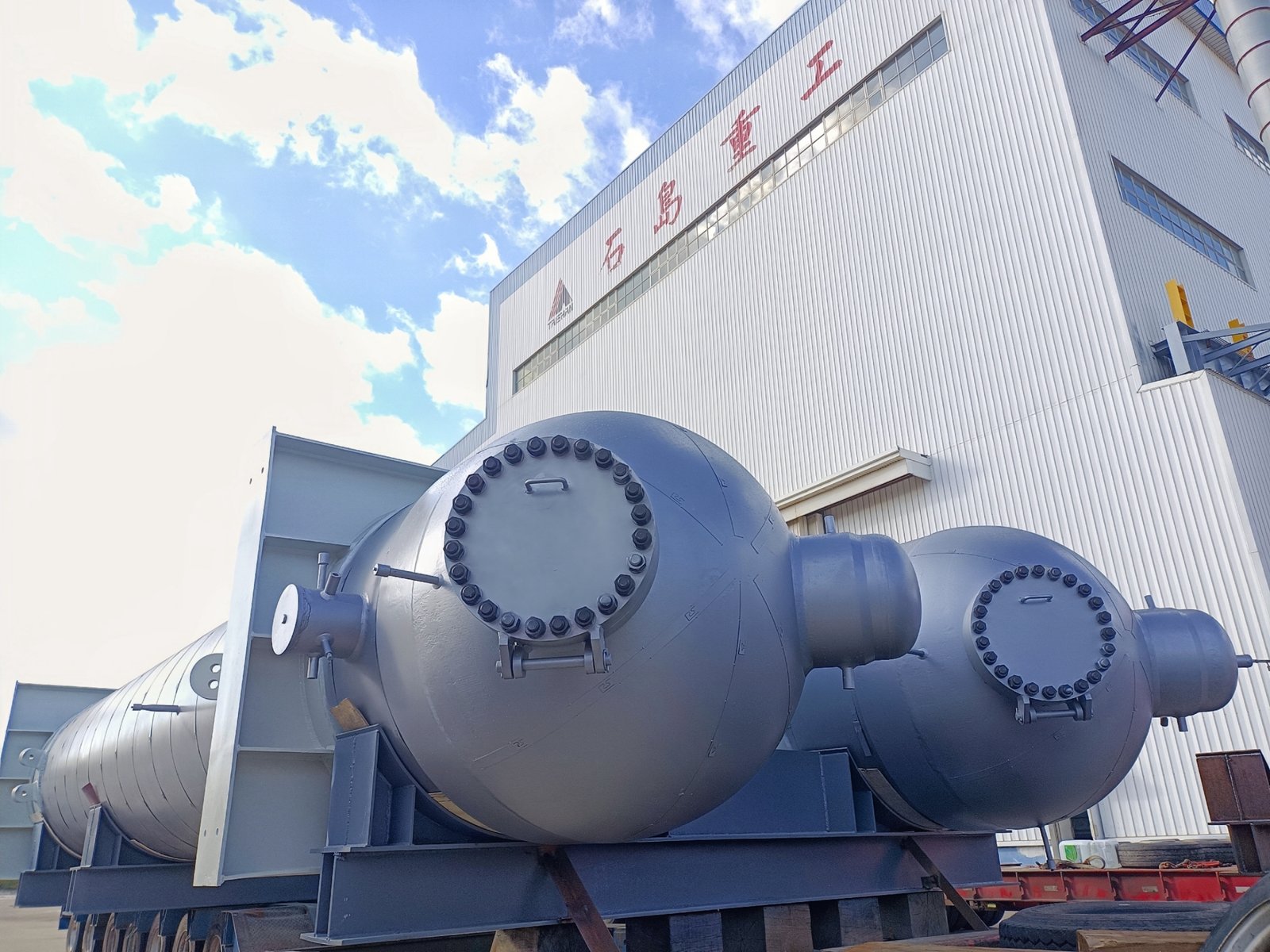
Some chlorine-related systems may require buffer vessels, separators, collection vessels, or other process pressure vessels. These should be specified according to project drawings, design pressure, design temperature, material requirements, NDE scope, pressure test requirements, and applicable code.
If pressure vessel design is involved, buyers may reference ASME BPVC Section VIII where applicable, but the correct code basis must follow project specifications and destination-country requirements.
Key Selection Factors for EPC Buyers
Gas Composition and Flow Conditions
Buyers should provide chlorine concentration, gas flow rate, pressure, temperature, moisture content, other gas components, operating scenarios, and emergency basis if applicable. Normal, maximum, and upset conditions should be clearly separated.
Absorption Medium and Corrosion Risk
Chlorine absorption can involve corrosive or chemically aggressive conditions. The selected materials, corrosion allowance, internal coating, lining, gasket compatibility, and surface protection must be reviewed carefully. A manufacturer should not guess material selection based only on equipment name.
Safety and Regulatory Requirements
Chlorine is a hazardous chemical. The EPA Risk Management Plan program and official public-health references show why toxic gas handling, hazard analysis, monitoring, and emergency planning require qualified review. Final safety design, monitoring, emergency response, and regulatory compliance must be reviewed by qualified engineers and local authorities.
Inspection, Testing, and Documentation
For EPC procurement, inspection requirements may include material certificates, welding documentation, dimensional inspection, NDE, pressure or leak testing, coating inspection, lining inspection, and final data book preparation. The RFQ should define these requirements before fabrication starts.
Site Layout and Delivery
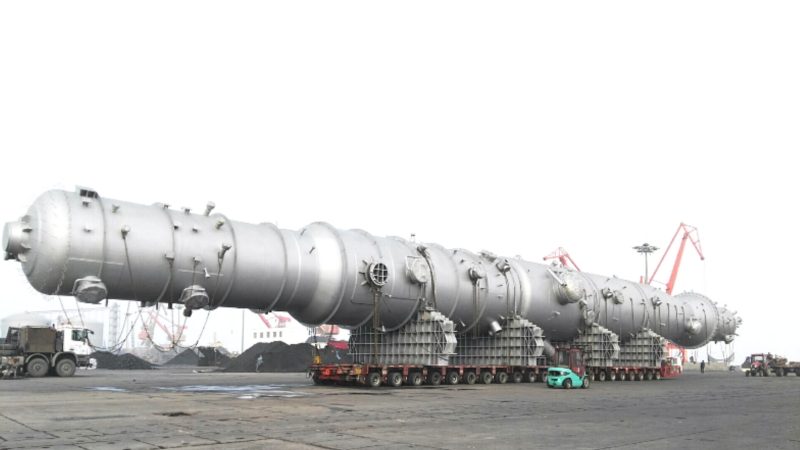
Large absorber towers, vessels, and tanks require transport planning. Buyers should confirm equipment dimensions, weight, lifting points, shipping supports, site access, export packing, preservation, and port delivery requirements.
Material selection for chlorine absorption equipment can be decided from the equipment name alone.False
Chlorine concentration, moisture, temperature, absorption chemistry, pH, operating mode, coating or lining, and project standards all affect compatibility and corrosion risk.
Manufacturing and Delivery Considerations
As a large-scale pressure vessel manufacturer, WSHI supports project-based fabrication of pressure vessels, scrubber towers, heat exchangers, process columns, separators, and large storage tanks for chemical, petrochemical, environmental engineering, and industrial projects.
For chlorine absorption system equipment, buyers should provide process datasheets, drawings, material specifications, coating or lining requirements, inspection plans, delivery terms, and document requirements. They can also download the pressure vessel catalog before preparing a formal inquiry.
FAQ
What equipment is included in a chlorine absorption system?
A chlorine absorption system may include absorber columns, scrubber towers, circulation tanks, neutralization vessels, heat exchangers, pressure vessels, storage tanks, and supporting fabricated equipment. The final scope depends on the process design and project specification.
What information should EPC buyers provide before requesting a quotation?
Buyers should provide gas composition, flow rate, chlorine concentration, pressure, temperature, absorption medium, drawings, materials, coating or lining requirements, inspection scope, and delivery terms.
Why is material selection important for chlorine absorption equipment?
Chlorine-related service can be highly corrosive depending on moisture, temperature, concentration, and absorption chemistry. Material, lining, coating, and compatibility should be reviewed by qualified engineers.
Can scrubber towers be purchased as standalone components?
For industrial projects, scrubber towers should be purchased as complete fabricated equipment. Small internal items or accessories should only be discussed as part of the full equipment scope.
Does chlorine absorption equipment require manual safety review?
Yes. Chlorine is hazardous, and the system may involve toxic gas, corrosive liquids, pressure equipment, and environmental compliance. Manual review by qualified engineering and safety specialists is required.
Conclusion
Chlorine absorption system equipment requires careful coordination between process design, safety review, material selection, fabrication, inspection, and delivery. EPC buyers should focus on complete equipment packages, including scrubber towers, absorber columns, pressure vessels, storage tanks, heat exchangers, and delivery documentation.
If you are planning a chemical emissions control, chlor-alkali, sodium hypochlorite, or environmental treatment project, WSHI can support manufacturing evaluation for complete chlorine absorption system equipment based on your drawings, datasheets, operating conditions, material requirements, inspection scope, and delivery expectations. You can contact our engineering team to discuss your project before quotation.