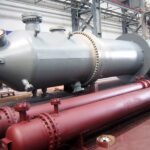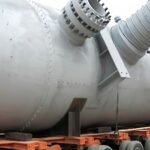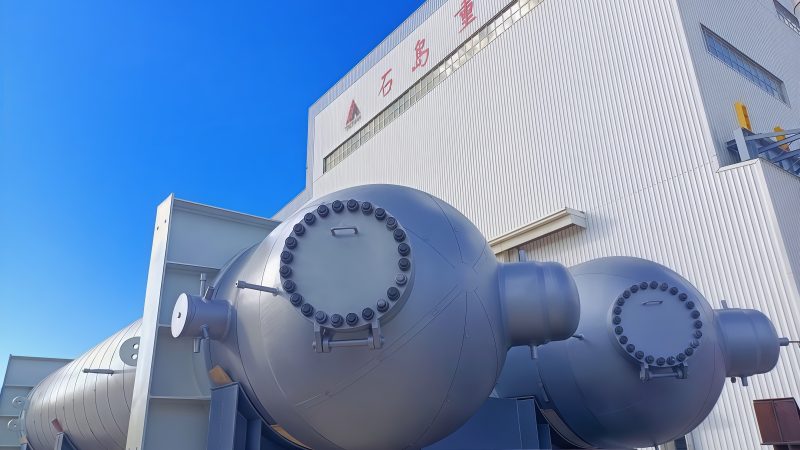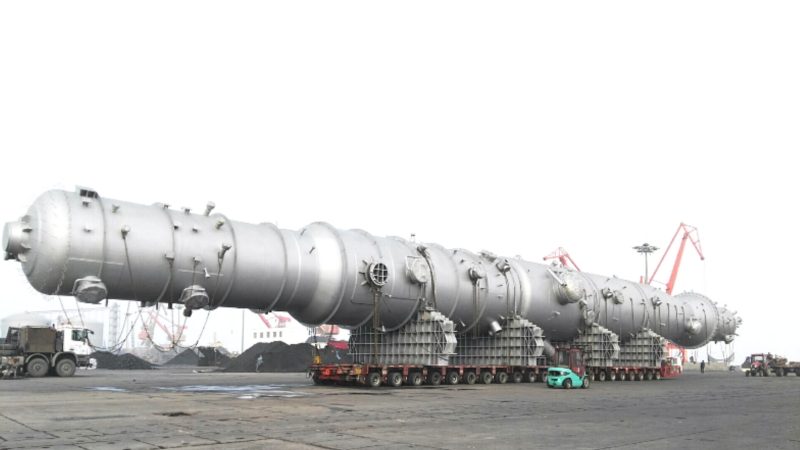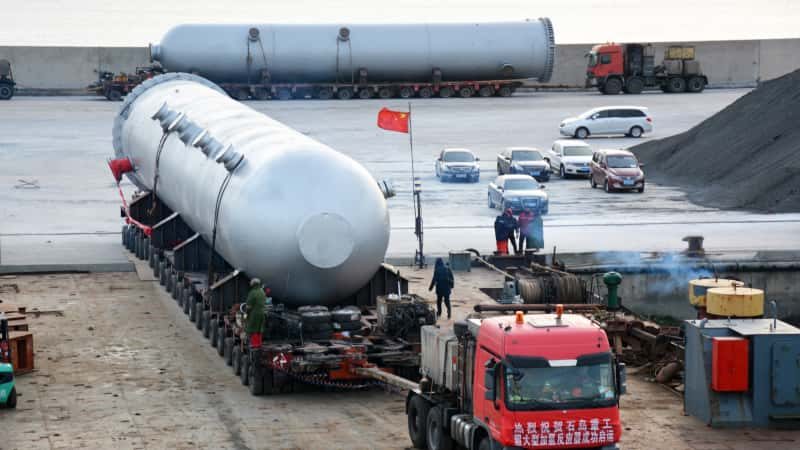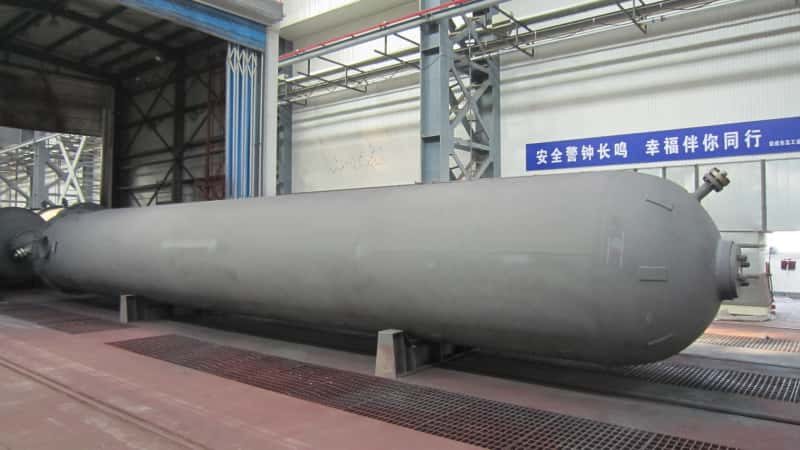

A three-phase separator is used to separate mixed oil, gas, and water streams into individual outlets for downstream processing. For EPC buyers, project managers, and technical teams, selection is not only about vessel size. A reliable three-phase separator must match the actual flow range, pressure, liquid loading, oil-water behavior, corrosion environment, material requirements, inspection scope, and project delivery boundary.
Poor early selection can create carryover, interface control problems, corrosion risk, downstream instability, and site modification work. For project procurement, the separator should be treated as a complete pressure vessel package, not as a simple tank or a collection of small components.

For technical background, Penn State’s open course material on separator design explains how produced fluids are separated into water, oil, and natural gas in surface production facilities. SPE’s Savvy Separator Series also collects practical separator design, operation, and troubleshooting references. These resources support the same practical point for EPC buyers: separator selection depends on fluid behavior, process duty, and complete system integration, not only vessel diameter.
A three-phase separator can be selected from total flow rate alone.False
Three-phase separator selection also requires gas, oil, and water phase data, pressure, temperature, density, viscosity, emulsion behavior, solids, corrosion data, control requirements, and delivery scope.
For EPC procurement, a three-phase separator should be treated as a complete pressure vessel package.True
The vessel pressure boundary, nozzles, supports, interfaces, materials, inspection, testing, coating, documentation, and delivery condition must be coordinated before fabrication.
What Is a Three-Phase Separator?
A three-phase separator is a pressure vessel designed to separate a mixed process stream into gas, oil or hydrocarbon liquid, and water. The separation principle usually relies on gravity settling, density difference, residence time, vapor disengagement, and stable liquid level or interface control.
In oil and gas processing, the vessel may receive well fluids, condensate-rich streams, production fluids, or mixed hydrocarbon-water streams from upstream facilities. In chemical and gas processing plants, similar separation duties may appear where vapor, organic liquid, and aqueous liquid must be separated before downstream treatment.
For EPC procurement, a three-phase separator should be treated as a complete custom pressure vessel. The manufacturer’s scope should include the vessel pressure boundary, materials, welding, nozzle arrangement, supports, inspection, pressure testing, coating, documentation, and delivery condition according to project requirements.
Where Are Three-Phase Separators Used?
Oil and Gas Production Facilities
Three-phase separators are widely used in oilfield gathering stations, central processing facilities, early production facilities, and upstream oil and gas processing units. They help split produced fluids into gas, oil, and water streams before compression, stabilization, dehydration, storage, produced water treatment, reinjection, or export.
Natural Gas and Condensate Processing
Gas processing facilities may need separation vessels to remove liquids and water from gas streams before compression, dehydration, sweetening, metering, or downstream treatment. Where the liquid phase includes both hydrocarbon condensate and water, three-phase separation may be required.
For broader gas processing and upstream applications, buyers can review WSHI’s pressure vessels for oil and gas applications.
Refinery and Petrochemical Interfaces
Refineries and petrochemical plants may use separation vessels in feed handling, condensate recovery, sour water systems, stabilizers, fractionation units, wastewater interfaces, or hydrocarbon recovery sections. These vessels often connect with industrial heat exchangers, towers, drums, and storage tanks.
Key Selection Factors for a Three-Phase Separator
Flow Rate and Phase Ratio
The first selection factor is the actual flow range. EPC buyers should provide normal, minimum, maximum, and upset-case flow data for gas, oil or condensate, and water phases. A separator designed only around average flow may perform poorly during startup, slugging, high-water-cut operation, or production changes.
| Data Item | Why It Matters |
|---|---|
| Gas flow rate | Influences vapor disengagement, gas outlet sizing, mist control, and pressure drop |
| Oil or condensate flow rate | Affects liquid residence time, oil outlet control, and liquid inventory |
| Water flow rate | Affects interface control, water residence volume, and downstream treatment load |
| Oil-water ratio | Changes vessel sizing, level control philosophy, and outlet arrangement |
| Slugging possibility | May require additional surge volume, conservative sizing, or upstream control review |
| Turndown and upset cases | Help avoid carryover, unstable levels, and poor operation outside normal flow |
Operating Pressure and Temperature
A three-phase separator is usually a pressure vessel. The RFQ should clearly state operating pressure, design pressure, operating temperature, design temperature, vacuum condition if applicable, and pressure relief philosophy provided by the process design party.
Pressure and temperature influence wall thickness, material selection, welding requirements, NDE scope, pressure testing, and documentation. For international projects, buyers should define whether ASME, GB, EN, or another project-specified code applies. The official ASME BPVC Section VIII Division 1 page can be used as a general reference for pressure vessel construction rules, but final code application should follow the project specification and local regulatory requirements.
Fluid Properties and Separation Difficulty
Three-phase separation depends heavily on fluid behavior. Buyers should provide density, viscosity, emulsion tendency, foaming tendency, solids content, wax or asphaltene risk, droplet size assumptions where available, and chemical injection information.
Difficult separation conditions may require longer retention time, different vessel orientation, heating, upstream conditioning, downstream polishing, or more conservative design assumptions. These decisions should be made by the process designer and EPC contractor before mechanical fabrication is finalized.

Horizontal vs. Vertical Separator Selection
Three-phase separators are commonly arranged as horizontal vessels, especially when liquid handling and oil-water separation area are important. Horizontal vessels often provide larger liquid surface area and residence volume for oil-water separation.
Vertical separators may be considered where footprint is limited or where gas-dominant service is more important, but three-phase oil-water separation can be more sensitive to vessel geometry and interface control. The final orientation should be selected based on process duty, flow behavior, site layout, maintenance access, and project standards.
| Selection Area | Buyer Review Point | Procurement Impact |
|---|---|---|
| Horizontal vessel | Useful when liquid residence and oil-water interface area are important | May require more plot length, transport planning, and support review |
| Vertical vessel | May fit gas-dominant service or limited footprint situations | Requires careful review of liquid separation volume and access |
| Project-specific choice | Depends on flow, liquid loading, separation difficulty, layout, and standards | Should be frozen before mechanical drawings and fabrication begin |
Corrosion, Sour Service, and Material Selection
Oil and gas streams may contain water, CO2, H2S, chlorides, organic acids, sand, or other corrosive components. Material selection should consider the full medium composition, water chemistry, pressure, temperature, corrosion allowance, sour service requirements if applicable, and owner specifications.
Carbon steel, low-alloy steel, stainless steel, duplex stainless steel, cladding, or internal coating may be considered depending on service conditions. Final material decisions should be confirmed by the process design party, corrosion engineer, owner specification, and applicable standards.
For pressure equipment involving sour service or hazardous media, the safe procurement approach is to avoid simplified material claims. Material selection must be project-specific and supported by qualified engineering review.
Nozzle Orientation and Downstream Interfaces
Nozzle orientation affects piping layout, platform access, instrument connection, maintenance, and site installation. EPC buyers should confirm inlet, gas outlet, oil outlet, water outlet, drain, vent, manway, level instrument, pressure instrument, temperature instrument, and relief connection locations before fabrication.
These items should be handled as part of the complete vessel design and delivery scope. They should not become standalone small-parts inquiries. The procurement objective is a finished separator vessel that can be integrated into the plant with minimal site modification.
Manufacturing and Quality Control Considerations
A three-phase separator must satisfy both process performance requirements and pressure vessel manufacturing requirements. For a project-based separator, buyers should review whether the manufacturer can support drawing review, material procurement, welding fabrication, dimensional inspection, nondestructive examination, pressure testing, surface preparation, coating, packaging, and delivery.
Typical quality control points may include material traceability, welding procedure qualification, welder qualification, fit-up inspection, visual inspection, radiographic or ultrasonic testing where required, magnetic particle or penetrant testing where specified, hydrostatic or pneumatic testing where applicable, dimensional inspection, coating inspection, and final documentation.
As a large-scale pressure vessel manufacturer, WSHI focuses on complete industrial equipment manufacturing for oil and gas, petrochemical, chemical, new energy, and environmental engineering projects. Buyers can also review custom pressure vessels and related equipment capabilities when preparing early project RFQs.
Delivery and Project Boundary
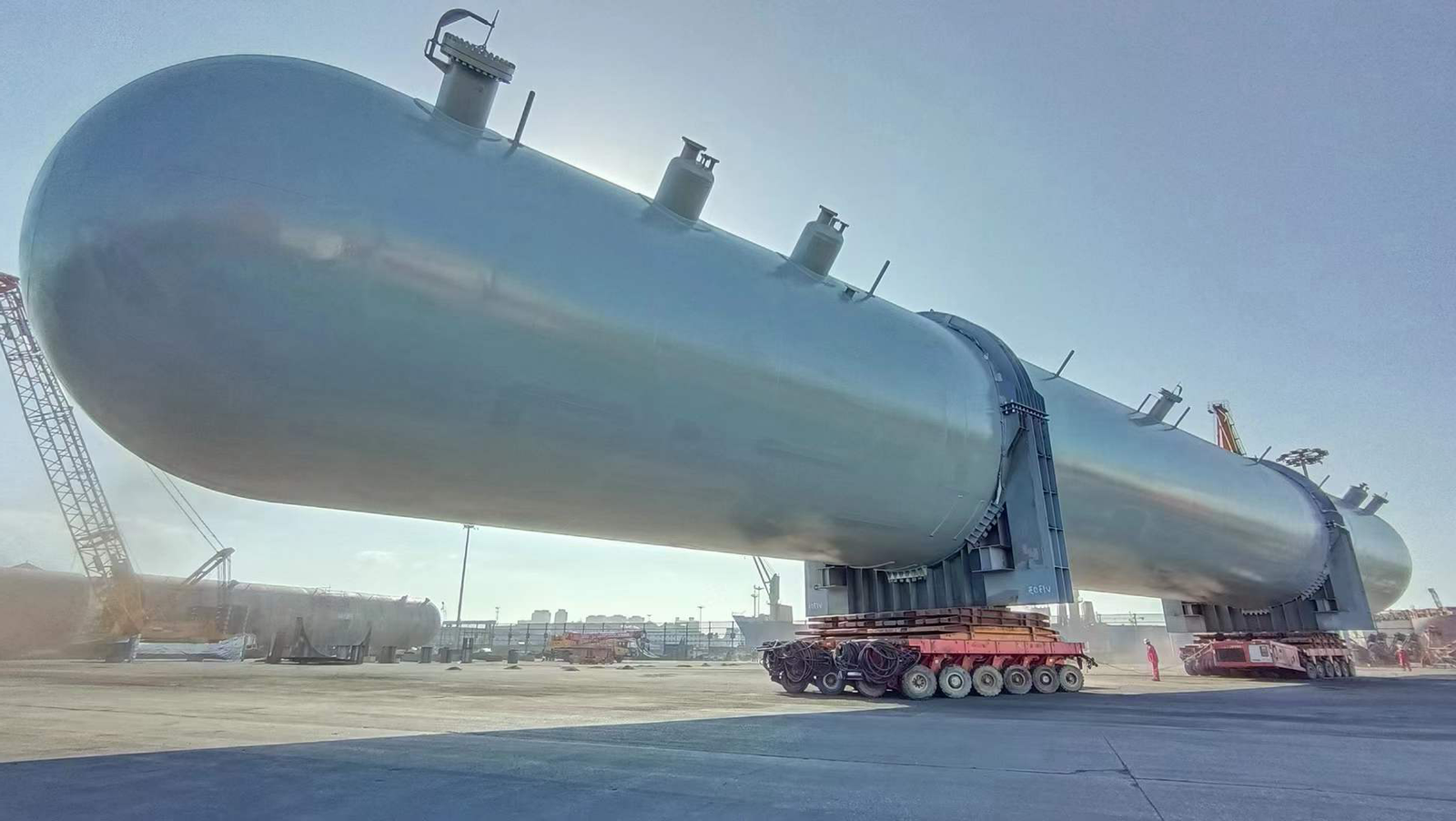
For large separators, delivery planning should begin early. Vessel diameter, length, weight, support type, transport saddles, lifting lugs, packaging, road restrictions, port handling, and site lifting conditions may affect the project schedule.
For overseas EPC projects, buyers should define Incoterms, destination port, packing requirements, documentation language, inspection release documents, preservation requirements, and whether the equipment will be shipped as one complete vessel or with certain project-approved loose-shipped items.
Where the project also includes condensate, produced water, chemical, or hydrocarbon storage, large industrial storage tanks above 1,000 liters should be specified with proper medium, material, coating, foundation, and delivery requirements.
Common Mistakes When Choosing a Three-Phase Separator
One common mistake is selecting the vessel only by total flow rate. Three-phase separation requires gas, oil, and water data, not only total capacity. The oil-water ratio, emulsion behavior, residence time, and interface control are just as important.
Another mistake is ignoring corrosion until late procurement. In oil and gas service, even small changes in water chemistry, CO2, H2S, chloride level, or operating temperature can change material and coating requirements.
A third mistake is comparing quotations without equal inspection and documentation scope. One supplier may include full NDE, pressure testing, coating, export packing, and documentation, while another may exclude these items.
A fourth mistake is leaving the downstream interface unclear. The separator must connect with compressors, heaters, dehydration units, produced water treatment, storage tanks, control systems, and safety systems. Interface clarity should be part of the RFQ.
What Should EPC Buyers Prepare Before RFQ?
| RFQ Item | Information to Prepare |
|---|---|
| Process basis | Process datasheet, PFD or P&ID, separator duty, upstream and downstream equipment |
| Flow conditions | Gas, oil, and water flow ranges; oil-water ratio; gas-oil ratio; slugging or turndown cases |
| Fluid properties | Density, viscosity, emulsion tendency, foam, solids, wax, sand, or chemical injection data |
| Mechanical basis | Operating/design pressure, operating/design temperature, applicable code, support and layout requirements |
| Materials and corrosion | Medium composition, corrosion data, material requirements, coating or lining, sour service notes if applicable |
| Inspection and delivery | NDE, pressure test, documentation, delivery terms, destination, packing, transport limits, and project schedule |
FAQ
What does a three-phase separator do?
A three-phase separator separates a mixed stream into gas, hydrocarbon liquid, and water. It is commonly used in oil and gas production, gas processing, condensate handling, and some refinery or chemical plant services.
Is a three-phase separator a pressure vessel?
In most industrial oil and gas applications, yes. A three-phase separator is usually a pressure vessel and should be designed, fabricated, inspected, and tested according to the applicable project code and regulatory requirements.
What data is needed to size a three-phase separator?
Buyers should provide gas, oil, and water flow rates; operating pressure and temperature; fluid density and viscosity; emulsion tendency; solids content; corrosion data; required separation performance; and operating range.
Should I choose a horizontal or vertical three-phase separator?
The choice depends on phase ratio, liquid loading, oil-water separation requirement, gas capacity, site footprint, maintenance access, and project standards. Horizontal separators are commonly used for three-phase liquid separation, but the final choice should be project-specific.
What should be included in a separator RFQ?
The RFQ should include process datasheets, drawings, flow range, pressure, temperature, medium composition, material requirements, applicable code, inspection scope, pressure testing, coating, documentation, and delivery terms.
Conclusion
Choosing a three-phase separator for oil and gas processing requires more than selecting a vessel volume. EPC buyers should review the complete operating envelope, phase ratio, pressure, temperature, fluid properties, corrosion risk, material selection, nozzle orientation, inspection scope, and delivery boundary.
If you are preparing an oil and gas processing, natural gas treatment, condensate handling, refinery, or petrochemical project, you can discuss your project requirements with WSHI or download the pressure vessel catalog. Sharing datasheets, drawings, flow conditions, medium composition, material requirements, inspection scope, and delivery terms will help support manufacturing feasibility review for custom three-phase separator vessels, gas-liquid separators, pressure vessels, heat exchangers, and large industrial storage tanks.