
Choosing between separate chemical storage tanks and one shared tank involves more than comparing total capacity and purchase price. The decision affects product quality, production scheduling, cleaning downtime, maintenance availability and the consequences of accidental cross-contamination.
For chemical manufacturers and EPC buyers, the starting point is the intended operating arrangement. Will one tank hold the same material continuously, switch between approved products, or receive several batches of the same product? These situations require different assessments.
This article focuses on complete industrial storage tanks above 1,000 liters. It does not provide approval to mix chemicals or replace a project-specific compatibility and safety review.
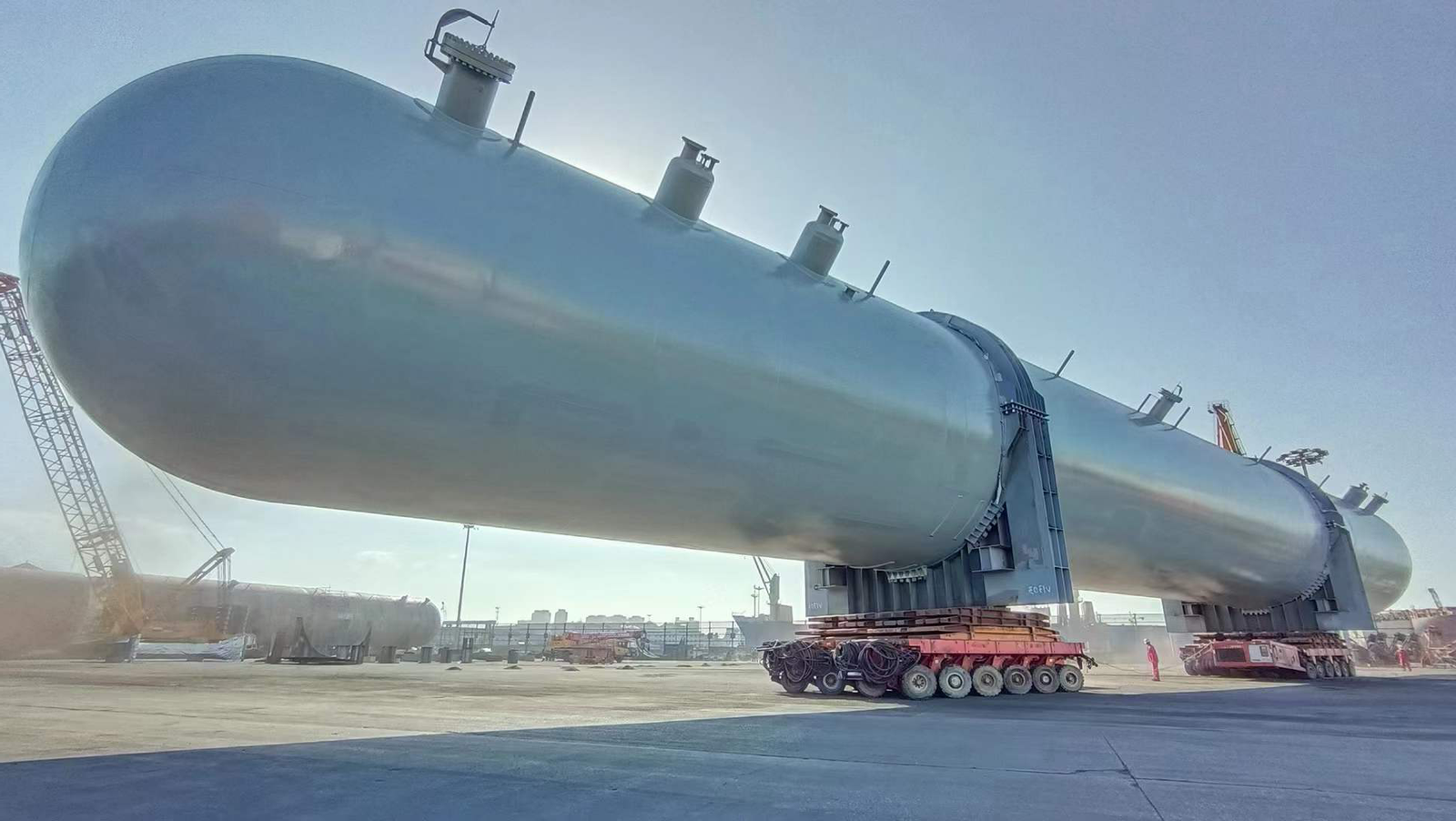
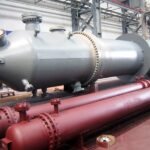
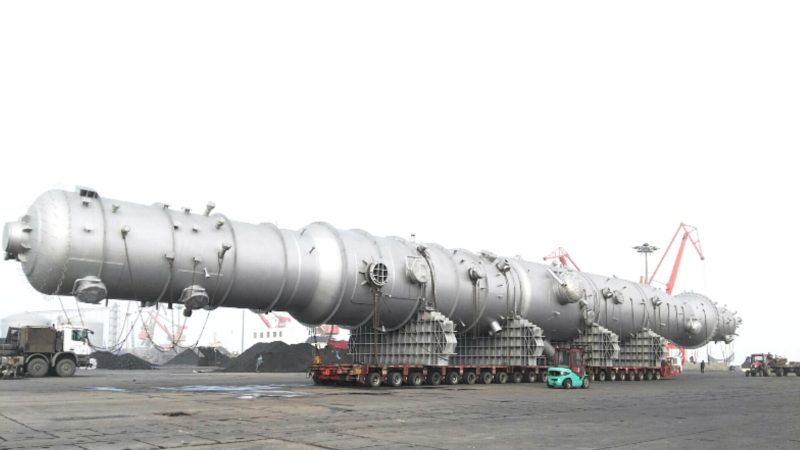
Representative storage equipment. Tank quantity, working capacity and construction should follow the approved storage duty.
Define What “Shared Storage” Means
A dedicated tank is assigned to a specified material, grade or operating purpose. A shared tank may be used sequentially for different approved materials after a defined changeover, or it may receive multiple batches of the same material under an agreed quality procedure.
Intentional blending is a separate process decision. It should not be treated as an automatic benefit of shared storage. Likewise, the ability of a tank material to resist two chemicals individually does not establish that those chemicals can safely contact each other.
Before requesting quotations for large industrial storage tanks, describe the proposed storage sequence, materials, batch rules and transfer arrangements. Without this information, suppliers cannot meaningfully compare a single-tank proposal with a multiple-tank arrangement.
Put Chemical Compatibility Before Capacity Optimization
Separate storage should receive priority when the approved risk assessment requires segregation. The assessment must consider normal operation and credible accidental contact, including residues left after draining or cleaning.
Safety data sheets provide important inputs, but they do not by themselves constitute a complete storage-system assessment. The responsible specialists should review the actual substances, concentrations, temperatures and operating practices.
The UK HSE’s guidance on segregation of hazardous materials highlights that incompatible substances may come into contact through drainage, leaks and transfer arrangements. Separate tank shells alone therefore do not establish adequate segregation. This guidance is a reference, not a universal design rule for every project jurisdiction.
Review Shared Connections and Containment
The project team should evaluate whether common transfer routes, vapor systems or spill-containment arrangements could connect materials that must remain separate. These interfaces belong in the overall engineering review even when they fall outside the tank manufacturer’s supply.
A purchasing decision based only on the number of vessels can overlook these system-level responsibilities. Identify who approves the storage arrangement and who designs the associated site infrastructure.
Use Dedicated Tanks When Product Quality Requires Separation
Materials do not need to react dangerously for cross-contamination to create a commercial problem. Residual color, moisture, additives or another product grade may affect downstream specifications.
Dedicated chemical storage tanks can be appropriate where changeover cleanliness is difficult to demonstrate or where the cost of an off-specification batch is substantial. The owner should define acceptable contamination limits rather than asking a fabricator to interpret a general requirement such as “suitable for multiple products.”
Consider Batch Release and Traceability
A plant may need to receive a new batch while an earlier batch remains available for production. If the new batch must undergo testing before release, combining it with approved stock may conflict with the quality procedure.
Separate tanks can support distinct inventory states, such as awaiting testing, released for use or held for investigation. However, tank separation needs corresponding transfer controls and operating procedures. More vessels do not automatically provide effective batch traceability.
Compare Cleaning Time with the Production Schedule
A shared tank may appear economical until changeover time is included. Draining, cleaning, inspection, drying where required and quality release can all reduce the time available for productive storage.
The buyer should provide the proposed product sequence and expected changeover frequency. Cleaning requirements should be assessed for the most demanding approved transition, not just the easiest one.
Include the handling and disposal of cleaning liquids in the comparison. A shared arrangement that creates frequent cleaning waste may have a different operating cost from the initial equipment-price comparison.
Dedicated tanks may reduce changeover requirements, but they still require inspection and maintenance. The useful question is whether the proposed configuration supports the production schedule with acceptable downtime and verified cleanliness.
Size Working Capacity Around Actual Inventory Movements
One large tank and several separate tanks with the same combined nominal volume may not provide equivalent usable storage.
Define the required working inventory for each material or batch. Consider delivery quantities, consumption rates, retained stock, unavailable inventory awaiting release and the operating limits established by the designer. Nominal tank volume should not be treated as fully available working capacity.
A multiple-tank arrangement may reserve capacity for separate grades that cannot be freely exchanged. A single shared tank may offer scheduling flexibility only when the materials and operating procedures permit that flexibility.
For custom tank procurement, submit an inventory schedule alongside the capacity requirement. This helps distinguish a genuine storage need from an arbitrary request to maximize vessel size.
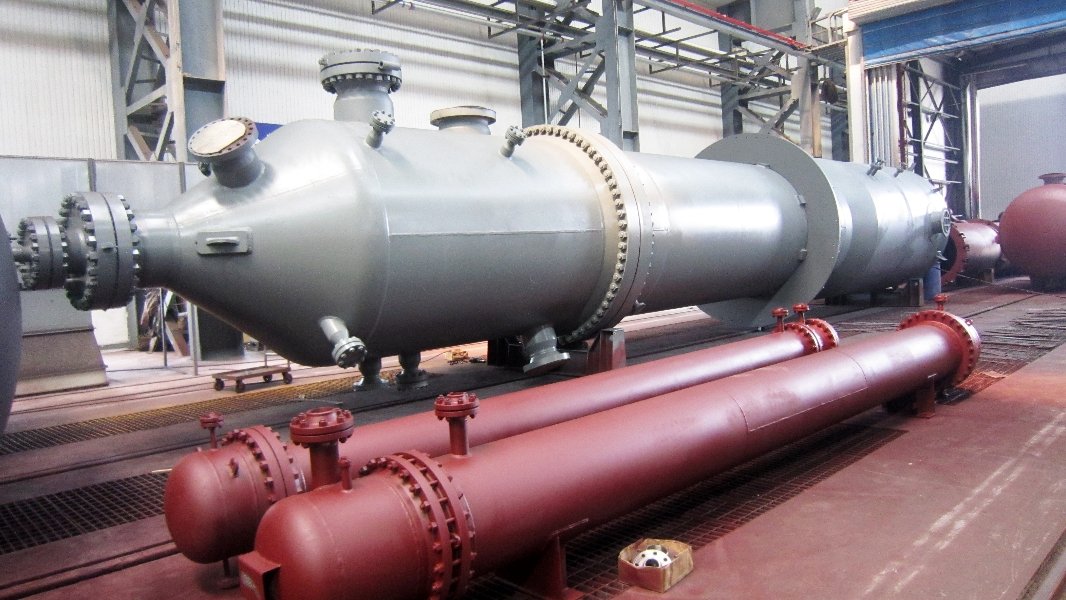
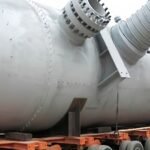
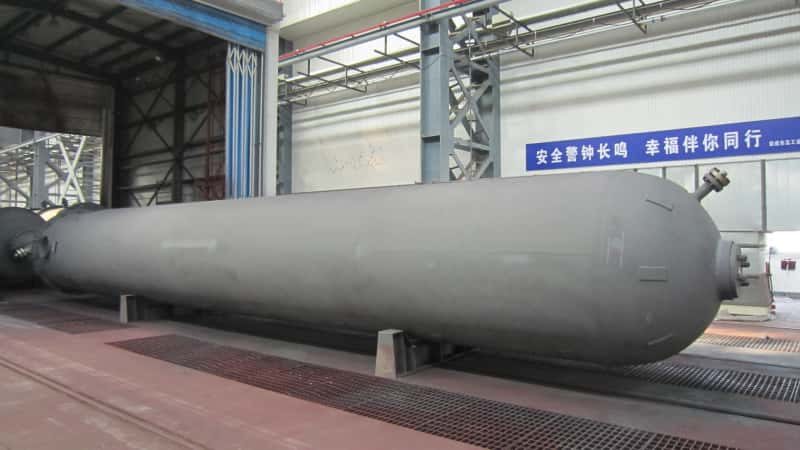
Representative workshop image. Complete tank specifications should reflect each vessel’s approved service and operating conditions.
Check Maintenance Availability and Operating Conditions
Separate tanks may allow one vessel to be unavailable while another remains in service, but only if the remaining capacity and transfer arrangement support production. Two tanks should not be described as providing full redundancy unless that capability has been evaluated.
Operating conditions also influence whether sharing is practical. Products may require different temperature limits, pressure conditions, atmosphere controls or contamination protection. A common tank must be suitable for every approved service and changeover condition within its specified scope.
Where pressure-containing storage is required, the inquiry should identify the applicable vessel requirements. Buyers can evaluate custom pressure vessels separately from atmospheric storage designs rather than assuming that all chemical tanks follow the same construction basis.
Compare Installed Scope, Not Just Tank Prices
Multiple tanks can introduce additional foundations, access requirements, connections and inspection obligations. A shared tank can introduce more demanding changeover and scheduling requirements. Neither arrangement is automatically the lower-cost option.
Compare equipment supply, site works, cleaning resources, planned downtime and quality-management implications on a consistent basis. Document assumptions about future production changes rather than using unspecified “flexibility” to justify a selection.
For flammable-liquid applications, the HSE publication on storage of flammable liquids in tanks provides relevant background. Applicable siting, containment and safety requirements must still be determined for the actual location and project; this article does not prescribe separation distances or containment dimensions.
Specify Manufacturing Quality and Delivery Responsibilities
Once the storage arrangement is approved, issue a datasheet for each complete tank. It should identify the service, working and total capacity, operating and design conditions, materials, any lining or coating requirements, and the applicable inspection basis.
Material compatibility should be confirmed for the stored product and any approved cleaning exposure. Manufacturing requirements should address traceability, welding documentation, dimensional checks and applicable examination or testing. Coating or lining acceptance criteria should be specified where relevant.
When reviewing WSHI’s manufacturing capability, connect the discussion to the actual project scope: drawing coordination, fabrication, inspection records, surface protection and delivery. Do not leave field installation or site containment implicitly included in a tank-only quotation.
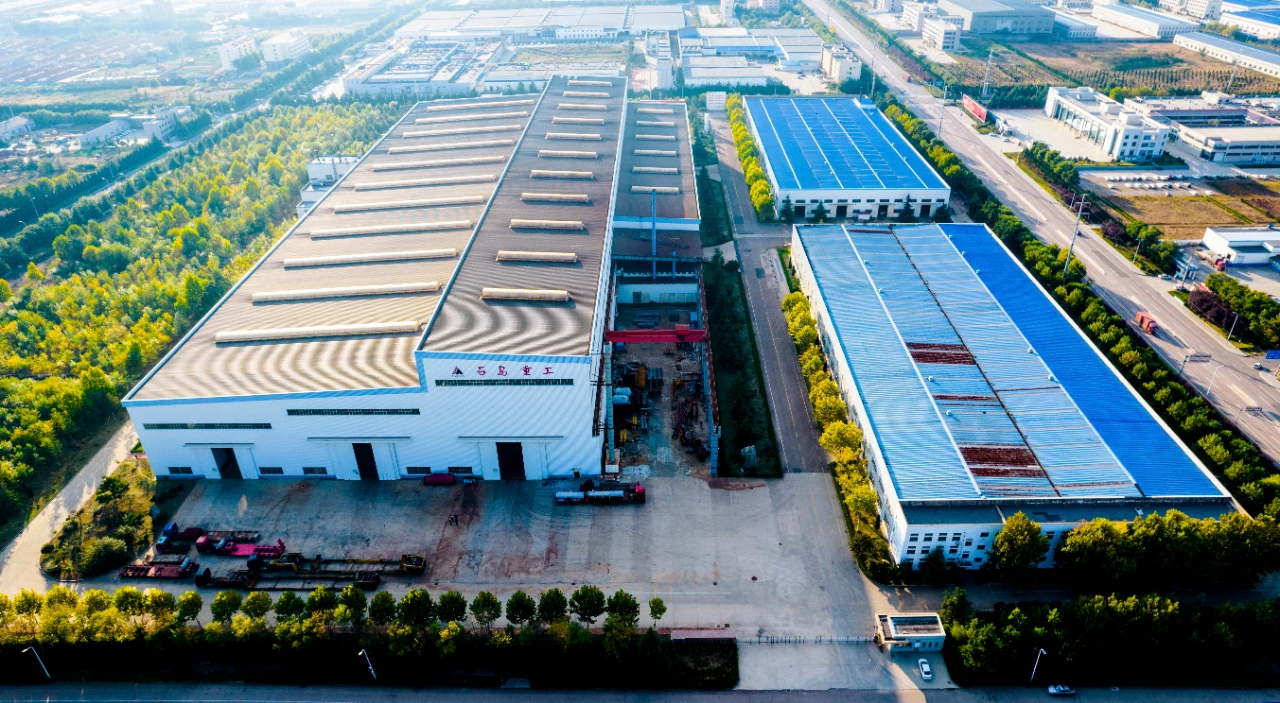
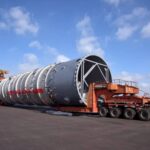
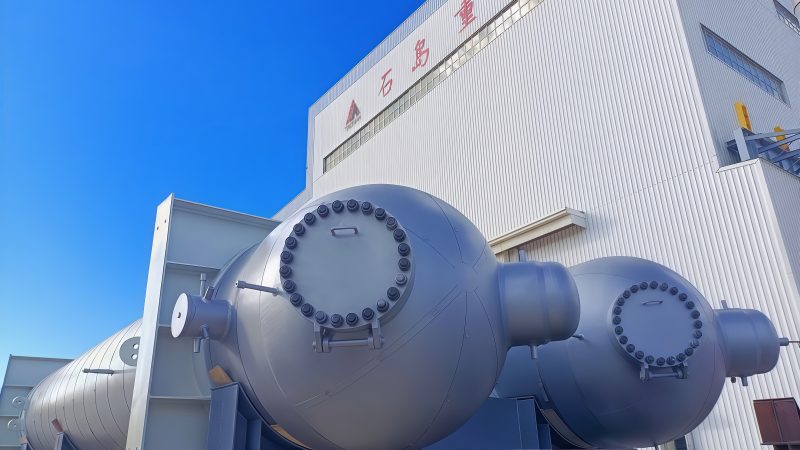
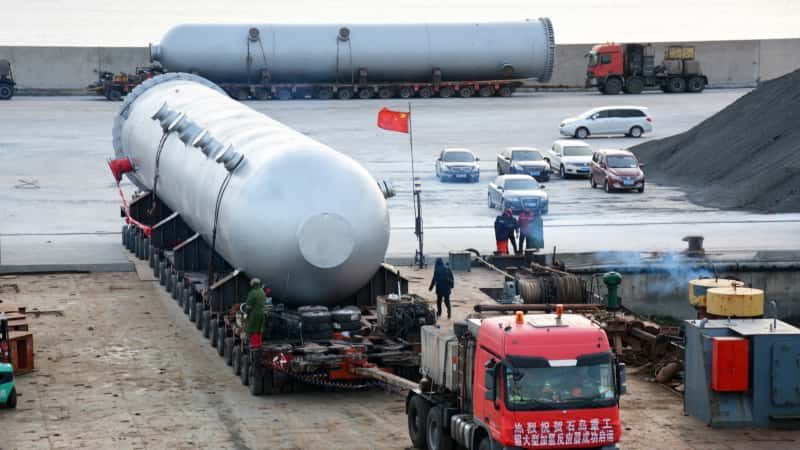
Representative manufacturing image. Delivery planning should account for shipment size, site access and the installation sequence.
Confirm the delivery point, transport dimensions, preservation requirements and site-receiving arrangements. For multiple vessels, delivery order should follow foundation readiness and installation planning. Early agreement on these interfaces helps prevent completed tanks from arriving before the site can receive them.
FAQ
Is one large tank always cheaper than several dedicated tanks?
Not on a total-project basis. Compare the installed scope, working capacity, cleaning downtime, quality requirements and maintenance availability. Equipment purchase price is only one part of the decision.
Can chemically compatible products share a tank?
Possibly, but chemical compatibility alone is insufficient. Product-quality limits, residual contamination, cleaning verification, operating conditions and approved procedures also require review.
Do separate tanks eliminate cross-contamination risk?
No. Shared transfer paths, vapor connections, drainage or operating errors may still create routes for contact. The complete storage and handling arrangement needs assessment.
What should buyers provide before requesting quotations?
Provide the material list, relevant safety and quality information, inventory schedule, batch-release rules, cleaning requirements, operating conditions and proposed site layout. State clearly that the required equipment consists of complete tanks above 1,000 liters.
Discuss the Right Storage Arrangement for Your Project
Chemical storage tanks should be selected around approved service requirements, not capacity alone. Dedicated and shared arrangements can both be appropriate, but their suitability depends on compatibility, product quality, operating schedules and site engineering.
For complete custom chemical storage tanks above 1,000 liters, discuss your project requirements with our engineering team. Share the material information, required working capacities and proposed operating arrangement so the team can review manufacturing requirements, documentation and delivery scope.