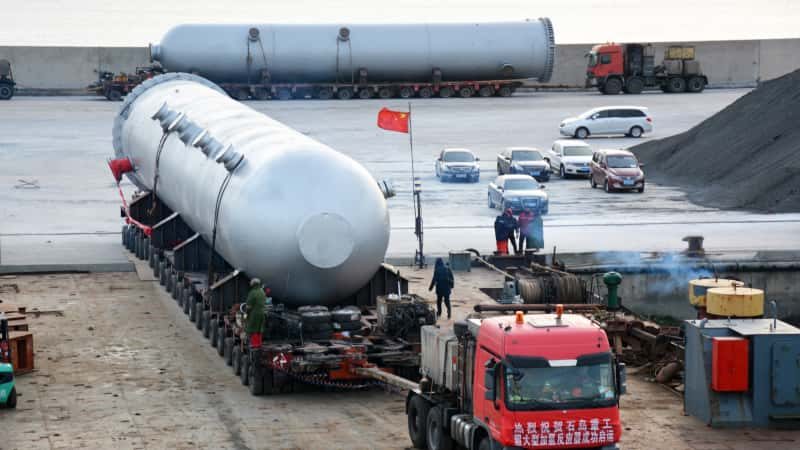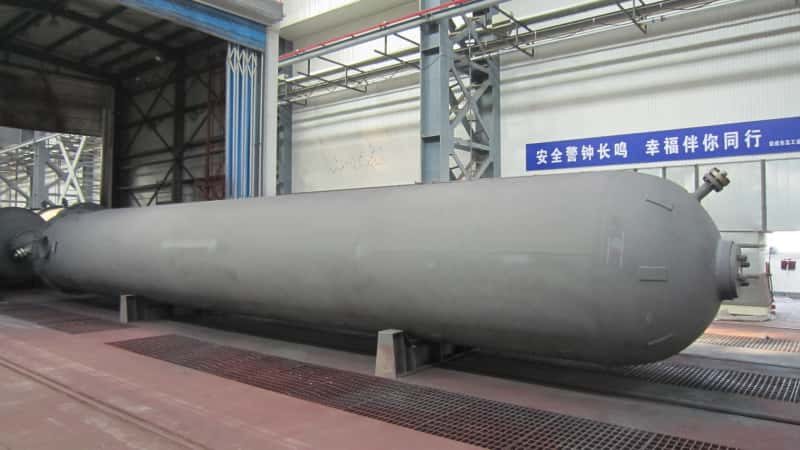
Large petrochemical projects are increasingly shaped by modular construction, heavy-lift logistics and cross-border equipment delivery. A recent Hydrocarbon Processing report on INEOS Project ONE noted that major modules for an Antwerp ethane cracker arrived after a difficult transport route, with modules weighing around 7,000 tons and standing about 55 meters high. For EPC buyers, the lesson is clear: ethane cracker equipment procurement is not only about manufacturing pressure vessels, heat exchangers or process towers. It is also about engineering coordination, inspection planning, module interfaces, packing, lifting, port handling and delivery risk.
This article explains what EPC contractors and petrochemical project buyers should review when sourcing modular equipment and large custom pressure equipment for ethane cracker and olefin projects. It does not imply WSHI participated in the referenced project.
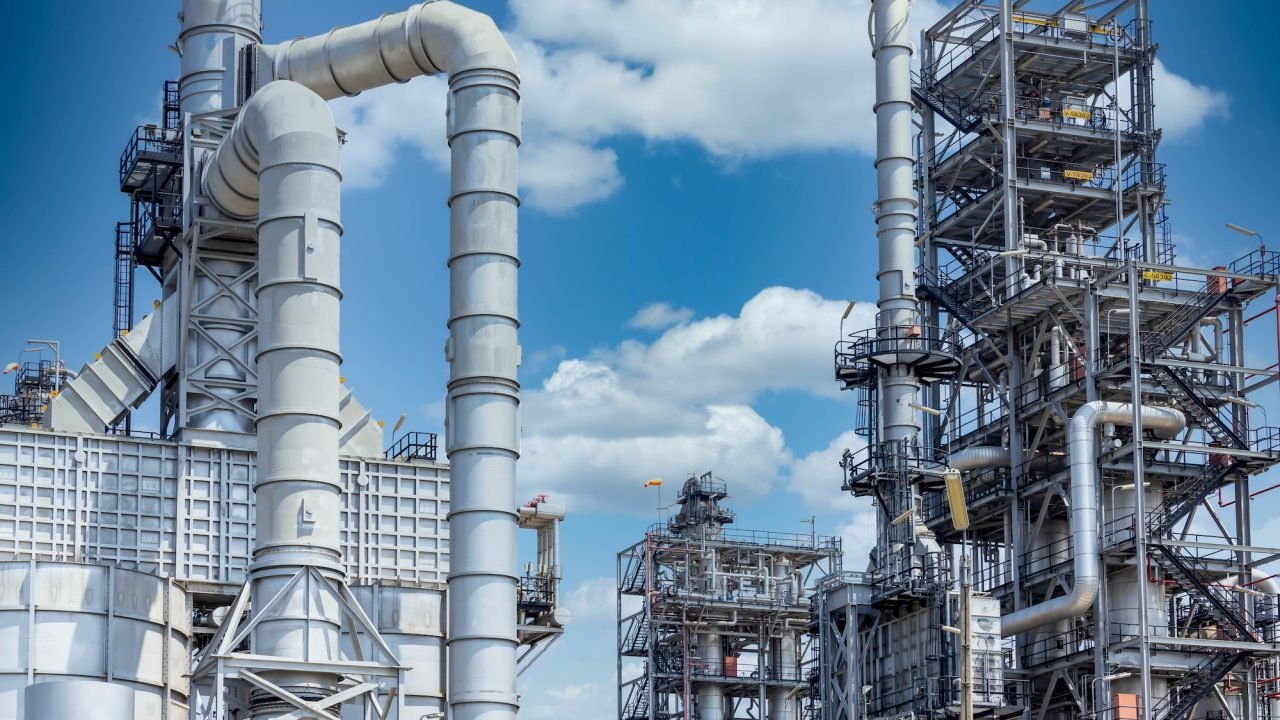
Why Modular Delivery Matters in Ethane Cracker Projects
Ethane crackers are large, complex petrochemical plants. Their equipment scope may include cracking-related systems, separation sections, heat recovery equipment, pressure vessels, fractionation columns, gas-liquid separators, condensers, reboilers, storage vessels and utility equipment.
In modular construction, some equipment and structural sections are fabricated, assembled or partially integrated away from the final site. This can help reduce site congestion and support parallel work, but it also increases the importance of interface control. Dimensions, lifting points, support structures, nozzle orientation, inspection records and packing methods must be reviewed before shipment.
For EPC teams, modular delivery creates a practical procurement question: can the manufacturer deliver complete equipment that fits the module, transport route and site installation plan?
Buyers can review petrochemical pressure vessels and custom pressure vessels when planning large petrochemical equipment packages.
Main Equipment Used in Ethane Cracker and Olefin Projects
Pressure Vessels and Process Drums
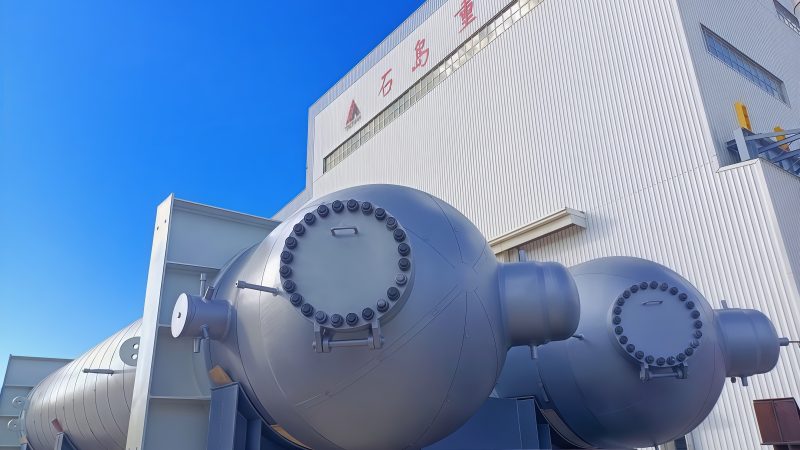
Pressure vessels are used across ethane cracker and olefin units for process separation, buffering, condensate collection, pressure stabilization and gas-liquid handling. EPC buyers should confirm design pressure, design temperature, medium composition, corrosion allowance, operating cycle, inspection scope and documentation requirements.
For modular projects, vessel dimensions and interface points become especially important. A small mismatch in support elevation or nozzle orientation can create expensive site rework.
Heat Exchangers and Condensers
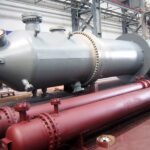
Ethane cracker projects require extensive heat transfer equipment for cooling, condensation, heat recovery and process temperature control. When sourcing from a heat exchanger manufacturer, buyers should provide heat duty, fluid properties, pressure drop limits, fouling tendency, material requirements and cleaning expectations.
Shell and tube heat exchangers are commonly reviewed for petrochemical duties because they can be engineered for demanding pressure, temperature and material requirements.
Process Towers and Fractionation Columns
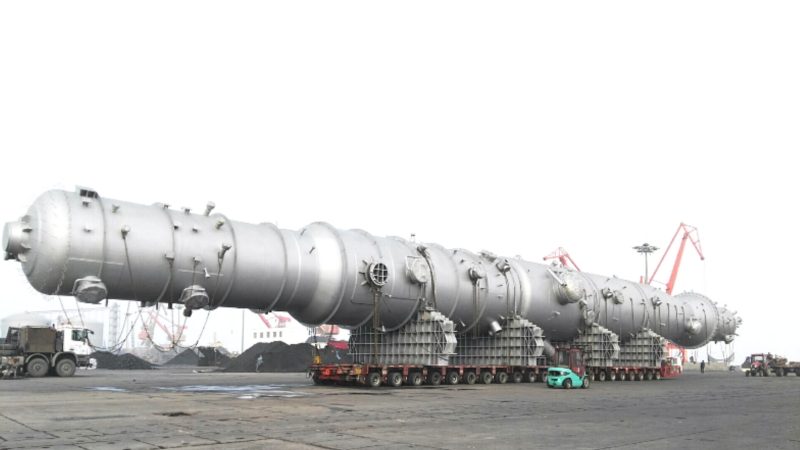
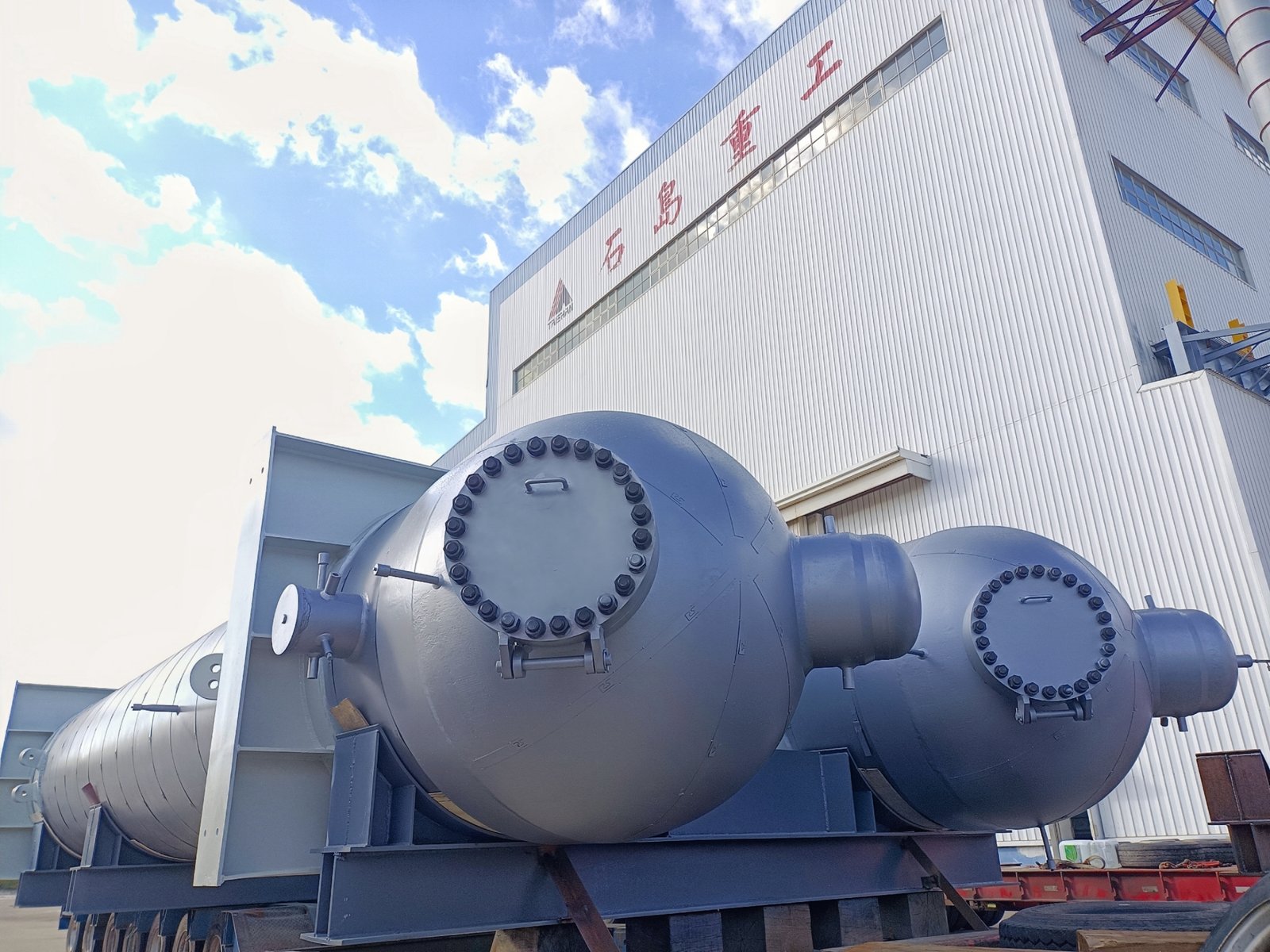
Ethane cracker and olefin projects may use process towers for separation, stripping, absorption, fractionation or purification. These towers are large custom equipment items and must be coordinated with module layout, lifting route, site access and transport restrictions.
When reviewing process towers and columns, EPC buyers should confirm diameter, height, shell thickness, material, corrosion allowance, support type, nozzle orientation, lifting points, NDT scope and delivery boundary. For hydrocarbon separation, fractionation tower requirements may also be relevant.
Separators and Knock-Out Vessels
Gas-liquid separators and knock-out drums help remove liquids from process gas streams and protect downstream compressors, exchangers and purification equipment. These vessels should be procured as complete pressure equipment, not as small internal components.
Large Storage and Buffer Equipment
Petrochemical projects may require large tanks or pressure storage vessels for process liquids, condensate, utilities, chemicals or intermediate streams. Buyers can review industrial storage tanks where the project requires large equipment above 1,000 liters and complete delivery scope.
Key Procurement Risks in Modular Petrochemical Equipment
1. Interface Mismatch
In modular projects, equipment must fit module steel structures, piping routes, lifting methods and installation sequence. EPC buyers should confirm nozzle orientation, flange face location, support design, anchor points and inspection openings before fabrication release.
2. Transport Size and Weight
Large pressure vessels, towers and exchangers may be limited by road, port, vessel loading, route clearance and site lifting capacity. The Hydrocarbon Processing report on the Antwerp cracker modules illustrates how heavy project cargo can become a major schedule factor.
3. Inspection Hold Points
NDT, pressure testing, dimensional inspection and coating inspection should be planned before shipment. Once equipment is installed into a module or shipped overseas, late inspection changes can be costly.
4. Documentation Gaps
Material certificates, welding records, NDT reports, pressure test records, coating reports and final data books should be aligned with the purchase specification. Documentation is part of project delivery, not an afterthought.
5. Coating and Export Protection
Large equipment may spend weeks in sea transport or port storage. Surface preparation, coating system, packing, lifting marks, saddle protection and moisture control should be reviewed before shipment.
RFQ Checklist for EPC Buyers
Before requesting a quotation for ethane cracker modular equipment, buyers should prepare:
- Equipment drawings and datasheets
- Process flow diagram
- Design pressure and design temperature
- Operating pressure and operating temperature
- Medium composition and corrosion data
- Material requirements
- NDT and pressure testing requirements
- Dimensional tolerance requirements
- Nozzle orientation and interface drawings
- Module layout or installation constraints
- Lifting weight and transport limits
- Coating and packing specification
- Documentation and data book requirements
- Delivery terms, port requirements and site destination
If the project is still in FEED or early EPC stage, preliminary data should be clearly marked. Critical interface information should be finalized before manufacturing release.
Why Manufacturer Capability Matters
For large petrochemical modules, the right supplier is not only a fabricator. The manufacturer must coordinate engineering review, material procurement, welding, NDT, pressure testing, coating, packing and delivery documentation.
WSHI manufactures large custom pressure vessels, heat exchangers, process towers, storage tanks and non-standard chemical equipment for industrial projects. Buyers can also download the pressure vessel catalog before preparing detailed technical inquiries.
FAQ
What equipment is commonly used in ethane cracker projects?
Common equipment may include pressure vessels, heat exchangers, condensers, process towers, fractionation columns, separators, knock-out drums and large storage equipment.
Why does modular construction affect equipment procurement?
Modular construction requires tighter control of dimensions, nozzle orientation, support design, lifting points, inspection timing and transport limits.
What should EPC buyers confirm before ordering modular pressure equipment?
Buyers should confirm drawings, datasheets, interface dimensions, design conditions, materials, NDT scope, testing, coating, documentation and delivery requirements.
Can large pressure vessels be shipped as part of modules?
In some projects, equipment may be integrated into modules or delivered separately for site installation. The decision depends on module design, transport route, weight, lifting method and project schedule.
Should storage tanks in petrochemical projects be specified as complete equipment?
Yes. Large industrial storage tanks above 1,000 liters should be specified as complete equipment with material, coating, inspection, testing and delivery boundaries.
Conclusion
Ethane cracker modular equipment procurement requires careful coordination between process design, equipment fabrication, quality control and logistics. EPC buyers should review pressure vessels, heat exchangers, process towers, separators and storage equipment according to actual process conditions, module interfaces, inspection requirements and delivery constraints.
If you are preparing procurement for an ethane cracker, olefin, petrochemical or modular plant project, you can share drawings, datasheets, module interface requirements and delivery terms with our engineering team. WSHI can support manufacturing feasibility review for complete pressure vessels, heat exchangers, process towers, large storage equipment and related custom petrochemical equipment.