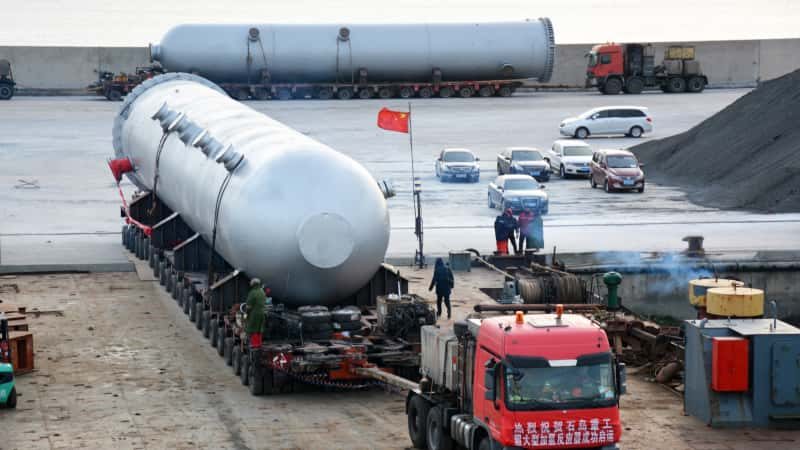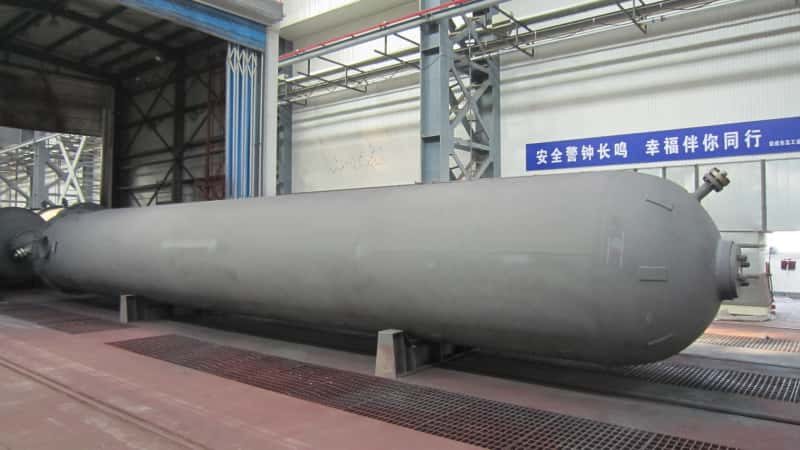

Industrial wastewater projects often use evaporation and crystallization when conventional treatment alone cannot reduce liquid volume, handle high-salt streams or prepare concentrated waste for downstream management. For EPC buyers, the key question is not simply whether to buy an evaporator or a crystallizer. The real issue is how the complete system will handle feed composition, scaling, heat transfer, condensate, concentrated brine, solids, storage tanks and project delivery boundaries.
This guide explains the difference between an evaporator and a crystallizer in industrial wastewater projects. It focuses on complete equipment procurement, including evaporators, crystallizers, condensers, heat exchangers, separators and large storage tanks above 1,000 liters. It does not promise discharge compliance, salt recovery or fixed treatment performance.
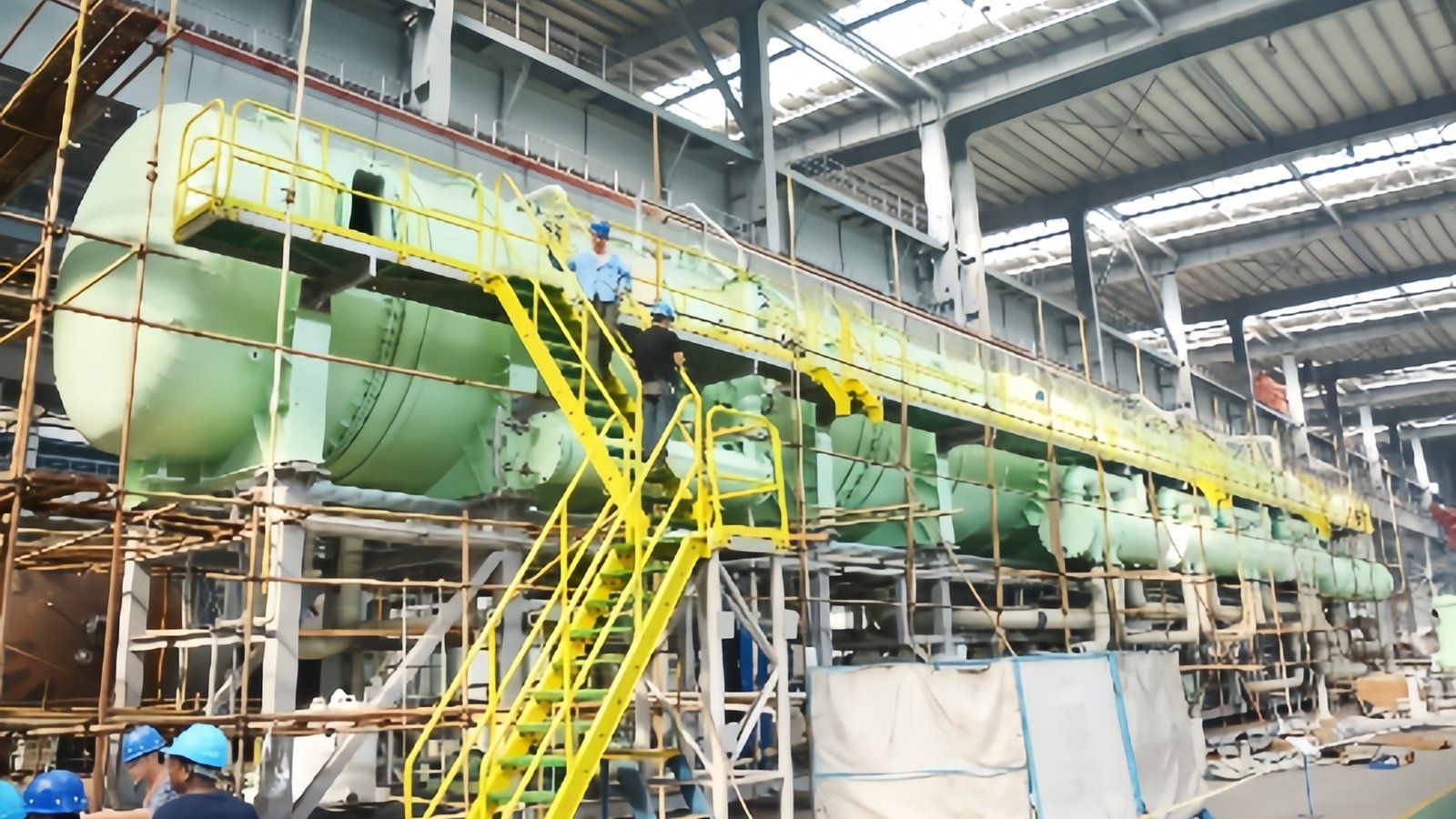
Why This Difference Matters for EPC Buyers
The U.S. EPA’s industrial effluent guidelines and industrial wastewater resources explain that industrial discharge requirements depend on facility type, discharge route and applicable rules. For equipment procurement, this means an evaporator or crystallizer should not be treated as a standalone compliance solution. It is part of a broader wastewater treatment, concentration, reuse or disposal strategy.
An evaporator may reduce wastewater volume and produce a concentrated liquid. A crystallizer may go further by creating solid crystals or slurry from highly concentrated brine. The decision depends on wastewater composition, target concentration, salt behavior, solids handling, energy conditions, fouling risk and downstream disposal route.
For industrial buyers, selecting the wrong equipment type may create maintenance problems, poor concentrate handling, scaling, unplanned shutdowns or unclear delivery responsibility.
What Is an Industrial Wastewater Evaporator?
An industrial wastewater evaporator uses heat transfer to vaporize water or volatile components from wastewater. The vapor is usually condensed, while the remaining liquid becomes more concentrated.
Evaporators may be used for:
- Wastewater volume reduction
- High-COD wastewater concentration
- Brine concentration
- Mother liquor concentration
- Scrubber blowdown reduction
- Pretreatment before crystallization
- Reducing off-site disposal volume
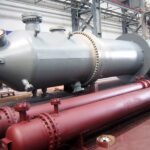
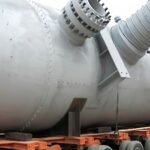
A complete evaporator system may include the evaporator body, heating section, vapor-liquid separator, condenser, preheater, pumps, controls, feed tank, condensate tank and concentrate tank. EPC buyers can review industrial heat exchangers and custom pressure vessels when planning system fabrication.
What Is an Industrial Wastewater Crystallizer?
A crystallizer is used when the project needs to form crystals or solid-containing slurry from concentrated wastewater, brine or mother liquor. It is often considered after evaporation has increased the concentration to a point where salts or other dissolved solids can crystallize.
Crystallizers may be used for:
- High-salt wastewater
- Brine concentration and solids formation
- Zero-liquid-discharge-related systems
- Salt recovery or solid waste preparation where technically feasible
- Concentrated chemical wastewater
- Fine chemical or pharmaceutical mother liquor
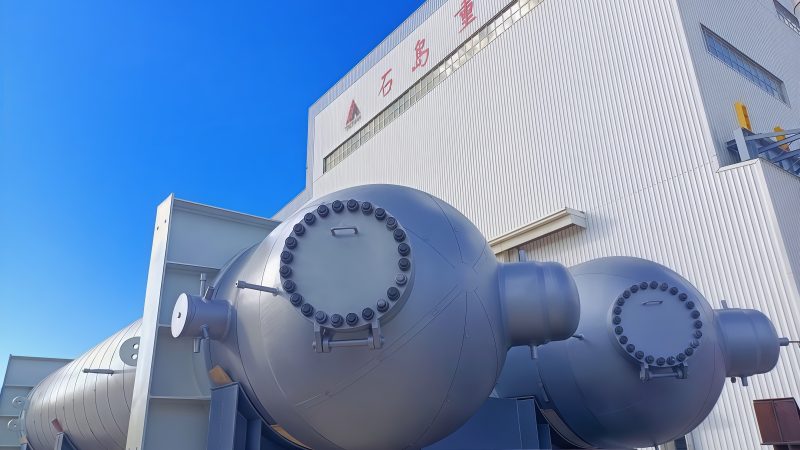
A crystallizer system may include crystallizer body, circulation loop, heat exchanger, vapor separator, condenser, solids handling interface, slurry tank and large holding tanks. Final equipment selection should follow actual feed analysis and process validation.
Key Differences Between Evaporators and Crystallizers
Process Target
An evaporator mainly concentrates liquid by removing water as vapor. A crystallizer is intended to form solid crystals or slurry from a concentrated solution. Some projects use evaporation first and crystallization later.
Feed Condition
Evaporators may handle wastewater before salts reach saturation. Crystallizers usually handle streams close to or beyond saturation, where solids formation is expected.
Scaling and Fouling Risk
Both systems can foul, but crystallizers must intentionally manage solids formation. Scaling, crystal growth, slurry circulation and heat transfer surface protection become more important.
Equipment Complexity
A crystallizer often requires more attention to solids handling, slurry behavior, circulation rate, cleaning access and downstream solid-liquid separation. An evaporator may be simpler, but high-salt or fouling wastewater can still make it complex.
Downstream Handling
Evaporator concentrate may remain liquid, while crystallizer discharge may be slurry or solid-containing material. EPC buyers must confirm storage, transfer, dewatering, disposal or recovery boundaries before ordering.
Selection Factors for EPC Buyers
1. Wastewater Composition
Buyers should provide COD, TDS, TSS, pH, chloride, sulfate, hardness, silica, ammonia nitrogen, solvent content, oil content and known hazardous components. For batch or variable wastewater, normal, maximum and abnormal cases should be provided.
2. Salt Behavior and Saturation Point
Crystallizer selection depends heavily on when salts begin to crystallize and how solids behave. Laboratory testing or pilot data may be needed for complex wastewater. Buyers should avoid assuming that all dissolved solids crystallize predictably.
3. Flow Rate and Operating Schedule
Daily flow, hourly flow, peak flow, batch operation and turndown requirements affect system size and tank capacity. Large feed and concentrate tanks above 1,000 liters may be required to stabilize operation.
4. Heat Transfer and Energy Source
Evaporation and crystallization require heat input. EPC buyers should define available steam, electricity, thermal oil, cooling water or other utilities. MVR, multi-effect evaporation, forced circulation or other configurations may be considered depending on project conditions.
5. Material and Corrosion Protection
Industrial wastewater may contain chlorides, acids, alkalis, solvents or mixed contaminants. Material selection may include carbon steel, stainless steel, duplex stainless steel or other project-specified materials. Large tanks may also require lining or coating depending on service.
6. Condensate Quality
Condensate should not be assumed clean or reusable. Volatile components, ammonia or organics may carry over. Condensate handling and further treatment should follow project design and local regulations.
7. Solids and Slurry Handling
Crystallizer projects must define slurry concentration, discharge temperature, storage time, transfer method and downstream solid-liquid separation. If these boundaries are unclear, procurement risk increases.
RFQ Checklist for Evaporator and Crystallizer Systems
Before requesting a quotation, EPC buyers should prepare:
- Wastewater analysis report
- Process flow diagram
- Daily and peak flow rate
- Feed temperature
- COD, TDS, TSS and pH data
- Salt and scaling analysis
- Target concentration or crystallization requirement
- Utility conditions
- Material requirements
- Corrosion allowance
- Condenser requirements
- Large tank capacity requirements above 1,000 liters
- Cleaning and maintenance expectations
- NDT and testing requirements
- Documentation requirements
- Site installation and delivery constraints
If wastewater composition is uncertain, buyers should mark assumptions clearly and consider testing before final equipment release.
Common Procurement Mistakes
Treating Crystallization as Simple Evaporation
Crystallization involves solids formation. Equipment must handle slurry, crystal growth, fouling, circulation and discharge boundaries.
Ignoring Condensate and Concentrate Handling
A system is not complete if condensate, brine, slurry or solids handling is undefined. Storage and transfer equipment should be reviewed early, including industrial storage tanks where large holding capacity is required.
Expecting Guaranteed Compliance From Equipment Alone
EPA wastewater resources show that compliance depends on discharge route, permit conditions and applicable standards. Equipment can support treatment strategy, but final compliance depends on process design, operation and monitoring. EPA’s effluent guidelines implementation and compliance resources may be useful as background for environmental review.
Underestimating Scaling Risk
Scaling can reduce heat transfer and increase cleaning frequency. Feed chemistry and operating conditions should be reviewed before procurement.
FAQ
What is the main difference between an evaporator and a crystallizer?
An evaporator concentrates liquid by vaporizing water, while a crystallizer is used when the process needs to form crystals or slurry from a concentrated stream.
When should an industrial wastewater project use a crystallizer?
A crystallizer may be considered when wastewater or brine reaches high dissolved solids levels and solids formation is required by the process design.
Can an evaporator or crystallizer guarantee discharge compliance?
No. Equipment can support volume reduction or concentration, but discharge compliance depends on complete treatment design, operation, monitoring and local regulations.
What data is needed before ordering an evaporator crystallizer system?
Buyers should provide wastewater analysis, flow rate, pH, TDS, COD, salt behavior, scaling tendency, utilities, materials, target concentration and delivery requirements.
Are storage tanks part of the complete system?
Often yes. Feed, condensate, concentrate or slurry tanks above 1,000 liters may be needed as part of the complete industrial wastewater equipment package.
Conclusion
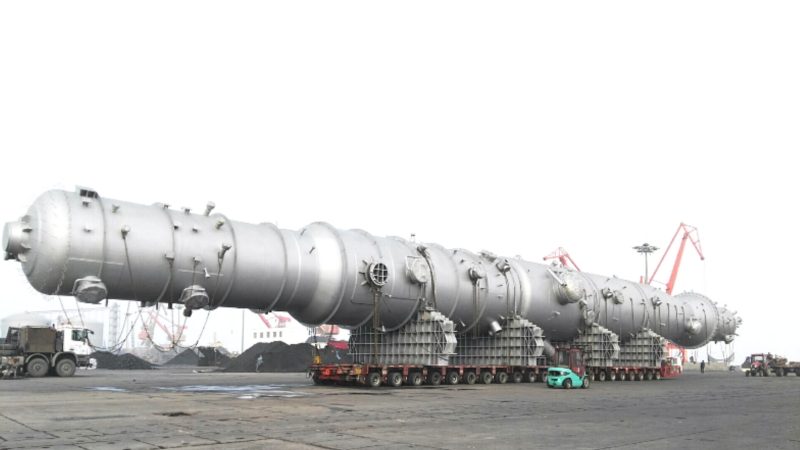
Evaporators and crystallizers serve different roles in industrial wastewater projects. An evaporator concentrates wastewater by removing vapor, while a crystallizer is used when solids or slurry formation becomes part of the process target. EPC buyers should evaluate feed composition, scaling risk, salt behavior, material selection, heat transfer, condensate handling, large storage tanks and delivery boundaries before ordering.
If you are planning an industrial wastewater concentration, evaporation, crystallization or ZLD-related project, you can share wastewater analysis, drawings, flow rate, target concentration and delivery requirements with our engineering team. WSHI can support manufacturing feasibility review for evaporators, crystallizers, heat exchangers, pressure vessels, large storage tanks and related custom process equipment.