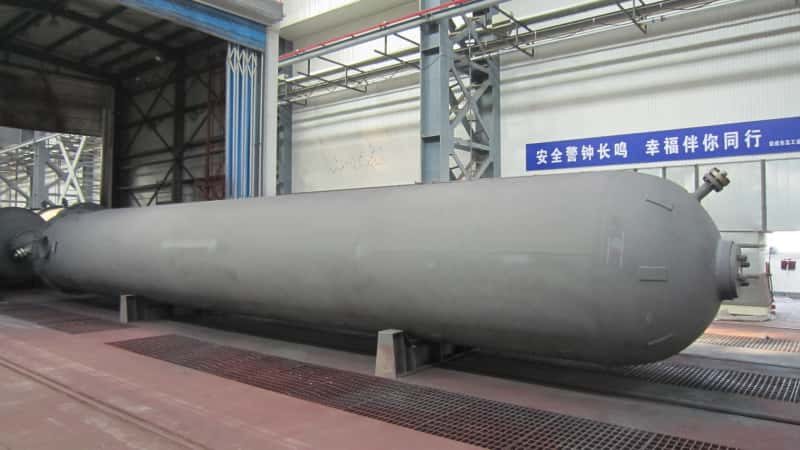

Green Hydrogen Refinery Equipment for SAF/HVO Projects
Green hydrogen is becoming more relevant to refinery decarbonization, especially where refiners are building sustainable aviation fuel (SAF) and hydrotreated vegetable oil (HVO) production capacity. In August 2026, OMV Petrom announced that modules for a second 35 MW electrolyzer had been delivered to the Petrobrazi refinery, bringing planned green hydrogen capacity there to 55 MW for refining processes including SAF and HVO production. For EPC buyers, this type of project highlights a practical procurement question: what pressure vessels, separators, heat exchangers and process equipment are needed around the hydrogen production and refinery integration scope?
Green hydrogen refinery equipment should be reviewed as a complete project package, not as a list of small accessories. Hydrogen buffer vessels, gas-liquid separators, heat exchangers, knock-out drums, process receivers, supports, nozzles, coating, inspection and documentation all need to match the process design, refinery safety requirements and delivery schedule.
Green hydrogen refinery integration is only an electrolyzer procurement task.False
The electrolyzer is central, but EPC buyers must also review cooling, separation, buffering, drying, pressure vessel interfaces, heat exchangers, inspection, coating, documentation and refinery integration requirements.
Hydrogen buffer vessels and separators should be specified as complete engineered equipment.True
Pressure, cycling, gas purity, moisture, nozzles, materials, inspection, testing, supports and delivery documentation should be coordinated within the complete equipment scope.
Why Green Hydrogen Integration Matters in Refineries
Refineries already use hydrogen in many process units. When green hydrogen is introduced, the equipment challenge is not limited to the electrolyzer. Hydrogen must be cooled, separated, dried, buffered, routed, protected and integrated with existing or new process units.
For SAF and HVO projects, hydrogen may be connected with hydrotreating or upgrading sections where stable gas supply and reliable process equipment matter. EPC teams need to evaluate the complete equipment boundary, including custom pressure vessels, separators, heat exchangers, storage or buffer vessels and connecting process packages.
The IEA Global Hydrogen Review 2026 describes hydrogen production and demand trends worldwide and tracks policy, infrastructure, investment and project development. For refinery and industrial buyers, this reinforces the need to connect hydrogen strategy with practical equipment procurement.
Main Equipment Used Around Green Hydrogen Refinery Integration
Hydrogen Buffer Vessels
Hydrogen production and refinery demand may not always match perfectly. Buffer vessels can help manage short-term flow variation, pressure stabilization and process continuity within the defined system design.
For EPC procurement, hydrogen buffer vessels should be specified with operating pressure, design pressure, temperature, flow range, gas purity, moisture content, cycling conditions, nozzle orientation, inspection requirements and applicable standards. These vessels should be purchased as complete engineered equipment, not as a shell plus separate small components.
Gas-Liquid Separators
Hydrogen systems may require gas-liquid separation after cooling, compression, dehydration or process conditioning. A separator vessel helps remove entrained liquid before the gas enters downstream equipment.
Buyers should define liquid load, gas flow, droplet removal expectation if specified by process design, pressure drop limit, corrosion risk and drainage philosophy. For refinery and new energy applications, pressure vessels for oil and gas often need to be coordinated with upstream and downstream units.
Heat Exchangers
Heat exchangers may be required for cooling hydrogen streams, recovering process heat or supporting hydrotreating-related thermal duties. In refinery service, shell and tube exchangers are often considered because they can be engineered for pressure, temperature, fouling and maintainability requirements.
When requesting a quotation for industrial heat exchangers, EPC buyers should provide heat duty, inlet and outlet temperatures, fluid composition, allowable pressure drop, fouling tendency, cleaning requirements, material requirements and inspection scope.
Process Vessels for Refinery Integration
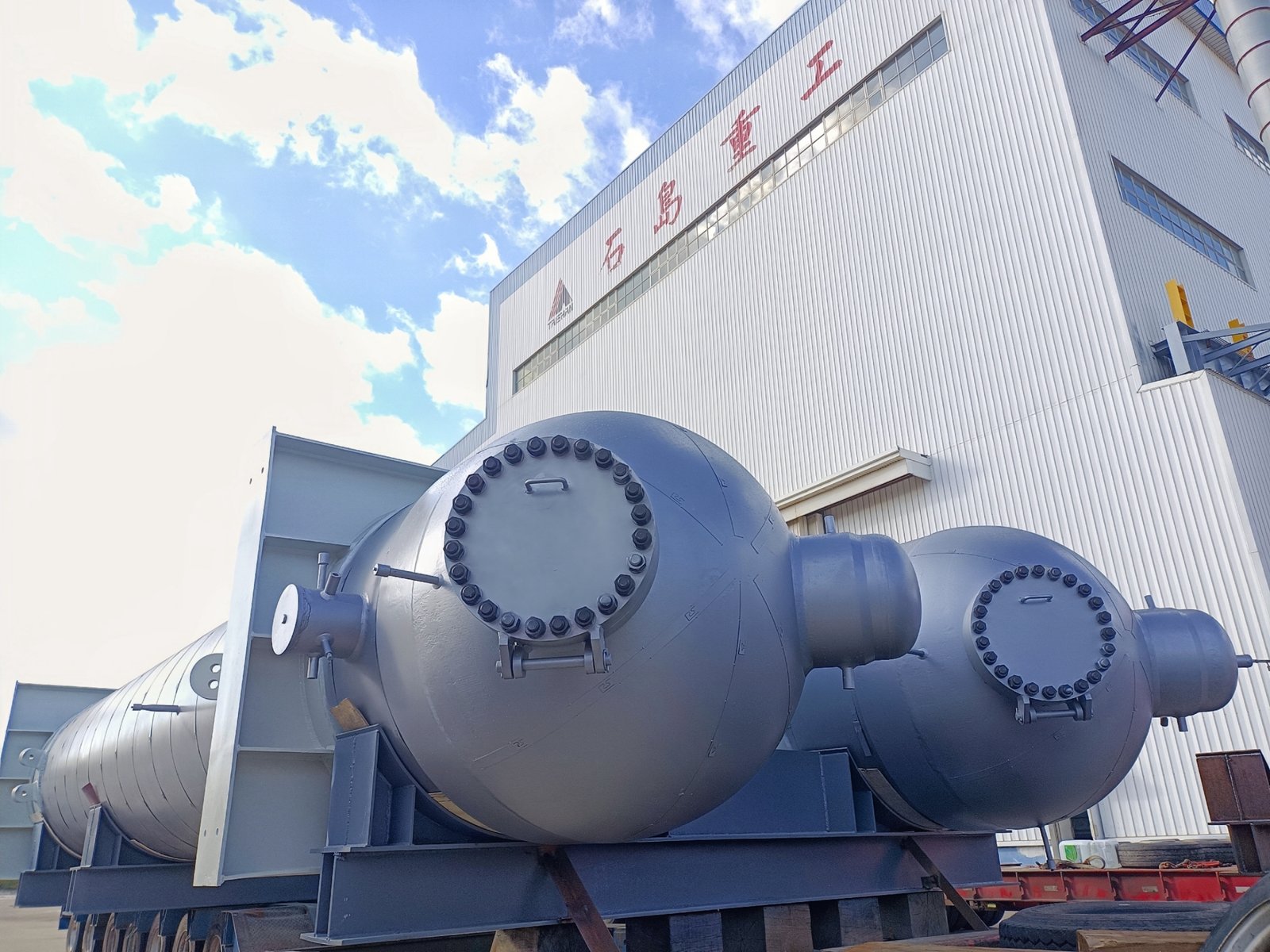
Green hydrogen projects may also require receivers, knock-out drums, purge gas vessels, condensate vessels or other process vessels depending on the system design. In SAF/HVO units, these vessels should be reviewed together with reactors, columns, heat exchangers and utility systems.
For refinery or petrochemical projects, petrochemical pressure vessels should be specified according to project datasheets, P&IDs and owner requirements. The U.S. Department of Energy also discusses the broader SAF Initiative, which gives useful background for buyers following sustainable fuels project development.
Green Hydrogen Refinery Equipment Checklist
| Equipment or interface | What EPC buyers should confirm | Why it matters |
|---|---|---|
| Hydrogen buffer vessel | Pressure, cycling, gas purity, temperature, nozzles and inspection scope | Supports stable refinery hydrogen supply |
| Gas-liquid separator | Liquid load, gas flow, drainage, mist removal target and material requirement | Protects downstream equipment from liquid carryover |
| Heat exchanger | Duty, pressure drop, fouling, material, cleaning access and test scope | Controls cooling, heat recovery and process temperature |
| Process receivers and drums | Battery limits, design conditions, supports, instruments and documentation | Improves package integration and procurement clarity |
| Delivery interface | Shipping size, lifting points, preservation, coating and export documents | Reduces schedule and installation risk |
Key Selection Factors for EPC Buyers
Hydrogen Service Conditions
Hydrogen service requires careful engineering review. Buyers should define hydrogen purity, operating pressure, pressure cycling, temperature range, water content, oxygen traces, impurities and downstream sensitivity.
Material selection, welding procedure, post-weld heat treatment, hardness control or impact testing may be required depending on the code, material and project specification. These requirements should be confirmed by qualified project engineers.
Pressure Vessel Code and Inspection Scope
Pressure vessels used in hydrogen refinery equipment may be subject to recognized pressure vessel codes such as ASME BPVC Section VIII, Division 1, depending on project location and contract requirements. EPC buyers should specify the required code, edition, certification expectations, NDE scope, third-party inspection requirements and documentation package before order placement.
System Boundary and Battery Limits
One common procurement issue is an unclear boundary between the electrolyzer supplier, refinery EPC contractor and pressure equipment manufacturer. Before fabrication, buyers should define whether the scope includes only individual vessels or a broader equipment package.
- Who provides process datasheets?
- Who confirms material compatibility?
- Who defines inspection and testing requirements?
- Who supplies connecting equipment and supports?
- Who is responsible for coating, packing and export documentation?
- Who coordinates nozzle orientation with the piping model?
WSHI can support pressure vessel manufacturing based on drawings, datasheets and agreed project specifications.
Manufacturing and Quality Control Considerations
Drawing Review and Fabrication Feasibility
Large hydrogen-related vessels and heat exchangers should be reviewed for manufacturability before production. Plate thickness, welding sequence, heat treatment, machining, lifting points, transport dimensions and coating requirements can all affect the manufacturing plan.
A large-scale pressure vessel manufacturer should help identify fabrication and delivery risks early, especially when the equipment is part of a refinery expansion or export project.
Welding, NDE and Pressure Testing
Hydrogen and refinery equipment usually require strong control of welding quality. Depending on the specification, inspection may include radiographic testing, ultrasonic testing, magnetic particle testing, penetrant testing, dimensional inspection and pressure testing.
Buyers should define all witness points and documentation requirements before purchase order release. This reduces disputes during final inspection and delivery.
Coating, Preservation and Delivery
Hydrogen refinery equipment may be installed outdoors, in coastal areas, in petrochemical zones or in corrosive industrial environments. External coating systems should match the site conditions and owner specification.
For export delivery, preservation, lifting, packaging, saddle support and port handling should be considered early. Large vessels and exchangers may need customized loading plans and shipping protection.
What Should Buyers Include in the RFQ?
A clear RFQ for green hydrogen refinery equipment should include:
- Process flow diagram or P&ID
- Equipment list and battery limits
- Vessel and heat exchanger datasheets
- Hydrogen purity and impurity profile
- Flow rate, pressure and temperature conditions
- Design code and project standards
- Material grade and corrosion requirements
- NDE, testing and inspection plan
- Coating and preservation requirements
- Delivery terms and export requirements
- Documentation package expectations
For SAF/HVO and refinery projects, the RFQ should also explain how the hydrogen equipment connects with the larger process unit. This helps the manufacturer review the complete project requirement rather than quoting isolated equipment.
Conclusion
Green hydrogen refinery equipment for SAF and HVO projects requires more than electrolyzer procurement. EPC buyers should define hydrogen buffer vessels, gas-liquid separators, heat exchangers, process vessels, inspection requirements, coating, delivery and documentation as part of a complete project scope.
If you are planning a refinery, SAF, HVO, green hydrogen or new energy process project, you can share your drawings, datasheets, operating conditions and delivery requirements with WSHI. Our team can support early communication for pressure vessels for new energy, fabrication feasibility, quality control planning and project delivery review. You can discuss your project requirements with our engineering team.
FAQ
What equipment is needed for green hydrogen integration in refineries?
Typical equipment may include hydrogen buffer vessels, gas-liquid separators, heat exchangers, knock-out vessels, process vessels and supporting refinery integration equipment. The final scope depends on the process design.
Are hydrogen buffer vessels standard products?
Usually not for refinery projects. Hydrogen buffer vessels should be specified according to pressure, temperature, gas purity, operating cycle, code requirements, nozzle orientation and inspection scope.
Why are heat exchangers important in SAF/HVO hydrogen projects?
Heat exchangers support cooling, heat recovery and process temperature control. EPC buyers should define heat duty, fluid composition, pressure drop, fouling tendency and material requirements before quotation.
What should EPC buyers confirm before ordering hydrogen pressure vessels?
Buyers should confirm design code, hydrogen service conditions, material requirements, welding requirements, NDE, pressure testing, coating, documentation and delivery terms.
Can one manufacturer support multiple equipment types?
A qualified custom equipment manufacturer may support pressure vessels, separators, heat exchangers, columns and related refinery equipment based on drawings and specifications. Final scope should be confirmed in the RFQ.