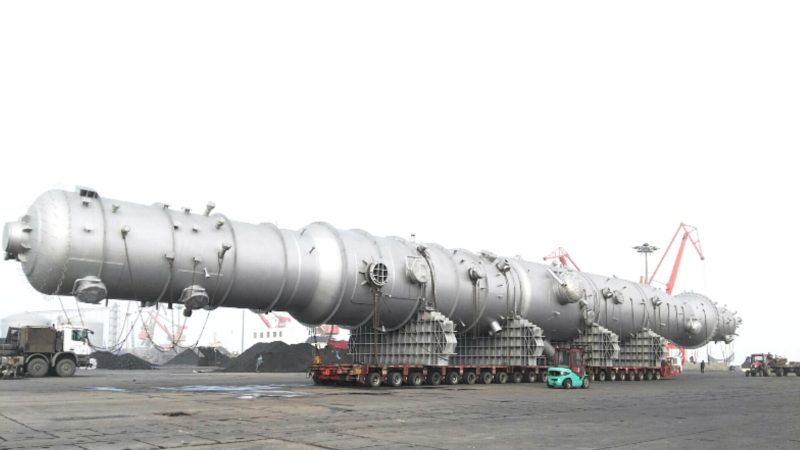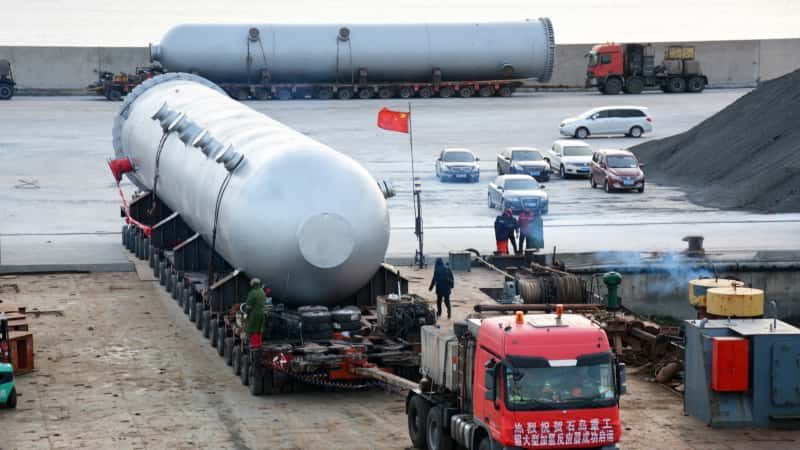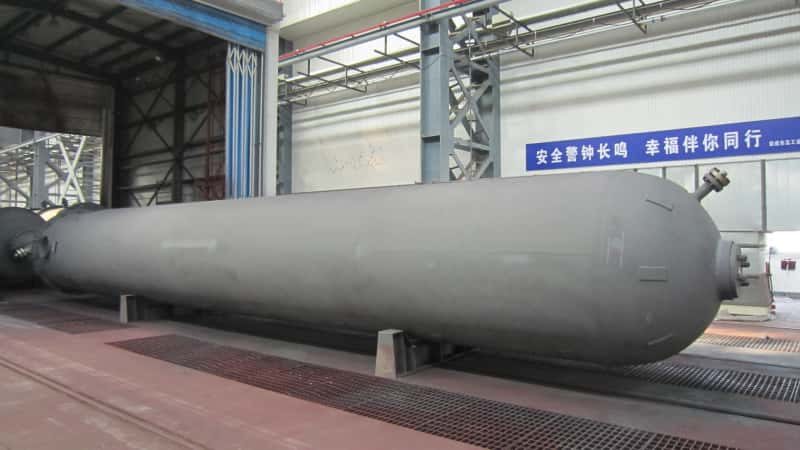

Purchasing high-chloride wastewater evaporators requires more than a feed volume and a requested stainless steel grade. As water is removed, the remaining liquid changes. Equipment must be evaluated against the expected concentrate, operating temperatures, cleaning conditions and variability of the wastewater, not just the initial laboratory sample.
For chemical manufacturers and environmental EPC contractors, the purchasing objective is a complete evaporation package with a documented design basis. That means agreeing on what the system must process, what it must discharge and which party takes responsibility for process selection, materials and equipment performance.
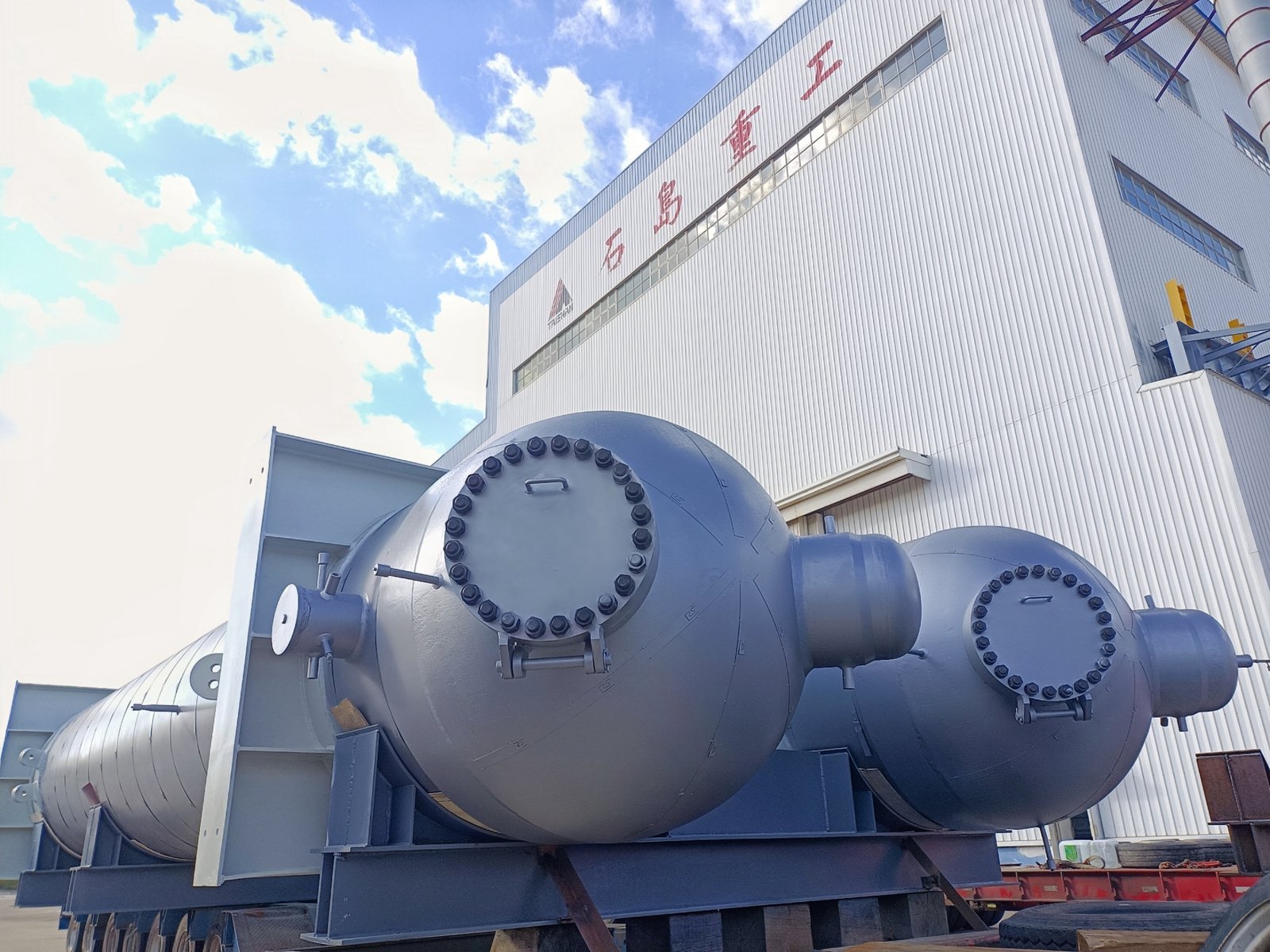
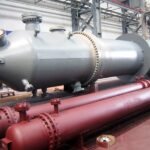
Representative heat-transfer equipment. This image does not establish suitability for high-chloride wastewater or document a completed wastewater project.
What Does a High-Chloride Wastewater Evaporator Do?
An industrial wastewater evaporator removes water as vapor to reduce the volume of the remaining liquid. Depending on the process configuration, vapor may be condensed, while the concentrate proceeds to further treatment, recovery or disposal. Evaporation does not destroy dissolved salts or automatically produce reusable water.
Potential applications include chemical production wastewater, saline process effluent and concentrated streams from upstream treatment. However, a high chloride concentration alone does not establish that evaporation is the best treatment route. The process designer should evaluate the complete wastewater composition, treatment objectives and available alternatives.
Buyers should also distinguish liquid concentration from crystallization. Producing a concentrated liquid and producing a manageable salt slurry involve different operating requirements. Neither a dry salt product nor zero liquid discharge should be assumed unless explicitly included in the process scope.
Specify More Than Total Dissolved Solids
Two wastewater streams with similar total dissolved solids can behave differently during evaporation. Chloride analysis is important, but other dissolved substances, suspended material and organic compounds also influence process selection and equipment requirements.
The inquiry should include a representative analysis covering chloride, major dissolved ions, pH, suspended solids, oil, relevant organic contaminants and any known corrosive or volatile constituents. Provide flow rates and explain whether the stream is continuous, batch-generated or blended from several production areas.
Describe Variability, Not Just an Average Sample
Identify normal conditions, expected extremes and occasional discharges such as cleaning solutions or off-specification batches. Clearly distinguish measured values from estimates. A single sample taken during stable production may not represent the most demanding condition the equipment will encounter.
Where wastewater composition is uncertain, agree on a sampling and testing program before fixing performance guarantees. Laboratory or pilot evaluation may be appropriate for unfamiliar mixtures. The purpose is to reduce uncertainty about concentration behavior and treatment requirements, not to promise that a short test reproduces every long-term operating condition.
Define the Concentrate Before Selecting Equipment
Feed conditions are only the starting point. Buyers should specify the target concentrate condition, expected discharge rate and downstream destination. Is the project intended to reduce disposal volume, supply a crystallization stage or prepare a stream for another treatment process?
As water is removed, nonvolatile dissolved constituents generally become more concentrated until precipitation or other changes alter their behavior. The process designer should therefore establish an appropriate mass balance and evaluate the expected liquid and solids conditions throughout the operating range.
An aggressive water-recovery target can change viscosity, boiling behavior, scaling tendency and material exposure. Ask suppliers to identify the assumptions behind their proposed evaporation capacity and concentration limit. Do not compare quotations that use different final-concentrate conditions as though they describe the same duty.
Review Materials Against the Full Exposure Conditions
No stainless steel grade is a universal answer for high-chloride evaporation. Material assessment should consider composition, temperature, pH, oxygen or oxidizing species, deposits, cleaning exposure and relevant stress conditions.
The Nickel Institute’s technical reference on water chemistry factors affecting material performance illustrates why chloride concentration should not be considered in isolation. It is background guidance, not a material-selection chart for concentrated industrial wastewater.
Include Heating Surfaces and Cleaning Conditions
Bulk liquid temperature does not describe every surface exposure. The materials review should consider heating conditions and areas where deposits or local concentration may occur. Cleaning chemicals and cleaning temperatures also belong in the assessment.
Candidate materials may require specialist evaluation and supporting service data or testing. If alternative alloys or construction methods are proposed, the manufacturer should confirm fabrication capability and inspection requirements. Increasing thickness alone should not be presented as a substitute for evaluating localized corrosion or cracking risks.
For complete custom process vessels, the agreed material specification should be traceable to an approved service assessment rather than a generic “corrosion-resistant” label.
Match the Evaporation Arrangement to the Wastewater
Buyers may encounter proposals using different circulation arrangements, heating methods or energy-recovery configurations. These should be compared against the actual stream and operating objective, not selected solely from an advertised energy-consumption figure.
Request the design assumptions for heat duty, utility conditions, expected fouling and allowable operating range. Where mechanical vapor recompression or multiple-effect operation is proposed, confirm who performs process design and supplies the associated equipment. A vessel fabrication quotation should not be mistaken for a complete integrated system proposal.
Relevant industrial heat exchangers must be evaluated for the specified wastewater duty. A suitable design for clean utility water does not automatically suit concentrated wastewater containing deposits or suspended solids.
Make Cleaning and Condensate Handling Part of the Inquiry
Ask how the proposed system will be cleaned, what operating signs trigger cleaning and what access is required. Agree on acceptable cleaning methods and material compatibility. Cleaning downtime and the handling of spent cleaning solutions should be included in the operating assessment.
Condensate quality also requires a defined basis. Volatile constituents and liquid carryover can affect the recovered water. The EPA’s historical Capsule Report on Evaporation discusses condensate-contamination considerations; it should not be treated as a current discharge authorization or a project-specific performance guarantee.
Specify the intended condensate destination and required quality parameters. If polishing, monitoring or off-gas treatment is necessary, identify which supplier or contractor provides it. Evaporation alone should not be described as guaranteeing compliant discharge or unrestricted reuse.
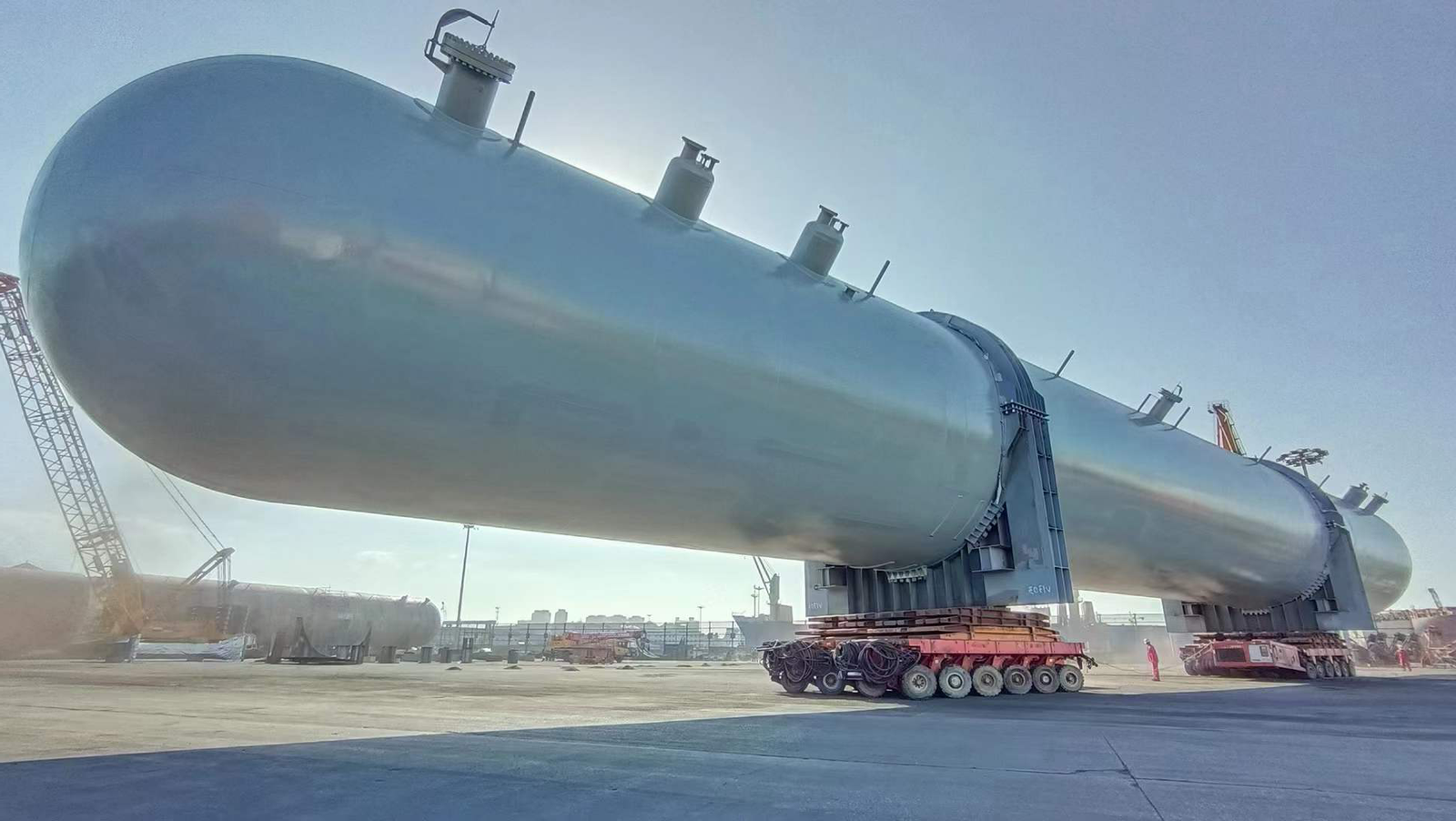
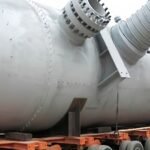
Representative storage equipment. Material and operating requirements must be assessed separately for feed, concentrate and condensate service.
Define the Complete Equipment Supply Boundary
An evaporation project may require an evaporator, separation vessel, condenser, heat-transfer equipment and liquid storage. The approved process determines the actual equipment list. Buyers should identify each complete item and assign responsibility for its design, manufacture and integration.
Where large industrial storage tanks above 1,000 liters are required, specify their working capacity and service independently. Feed buffering, concentrate collection and condensate storage do not necessarily share the same material or containment requirements.
The scope should also allocate controls, utilities, field piping, installation and commissioning. These interfaces matter even when they are outside the manufacturer’s supply. A clear equipment schedule helps prevent an apparently complete quotation from leaving essential project work unassigned.
Agree Quality Control and Delivery Requirements
Before award, confirm the applicable construction requirements, material documentation, welding qualifications, examinations and testing. Pressure or vacuum conditions must be assessed where relevant. Inspection requirements should follow the approved design and project specification rather than a standard marketing checklist.
For materials selected through specialist review, agree how their identity and fabrication requirements will be verified. Establish drawing approval and inspection hold points before manufacturing begins.
Delivery planning should cover shipment dimensions, preservation, lifting information and the documentation needed for installation. Any split between factory assembly and site assembly should be explicit. Compare suppliers on the complete approved scope and delivery assumptions, not equipment price alone.
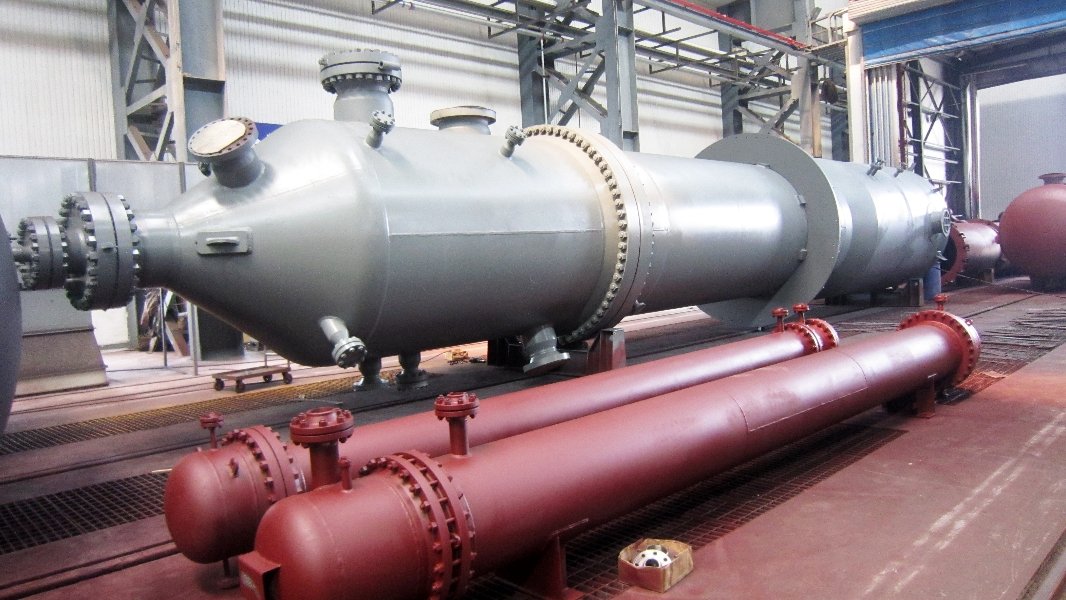
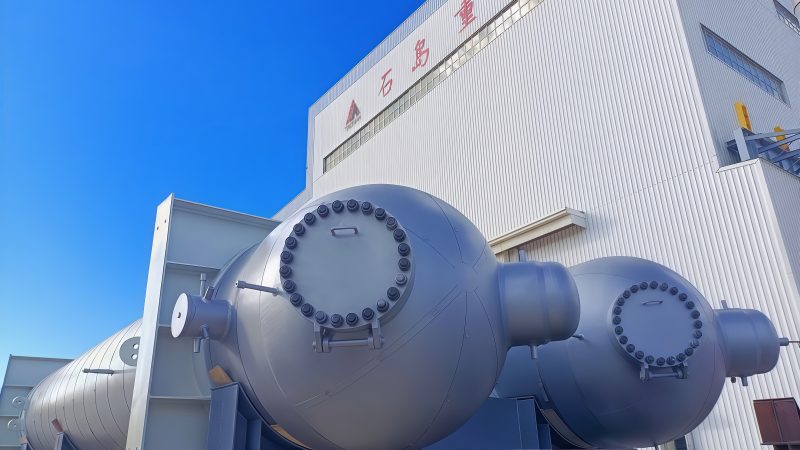
Representative workshop image. Project-specific material control, inspection and fabrication requirements must be agreed before production.
FAQ
Is 316L stainless steel suitable for high-chloride wastewater evaporation?
It cannot be confirmed from the grade name or feed chloride value alone. Suitability requires assessment of the full operating and cleaning environment, including the expected concentrate. A project-specific materials review is necessary.
Does vacuum operation eliminate chloride corrosion risks?
No. A lower boiling temperature may influence the assessment, but it does not remove chloride or resolve every corrosion mechanism. The complete operating environment still requires review.
Can condensate be reused directly?
Only if its demonstrated quality meets the intended reuse requirements. Volatile contaminants or carryover may require additional treatment and monitoring. Reuse should be based on agreed testing and acceptance criteria.
What information is needed for a meaningful quotation?
Provide representative wastewater analyses, flow variability, target concentrate conditions, utility availability, condensate requirements, cleaning expectations, delivery location and the intended equipment scope. Identify unresolved inputs before requesting firm guarantees.
Discuss a Defined Wastewater Duty
High-chloride wastewater evaporators should be purchased against a documented process and materials basis, with clear responsibilities for complete equipment supply.
For evaporators, process vessels, heat exchangers and storage tanks above 1,000 liters, discuss your project requirements with our engineering team. Share the wastewater analysis, target concentration, available drawings and proposed supply boundary so the team can review manufacturing requirements, documentation and delivery scope.