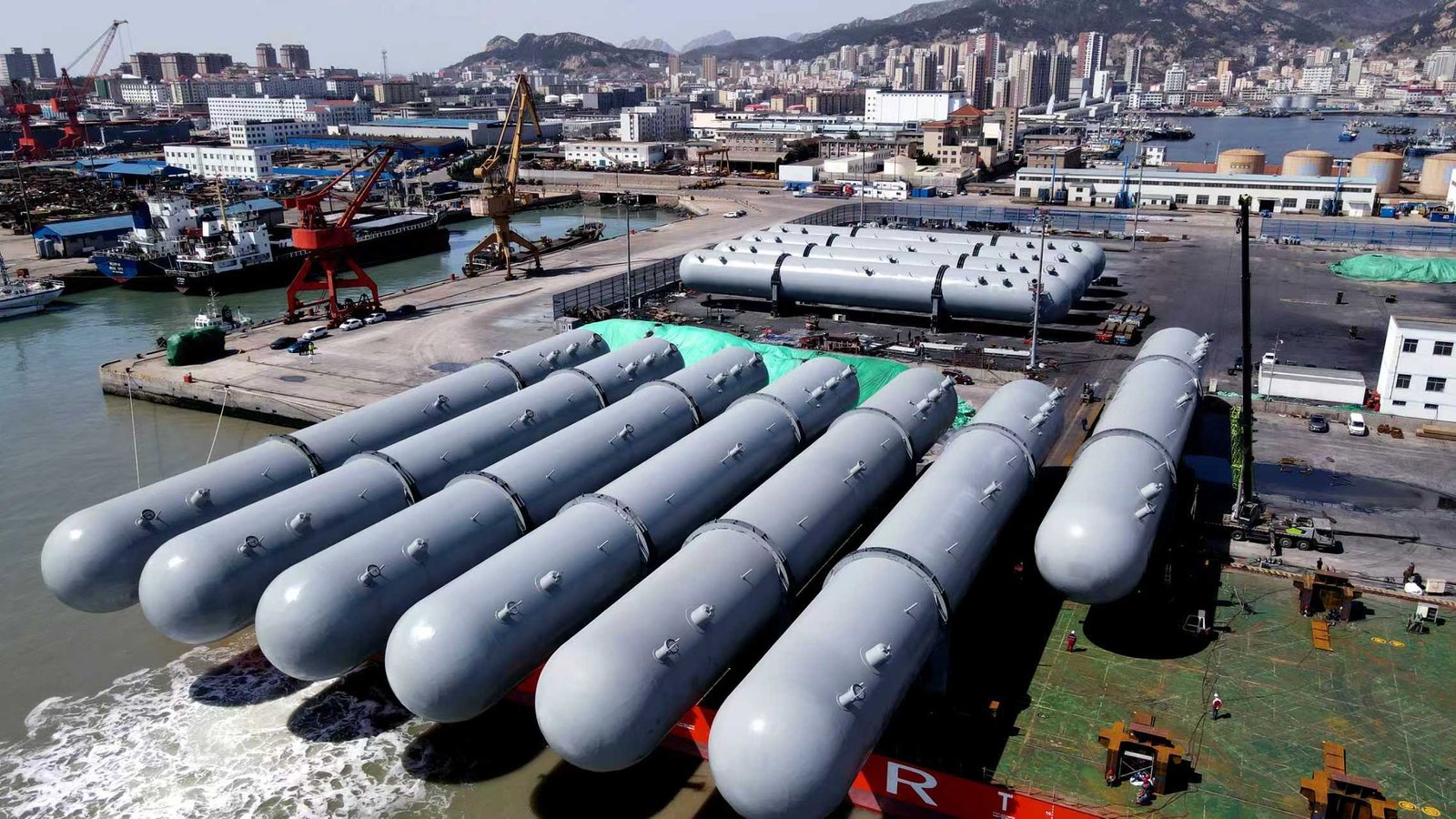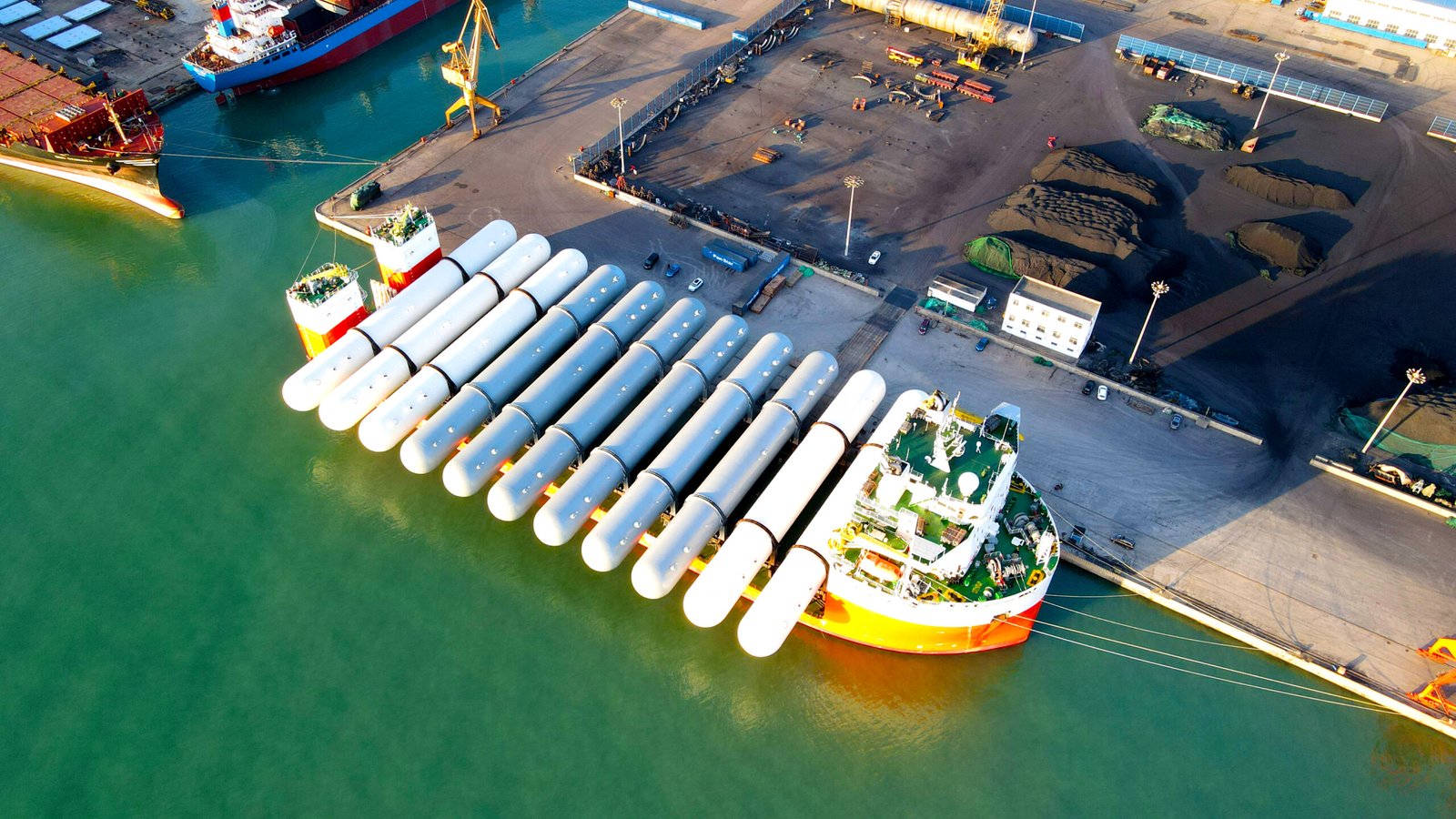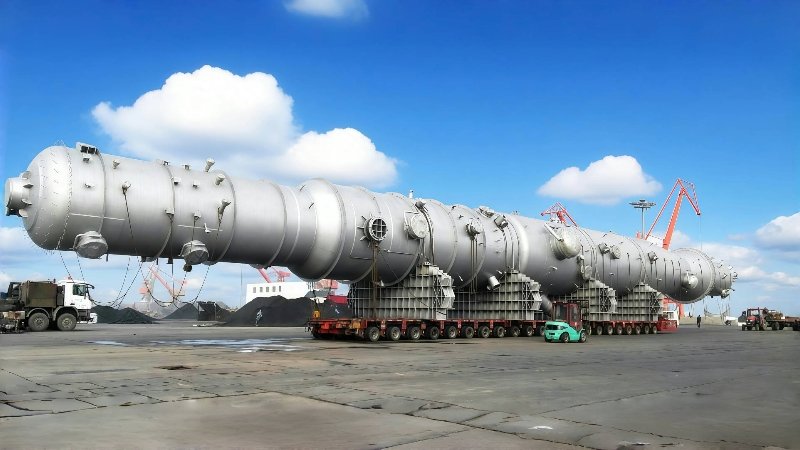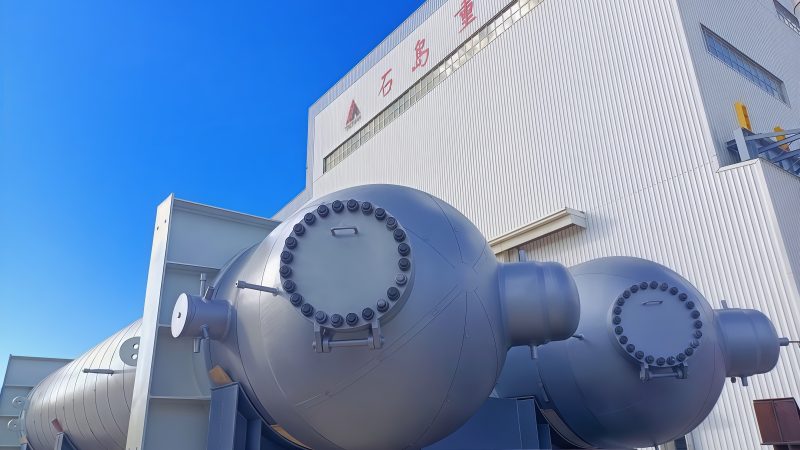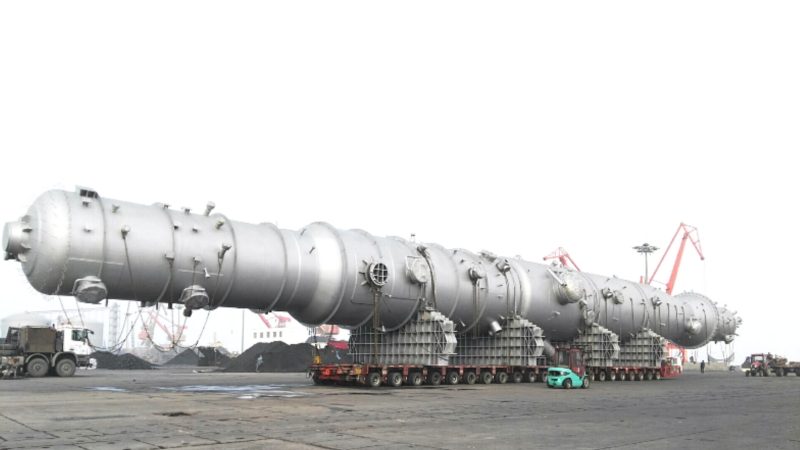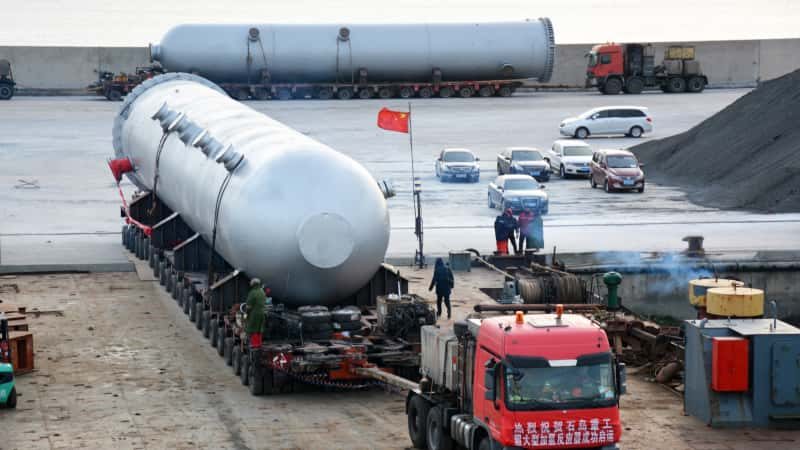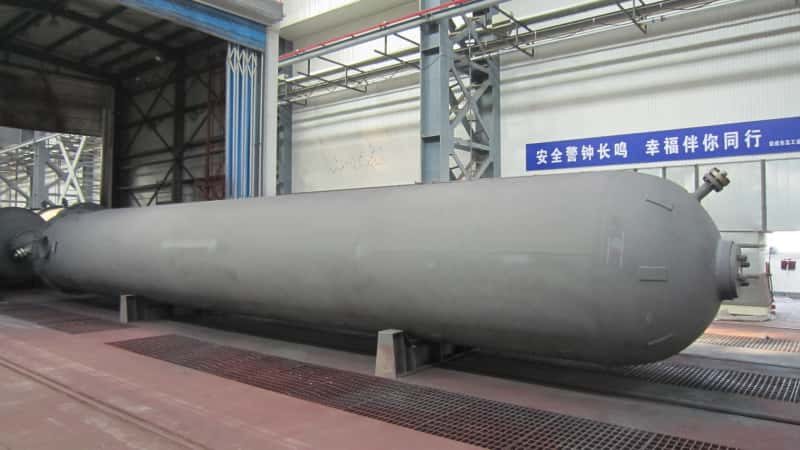

Choosing the wrong heat exchanger manufacturer can lead to costly downtime, poor thermal performance, safety risks, and frequent maintenance issues. Many buyers struggle with inconsistent quality, unclear specifications, and unreliable after-sales support—problems that can severely impact operational efficiency and long-term ROI. The solution lies in a structured, expert-driven evaluation process that ensures you partner with a reliable, technically competent, and customer-focused supplier.
To evaluate heat exchanger manufacturers and suppliers effectively, you should assess their technical expertise, manufacturing capabilities, quality assurance systems, industry certifications, customization ability, delivery reliability, and after-sales service. Additionally, reviewing their project experience, client references, and compliance with international standards ensures you select a supplier capable of delivering high-performance, durable, and cost-effective heat exchange solutions.
In this guide, I will walk you through a professional, industry-tested framework to help you confidently evaluate and select the right heat exchanger partner for your specific application needs.
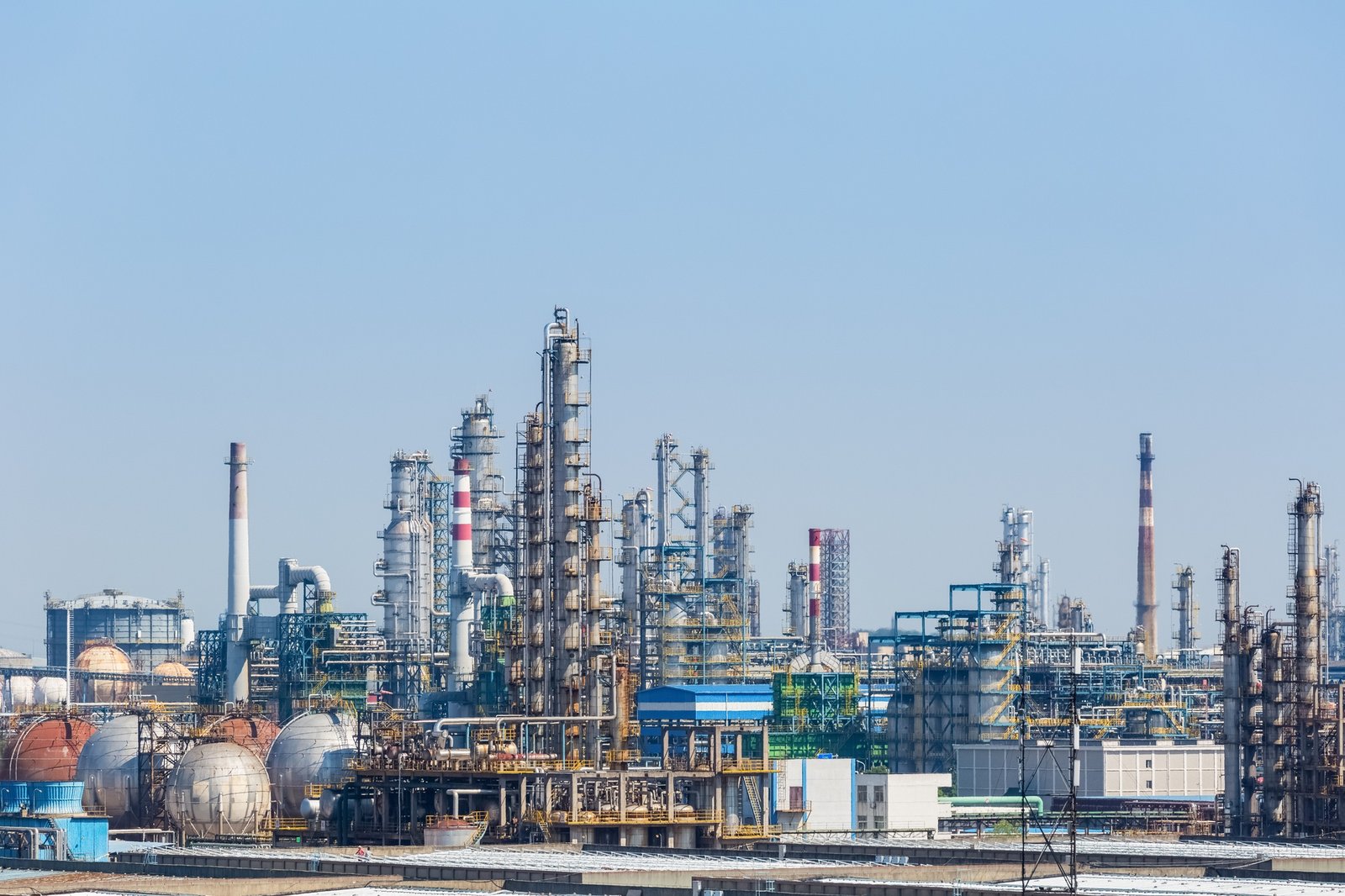
What Technical Expertise Should a Heat Exchanger Manufacturer Have?
In today’s industrial landscape, inefficient heat transfer systems can silently erode productivity, inflate energy costs, and even cause catastrophic equipment failures. Many buyers underestimate the complexity behind heat exchanger design and manufacturing—leading to poor supplier choices, frequent breakdowns, and costly downtime. The solution lies in understanding the technical expertise a qualified heat exchanger manufacturer must possess, ensuring long-term reliability, efficiency, and safety.
A competent heat exchanger manufacturer must demonstrate deep expertise in thermodynamic design, materials science, advanced manufacturing processes, quality control standards, and industry-specific compliance. They should also have capabilities in simulation, customization, corrosion resistance engineering, and lifecycle performance optimization to deliver reliable and efficient heat transfer solutions across diverse industrial applications.
To make an informed decision, it’s essential to go beyond surface-level credentials and evaluate the full spectrum of technical capabilities. This article provides an in-depth, professional breakdown of the core competencies every high-quality heat exchanger manufacturer should have.
All heat exchangers can be designed using the same engineering principles regardless of application.False
Different industries require unique thermal, pressure, and material considerations, making specialized design expertise essential.
Advanced simulation tools improve heat exchanger efficiency and reliability.True
Simulation enables precise thermal and mechanical optimization, reducing failure risks and improving performance.
Core Technical Expertise Areas in Heat Exchanger Manufacturing
A professional heat exchanger manufacturer must operate at the intersection of engineering science and industrial production. This requires mastery across several disciplines, each contributing to performance, durability, and compliance.
1. Thermodynamic and Heat Transfer Engineering
At the heart of every heat exchanger lies the science of heat transfer. Manufacturers must possess deep knowledge in:
- Conduction, convection, and radiation principles
- Log Mean Temperature Difference (LMTD) and NTU methods
- Flow dynamics (laminar vs turbulent flow)
- Pressure drop optimization
A lack of expertise here leads to inefficient systems, overheating, or excessive energy consumption. Advanced manufacturers utilize computational fluid dynamics (CFD) to model real-world performance before production.
| Parameter | Importance | Technical Requirement |
|---|---|---|
| Heat Transfer Coefficient | Determines efficiency | Accurate calculation and optimization |
| Pressure Drop | Affects pumping cost | Balanced design approach |
| Flow Arrangement | Impacts thermal performance | Counterflow, parallel, crossflow expertise |
2. Materials Science and Corrosion Engineering
Material selection is one of the most critical aspects of heat exchanger manufacturing. The wrong material can result in rapid degradation, contamination, or failure.
Manufacturers must understand:
- Corrosion mechanisms (pitting, galvanic, stress corrosion cracking)
- High-temperature material behavior
- Compatibility with process fluids
Common materials include:
| Material | Application | Key Advantage |
|---|---|---|
| Stainless Steel (304/316) | Food, chemical | Corrosion resistance |
| Titanium | Marine, seawater | उत्कृष्ट corrosion resistance |
| Copper Alloys | HVAC | High thermal conductivity |
| Nickel Alloys | Chemical processing | Extreme durability |
A top-tier manufacturer will also provide material traceability and certification.
3. Mechanical Design and Structural Integrity
Heat exchangers must withstand extreme pressures, temperatures, and cyclic loads. Manufacturers need expertise in:
- ASME pressure vessel design
- Thermal expansion stress analysis
- Vibration and fatigue analysis
- Gasket and sealing technology
Failure to properly design structural elements can result in leaks, ruptures, or safety hazards.
4. Advanced Manufacturing Capabilities
A manufacturer’s production capabilities directly influence product quality and consistency. Essential capabilities include:
- CNC machining for precision components
- Automated welding (TIG, MIG, orbital welding)
- Tube expansion and rolling technologies
- Fin forming and brazing techniques
| Process | Purpose | Required Expertise |
|---|---|---|
| Welding | Structural integrity | Certified welders + NDT testing |
| Machining | Precision parts | High-tolerance CNC systems |
| Assembly | System integration | Skilled technicians |
5. Simulation and Digital Engineering
Modern heat exchanger manufacturers rely heavily on digital tools to optimize designs:
- CFD (Computational Fluid Dynamics)
- FEA (Finite Element Analysis)
- Thermal modeling software
These tools allow manufacturers to:
- Predict performance under varying conditions
- Identify hotspots or stress points
- Reduce prototyping costs
6. Industry Standards and Compliance Knowledge
Compliance is non-negotiable in heat exchanger manufacturing. Manufacturers must be familiar with:
- ASME Boiler and Pressure Vessel Code
- TEMA (Tubular Exchanger Manufacturers Association)
- API standards
- ISO certifications
Failure to comply can result in legal issues, safety risks, and project delays.
7. Customization and Application-Specific Expertise
Different industries demand different heat exchanger solutions:
| Industry | Requirement | Specialized Expertise |
|---|---|---|
| Oil & Gas | High pressure, corrosive fluids | Robust materials, safety design |
| Food & Beverage | Hygiene, cleanability | Sanitary design (CIP/SIP) |
| Power Generation | High temperature | Thermal fatigue resistance |
| HVAC | Energy efficiency | Compact, cost-effective designs |
Manufacturers must tailor designs based on process requirements rather than offering generic solutions.
8. Quality Assurance and Testing Capabilities
Quality control is essential for reliability. Leading manufacturers implement:
- Hydrostatic pressure testing
- Non-destructive testing (NDT)
- Leak detection systems
- Dimensional inspection
| Test Type | Purpose |
|---|---|
| Hydrostatic Test | Pressure resistance validation |
| Radiographic Testing | Weld integrity inspection |
| Ultrasonic Testing | Internal flaw detection |
9. Lifecycle Support and After-Sales Engineering
Technical expertise doesn’t end at delivery. A reliable manufacturer should provide:
- Installation guidance
- Maintenance recommendations
- Performance monitoring
- Spare parts and upgrades
This ensures long-term efficiency and reduces total cost of ownership.
10. Energy Efficiency and Sustainability Engineering
Modern industries demand environmentally responsible solutions. Manufacturers should:
- Optimize thermal efficiency
- Reduce energy consumption
- Design for waste heat recovery
- Use sustainable materials
Real-World Case Study: Industrial Efficiency Improvement
A chemical processing plant replaced an outdated shell-and-tube heat exchanger with a newly engineered unit designed using CFD optimization. Results included:
- 18% increase in heat transfer efficiency
- 22% reduction in energy consumption
- 30% longer operational lifespan
This demonstrates how technical expertise directly impacts operational performance.
Key Takeaways for Buyers
When selecting a heat exchanger manufacturer, prioritize:
- Proven engineering capabilities
- Advanced manufacturing infrastructure
- Industry certifications
- Customization ability
- Strong after-sales support
Choosing a technically competent partner ensures not only performance but also safety and long-term cost savings.
Conclusion
A heat exchanger is far more than a piece of equipment—it is a critical component that influences efficiency, safety, and operational success. Manufacturers must combine deep theoretical knowledge with practical engineering execution, advanced manufacturing, and strict quality control. Without this comprehensive expertise, even the most basic system can fail under real-world conditions.
Contact Us for Expert Heat Exchanger Solutions
If you are looking for a reliable, technically advanced heat exchanger manufacturer, we are here to help. Our team combines decades of engineering expertise with state-of-the-art manufacturing capabilities to deliver customized, high-performance solutions tailored to your industry needs. Contact us today to discuss your project and discover how we can optimize your thermal systems for maximum efficiency and reliability.
How Do You Assess the Manufacturing Capabilities of a Heat Exchanger Supplier?
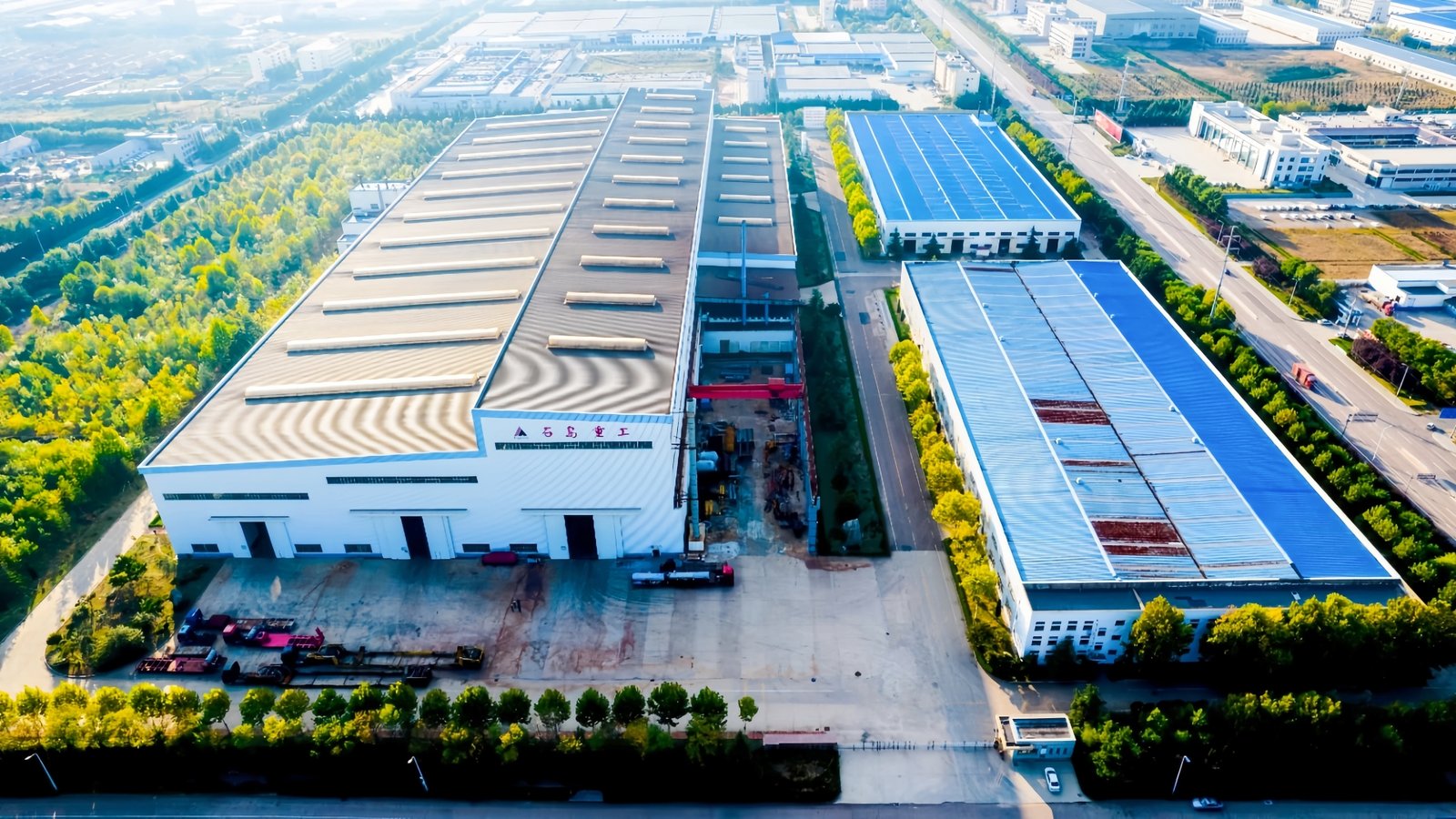
Selecting the wrong heat exchanger supplier can lead to delayed projects, inconsistent product quality, and unexpected system failures that cost far more than the initial investment. Many buyers focus only on price or delivery time, overlooking the deeper manufacturing capabilities that determine long-term performance and reliability. The real solution is to evaluate suppliers through a structured, technical lens that reveals their true production strength, engineering depth, and quality assurance systems.
To assess the manufacturing capabilities of a heat exchanger supplier, you must evaluate their engineering expertise, production infrastructure, quality control systems, certifications, customization ability, material handling, and real-world project experience. A capable supplier will demonstrate advanced fabrication technologies, strict compliance with international standards, and the ability to deliver consistent, high-performance products tailored to specific industrial applications.
Understanding these criteria in depth will help you avoid costly mistakes and identify a partner capable of delivering reliable, efficient, and durable heat exchanger solutions.
A supplier with the lowest price always offers the best value in heat exchanger manufacturing.False
Low-cost suppliers often compromise on materials, quality control, or engineering, leading to higher lifecycle costs.
Certified manufacturing processes improve consistency and reliability in heat exchanger production.True
Standards such as ASME and ISO ensure repeatability, safety, and quality assurance across production batches.
Core Framework for Evaluating Manufacturing Capabilities
Assessing a heat exchanger supplier requires a multi-dimensional approach that goes beyond surface-level audits. Below is a comprehensive breakdown of the key technical areas you must evaluate.
1. Engineering and Design Competence
A supplier’s engineering capability is the foundation of manufacturing excellence. Without strong design expertise, even the most advanced factory cannot produce efficient heat exchangers.
Key evaluation points include:
- Use of thermal design methods (LMTD, NTU)
- CFD (Computational Fluid Dynamics) simulation capability
- Mechanical design for pressure and thermal stress
- Design software (e.g., HTRI, Aspen EDR)
| Evaluation Factor | What to Look For | Risk if Absent |
|---|---|---|
| Thermal Design Accuracy | Validated calculations & simulations | Poor heat transfer efficiency |
| Mechanical Integrity | Stress and fatigue analysis | Equipment failure |
| Design Customization | Tailored solutions | Oversized or inefficient units |
A technically strong supplier will provide design reports, simulation outputs, and performance guarantees.
2. Manufacturing Infrastructure and Equipment
The physical production capability of a supplier directly determines precision, scalability, and consistency.
Critical infrastructure includes:
- CNC machining centers
- Automated welding systems (orbital, TIG, MIG)
- Tube expansion and rolling machines
- Fin forming and brazing equipment
| Equipment Type | Capability Indicator | Impact |
|---|---|---|
| CNC Machines | High precision tolerance | Accurate component fabrication |
| Automated Welding | Consistent weld quality | Structural integrity |
| Assembly Lines | Organized workflow | Faster delivery times |
A site visit or virtual factory audit is highly recommended to verify these capabilities.
3. Welding Technology and Expertise
Welding is one of the most critical processes in heat exchanger manufacturing. Poor welding leads to leaks, structural failure, and safety hazards.
You should assess:
- Welding procedures (WPS/PQR documentation)
- Welder certifications
- Non-destructive testing (NDT) capability
| Welding Aspect | Requirement | Importance |
|---|---|---|
| Certification | ASME Section IX | Compliance and safety |
| Process Control | Automated or semi-automated | Consistency |
| Inspection | RT, UT, PT, MT | Defect detection |
4. Material Procurement and Traceability
Material quality directly affects performance and lifespan. A reliable supplier must have strict material control systems.
Key indicators:
- Approved supplier lists
- Material test certificates (MTC)
- Full traceability from raw material to finished product
| Material Control Factor | Why It Matters |
|---|---|
| Traceability | Ensures accountability |
| Certification | Confirms material properties |
| Storage Conditions | Prevents contamination |
5. Quality Control and Testing Systems
Quality assurance is the backbone of reliable manufacturing. A capable supplier must implement rigorous inspection and testing procedures.
Essential tests include:
- Hydrostatic pressure testing
- Helium leak detection
- Radiographic (RT) and ultrasonic (UT) testing
- Dimensional inspection
| Test Type | Purpose | Frequency |
|---|---|---|
| Hydrostatic Test | Pressure resistance | Every unit |
| NDT Testing | Detect internal flaws | Critical welds |
| Final Inspection | Compliance verification | Pre-delivery |
6. Certifications and Compliance
Certifications are proof of a supplier’s commitment to quality and safety.
Important certifications include:
- ASME U Stamp
- ISO 9001 (Quality Management)
- TEMA standards compliance
- PED (Pressure Equipment Directive)
| Certification | Significance |
|---|---|
| ASME | Pressure vessel safety |
| ISO 9001 | Quality management system |
| PED | European compliance |
7. Production Capacity and Scalability
A supplier must be able to handle your project size and future growth needs.
Evaluate:
- Monthly production capacity
- Workforce size and expertise
- Lead time consistency
| Capacity Factor | Indicator | Risk if Weak |
|---|---|---|
| Output Volume | Units/month | Delays |
| Workforce Skill | Training level | Quality inconsistency |
| Lead Time | Delivery reliability | Project disruption |
8. Customization and Application Expertise
Not all heat exchangers are created equal. Suppliers must adapt designs to specific industries.
Look for experience in:
- Oil & gas
- Chemical processing
- Power generation
- Food & beverage
| Industry | Custom Requirement |
|---|---|
| Chemical | Corrosion resistance |
| Food | Hygienic design |
| Power | High thermal stress tolerance |
9. Digitalization and Smart Manufacturing
Modern manufacturers leverage digital technologies to improve efficiency and traceability.
Capabilities include:
- ERP and MES systems
- Digital twins and simulation
- Automated quality tracking
These systems ensure transparency and process optimization.
10. Track Record and Case Studies
Past performance is one of the strongest indicators of capability.
Ask for:
- Case studies
- Client references
- Industry project experience
| Evidence Type | What It Shows |
|---|---|
| Case Studies | Problem-solving ability |
| References | Customer satisfaction |
| Repeat Clients | Reliability |
Real-World Example: Supplier Comparison
| Criteria | Supplier A | Supplier B |
|---|---|---|
| Certifications | ASME + ISO | ISO only |
| Welding Quality | Automated + NDT | Manual only |
| Simulation Capability | Advanced CFD | Basic design |
| Result | High reliability | Frequent failures |
Practical Checklist for Buyers
Before finalizing a supplier, ensure they can:
- Provide detailed engineering documentation
- Demonstrate manufacturing processes
- Show valid certifications
- Offer testing reports
- Support customization
Conclusion
Assessing the manufacturing capabilities of a heat exchanger supplier is not a simple checklist—it is a comprehensive technical evaluation that determines the success or failure of your project. From engineering design and material control to welding quality and testing systems, every aspect plays a critical role in ensuring performance, safety, and durability.
Choosing the right supplier is ultimately an investment in operational efficiency, reliability, and long-term cost savings.
Contact Us for Professional Evaluation and Manufacturing Support
If you are searching for a highly capable heat exchanger supplier with proven engineering expertise, advanced manufacturing facilities, and strict quality control systems, we are ready to support your needs. Contact us today to discuss your project requirements and let our experts help you select or manufacture the most efficient and reliable heat exchanger solution for your application.
Why Are Certifications and Quality Standards Critical When Choosing Heat Exchanger Manufacturers?
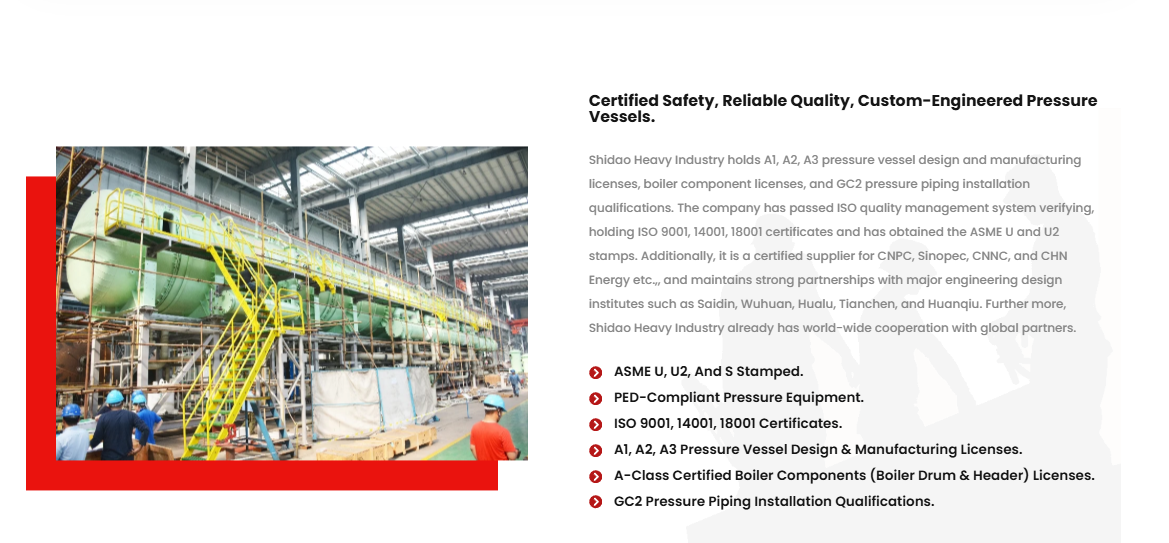
When a heat exchanger fails, the consequences are rarely minor—unexpected shutdowns, safety hazards, regulatory penalties, and massive financial losses can follow. Many buyers underestimate the importance of certifications and quality standards, assuming that all manufacturers follow similar practices. In reality, the absence of certified processes often leads to hidden defects, inconsistent performance, and non-compliance with safety regulations. The solution is clear: prioritize manufacturers who adhere to internationally recognized certifications and rigorous quality systems.
Certifications and quality standards are critical when choosing heat exchanger manufacturers because they ensure safety, regulatory compliance, consistent manufacturing processes, verified material quality, and reliable performance under real operating conditions. Certified manufacturers follow strict engineering, fabrication, and testing protocols that significantly reduce failure risks and guarantee long-term operational efficiency.
Understanding why these standards matter—and how to evaluate them—can help you avoid costly mistakes and select a truly reliable manufacturing partner.
Heat exchangers without certifications can perform just as reliably as certified ones in industrial applications.False
Lack of certification often indicates missing quality controls, increasing the risk of failure and non-compliance.
ASME certification ensures that a heat exchanger meets strict pressure vessel safety requirements.True
ASME standards define design, material, fabrication, and testing rules for safe pressure equipment.
The Role of Certifications in Heat Exchanger Manufacturing
Certifications are not merely formalities—they are structured systems that enforce engineering discipline, manufacturing consistency, and safety assurance.
1. Ensuring Safety and Risk Mitigation
Heat exchangers often operate under:
- High pressure
- Extreme temperatures
- Corrosive environments
Without certified manufacturing processes, the risk of catastrophic failure increases significantly.
| Risk Factor | Without Certification | With Certification |
|---|---|---|
| Pressure Failure | High probability | Strictly controlled |
| Material Defects | Undetected | Verified through testing |
| Weld Integrity | Inconsistent | Certified procedures |
Certifications like ASME ensure that every component is designed and tested to withstand these extreme conditions.
2. Guaranteeing Consistent Manufacturing Quality
One of the biggest challenges in industrial equipment procurement is consistency. Two identical-looking heat exchangers can perform very differently if manufacturing processes are not standardized.
Certified manufacturers implement:
- Documented procedures (SOPs)
- Process validation
- Continuous quality monitoring
| Quality Aspect | Certified Manufacturer | Non-Certified Manufacturer |
|---|---|---|
| Process Control | Standardized | Variable |
| Inspection | Mandatory | Optional |
| Documentation | Complete traceability | Limited or none |
3. Compliance with International Regulations
Different regions have strict regulatory requirements for pressure equipment.
| Region | Required Standard |
|---|---|
| USA | ASME Boiler & Pressure Vessel Code |
| Europe | PED (Pressure Equipment Directive) |
| Global | ISO 9001 |
Failure to comply can result in:
- Legal penalties
- Import/export restrictions
- Project delays
4. Material Quality and Traceability Assurance
Certified manufacturers must maintain full traceability of materials, ensuring:
- Verified chemical composition
- Mechanical property compliance
- Origin tracking
| Material Control | Certified | Non-Certified |
|---|---|---|
| Traceability | Full | Partial/None |
| Certification | Mandatory (MTC) | Often missing |
| Reliability | High | Uncertain |
5. Welding and Fabrication Integrity
Welding is a critical process in heat exchanger manufacturing. Certifications enforce:
- Qualified welding procedures (WPS/PQR)
- Certified welders
- Mandatory non-destructive testing (NDT)
| Welding Factor | Certified Standard | Risk Without |
|---|---|---|
| Procedure | Documented | Inconsistent |
| Inspection | RT/UT/PT/MT | Limited |
| Strength | Verified | Uncertain |
6. Performance Validation Through Testing
Certified manufacturers are required to conduct rigorous testing before delivery:
- Hydrostatic testing
- Leak detection
- Thermal performance validation
| Test Type | Purpose |
|---|---|
| Hydrostatic | Pressure resistance |
| Helium Leak Test | Micro-leak detection |
| Thermal Test | Efficiency verification |
7. Enhancing Equipment Lifespan and Reliability
Heat exchangers built under certified systems typically offer:
- Longer service life
- Lower maintenance costs
- Higher operational stability
Case data shows:
| Parameter | Certified Unit | Non-Certified Unit |
|---|---|---|
| Lifespan | 15–25 years | 5–10 years |
| Failure Rate | Low | High |
| Maintenance Cost | Reduced | Increased |
8. Supporting Industry-Specific Requirements
Different industries demand specific certifications:
| Industry | Required Standard |
|---|---|
| Oil & Gas | ASME, API |
| Food & Beverage | EHEDG, 3-A Sanitary |
| Power Generation | ASME Section VIII |
A manufacturer without relevant certifications may not meet your industry’s compliance needs.
9. Building Trust and Accountability
Certifications act as third-party validation of a manufacturer’s capabilities. They ensure:
- Transparency
- Accountability
- Auditability
Clients can verify:
- Manufacturing processes
- Inspection records
- Compliance documentation
10. Competitive Advantage and Long-Term Value
While certified manufacturers may have higher upfront costs, they provide:
- Reduced lifecycle costs
- Fewer failures
- Better ROI
| Cost Factor | Certified Manufacturer | Non-Certified |
|---|---|---|
| Initial Cost | Higher | Lower |
| Maintenance | Lower | Higher |
| Downtime | Minimal | Frequent |
Real-World Case Study: Certification Impact
A refinery project initially sourced non-certified heat exchangers to reduce costs. Within two years:
- Multiple tube leaks occurred
- Production downtime increased by 18%
- Replacement costs exceeded initial savings
After switching to ASME-certified units:
- Zero major failures over five years
- Maintenance costs reduced by 35%
- Operational efficiency improved significantly
How to Verify Certifications
Before selecting a manufacturer, always:
- Request certification documents
- Verify with issuing authorities
- Check audit reports
- Review past project compliance
Conclusion
Certifications and quality standards are not optional—they are essential safeguards that ensure safety, reliability, and performance in heat exchanger manufacturing. They provide a structured framework for engineering excellence, manufacturing consistency, and regulatory compliance. Ignoring these standards can lead to severe operational and financial consequences.
Contact Us for Certified Heat Exchanger Solutions
If you are looking for a trusted, fully certified heat exchanger manufacturer, we are here to help. Our products comply with international standards such as ASME, ISO, and PED, ensuring the highest levels of safety and performance. Contact us today to discuss your requirements and discover how our certified manufacturing processes can deliver reliable, efficient, and long-lasting heat exchanger solutions tailored to your industry.
How Can You Evaluate Customization and Design Capabilities in Heat Exchanger Suppliers?
In industrial operations, a “one-size-fits-all” heat exchanger often leads to inefficiencies, frequent maintenance, and even system failure. Many buyers assume that standard designs will suffice, only to face mismatched thermal performance, pressure drops, or material incompatibility later. The real challenge lies in identifying whether a supplier can truly customize and engineer a solution tailored to your exact process conditions. The solution is to systematically evaluate a supplier’s design depth, engineering tools, and customization workflow before making a commitment.
To evaluate customization and design capabilities in heat exchanger suppliers, you must assess their thermal design expertise, simulation tools, application-specific engineering experience, flexibility in materials and configurations, prototyping capability, and ability to deliver validated, performance-driven custom solutions. A qualified supplier will provide detailed calculations, simulation reports, and tailored designs aligned with your operational requirements.
To make the right decision, it’s essential to go beyond brochures and examine how a supplier actually approaches engineering and customization in real-world projects.
Standard heat exchanger designs can meet all industrial process requirements without modification.False
Each process has unique thermal, pressure, and material needs that require customized design.
CFD and thermal simulation tools improve the accuracy of custom heat exchanger design.True
Simulation enables precise prediction of heat transfer performance and helps optimize design before manufacturing.
Core Dimensions for Evaluating Customization and Design Capabilities
Customization is not just about changing dimensions—it is a complex engineering process involving thermodynamics, materials science, and manufacturing feasibility. Below are the critical areas you must evaluate.
1. Depth of Thermal and Process Design Expertise
A supplier’s ability to customize begins with their understanding of heat transfer and process conditions.
Key indicators include:
- Use of LMTD and NTU methods
- Handling of multi-phase flows
- Fouling factor consideration
- Pressure drop optimization
| Design Parameter | What to Evaluate | Impact |
|---|---|---|
| Heat Load Accuracy | Calculation precision | System efficiency |
| Temperature Profiles | Process compatibility | Avoid overheating |
| Flow Configuration | Counterflow/crossflow design | Performance optimization |
A capable supplier will provide detailed thermal design sheets and explain trade-offs clearly.
2. Advanced Simulation and Engineering Tools
Modern customization relies heavily on digital engineering tools. Suppliers should demonstrate:
- CFD (Computational Fluid Dynamics)
- FEA (Finite Element Analysis)
- Thermal modeling software (HTRI, Aspen EDR)
| Tool | Purpose | Benefit |
|---|---|---|
| CFD | Fluid flow simulation | Optimized heat transfer |
| FEA | Structural analysis | Prevent mechanical failure |
| Thermal Software | Performance calculation | Accurate sizing |
Simulation reports should be part of the design proposal—not optional extras.
3. Flexibility in Design Configurations
A strong supplier must offer multiple heat exchanger types and configurations:
- Shell and tube
- Plate heat exchangers
- Air-cooled heat exchangers
- Double-pipe designs
| Configuration | Customization Capability |
|---|---|
| Shell & Tube | Adjustable tube count, passes |
| Plate | Plate pattern and spacing |
| Air-Cooled | Fan size and airflow control |
Customization should extend to geometry, not just size.
4. Material Selection and Engineering Adaptability
Customization often requires adapting to challenging environments such as:
- Corrosive chemicals
- High temperatures
- Marine conditions
| Material Option | Application | Advantage |
|---|---|---|
| Titanium | Seawater | Corrosion resistance |
| Duplex Steel | Oil & Gas | High strength |
| Nickel Alloys | Chemical plants | Extreme durability |
A capable supplier will recommend materials based on real process data, not generic assumptions.
5. Prototyping and Testing Capability
True customization often involves validation through:
- Prototype development
- Pilot testing
- Performance verification
| Capability | Why It Matters |
|---|---|
| Prototyping | Validates design before mass production |
| Testing | Confirms real-world performance |
| Iteration | Improves design accuracy |
Suppliers without testing capabilities rely heavily on assumptions, increasing risk.
6. Engineering Documentation and Transparency
Transparency is a strong indicator of design capability. Suppliers should provide:
- Detailed drawings (2D/3D CAD)
- Thermal calculation reports
- Material specifications
- Design assumptions
| Document Type | Purpose |
|---|---|
| CAD Drawings | Visual validation |
| Calculation Sheets | Performance verification |
| Datasheets | Technical clarity |
7. Customization Workflow and Communication
A structured workflow ensures that customization aligns with your requirements.
Typical process:
- Requirement analysis
- Thermal design
- Simulation
- Mechanical design
- Client review
- Manufacturing
| Stage | Supplier Capability Indicator |
|---|---|
| Requirement Analysis | Deep questioning |
| Design Iteration | Flexibility |
| Communication | Clear and responsive |
8. Industry-Specific Design Experience
Customization must reflect industry-specific needs:
| Industry | Design Requirement |
|---|---|
| Chemical | Corrosion resistance |
| Food | Hygienic design |
| Power | High thermal stress tolerance |
Ask for case studies relevant to your industry.
9. Integration with Manufacturing Capabilities
Design must align with manufacturing feasibility. Evaluate whether:
- Designs are optimized for fabrication
- Supplier can produce complex geometries
- Tolerances are achievable
| Design Factor | Manufacturing Impact |
|---|---|
| Complexity | Production cost |
| Tolerance | Fit and performance |
| Material | Fabrication difficulty |
10. Performance Guarantees and Validation
A confident supplier will provide:
- Performance guarantees
- Efficiency targets
- Warranty support
| Guarantee Type | Importance |
|---|---|
| Thermal Performance | Meets process needs |
| Mechanical Integrity | Safety assurance |
| Lifespan | Cost efficiency |
Real-World Case Study: Customization Success
A power plant required a heat exchanger capable of handling fluctuating loads and high temperatures. A supplier with strong customization capabilities:
- Used CFD to optimize flow distribution
- Selected high-grade alloy materials
- Designed flexible tube arrangements
Results:
- 20% increase in efficiency
- 25% reduction in maintenance
- Stable operation under variable loads
Practical Evaluation Checklist
Before choosing a supplier, confirm they can:
- Provide detailed thermal calculations
- Demonstrate simulation capabilities
- Offer multiple design options
- Customize materials and configurations
- Validate designs through testing
Conclusion
Evaluating customization and design capabilities in heat exchanger suppliers is a critical step that directly impacts system performance, reliability, and long-term costs. A truly capable supplier combines deep engineering expertise, advanced simulation tools, flexible manufacturing, and transparent communication to deliver tailored solutions that meet exact operational needs.
Contact Us for Custom Heat Exchanger Design Expertise
If you are looking for a supplier with advanced customization capabilities and proven engineering excellence, we are ready to support your project. Our team specializes in tailored heat exchanger solutions backed by simulation, testing, and industry-specific expertise. Contact us today to discuss your requirements and discover how we can design a high-performance solution optimized for your application.
What Role Do Delivery Time, Cost Efficiency, and Supply Chain Play in Heat Exchanger Selection?
In industrial projects, delays, budget overruns, and supply disruptions can quickly turn a well-planned heat exchanger investment into a costly liability. Many buyers focus heavily on technical specifications while underestimating how delivery time, cost efficiency, and supply chain stability directly impact project timelines and operational continuity. The result is often missed deadlines, unexpected expenses, and compromised system performance. The solution lies in evaluating these operational factors with the same rigor as engineering specifications.
Delivery time, cost efficiency, and supply chain reliability play a critical role in heat exchanger selection by directly influencing project schedules, total lifecycle costs, and operational risk. A reliable supplier ensures timely production, optimized cost structures, and a resilient supply chain that minimizes delays, maintains quality, and supports long-term performance and scalability.
To make a strategic procurement decision, it is essential to understand how these three factors interact and how to evaluate them effectively.
Faster delivery always means lower quality in heat exchanger manufacturing.False
Efficient manufacturers with advanced processes can achieve both speed and high quality.
A strong supply chain reduces project risks and ensures consistent product quality.True
Reliable sourcing, logistics, and inventory management minimize disruptions and maintain standards.
Understanding the Strategic Importance of Delivery, Cost, and Supply Chain
Heat exchanger procurement is not just a technical decision—it is a strategic business decision. Delivery timelines, cost structures, and supply chain resilience determine whether your project succeeds or fails in real-world conditions.
1. Delivery Time: Impact on Project Execution
Delivery time is often the most immediate concern in industrial projects. Delays can cascade across multiple project phases, causing:
- Construction delays
- Increased labor costs
- Contractual penalties
- Lost production opportunities
| Delivery Factor | Impact | Risk if Poor |
|---|---|---|
| Lead Time Accuracy | Project planning | Scheduling conflicts |
| Production Speed | On-time delivery | Delays |
| Logistics Coordination | Smooth transport | Shipping issues |
Key Evaluation Criteria
- Does the supplier provide realistic lead times?
- Are production schedules transparent?
- Do they have buffer capacity for urgent orders?
A reliable supplier balances speed with quality, ensuring deadlines are met without compromising performance.
2. Cost Efficiency: Beyond Initial Price
Cost efficiency is not simply about choosing the lowest bid—it is about optimizing total lifecycle cost.
Components of Cost Efficiency
- Initial manufacturing cost
- Installation cost
- Energy consumption
- Maintenance and downtime
| Cost Component | Low-Cost Supplier | Cost-Efficient Supplier |
|---|---|---|
| Initial Price | Low | Moderate |
| Maintenance | High | Low |
| Energy Efficiency | Poor | Optimized |
| Total Cost | High (long-term) | Lower (lifecycle) |
Hidden Costs to Watch
- Poor material quality leading to frequent repairs
- Inefficient design increasing energy usage
- Lack of spare parts availability
A technically competent supplier focuses on value, not just price.
3. Supply Chain Reliability: The Backbone of Consistency
The supply chain determines whether a manufacturer can consistently deliver high-quality products on time.
Critical Supply Chain Elements
- Raw material sourcing
- Vendor qualification
- Inventory management
- Logistics and distribution
| Supply Chain Factor | Strong Supply Chain | Weak Supply Chain |
|---|---|---|
| Material Availability | Stable | Uncertain |
| Lead Time | Predictable | Variable |
| Quality Consistency | High | Inconsistent |
4. Integration of Delivery, Cost, and Supply Chain
These three factors are deeply interconnected:
- Faster delivery often depends on strong supply chains
- Cost efficiency improves with optimized logistics
- Supply chain disruptions increase both cost and delays
| Factor | Influence on Others |
|---|---|
| Delivery Time | Affected by supply chain |
| Cost Efficiency | Influenced by logistics |
| Supply Chain | Drives both cost and delivery |
5. Manufacturing Capacity and Scalability
A supplier’s ability to scale production impacts both delivery and cost.
| Capacity Factor | Importance |
|---|---|
| Production Volume | Handles large orders |
| Workforce | Skilled labor availability |
| Equipment | Advanced machinery |
Suppliers with limited capacity often face bottlenecks during peak demand.
6. Logistics and Global Distribution Capabilities
Heat exchangers are often large, heavy, and complex to transport.
Key Logistics Capabilities
- Export packaging standards
- Freight coordination (sea, air, land)
- Customs compliance
| Logistics Aspect | Requirement |
|---|---|
| Packaging | Damage prevention |
| Transport | Reliable carriers |
| Documentation | Smooth customs clearance |
7. Risk Management and Supply Chain Resilience
Modern supply chains face risks such as:
- Raw material shortages
- Geopolitical disruptions
- Transportation delays
A strong supplier mitigates these risks through:
- Multiple sourcing strategies
- Inventory buffers
- Contingency planning
8. Digital Supply Chain and Transparency
Advanced manufacturers use digital tools to enhance supply chain performance:
- ERP systems
- Real-time tracking
- Predictive analytics
| Digital Tool | Benefit |
|---|---|
| ERP | Resource planning |
| Tracking Systems | Visibility |
| Analytics | Risk prediction |
9. Vendor Network and Strategic Partnerships
Suppliers with strong vendor networks can:
- Secure high-quality materials
- Maintain stable pricing
- Ensure timely delivery
| Vendor Factor | Impact |
|---|---|
| Supplier Relationships | Reliability |
| Long-term Contracts | Cost stability |
| Quality Audits | Consistency |
10. Real-World Case Study: Supply Chain Impact
A manufacturing plant selected a low-cost supplier with weak supply chain management:
- Delivery delayed by 10 weeks
- Project costs increased by 15%
- Production startup postponed
After switching to a supplier with a robust supply chain:
- On-time delivery achieved
- Costs stabilized
- Project completed successfully
Practical Evaluation Checklist
Before selecting a heat exchanger supplier, ensure:
- Proven track record of on-time delivery
- Transparent cost breakdown
- Strong and diversified supply chain
- Reliable logistics capabilities
- Risk mitigation strategies
Conclusion
Delivery time, cost efficiency, and supply chain reliability are not secondary considerations—they are central to the success of any heat exchanger project. These factors directly influence project timelines, operational costs, and long-term performance. A supplier that excels in these areas provides not just equipment, but a dependable partnership that ensures efficiency, reliability, and business continuity.
Contact Us for Reliable and Cost-Efficient Heat Exchanger Solutions
If you are looking for a heat exchanger supplier that combines fast delivery, optimized cost efficiency, and a robust global supply chain, we are here to help. Our integrated manufacturing and logistics systems ensure that your project is delivered on time, within budget, and to the highest quality standards. Contact us today to discuss your requirements and discover how we can support your success with reliable and efficient heat exchanger solutions.
How Important Is After-Sales Support When Selecting Heat Exchanger Manufacturers?
In many industrial projects, the real challenges begin after installation—not before. Even the most advanced heat exchanger can suffer from performance degradation, fouling, leakage, or unexpected operational issues if proper support is not available. Unfortunately, many buyers focus solely on design and price, overlooking after-sales support until problems arise. This oversight can lead to prolonged downtime, increased maintenance costs, and reduced equipment lifespan. The solution is to prioritize manufacturers who offer comprehensive, technically competent after-sales services.
After-sales support is critically important when selecting heat exchanger manufacturers because it ensures ongoing performance optimization, rapid troubleshooting, maintenance efficiency, and long-term reliability. A manufacturer with strong after-sales capabilities can significantly reduce downtime, extend equipment lifespan, and optimize total lifecycle cost through expert technical assistance and continuous support.
To fully understand its importance, let’s explore how after-sales support directly impacts operational success and how to evaluate it effectively.
After-sales support is unnecessary if the heat exchanger is well designed and manufactured.False
Even high-quality equipment requires maintenance, monitoring, and troubleshooting over time.
Effective after-sales service can extend the operational lifespan of heat exchangers.True
Regular maintenance and expert support reduce wear, prevent failures, and improve efficiency.
Why After-Sales Support Is a Strategic Factor in Heat Exchanger Selection
After-sales support transforms a one-time purchase into a long-term partnership. It ensures that your heat exchanger continues to perform efficiently under real operating conditions.
1. Ensuring Long-Term Performance and Efficiency
Heat exchangers are subject to:
- Fouling and scaling
- Thermal stress
- Corrosion and wear
Without proper support, performance gradually declines.
| Performance Factor | With Support | Without Support |
|---|---|---|
| Heat Transfer Efficiency | Maintained | Decreases over time |
| Energy Consumption | Optimized | Increases |
| System Stability | High | Unpredictable |
Manufacturers offering performance monitoring and optimization services help maintain peak efficiency.
2. Rapid Troubleshooting and Technical Assistance
Operational issues can arise unexpectedly. A strong after-sales team provides:
- Remote diagnostics
- On-site technical support
- Root cause analysis
| Issue Type | Response with Support | Response without Support |
|---|---|---|
| Leakage | Immediate diagnosis | Delayed resolution |
| Fouling | Cleaning guidance | Trial-and-error |
| Performance Drop | Data-driven analysis | Uncertain fixes |
Fast response times can significantly reduce downtime.
3. Preventive Maintenance and Inspection Services
Preventive maintenance is essential to avoid costly failures.
Key Services Include:
- Scheduled inspections
- Cleaning recommendations
- Component replacement planning
| Maintenance Type | Benefit |
|---|---|
| Preventive | Avoids failures |
| Predictive | Uses data to forecast issues |
| Corrective | Fixes existing problems |
4. Spare Parts Availability and Management
A reliable manufacturer ensures:
- Quick access to spare parts
- Compatibility with original design
- Reduced lead times
| Spare Parts Factor | Importance |
|---|---|
| Availability | Minimizes downtime |
| Quality | Ensures reliability |
| Delivery Speed | Critical for urgent repairs |
5. Training and Operational Support
Manufacturers should provide training for:
- Installation procedures
- Operation best practices
- Maintenance techniques
| Training Aspect | Impact |
|---|---|
| Operator Knowledge | Fewer errors |
| Maintenance Skills | Longer lifespan |
| Safety Awareness | Reduced risk |
6. Warranty and Service Agreements
Warranty terms reflect a manufacturer’s confidence in their product.
| Warranty Feature | What to Look For |
|---|---|
| Duration | Longer coverage |
| Scope | Parts + labor |
| Conditions | Clear and fair terms |
Service agreements can include ongoing support and maintenance packages.
7. Digital Monitoring and Smart Support
Modern after-sales support increasingly includes digital tools:
- IoT-based monitoring
- Remote performance tracking
- Predictive maintenance analytics
| Digital Tool | Benefit |
|---|---|
| Sensors | Real-time data |
| Monitoring Systems | Early issue detection |
| Analytics | Performance optimization |
8. Lifecycle Cost Reduction
After-sales support directly impacts total cost of ownership:
| Cost Factor | With Strong Support | Without Support |
|---|---|---|
| Maintenance Cost | Lower | Higher |
| Downtime | Minimal | Frequent |
| Equipment Life | Extended | Shortened |
9. Case Study: Impact of After-Sales Support
A manufacturing facility installed high-quality heat exchangers but lacked proper after-sales support:
- Efficiency dropped by 15% within two years
- Maintenance costs increased significantly
- Unexpected downtime caused production losses
After partnering with a manufacturer offering full support:
- Efficiency restored to optimal levels
- Downtime reduced by 40%
- Maintenance costs stabilized
10. How to Evaluate After-Sales Support
Before selecting a manufacturer, ask:
- Do they offer 24/7 technical support?
- What is their response time?
- Do they provide on-site services?
- Are spare parts readily available?
- Do they offer training and documentation?
| Evaluation Criteria | Strong Supplier Indicator |
|---|---|
| Response Time | سريع and reliable |
| Service Coverage | Global/local support |
| Technical Expertise | Experienced engineers |
Conclusion
After-sales support is not an optional add-on—it is a critical component of heat exchanger selection that determines long-term performance, reliability, and cost efficiency. A manufacturer that provides comprehensive support ensures that your investment continues to deliver value throughout its lifecycle.
Contact Us for Comprehensive After-Sales Support
If you are looking for a heat exchanger manufacturer that goes beyond delivery and provides full lifecycle support, we are here to help. Our expert team offers technical assistance, maintenance services, spare parts management, and performance optimization to ensure your systems operate at peak efficiency. Contact us today to learn how our after-sales support can protect your investment and maximize your operational success.
Conclusion
Evaluating heat exchanger manufacturers is not just about comparing prices—it’s about ensuring long-term performance, reliability, and safety. By systematically reviewing technical strength, production quality, certifications, customization flexibility, and service support, you can significantly reduce risks and maximize your investment value.
Contact Us
FAQ
Q1: How do you assess the quality of heat exchanger manufacturers?
A1: Assessing the quality of heat exchanger manufacturers involves a systematic evaluation of their engineering capabilities, production standards, and compliance with international quality benchmarks. Start by reviewing certifications such as ISO 9001, ASME (American Society of Mechanical Engineers), and TEMA (Tubular Exchanger Manufacturers Association). These certifications indicate adherence to strict manufacturing and quality assurance processes.
Next, examine the manufacturer’s material sourcing and fabrication techniques. High-quality manufacturers use corrosion-resistant materials like stainless steel, titanium, or specialized alloys depending on application requirements. Welding processes, machining precision, and testing procedures (such as hydrostatic and non-destructive testing) are critical indicators of build quality.
You should also analyze their design capabilities. Reliable manufacturers provide custom engineering solutions, thermal design calculations, and simulation tools to optimize performance. Their ability to meet specific operational requirements—such as pressure, temperature, and flow rates—is essential.
Customer references and case studies offer real-world validation. Look for industries served (oil & gas, HVAC, chemical processing) and long-term client relationships. Additionally, inspect warranty policies and product lifespan expectations.
Finally, conduct factory audits if possible. Observing production lines, quality control labs, and inspection protocols firsthand provides valuable insights into their operational excellence. A high-quality manufacturer demonstrates consistency, transparency, and a strong commitment to continuous improvement.
Q2: What certifications should a reliable heat exchanger supplier have?
A2: Certifications play a crucial role in determining the credibility and reliability of heat exchanger suppliers. The most important certification is ISO 9001, which ensures the supplier follows a structured quality management system. This certification indicates consistency in production, documentation, and customer satisfaction.
For pressure vessel-type heat exchangers, ASME certification is essential. It guarantees compliance with stringent safety and design standards, particularly in industries like petrochemical and power generation. Suppliers working internationally may also hold PED (Pressure Equipment Directive) certification for the European market.
TEMA standards are another critical benchmark. These guidelines define design, manufacturing, and testing requirements for shell-and-tube heat exchangers. Suppliers adhering to TEMA standards typically deliver more reliable and durable equipment.
Environmental and safety certifications such as ISO 14001 (environmental management) and ISO 45001 (occupational health and safety) reflect responsible manufacturing practices. These are increasingly important for companies prioritizing sustainability and worker safety.
Additionally, industry-specific approvals may be required. For example, API (American Petroleum Institute) standards are important in oil and gas applications, while CE marking is necessary for European compliance.
Always verify certification authenticity and validity. A reputable supplier will readily provide documentation and allow verification through official certification bodies. Certifications not only ensure product quality but also reduce operational risks and ensure regulatory compliance.
Q3: How do pricing and cost factors influence supplier selection?
A3: Pricing is a critical factor when evaluating heat exchanger suppliers, but it should never be the sole decision criterion. A low upfront cost may lead to higher long-term expenses due to maintenance, inefficiency, or premature failure. Therefore, it is essential to consider the total cost of ownership (TCO).
The TCO includes initial purchase price, installation costs, operating efficiency, maintenance requirements, and lifespan. For example, a slightly more expensive heat exchanger with higher thermal efficiency can significantly reduce energy consumption over time, resulting in cost savings.
Evaluate the transparency of pricing. Reliable suppliers provide detailed quotations, including material costs, engineering design, testing, and logistics. Hidden costs or vague pricing structures are red flags.
Bulk discounts, long-term contracts, and after-sales service packages can also influence pricing. Some suppliers offer value-added services such as installation support, training, and extended warranties, which can justify higher initial costs.
It is also important to compare pricing across multiple suppliers while ensuring equivalent specifications. Differences in materials, design standards, and testing procedures can significantly affect price.
Finally, consider the supplier’s financial stability. Extremely low pricing may indicate compromised quality or unsustainable business practices. A balanced approach—prioritizing quality, reliability, and lifecycle cost over the cheapest option—ensures better long-term value.
Q4: Why is after-sales support important when choosing a supplier?
A4: After-sales support is a crucial factor in selecting a heat exchanger supplier because it directly impacts operational reliability, maintenance efficiency, and long-term performance. Even the highest-quality equipment requires periodic servicing, troubleshooting, and potential replacement of components.
A strong after-sales support system includes technical assistance, spare parts availability, maintenance services, and rapid response times. Suppliers with global service networks or local support teams can address issues quickly, minimizing downtime and production losses.
Training and documentation are also important aspects. Reliable suppliers provide user manuals, maintenance guides, and on-site training to ensure proper operation and upkeep. This reduces the risk of misuse and extends equipment lifespan.
Warranty policies are another key consideration. Comprehensive warranties demonstrate the supplier’s confidence in their product quality. Look for clear terms covering defects, performance guarantees, and replacement conditions.
Additionally, suppliers offering predictive maintenance solutions, remote monitoring, or digital diagnostics provide added value. These advanced services help identify potential issues before they become critical failures.
In industries where downtime is costly—such as power plants or chemical processing—after-sales support can be the deciding factor. A supplier with excellent post-purchase service ensures continuity, reduces operational risks, and builds long-term trust.
Q5: How do you compare multiple heat exchanger suppliers effectively?
A5: Comparing multiple heat exchanger suppliers requires a structured evaluation framework that balances technical, financial, and operational factors. Start by defining your project requirements, including thermal performance, pressure ratings, materials, and compliance standards.
Create a comparison matrix that includes key criteria such as certifications, manufacturing capabilities, design expertise, pricing, delivery timelines, and after-sales support. Assign weights to each criterion based on its importance to your project.
Request detailed proposals from each supplier. These should include technical specifications, performance data, drawings, and cost breakdowns. Ensure all suppliers are quoting based on the same requirements to enable a fair comparison.
Evaluate supplier experience and reputation. Look for case studies, client testimonials, and industry presence. Suppliers with proven track records in similar applications are generally more reliable.
Conduct risk assessments by analyzing financial stability, production capacity, and supply chain reliability. Delays or disruptions can significantly impact project timelines.
Site visits or virtual audits can provide deeper insights into manufacturing processes and quality control systems. This step is especially important for large-scale or critical projects.
Finally, consider long-term partnership potential. A supplier that offers innovation, scalability, and consistent support can add strategic value beyond the initial purchase.
By combining quantitative analysis with qualitative insights, you can make an informed decision that ensures performance, reliability, and cost-effectiveness.
References
- Heat Exchanger Design Handbook – https://www.elsevier.com/books/heat-exchanger-design-handbook/shah/978-0-12-370610-9 – Elsevier
- TEMA Standards Overview – https://www.tema.org/standards/ – TEMA
- ASME Boiler and Pressure Vessel Code – https://www.asme.org/codes-standards – ASME
- ISO 9001 Quality Management – https://www.iso.org/iso-9001-quality-management.html – ISO
- Heat Exchanger Basics – https://www.energy.gov/eere/amo/heat-exchangers – U.S. Department of Energy
- API Standards for Equipment – https://www.api.org/products-and-services/standards – American Petroleum Institute
- PED Directive Overview – https://single-market-economy.ec.europa.eu/sectors/pressure-equipment_en – European Commission
- Industrial Heat Exchanger Guide – https://www.spiraxsarco.com/learn-about-steam/steam-engineering-principles-and-heat-transfer – Spirax Sarco
- Heat Transfer Engineering Fundamentals – https://ocw.mit.edu/courses/mechanical-engineering/2-51-intermediate-heat-and-mass-transfer/ – MIT OpenCourseWare
- Selecting Heat Exchangers – https://www.chemicalprocessing.com/articles/2019/selecting-the-right-heat-exchanger/ – Chemical Processing