
Critical minerals projects need more than a list of vessels and tanks before equipment procurement can begin. EPC buyers must translate the approved process into defined duties for reaction vessels, heat exchangers, storage equipment, and other fabricated systems. Feed variability, corrosive solutions, solids handling, and product-quality requirements can all affect what the manufacturer needs to deliver.
Hydrometallurgical process equipment should therefore be purchased against a documented process basis, not a generic description such as “battery materials service.” The priority is to establish each equipment item’s function, operating conditions, materials requirements, and supply boundary before comparing quotations.
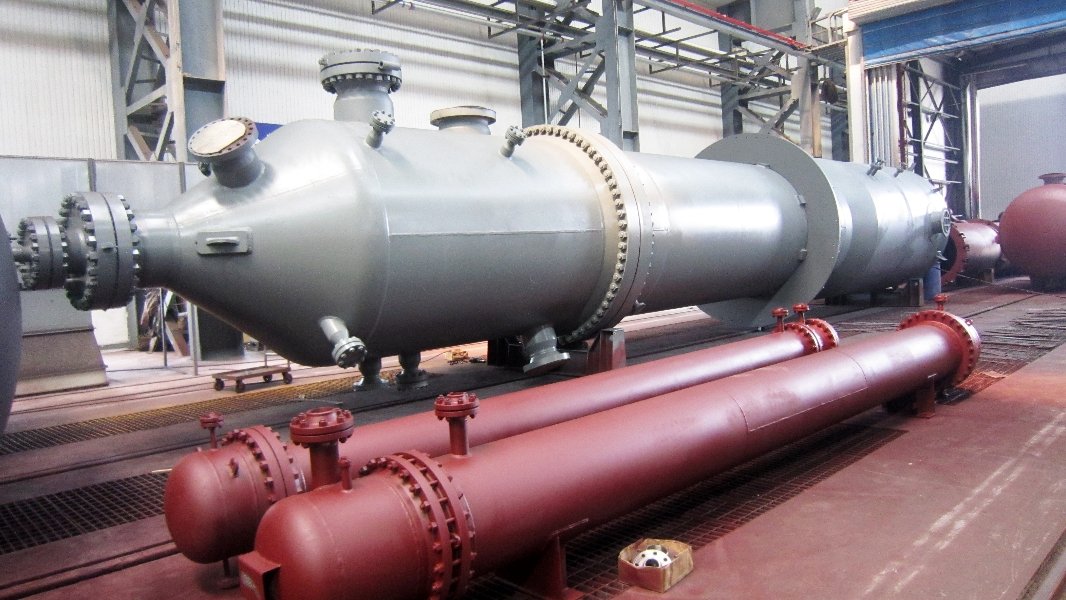
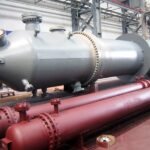
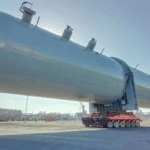
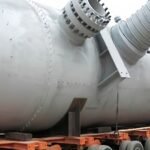
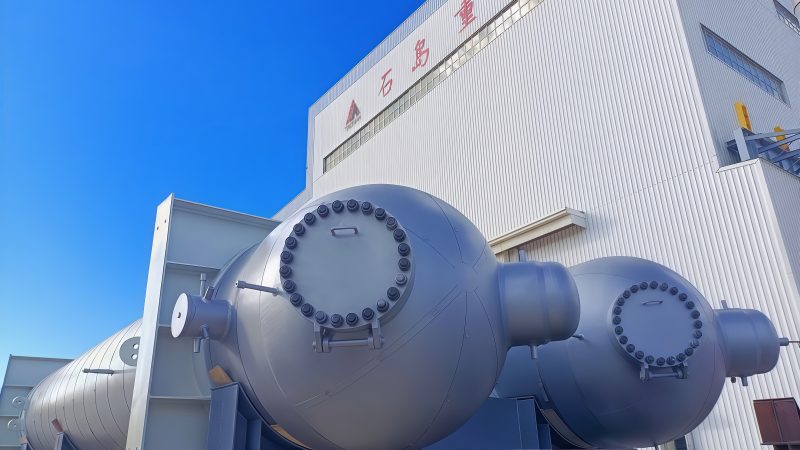
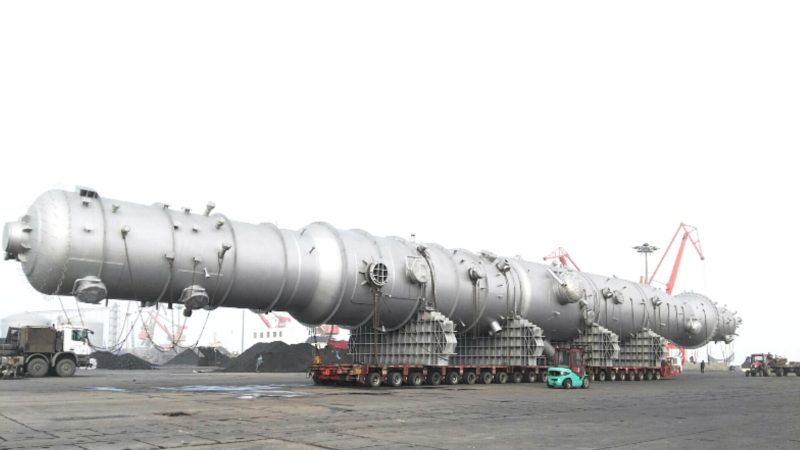
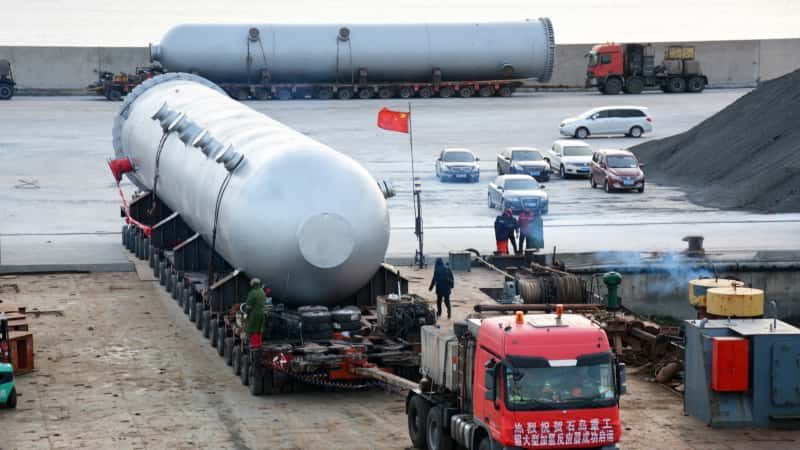
Representative manufacturing photograph from WSHI’s image library. This is not a photograph of the NICO project or a verified hydrometallurgical installation.
Recent Project Progress Highlights the Procurement Question
On September 18, 2026, Fortune Minerals announced permit renewals associated with its NICO mine and concentrator in Canada’s Northwest Territories. The water-licence approval was signed on September 14. The company’s official announcement also described a planned hydrometallurgical facility in Alberta and a target of reaching a final investment decision in 2027.
These developments are distinct: the announcement concerns Northwest Territories permits, not confirmation that the Alberta processing facility has entered construction or placed equipment orders. It nevertheless provides a relevant starting point for discussing how developing critical minerals projects can prepare equipment specifications. The following procurement discussion is general and does not describe NICO’s confirmed equipment list or imply WSHI involvement.
What Is Hydrometallurgical Process Equipment?
Hydrometallurgical processing uses liquid-phase chemical operations to extract, separate, purify, or recover metals. Depending on the selected route, a facility may include leaching, solution conditioning, purification, precipitation, concentration, and product recovery.
The equipment arrangement varies with the feed and intended products. A project processing a mineral concentrate may have different requirements from one processing recycled materials or an intermediate metal-bearing solution. Buyers should obtain the process flow diagrams, material balances, and equipment duties from the responsible process designer rather than assume a standard plant configuration.
For a fabricated-equipment manufacturer, the relevant scope may include complete reaction vessels, pressure vessels, heat exchangers, and large storage tanks. Specialized extraction, filtration, electrochemical, or solids-processing systems should be separately identified where required. Their inclusion in the overall process does not automatically place them within the vessel manufacturer’s supply.
Define the Main Fabricated Equipment Duties
Reaction and Solution-Conditioning Vessels
Reaction and conditioning vessels may provide containment for chemical treatment, controlled additions, or intermediate process steps. Their requirements depend on residence time, temperature, composition, solids loading, and the process outcomes specified by the engineering team.
Some duties may operate near atmospheric pressure; others require pressure-rated equipment. A pressure-leaching vessel is not interchangeable with a general chemical tank. If a specialized high-pressure reaction duty is proposed, the buyer must confirm the manufacturer’s relevant capability and the process designer’s requirements before proceeding.
When specifying custom pressure vessels, clarify responsibility for process sizing, mechanical design, and any associated mixing or thermal system. Fabricating the vessel does not by itself establish that a target metal recovery or reaction rate will be achieved.
Process Heating and Cooling Equipment
Heat exchangers may support feed heating, cooling between process stages, temperature control, or heat recovery where the approved flowsheet requires it. The inquiry should identify whether each stream is a clarified solution, slurry, vapor, or mixture whose phase changes through the equipment.
For shell-and-tube heat exchangers, provide the thermal duty, fluid properties, utility conditions, allowable pressure drops, and relevant fouling information. Clarify whether cooling or heating could cause precipitation or other changes that affect the equipment. Do not size the exchanger from water properties if the actual process solution differs substantially.
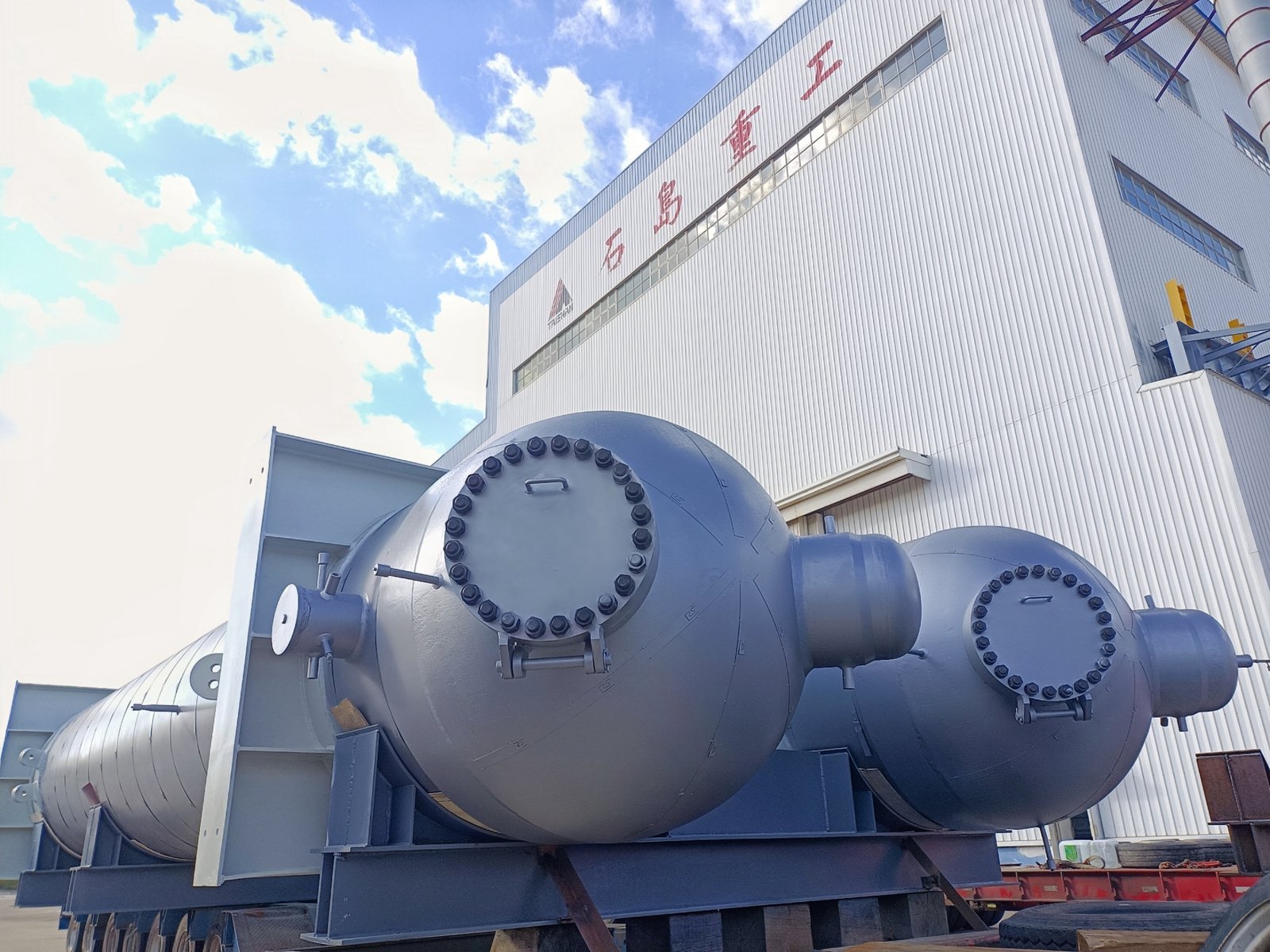
Representative heat exchanger photograph. Suitability for a particular process solution or slurry requires engineering assessment.
Large Process and Storage Tanks
A project may require tanks for feed buffering, intermediate solutions, reagents, or residual liquids. Each service needs its own specification. A vessel suitable for one solution is not automatically suitable for another simply because both belong to the same processing plant.
For industrial storage tanks, this article concerns complete project-scale equipment above 1,000 liters. Specify working volume separately from total volume, together with filling and withdrawal rates, temperature, solution properties, and any settling or mixing requirements. Storage capacity should follow the operating strategy, not an arbitrary percentage of daily plant throughput.
Build the Specification Around Actual Feed Conditions
Composition and Variability
Provide representative analyses of the streams entering each equipment item, including relevant impurities and residual process chemicals. State how the composition may vary between feed sources, production campaigns, or operating stages.
A bulk feed assay alone may not describe the liquid contacting a vessel after upstream chemical treatment. Similarly, the conditions at the end of a batch may differ from those at the beginning. Identify the credible operating cases and document where data remain preliminary.
Solids and Physical Properties
Where solids are present, include concentration, particle-size information, density, and available settling or rheological data. Clarify whether solids are intentionally formed in the vessel or may appear unexpectedly as temperature or composition changes.
These details support decisions about flow passages, heat transfer, discharge arrangements, and maintenance access. If essential properties are uncertain, discuss representative testing with the process designer before fixing equipment dimensions or performance commitments. A manufacturer’s quotation should identify unresolved assumptions rather than conceal them within a standard equipment description.
Evaluate Materials for the Complete Service
Material selection should address the actual chemical environment throughout operation, cleaning, and credible process deviations. Relevant information may include temperature, acid or alkali concentration, chlorides, oxidizing conditions, solids, and cleaning agents. A nominal pH value alone does not establish compatibility.
HSE’s plant design guidance emphasizes that construction materials should be compatible with process conditions, including excursions. Its guidance provides engineering background; applicable project codes and regulatory requirements must still be determined for the installation location.
Depending on the assessed duty, engineers may consider different metallic materials or other corrosion-protection approaches. The buyer should request the materials basis and confirm whether proposed fabrication or lining methods are available within the supplier’s verified scope. Do not assume that a general pressure-vessel capability includes every alloy, lining, or specialized process application.
Keep Product Quality and Manufacturing Quality Distinct
A hydrometallurgical plant may need tightly controlled product composition, but purchasing a vessel does not establish the plant’s ability to meet that specification. Feed chemistry, the process route, operating controls, and downstream treatment remain important.
Procurement documents should distinguish mechanical acceptance from process-performance acceptance. Material identification, weld examination, dimensional inspection, and pressure or leak testing verify defined manufacturing requirements. They do not prove metal recovery, impurity removal, or final product purity.
Where process performance is part of a broader package contract, identify the party accepting that responsibility and the agreed verification conditions. Avoid transferring an undefined plant-level guarantee to a fabricator supplying only selected equipment.
Define the Complete Supply Boundary Before Award
A coordinated equipment purchase should identify exactly which vessels, exchangers, and tanks are included, along with the engineering and documentation associated with each item. State whether equipment is supplied individually, assembled on a structure, or prepared for site interconnection.
Responsibility for process design, mixing systems, rotating equipment, instrumentation, control integration, installation, and commissioning should be assigned explicitly. These functions may involve several parties. A complete fabricated vessel and a complete operating process package are different contractual scopes.
For chemical-plant pressure vessel projects, a scope matrix helps buyers compare quotations on the same basis. It should identify included services, excluded equipment, physical interfaces, and information required from the purchaser.
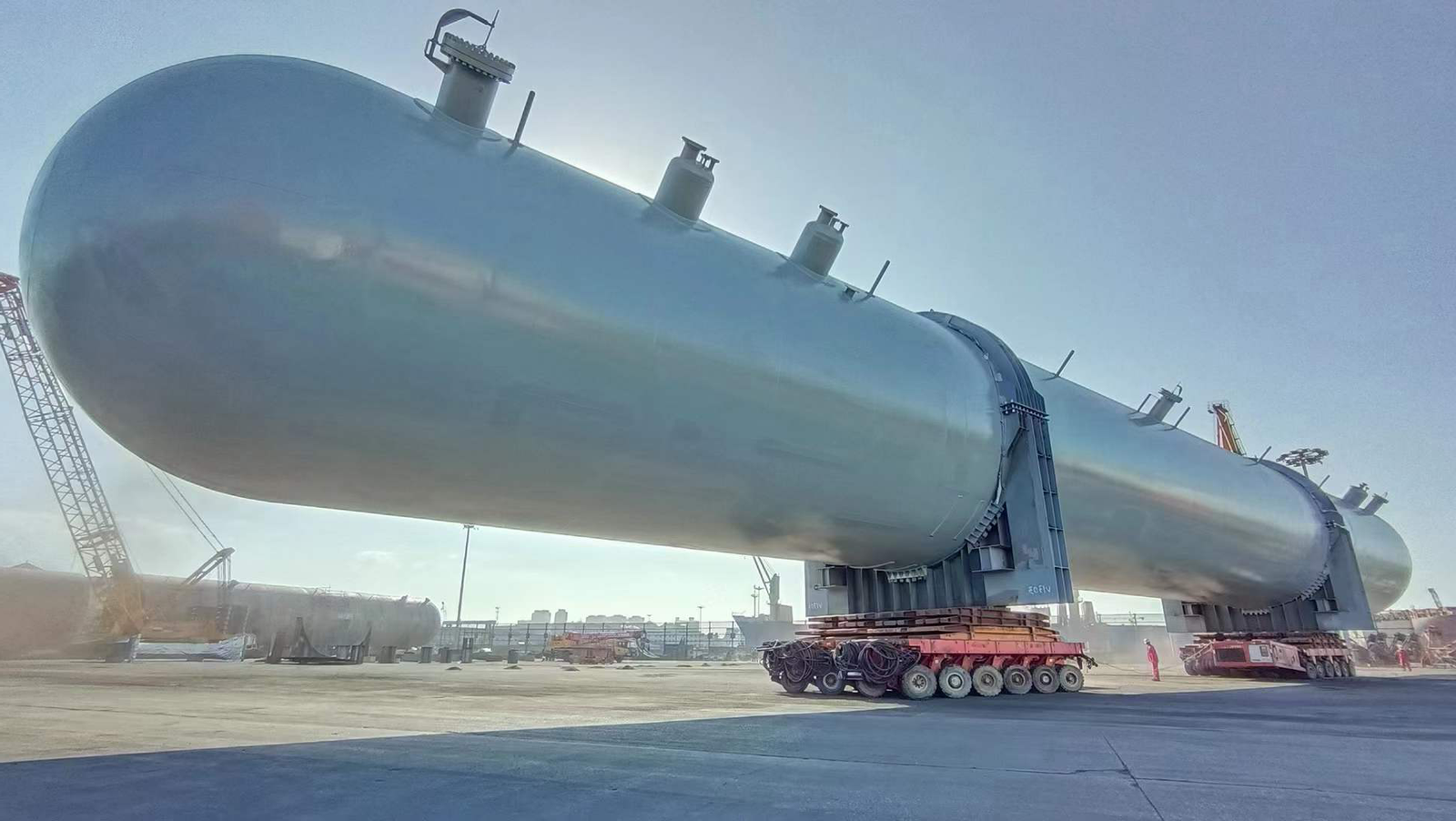
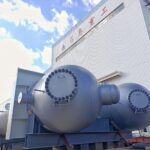
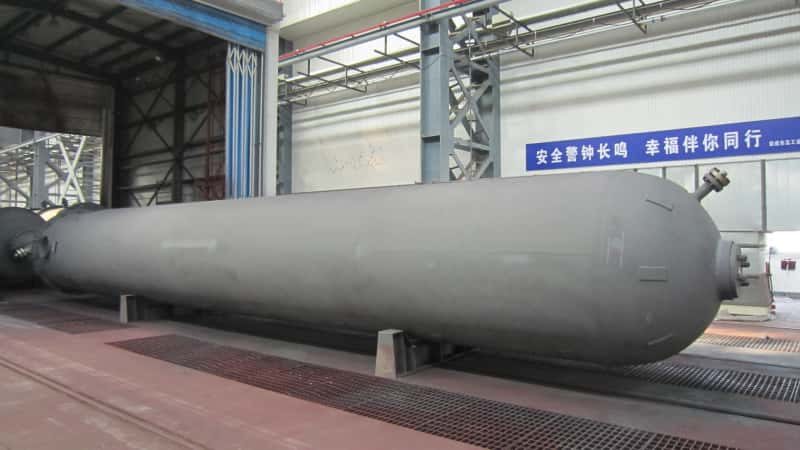
Representative storage vessel photograph. Capacity, materials, and compatibility with metal-bearing solutions must be confirmed for each project.
Review Fabrication, Inspection, and Delivery Together
WSHI’s stated capabilities include drawing coordination, material procurement, welding, nondestructive examination, pressure testing, coating, and heavy-equipment delivery. The project quotation should confirm which activities apply to the proposed equipment and any specialist work requiring separate assessment.
Agree on the applicable design basis, required material records, welding qualifications, inspection plan, testing, and final documentation before the relevant manufacturing stages begin. Buyer review points and third-party involvement, where required, should be incorporated into the schedule.
Large-equipment delivery also needs early attention. Shipping dimensions, weights, lifting arrangements, preservation, site access, and any transport splits can affect the final arrangement. Distinguish factory completion, port delivery, site arrival, and installed equipment when comparing lead times.
FAQ
Does every hydrometallurgical project require pressure vessels?
No. Some duties may use atmospheric tanks, while others require pressure-rated vessels. The process conditions and applicable design requirements determine the equipment category.
Can one material be specified throughout the plant?
Not without assessment. Different process stages can expose equipment to different chemicals, temperatures, solids, and cleaning conditions. Each service needs a documented compatibility review.
Does a mine permit confirm processing-equipment procurement?
No. Mine approvals, processing-facility approvals, financing, investment decisions, and equipment orders are separate milestones. A project announcement should not be presented as a confirmed purchasing opportunity without supporting evidence.
What information should accompany an equipment inquiry?
Provide process diagrams, equipment duties, stream analyses, operating and design conditions, materials requirements, working volumes or thermal duties, inspection expectations, and delivery constraints. Clearly mark preliminary information.
Discuss Your Hydrometallurgical Equipment Requirements
Effective hydrometallurgical process equipment procurement starts with a defined flowsheet and clear manufacturing responsibilities. For projects requiring complete custom vessels, heat exchangers, or storage tanks above 1,000 liters, discuss your requirements with our engineering team. Share available drawings, process conditions, materials specifications, and delivery needs for equipment-scope coordination and manufacturing assessment.