
An industrial evaporator may meet its specified evaporation rate when clean, yet struggle to support the production schedule if deposits require frequent shutdowns. For engineering buyers, cleaning is therefore a procurement issue, not simply a maintenance task to address after installation. Industrial evaporator selection should account for expected deposits, acceptable downtime, material compatibility and access to the complete equipment. These requirements influence the evaporator arrangement, supporting vessels, heat exchangers and contractual scope.
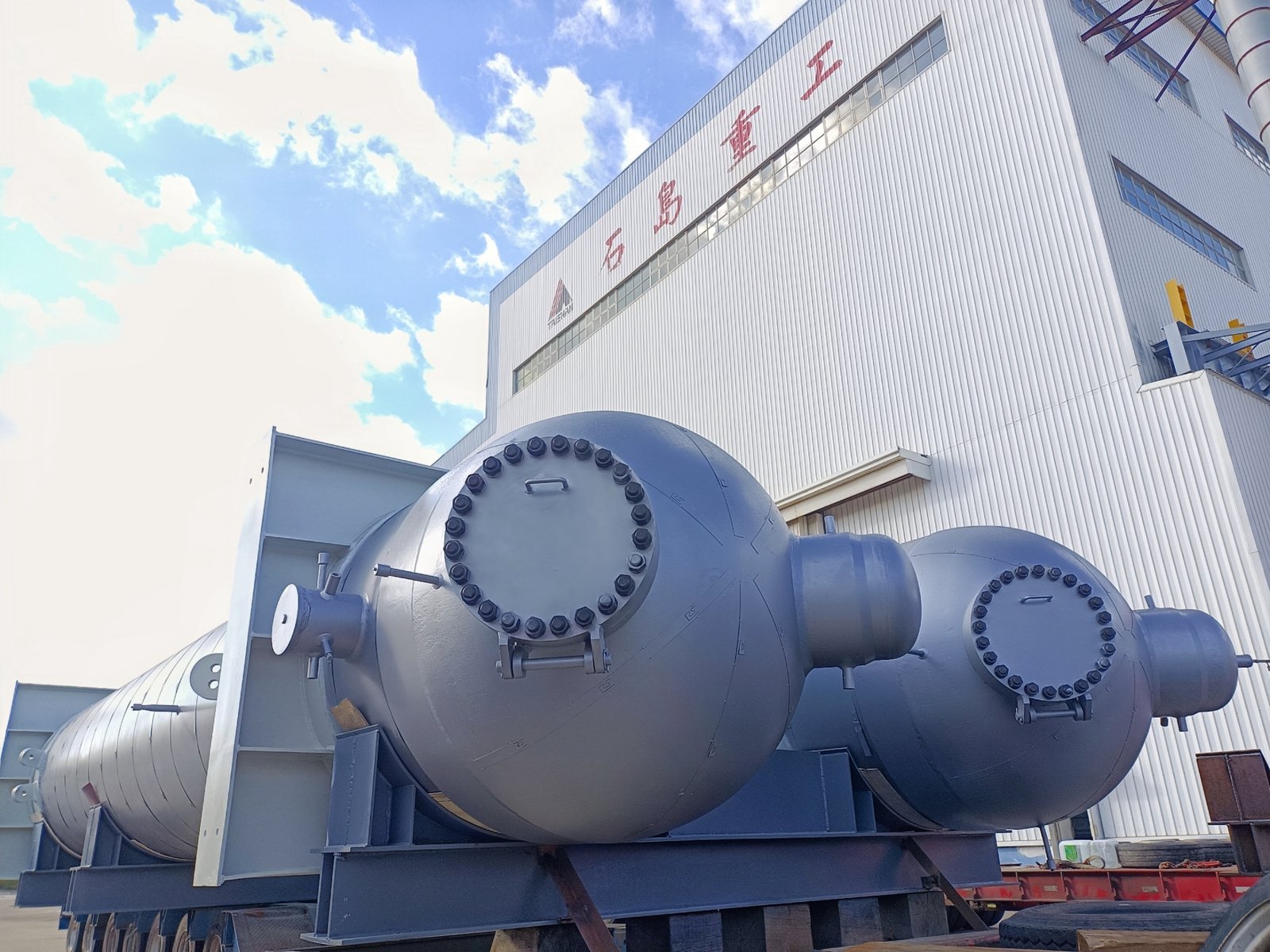
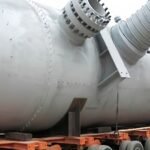
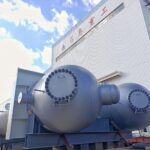
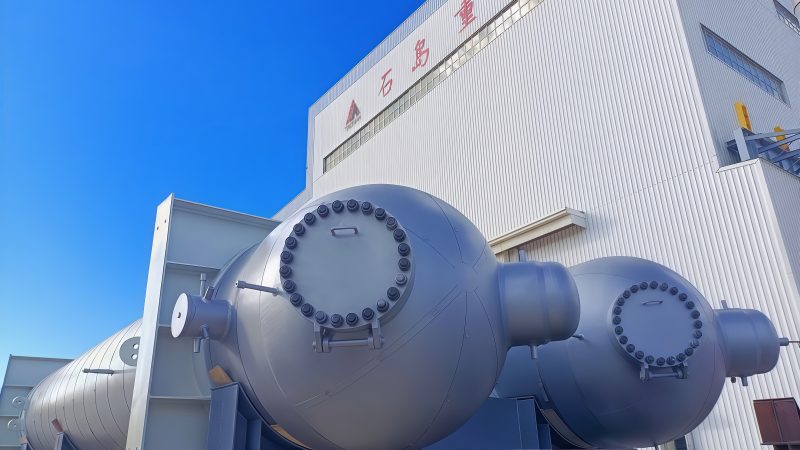
Representative heat-transfer equipment. Suitability for an evaporation system depends on the process duty, expected deposits and approved cleaning requirements.
Why Cleaning Belongs in the Equipment Specification
An evaporator removes solvent as vapor to concentrate a liquid feed. In chemical manufacturing and wastewater treatment, the remaining liquid can become more concentrated, more viscous or more prone to depositing material as evaporation proceeds. Selecting equipment from the inlet composition alone can overlook conditions experienced later in the process.
NPTEL’s chemical engineering guidance identifies viscosity changes, corrosiveness, fouling and foaming among the factors affecting evaporator selection. The purchasing implication is straightforward: the manufacturer and process designer need information about both the feed and the intended concentrate.
Deposits on heat-transfer surfaces introduce additional thermal resistance. NPTEL also identifies cleaning expense and reduced heat-transfer performance among the cost consequences of fouling. A purchasing comparison should therefore consider the operating cycle between cleanings, not just initial equipment price or clean-condition capacity.
Identify What the Equipment Will Need to Remove
Describe the Feed, Concentrate and Existing Deposits
Provide representative analyses covering normal operation and meaningful feed variations. Relevant information may include dissolved salts, suspended solids, organic constituents, viscosity, corrosive species and the target concentration. Existing operating records, deposit samples and previous cleaning experience can help establish a more credible basis than a general description such as “high-salt wastewater.”
Different deposits can require different responses. A readily soluble residue should not be treated as equivalent to a hard mineral scale or a persistent organic deposit. When the feed is unfamiliar, ask the process designer whether laboratory work or pilot testing is needed before committing to a cleaning interval or equipment configuration.
Distinguish Evidence From Assumptions
The enquiry should identify which fouling and cleaning expectations are supported by testing and which remain provisional. An operating history from a different feed may be informative without being directly transferable. Suppliers should state the conditions behind their recommendations and flag missing information rather than promise a universal period of fouling-free operation.
Match the Equipment Arrangement to Cleaning Access
Clarify In-Place Cleaning Expectations
Cleaning in place can reduce dismantling requirements where the equipment and cleaning method are compatible. However, specifying “CIP-ready” does not establish that every relevant surface will receive effective contact or that the selected method will remove the anticipated deposits. The project should define which sections are included, how cleaning effectiveness will be assessed and who is responsible for the cleaning-system design.
Buyers should also establish whether the quotation includes only provisions on the process equipment or a separate cleaning package. These are different scopes. A complete evaporator supply should not be assumed to include cleaning-solution preparation, utility connections or waste-treatment capacity unless those items are explicitly agreed.
Confirm Mechanical Access Where Required
Where inspection or mechanical cleaning is expected, assess access before approving the equipment layout. Ask how the relevant surfaces can be reached, what dismantling is involved and what lifting or withdrawal space is required. A technically accessible exchanger can still be difficult to maintain if the installed layout blocks the necessary working area.
For shell and tube heat exchangers within an evaporation system, cleaning access depends on the actual configuration and the side exposed to deposits. The purchase specification should address the complete exchanger arrangement rather than assume all tubular equipment offers the same accessibility.
Evaluate Operating Availability, Not Just Evaporation Rate
A cleaning shutdown can include cooling, safe isolation, draining, cleaning, rinsing, inspection and restarting. The cleaning step itself may represent only part of the interruption. Ask suppliers and the process designer to explain the complete assumed outage window and the owner activities needed to achieve it.
For a plant with limited wastewater holding capacity or a tightly scheduled production process, downtime may affect upstream operations. The project team should assess whether planned cleaning can coincide with other shutdowns, whether suitable holding capacity is available, or whether a different equipment arrangement is justified. Any associated storage-tank procurement should focus on the required industrial duty and capacities above 1,000 liters.
Comparisons should use consistent assumptions. A proposal based on a short production campaign and frequent cleaning is not directly equivalent to one intended for longer operation between shutdowns. Neither should claim an annual throughput or availability guarantee without defining the feed conditions, maintenance assumptions and exclusions.
Check Materials Against Both Process and Cleaning Service
Material compatibility must cover the process fluid and the proposed cleaning environment. A material selected for normal concentration service may need additional assessment for different chemistry, temperature or exposure duration during cleaning. The equipment specification should identify approved conditions and any restrictions established by the responsible engineer.
Do not choose cleaning chemicals from a generic recommendation or assume stainless steel is suitable for every cleaning method. The appropriate evaluation depends on the actual material, deposits, process residues and proposed treatment. Where uncertainty remains, compatibility testing or specialist review may be necessary.
Cleaning-related temperature and pressure conditions should also be communicated to the mechanical designer. Where recurring thermal changes or other repeated loads are relevant, these need assessment within the equipment design basis. This article does not prescribe cleaning concentrations, temperatures or operating procedures.
Include the Whole Evaporation Equipment Boundary
Cleaning requirements should be reviewed across the evaporator, associated separator, heating equipment, condenser and collection vessels. Their exposure differs, so they should not automatically receive identical requirements. The enquiry should identify where deposits are expected and which sections need inspection or cleaning access.
For supporting custom pressure vessels, confirm the relevant service conditions, drainage expectations, inspection provisions and preservation requirements. Keep these requirements within complete-equipment procurement rather than treating them as separate accessory orders.
The project also needs a destination for spent cleaning solutions and rinses. Their composition and acceptability for reuse or treatment require evaluation; they should not automatically be routed back into production or discharged. Where additional industrial storage tanks above 1,000 liters are needed, define their medium, working duty and supply boundary separately.
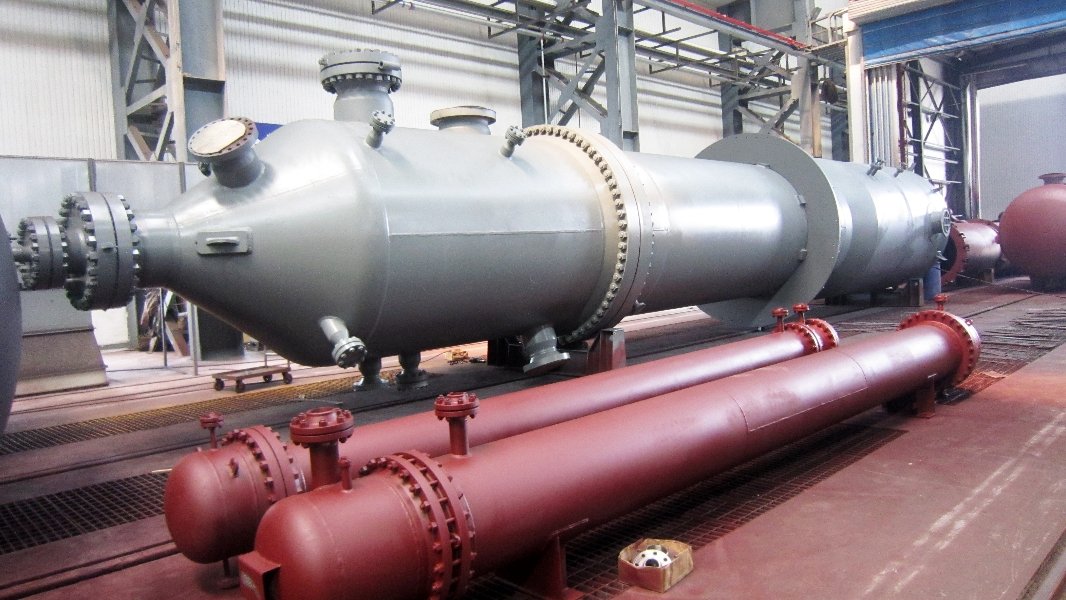
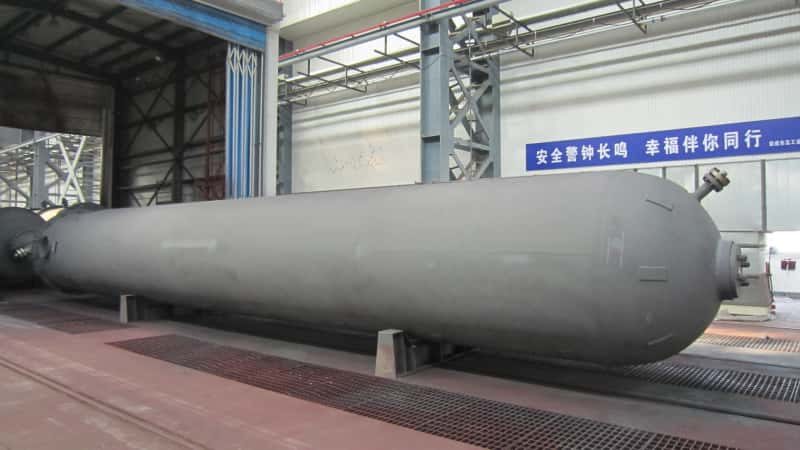
Representative manufacturing workshop. Approved drawings should reflect the agreed inspection access, equipment arrangement and manufacturing requirements.
Turn Cleaning Requirements Into Manufacturing Deliverables
Before fabrication, the approved drawings should show the agreed access arrangements and dimensional constraints. The inspection and test plan should identify material documentation, welding records, required examinations, pressure testing and other contractual checks. Any special surface requirements need a defined basis and acceptance method.
A pressure test verifies specified aspects of the pressure boundary; it does not demonstrate deposit removal or long-term cleaning performance. If the contract requires a cleanability demonstration, define its scope, test conditions and acceptance criteria separately. Avoid substituting a general statement such as “easy to clean” for an agreed deliverable.
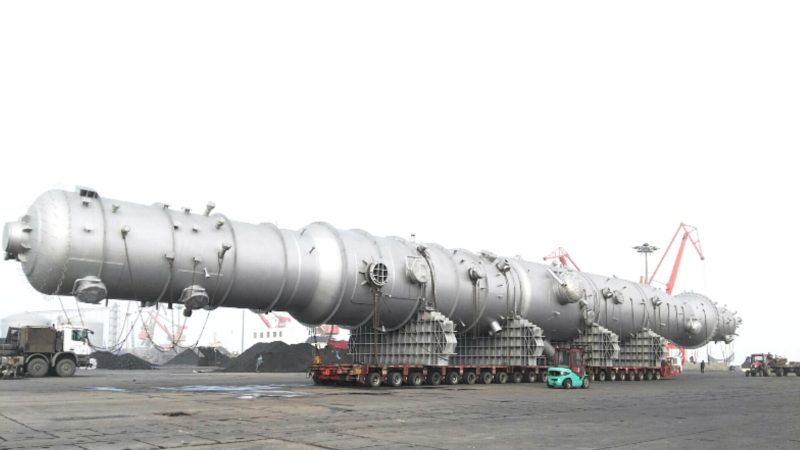
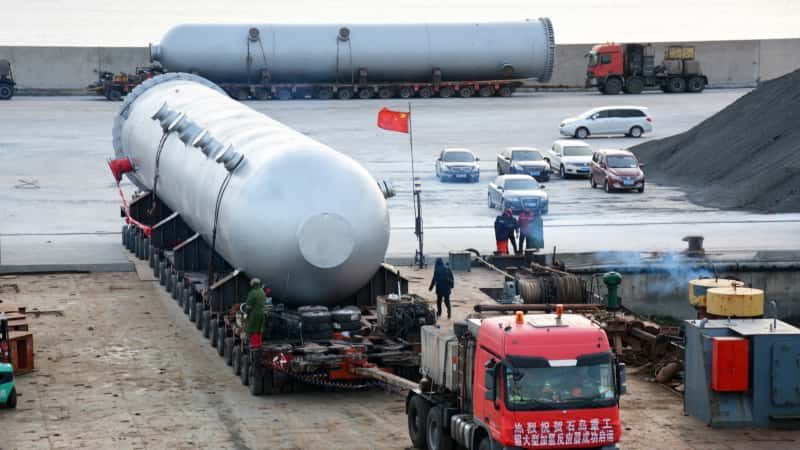
WSHI’s manufacturing activities include engineering coordination, material procurement, welding, nondestructive examination, pressure testing, coating and heavy-equipment delivery. Reviewing WSHI manufacturing capabilities can support a discussion of the equipment scope. Process selection, cleaning-chemistry development and operating-performance guarantees must remain with the parties expressly responsible for them.
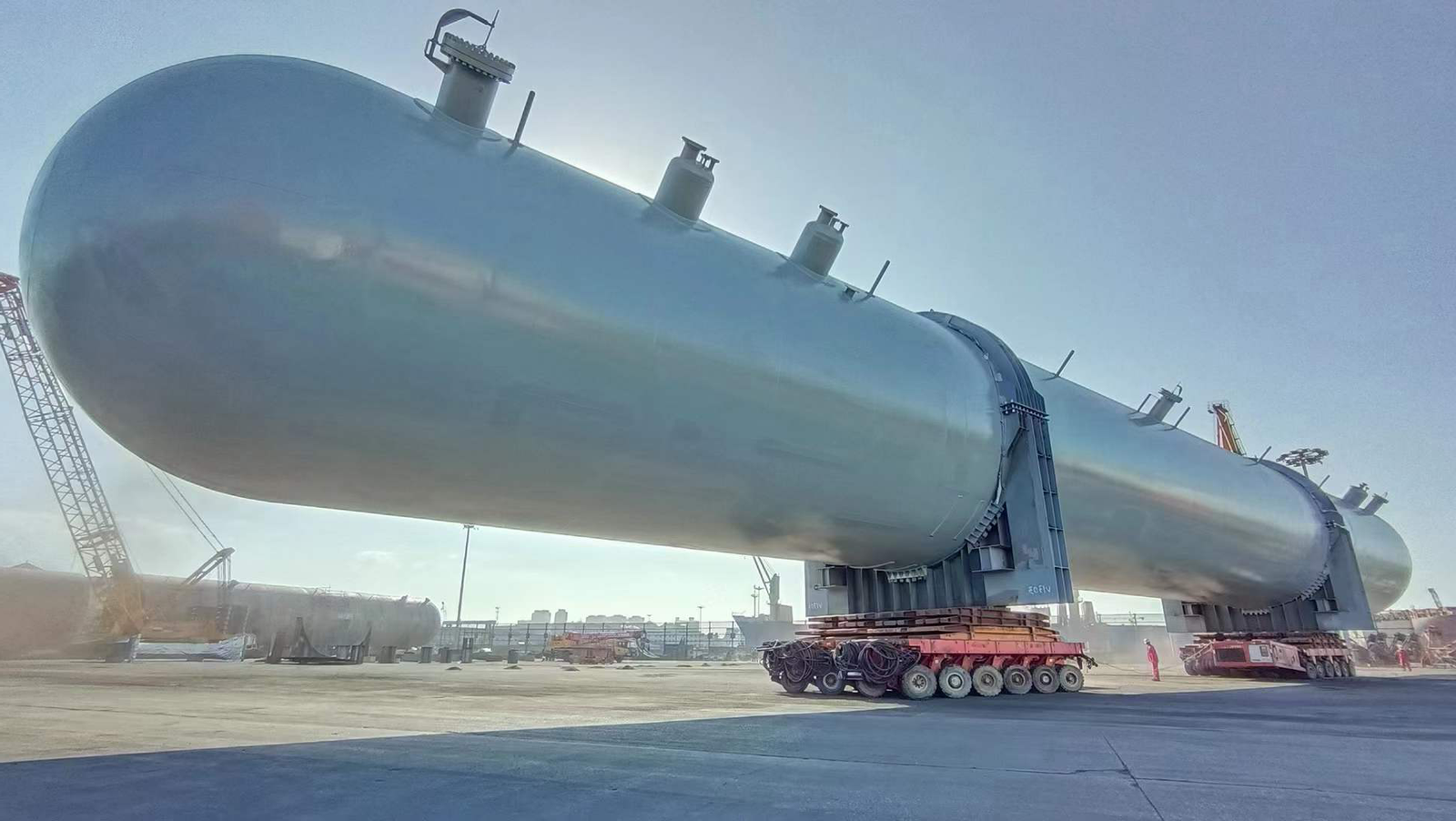
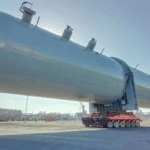
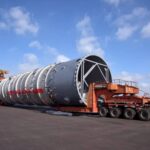
Representative storage equipment. Actual capacity and compatibility with cleaning liquids require project-specific confirmation.
FAQ
Should cleaning requirements be defined before requesting quotations?
Yes. They can affect equipment configuration, materials, layout and operating assumptions. Identifying them early makes quotations easier to compare and reduces late design changes.
Can an evaporator be purchased with a guaranteed cleaning interval?
Only against clearly defined and agreed conditions. Feed composition, concentration target, operating practice and deposit behavior influence the interval. Unsupported assumptions should not become unconditional guarantees.
Does cleaning in place eliminate mechanical cleaning?
Not necessarily. Its suitability depends on the deposits, equipment arrangement and demonstrated cleaning effectiveness. Inspection or mechanical access may still be required.
Is a larger heat-transfer area a substitute for cleaning access?
No. Additional area does not establish that deposits can be removed or that restricted flow paths can be restored. Thermal sizing and maintainability should be assessed together.
Discuss Your Evaporator Procurement Requirements
Cleaning requirements are part of industrial evaporator selection because they influence usable capacity, maintenance access and the complete equipment supply. If your project requires an evaporator with associated heat exchangers, separation vessels or large storage tanks, contact our engineering team with the feed analysis, target concentration, available operating history and allowable shutdown window. These inputs support a focused review of fabrication feasibility, inspection requirements and delivery scope.