
Ethanol blend storage tanks are becoming more important as fuel markets adjust to higher biofuel blending targets, supply security policies, and changing terminal operations. For EPC buyers, fuel distributors, and project managers, the key issue is not a small fuel container. It is how to specify large industrial storage tanks above 1,000 liters for ethanol-gasoline blends, with the right material, corrosion protection, safety review, inspection scope, and delivery plan.
Brazil’s National Energy Policy Council recently approved a temporary increase in the mandatory anhydrous ethanol content in gasoline from 30% to 32% for 180 days, according to Brazil’s Ministry of Mines and Energy and Hydrocarbon Processing. While this is a Brazil-specific policy, it reflects a wider trend: fuel terminals need storage systems that can adapt to biofuel blending, import reduction, and changing product logistics.
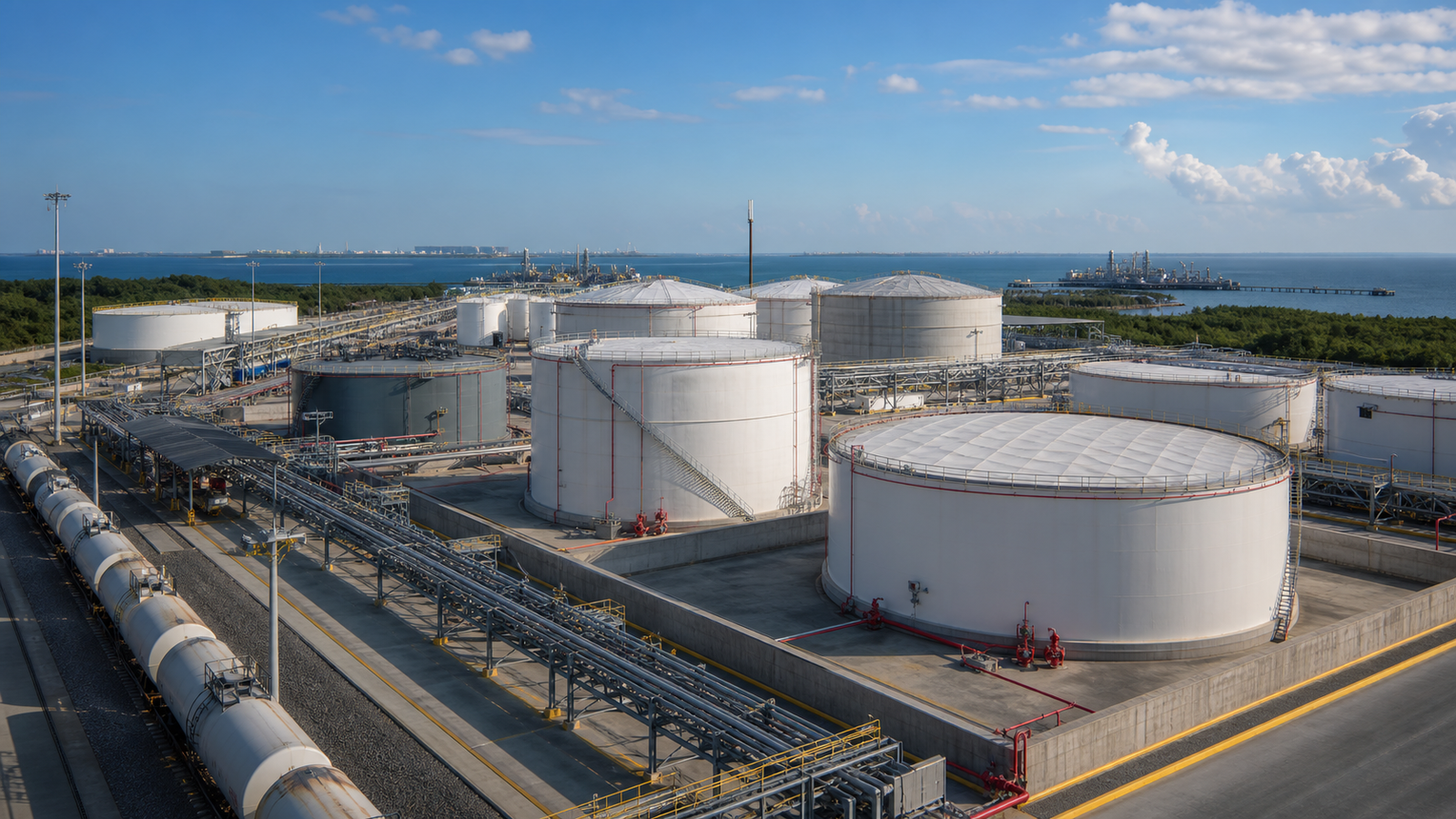
Ethanol blend storage tanks should be specified as large project equipment, not small fuel containers.True
Terminal-scale ethanol blend storage requires review of capacity, fuel composition, material compatibility, corrosion protection, safety interfaces, inspection scope, and delivery planning.
What Are Ethanol Blend Storage Tanks?
Ethanol blend storage tanks are large tanks used to store gasoline containing anhydrous ethanol or other ethanol-blended fuel products. In terminal projects, these tanks may support receiving, holding, blending, distribution, or export logistics.
For industrial projects, buyers should treat ethanol blend storage tanks as part of a complete fuel terminal equipment plan. The tank body, material, coating or lining, roof type, nozzle arrangement, foundation interface, fire protection interface, vapor handling, inspection access, and delivery boundary should be reviewed together.
WSHI supplies industrial storage tanks and custom pressure vessels for oil and gas, petrochemical, chemical, new energy, and environmental engineering projects. For ethanol blend applications, tank selection should always be based on the project specification and medium compatibility review.
Where Large Ethanol Blend Tanks Are Used
Fuel Terminals and Distribution Depots
Fuel terminals may need large storage tanks for gasoline, ethanol, ethanol-gasoline blends, diesel, additives, and other liquid fuels. When blending ratios change, terminals may need to review storage capacity, receiving schedules, product segregation, transfer systems, and quality control arrangements.
A large tank above 1,000 liters can be used for bulk storage, intermediate holding, or terminal buffer capacity. The exact design depends on fuel type, vapor pressure, operating temperature, site layout, and local regulations.
Refineries and Petrochemical Sites
Refineries and petrochemical facilities may use ethanol blend tanks as part of finished fuel storage, blending, or logistics systems. These tanks may connect with loading arms, transfer pumps, pipelines, truck racks, rail loading areas, or marine terminals.
For refinery-linked projects, buyers may also need pressure vessels for oil and gas, separators, and industrial heat exchangers as part of the wider equipment package.
Biofuel and Renewable Fuel Projects
Biofuel projects may require tanks for ethanol, blended fuels, process liquids, wastewater, and auxiliary chemicals. In these applications, material compatibility and corrosion control are critical because ethanol can interact with water, oxygen, contaminants, and certain materials differently from conventional hydrocarbon fuels.

Key Selection Factors for EPC Buyers
Ethanol Content and Fuel Composition
The first step is to define the stored medium clearly. Buyers should specify whether the tank will store anhydrous ethanol, gasoline with ethanol blend, intermediate blend stock, additives, or multiple products over time.
Ethanol content matters because it can affect water absorption, phase separation risk, material compatibility, sealing requirements, corrosion behavior, and quality control. If the fuel composition may change in the future, the project team should decide whether the tank should be designed for a wider operating envelope.
Capacity and Project Scale
For this manufacturer’s positioning, ethanol blend tank content should focus on large industrial tanks above 1,000 liters. EPC buyers should provide nominal capacity, working capacity, filling and emptying rates, site layout, foundation conditions, tank farm arrangement, and any future expansion assumptions.
A tank that is too small can create terminal bottlenecks. A tank that is oversized without process justification may increase cost, footprint, and inspection burden. Capacity should be linked to receiving frequency, blending schedule, storage days, loading capacity, and emergency planning.
Material Selection and Corrosion Protection
Ethanol blend storage requires careful material and corrosion review. Buyers should define the tank material, corrosion allowance, internal coating or lining requirements, external coating system, water draw-off considerations, and inspection strategy.
In many terminal projects, carbon steel may be considered with suitable design and protection, but final material selection depends on fuel composition, water content, contaminants, temperature, regulatory requirements, and owner standards. Any coating or lining system should be checked for ethanol compatibility by qualified specialists.
Standards and Regulatory Requirements
Depending on tank type and service conditions, large fuel storage tanks may be designed under standards such as API Standard 650 for welded oil storage tanks, where applicable. If the tank is pressurized or low-pressure, other standards may be required.
Fuel storage also involves fire safety, spill prevention, environmental protection, and hazardous material requirements. In the United States, 29 CFR 1910.106 for flammable liquids and the EPA’s aboveground storage tank guidance show why terminal storage projects should be reviewed by qualified safety, environmental, and engineering professionals. Requirements vary by country and project location.
Inspection, Testing, and Documentation
EPC buyers should define inspection and documentation requirements before fabrication starts. Typical requirements may include material certificates, welding documentation, dimensional inspection, NDE where specified, hydrostatic testing or leak testing according to the applicable standard, coating inspection, preservation records, packing lists, and final data books.
For export projects, document language, inspection hold points, third-party inspection, nameplate details, shipping marks, and delivery terms should be confirmed early.

Manufacturing and Delivery Considerations
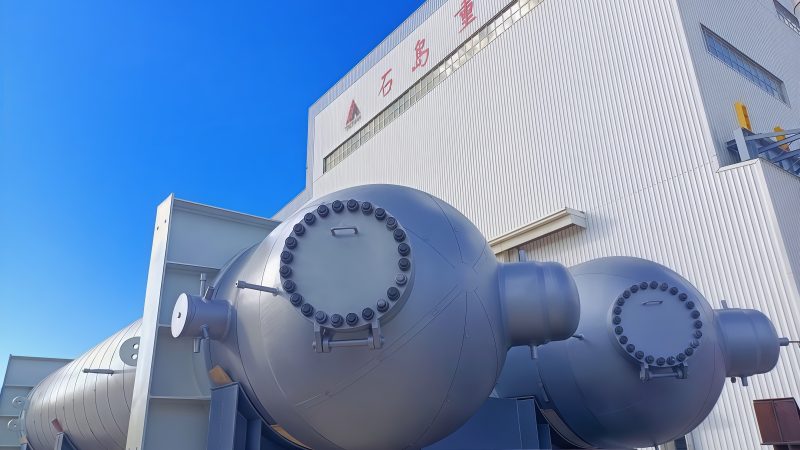
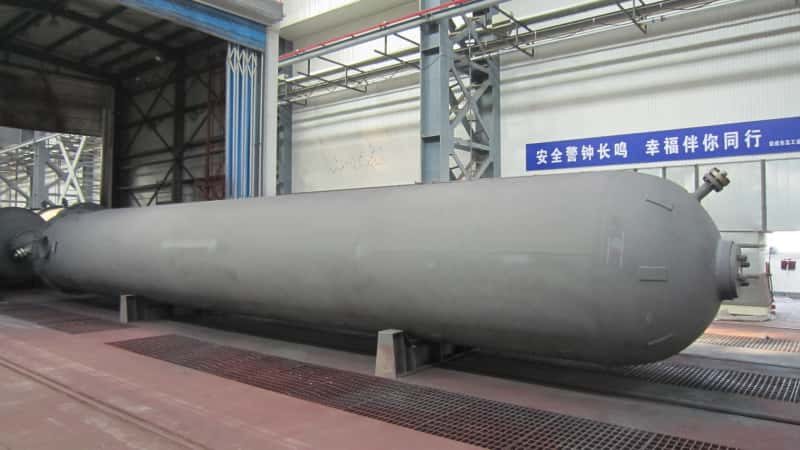
Large ethanol blend storage tanks require coordination across engineering, fabrication, quality control, coating, logistics, and site delivery. A capable manufacturer should be able to review drawings, clarify material requirements, support welding and inspection planning, and prepare equipment for loading and shipment.
As a large-scale pressure vessel manufacturer, WSHI supports project-based manufacturing of storage tanks, pressure vessels, heat exchangers, separators, towers, and custom chemical equipment. Buyers can also download the pressure vessel catalog before preparing a formal inquiry.
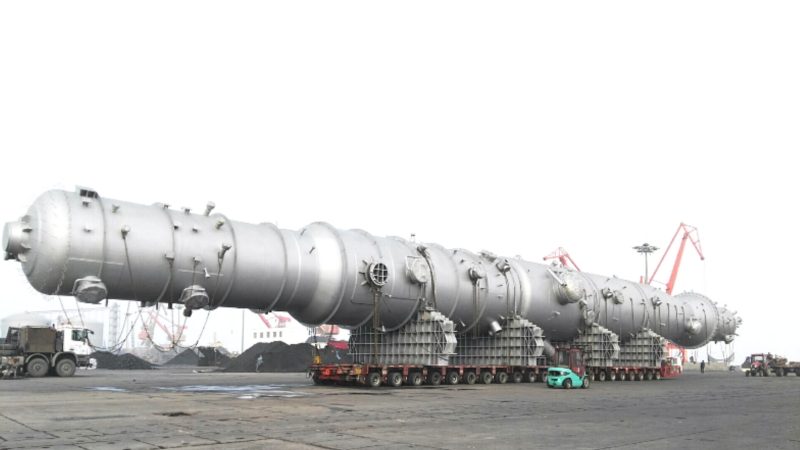
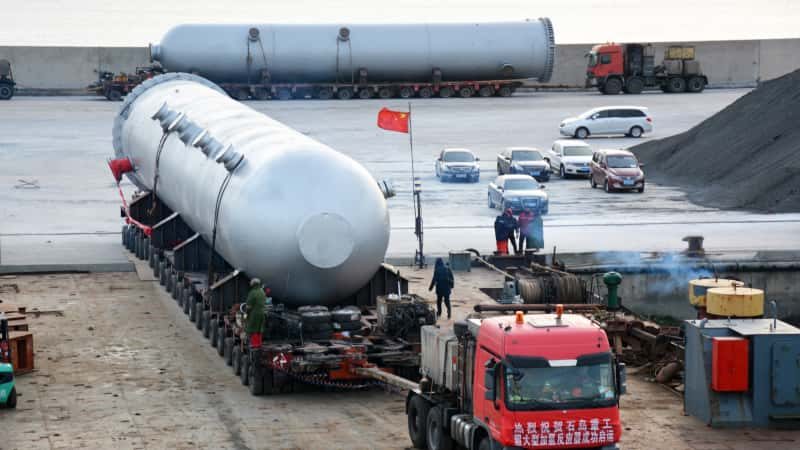
For large terminal tanks, delivery planning may include transportation dimensions, tank segmentation if required by project logistics, lifting points, saddle or support design, surface protection, export packing, and port delivery. These issues should be reviewed before the final fabrication schedule is fixed.
Common Procurement Mistakes
One common mistake is treating ethanol blend storage as ordinary gasoline storage without checking compatibility. Ethanol can change water handling, corrosion behavior, sealing requirements, and fuel quality management. The project team should confirm these issues before procurement.
Another mistake is unclear tank capacity planning. Fuel terminals operate around receiving, blending, storage, and loading schedules. Tank capacity should match logistics reality, not only a rough volume estimate.
A third mistake is purchasing tanks without defining the complete delivery boundary. EPC buyers should clarify whether the supplier scope includes tank fabrication only, or also coating, preservation, documentation, loading, export packing, and port delivery support.
A tank designed for conventional gasoline automatically fits ethanol-gasoline blend service.False
Ethanol blends can change water handling, phase separation risk, sealing needs, material compatibility, coating requirements, and corrosion behavior. Compatibility should be reviewed for the actual product.
What Buyers Should Prepare Before Requesting a Quotation
- Stored medium and ethanol blend ratio
- Tank capacity and working volume
- Operating temperature and pressure condition
- Material grade and corrosion allowance
- Coating or lining requirements
- Applicable tank standard and owner specification
- Foundation and site layout assumptions
- Nozzle orientation and interface requirements
- Fire safety, spill control, and environmental requirements
- Inspection, testing, and documentation scope
- Delivery terms, transport limits, and project schedule
FAQ
What are ethanol blend storage tanks used for?
Ethanol blend storage tanks are used to store gasoline containing ethanol, anhydrous ethanol, or related fuel blend streams in fuel terminals, refineries, distribution depots, and biofuel projects. For industrial projects, they should be specified as large complete tanks above 1,000 liters.
Does ethanol affect storage tank material selection?
Yes. Ethanol content, water absorption, contaminants, temperature, and blend ratio can affect corrosion behavior and compatibility. Material, coating, lining, and sealing requirements should be reviewed by qualified engineers.
Which standards may apply to ethanol blend storage tanks?
API 650 may apply to certain welded atmospheric storage tanks, depending on project conditions. Low-pressure or pressurized tanks may require other standards. Final standard selection must follow project specifications and local regulations.
What information is needed before requesting a quotation?
Buyers should provide tank capacity, fuel composition, ethanol blend ratio, operating conditions, material requirements, coating requirements, applicable standards, drawings, inspection requirements, delivery terms, and project schedule.
Why should EPC buyers discuss delivery planning early?
Large storage tanks may require special transport, lifting, surface protection, export packing, or port delivery arrangements. Early logistics review helps reduce site installation and schedule risks.
Conclusion
Large ethanol blend storage tanks are becoming more relevant as fuel markets respond to biofuel blending policies and supply resilience needs. For EPC buyers, the best procurement approach is to treat these tanks as complete industrial storage equipment above 1,000 liters, with careful review of fuel composition, material compatibility, corrosion protection, safety standards, inspection requirements, and delivery planning.
If you are planning a fuel terminal, refinery, biofuel, petrochemical, or export storage project, WSHI can support manufacturing evaluation for large industrial storage tanks, pressure vessels, heat exchangers, separators, and related project equipment based on your drawings, datasheets, operating conditions, material requirements, and delivery expectations. You can contact our engineering team to discuss your tank project before quotation.