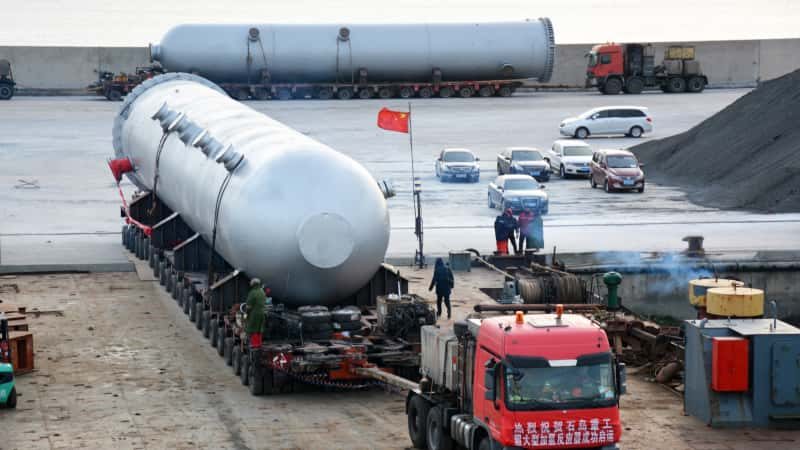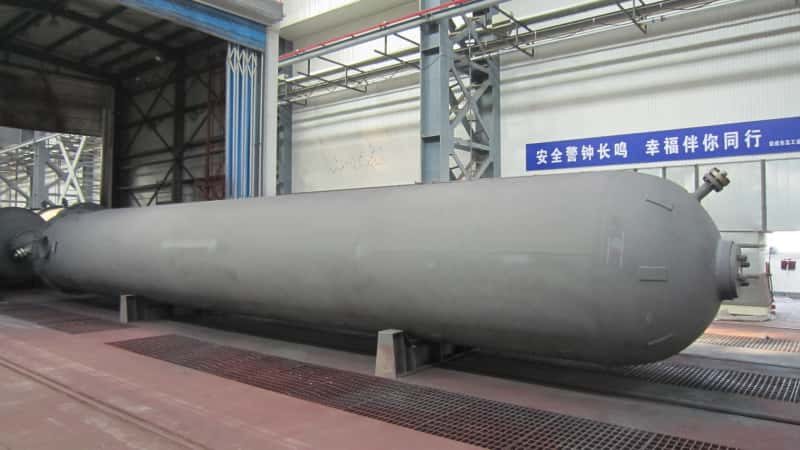

Recent marine fuel and gas carrier news is drawing more attention to liquefied gas supply chains. Wartsila announced on July 16, 2026 that it will supply ammonia auxiliary engines and related systems for two new 51,350 m3 midsize LPG/liquid ammonia carrier vessels. For EPC buyers and industrial project teams, this trend points beyond ships themselves. Ports, terminals, industrial fuel users and chemical plants may need reliable pressure storage vessels, buffer vessels, gas handling equipment and delivery-ready liquefied gas storage systems.
This article focuses on LPG and liquid ammonia supply projects, not LNG. It is written for buyers sourcing complete large pressure equipment, not small tanks, accessories or individual components.
Why LPG and Liquid Ammonia Supply Projects Need Pressure Equipment Review
LPG and liquid ammonia are stored and handled under conditions that require careful pressure, temperature, material and safety review. Project equipment may connect to loading systems, transport vessels, industrial users, chemical process units, fuel systems or distribution terminals.
For EPC buyers, the procurement question is not simply “What tank volume is needed?” A complete review should include:
- Stored medium and composition
- Design pressure and design temperature
- Storage capacity and working volume
- Material and corrosion requirements
- Welding and NDT scope
- Pressure testing requirements
- Safety and process interfaces
- Site layout and transportation limits
- Export or port delivery boundary
- Documentation requirements
Buyers can review LPG storage tanks and custom pressure storage tanks when planning liquefied gas equipment procurement.
Main Equipment in LPG and Liquid Ammonia Supply Projects
Large Pressure Storage Vessels
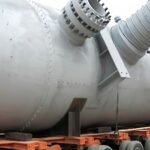
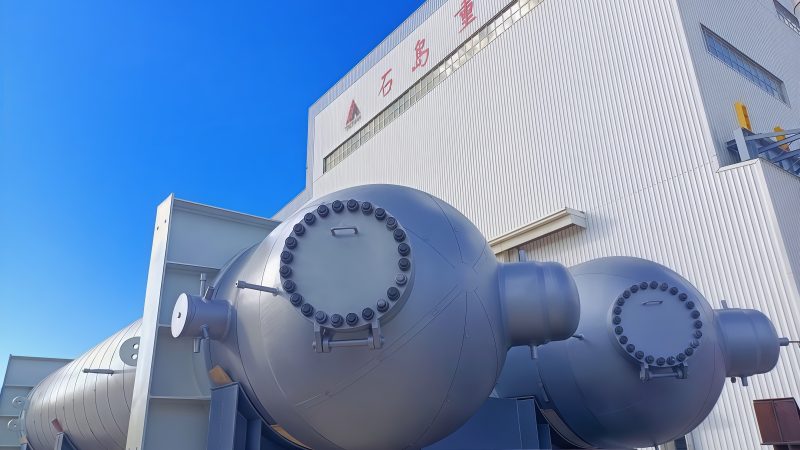
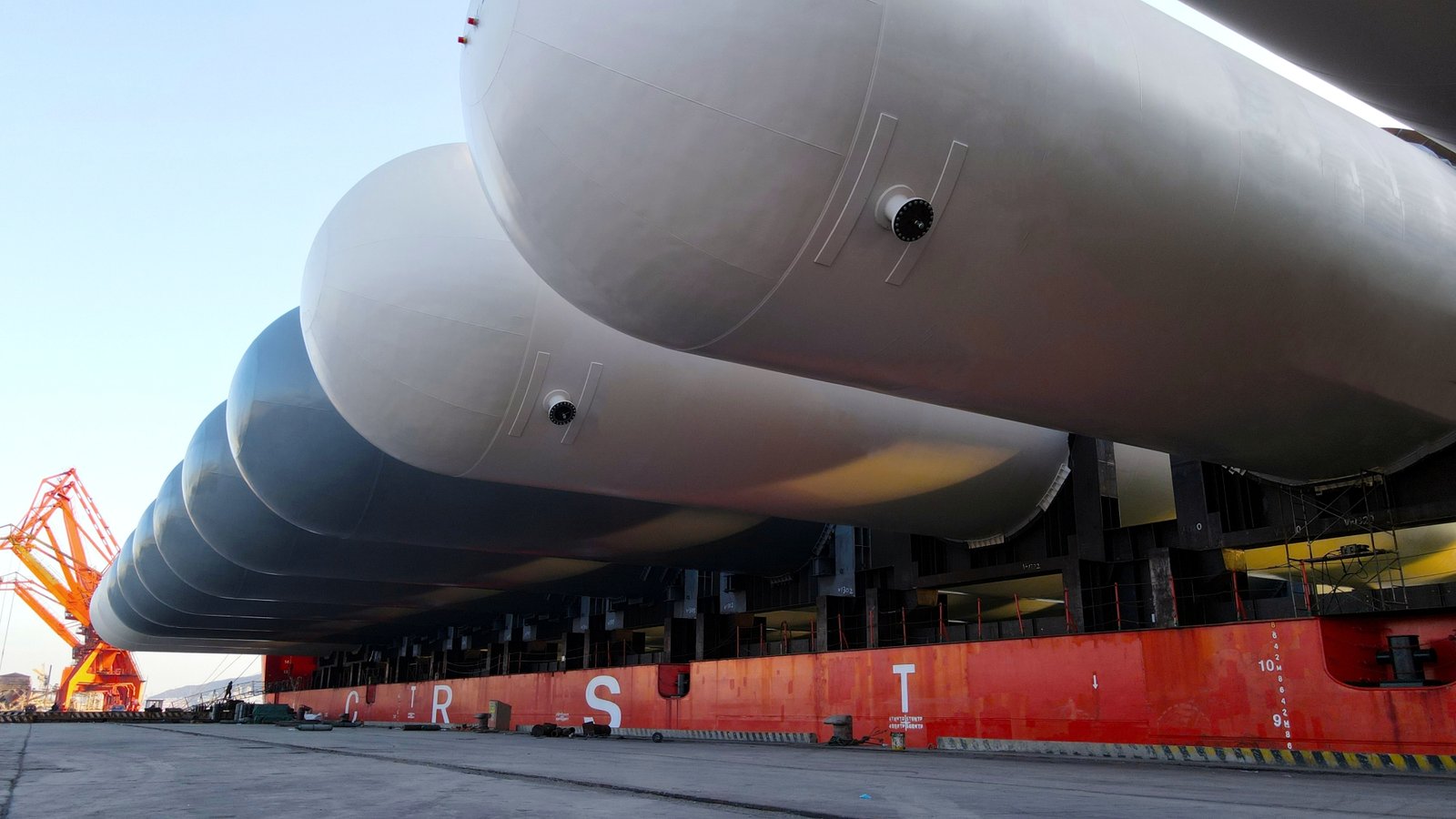
Large pressure storage vessels are the core equipment in many LPG and liquid ammonia projects. They may be horizontal bullet tanks, pressure storage vessels or other project-specific configurations depending on capacity, site layout and applicable design code.
For LPG service, buyers should confirm propane-butane composition, vapor pressure, filling ratio, ambient temperature range, loading conditions, safety distance and site requirements. For liquid ammonia, material compatibility, toxicity, corrosion behavior, pressure condition and safety requirements should be reviewed carefully.
These vessels should be specified as complete equipment, including shell, heads, supports, nozzles, inspection openings, lifting points, testing, coating and documentation.
Buffer Vessels and Surge Drums
Supply projects may include buffer vessels or surge drums to manage flow fluctuations during loading, unloading, transfer or process consumption. These vessels can help stabilize operation and protect downstream gas handling equipment.
When sourcing custom pressure vessels, EPC buyers should provide operating pressure, design pressure, temperature, medium composition, liquid hold-up, flow variation and control interface requirements.
Gas-Liquid Separation and Knock-Out Vessels
LPG and ammonia handling systems may require separation vessels or knock-out drums for condensate removal, vapor handling or equipment protection. The correct scope should be a complete pressure vessel, not a small internal item.
Gas-liquid separation equipment should be reviewed according to vapor flow, liquid carryover, pressure, temperature, material, drainage and inspection requirements.
Heat Exchangers and Vaporizers
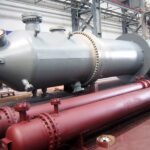
Some liquefied gas projects require heat exchangers, vaporizers or condensers for temperature control, vaporization, condensation or process integration. When sourcing from a heat exchanger manufacturer, buyers should provide heat duty, fluid properties, pressure drop limits, operating temperatures, material requirements and cleaning expectations.
Key Procurement Factors for EPC Buyers
1. Stored Medium and Composition
LPG is usually a propane-butane mixture, but the actual composition can vary by supply source and project requirement. Liquid ammonia has different toxicity, material and safety considerations. Buyers should provide accurate medium data rather than using broad descriptions.
2. Pressure and Temperature
Design pressure and design temperature are critical for pressure storage vessels. Ambient temperature, solar exposure, operating condition, loading condition and possible upset cases should be reviewed.
ASME BPVC Section VIII is commonly referenced for pressure vessels, but the final applicable code should follow project specifications, local regulations and owner requirements. EPC buyers may also review ASME’s broader BPVC standards information during technical planning.
3. Capacity and Working Volume
Tank capacity should be reviewed by working volume, filling ratio, transfer rate, storage time, future expansion and site layout. This article is focused on industrial-scale storage equipment and project vessels, not small tanks below 1,000 liters.
4. Material Selection and Corrosion Protection
Material selection should consider medium compatibility, pressure, temperature, weldability, corrosion allowance and inspection requirements. Liquid ammonia and LPG services should be reviewed by qualified engineering teams according to actual operating conditions and latest project standards.
External coating may be important for outdoor, coastal, marine terminal or export projects. Buyers should define surface preparation, paint system, dry film thickness and documentation requirements before fabrication.
5. Welding, NDT and Pressure Testing
Liquefied gas pressure vessels require strong welding quality control. EPC buyers should confirm welding procedure requirements, NDT method and percentage, pressure test method, inspection hold points and final data book requirements before order confirmation.
6. Delivery and Port Handling
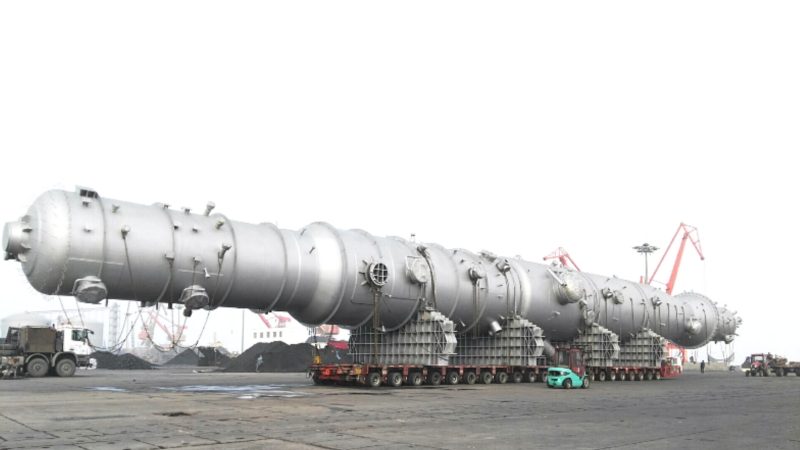
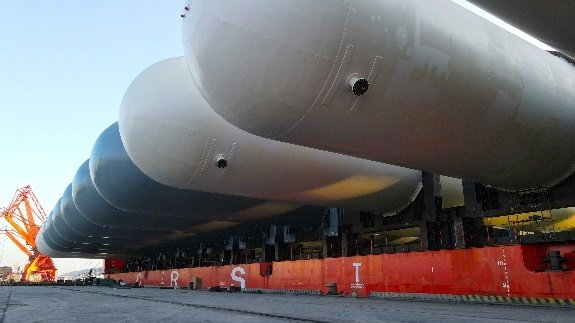
Large pressure vessels may require road permits, shipping saddles, lifting plans, port handling, export packing and site route review. If the vessel is for a terminal or overseas project, delivery boundary should be clarified early.
RFQ Checklist for LPG and Liquid Ammonia Storage Equipment
Before requesting a quotation, EPC buyers should prepare:
- Equipment drawings
- Tank datasheet
- Stored medium and composition
- Design pressure and design temperature
- Operating pressure and operating temperature
- Required capacity and working volume
- Material requirements
- Corrosion allowance
- Applicable design code
- NDT and pressure testing requirements
- Coating or painting specification
- Documentation and data book requirements
- Site layout and installation constraints
- Export, port or delivery requirements
If project data is preliminary, assumptions should be clearly marked and reviewed before fabrication release.
Common Procurement Mistakes
Treating Liquefied Gas Storage as Ordinary Tank Storage
LPG and liquid ammonia storage should be reviewed as pressure equipment where applicable. Ordinary tank assumptions can create serious design and procurement risk.
Ignoring Medium Differences
LPG and liquid ammonia have different handling, material and safety considerations. Buyers should not copy one tank specification into another service without engineering review.
Delaying Logistics Review
Large vessels must be manufacturable, transportable and installable. Transportation limits should be reviewed before final drawings are released.
Making Unsupported Safety or Compliance Claims
Equipment manufacturers can fabricate according to approved drawings and specifications, but final process safety and regulatory compliance depend on full project design, operation and local requirements.
FAQ
What equipment is used in LPG and liquid ammonia supply projects?
Typical equipment may include large pressure storage vessels, buffer vessels, gas-liquid separators, knock-out drums, heat exchangers, vaporizers and related custom pressure equipment.
Are LPG storage vessels the same as LNG tanks?
No. This article focuses on LPG and liquid ammonia projects, not LNG. Equipment design and storage conditions should be reviewed according to the actual medium.
What information is needed for a liquefied gas storage vessel quotation?
Buyers should provide drawings, medium composition, design pressure, design temperature, capacity, material requirements, inspection scope, pressure testing requirements and delivery terms.
Why is delivery planning important for large pressure storage vessels?
Large vessels may have transport limits, lifting requirements, port handling needs and site access restrictions. These should be reviewed before fabrication.
Can a manufacturer guarantee project compliance?
A manufacturer can fabricate equipment according to approved specifications, but final compliance depends on project design, local regulations, operation and owner requirements.
Conclusion
LPG and liquid ammonia carrier supply projects create strong demand for large pressure storage vessels, buffer vessels, gas handling pressure equipment, heat exchangers and complete project delivery support. EPC buyers should confirm medium data, pressure, temperature, capacity, materials, welding, NDT, pressure testing, coating, documentation and logistics before procurement.
If you are sourcing LPG storage vessels, liquid ammonia storage tanks, buffer vessels or related pressure equipment for a supply, terminal, chemical or industrial fuel project, you can share drawings, datasheets, operating conditions and delivery requirements with our engineering team. WSHI can support manufacturing feasibility review for complete liquefied gas pressure vessels and related custom process equipment.