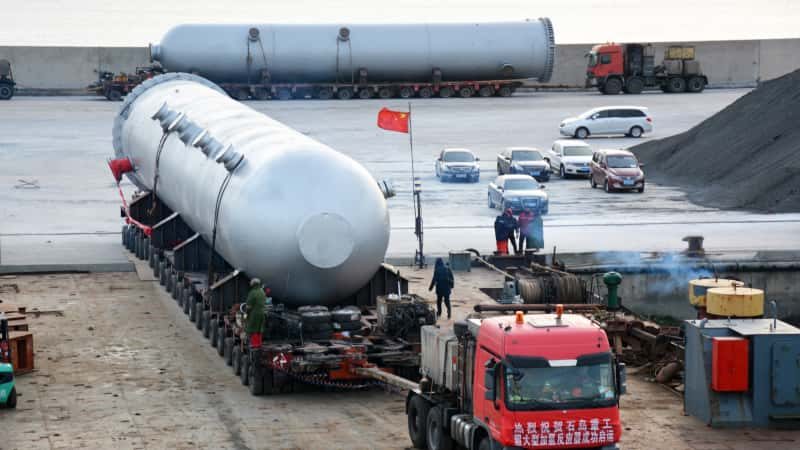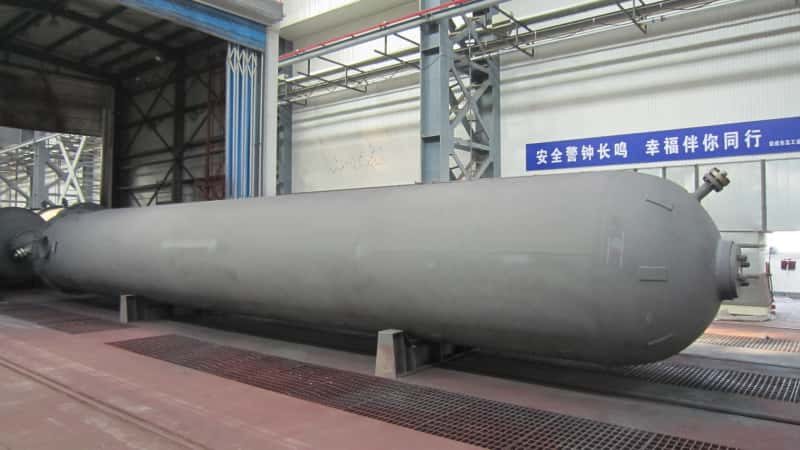

Methane-to-bioplastics projects are gaining attention because wastewater treatment plants and industrial wastewater systems can generate methane-rich off-gas or biogas that may be used as a renewable feedstock. For EPC buyers and project managers, the key question is not only whether the biological conversion route is feasible. It is also what complete process equipment package is needed to collect, condition, separate, react, cool, store, and deliver the system safely.
Chemical Engineering recently reported on methane-to-bioplastics technology that uses wastewater off-gases to produce PHAs, a family of biodegradable polymers. EPA also notes that anaerobic digestion can produce biogas from wastewater solids and other organic materials, while EIA explains that biogas is mainly methane and carbon dioxide, with composition depending on the feedstock. These trends make methane recovery and bioproduct projects relevant to environmental engineering, wastewater treatment, and low-carbon chemical production.
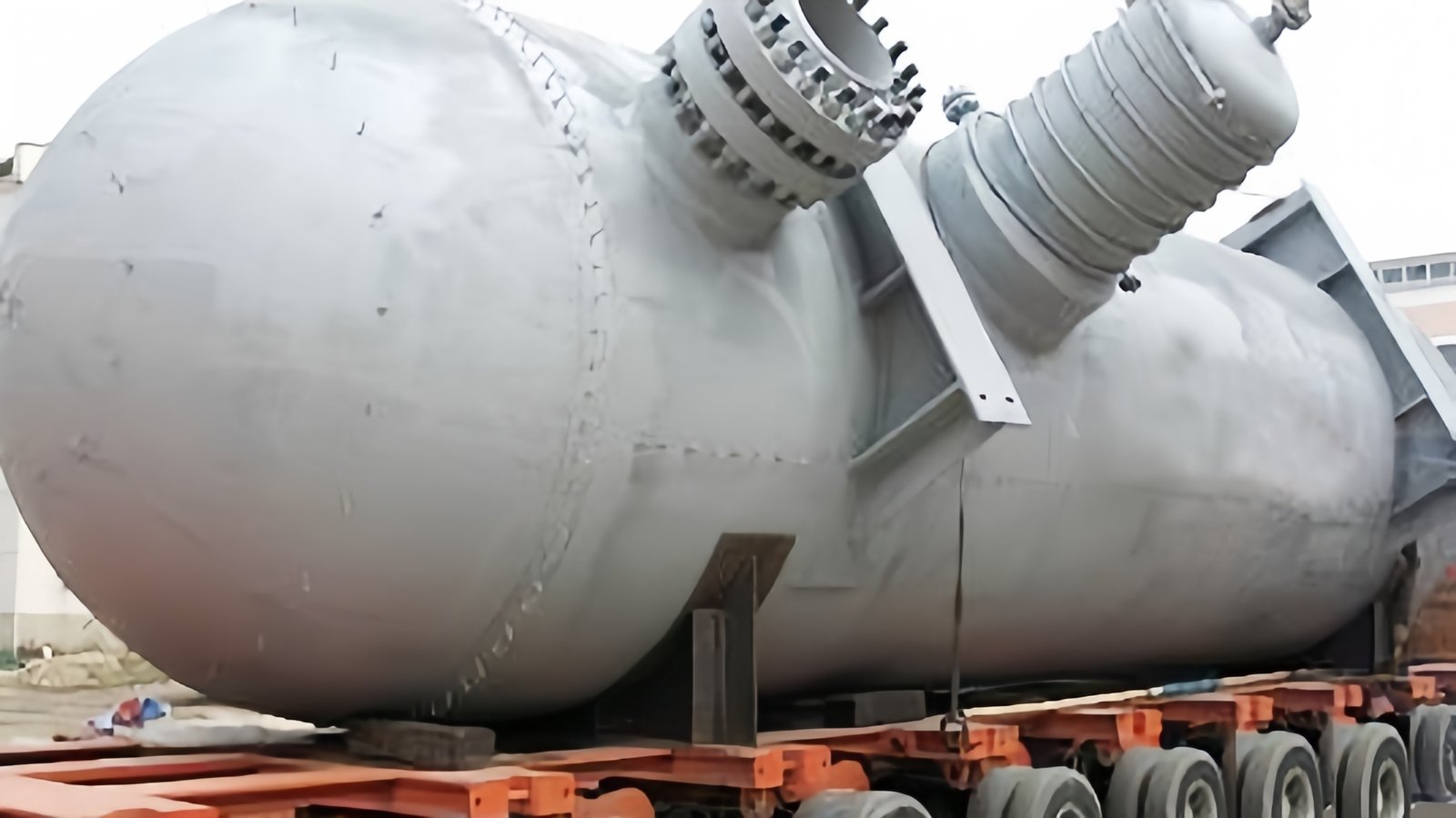
Methane-to-bioplastics projects should be planned as complete process equipment packages, not only as biotechnology concepts.True
Gas-liquid separators, reactor vessels, heat exchangers, condensate vessels, process tanks, storage tanks, off-gas handling, documentation, and delivery scope all affect project execution.
Equipment manufacturers should guarantee bioplastics production yield from methane-rich off-gas.False
Process performance, biological conversion, product yield, and environmental compliance should be confirmed by the technology provider, EPC designer, owner, and qualified specialists.
What Is Methane-to-Bioplastics Process Equipment?
Methane-to-bioplastics process equipment refers to the fabricated vessels, tanks, heat exchangers, separators, and supporting equipment used to convert methane-rich off-gas or biogas into bioproduct intermediates or bioplastics feedstock under a defined technology package.
The exact process depends on the technology provider, biological culture, gas composition, operating mode, safety design, and downstream product recovery. Equipment manufacturers should not claim conversion performance or select the biological process. Their role is to fabricate approved equipment based on drawings, datasheets, materials, inspection requirements, and delivery expectations.
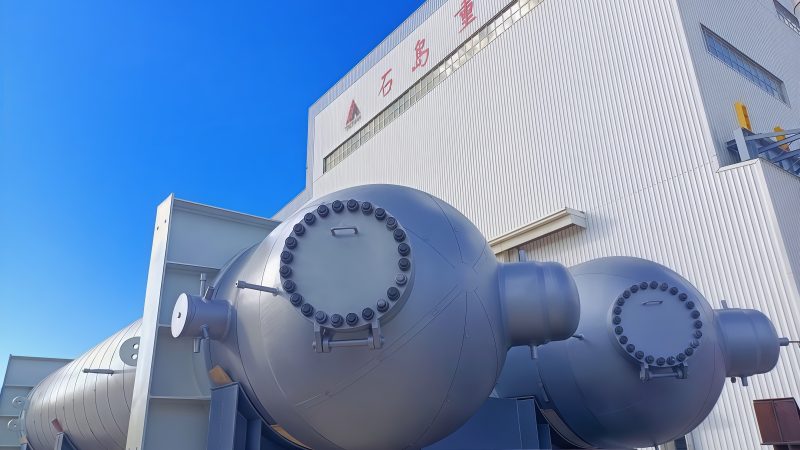
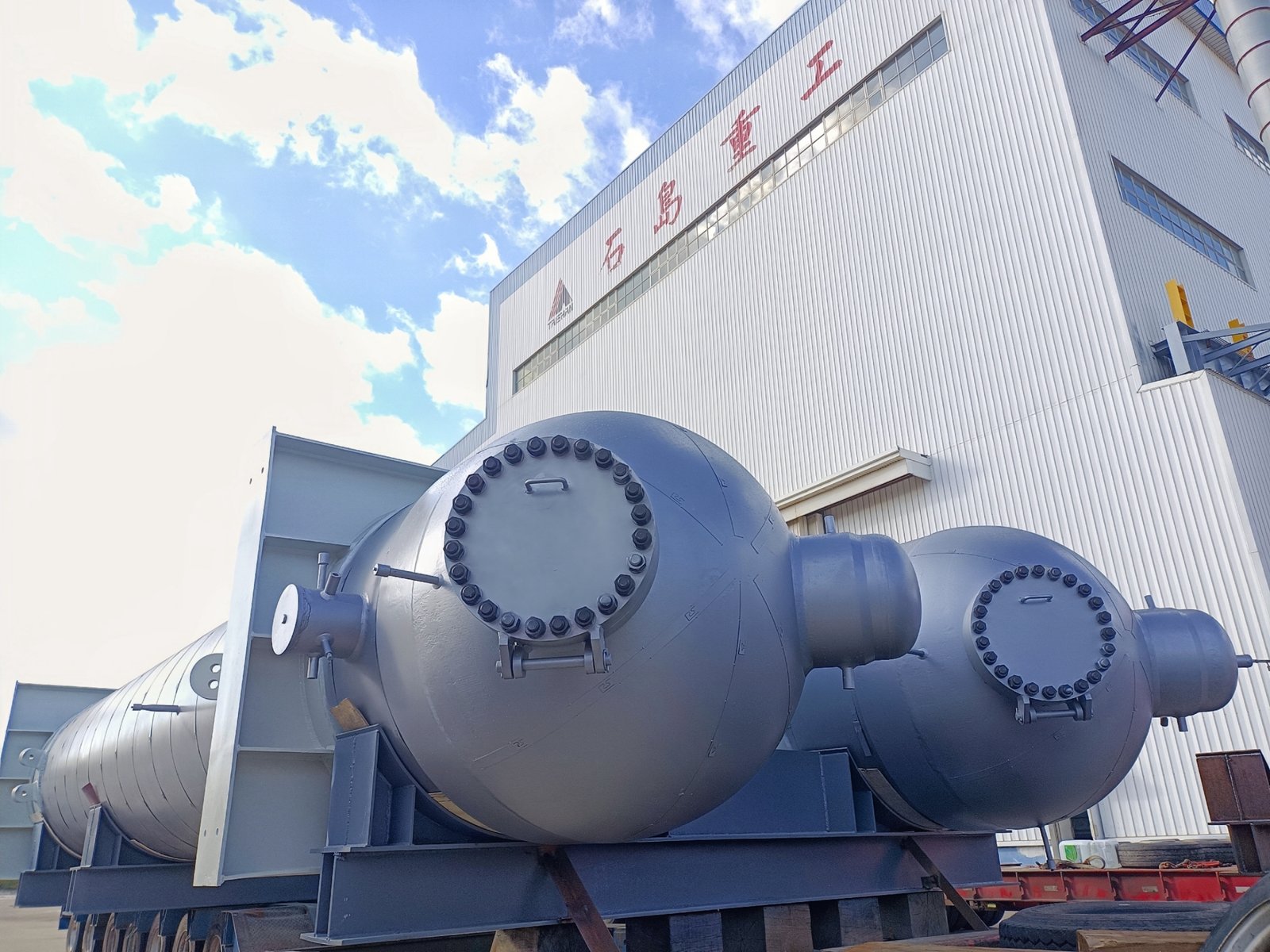
A complete package may include custom pressure vessels, gas-liquid separators, reactor vessels, industrial heat exchangers, condensate vessels, off-gas treatment vessels, and industrial storage tanks above 1,000L.
Where These Projects Are Used
Wastewater Treatment Plants
Municipal and industrial wastewater treatment plants may generate methane through anaerobic digestion or other anaerobic treatment processes. EPA states that anaerobic digestion breaks down organic materials without oxygen and produces biogas and digestate. In advanced utilization projects, methane-containing gas may become a feedstock for energy, renewable natural gas, chemicals, or bioproducts.
Industrial Wastewater Systems
Food processing, pulp and paper, ethanol, petrochemical, and other industrial wastewater systems may use anaerobic reactors, lagoons, or digesters. EPA’s Greenhouse Gas Reporting Program materials note that industrial wastewater treatment systems can involve anaerobic reactors, anaerobic lagoons, anaerobic sludge digesters, and biogas collection or destruction devices.
For EPC buyers, this means the gas handling and process equipment must be matched to real wastewater conditions, not generic biogas assumptions.
Low-Carbon Chemical and Bioproduct Projects
Methane-to-bioplastics projects sit between wastewater treatment, biogas recovery, and specialty chemical production. They may require environmental equipment, fermentation or biological reactor equipment, gas conditioning, liquid storage, cooling, separation, and product recovery support.
Key Equipment in a Complete Package
Gas-Liquid Separators
Wastewater off-gas and biogas streams may contain moisture, condensate, foam risk, particles, or trace contaminants. Gas-liquid separators can help protect downstream equipment by removing entrained liquid or condensate before the gas enters conditioning or reaction equipment.
For EPC procurement, separators should be specified as complete pressure vessels. Buyers should provide gas flow rate, liquid load, operating pressure, temperature, gas composition, condensate chemistry, corrosion allowance, materials, NDE scope, and delivery requirements.
Reactor and Process Vessels
Methane-to-bioplastics systems may use biological reactor vessels, process tanks, or pressure-rated vessels depending on the selected technology. These vessels may need controlled gas-liquid contact, mixing interfaces, temperature control, sampling connections, cleaning provisions, or sterile or hygienic requirements if specified by the process provider.
WSHI can support manufacturing evaluation for pressure vessels for new energy and environmental engineering projects when buyers provide approved drawings and technical specifications.
Heat Exchangers and Condensers
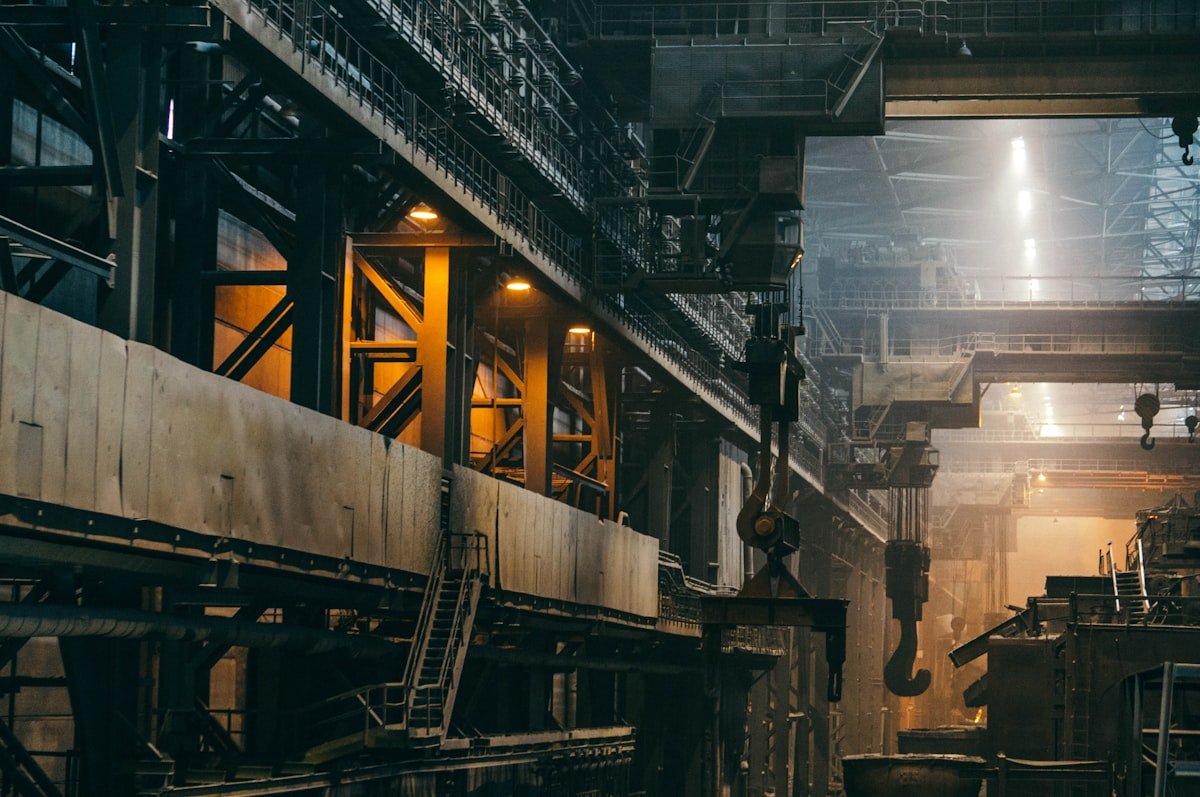
Temperature control can be important in biological and gas treatment systems. Heat exchangers may be used for cooling gas streams, controlling reactor temperature, recovering heat, or condensing moisture from off-gas.
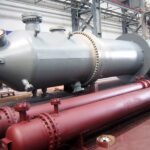
A shell and tube heat exchanger may be considered for industrial duties depending on fluid properties, fouling risk, corrosion, pressure, and maintenance access. Buyers should provide heat duty, inlet and outlet temperatures, medium composition, allowable pressure drop, cleaning expectations, and material requirements.
Large Storage and Holding Tanks
Methane-to-bioplastics projects may require large tanks above 1,000L for wastewater streams, nutrient solutions, process liquids, condensate, product intermediates, cleaning liquids, or treated effluent. Tank design should consider medium compatibility, corrosion, coating or lining requirements, operating temperature, pressure condition, and site layout.
For environmental engineering projects, large tanks should be defined as part of the complete process package rather than separate small storage items.
What EPC Buyers Should Confirm Before Procurement
Gas Composition and Variability
Biogas composition can vary. EIA notes that biogas is mostly methane and carbon dioxide, and raw biogas treatment may need removal of moisture, CO2, siloxanes, VOCs, and hydrogen sulfide depending on end use. Buyers should provide methane content, CO2 content, H2S, moisture, siloxanes, VOCs, oxygen, nitrogen, flow variation, and expected contaminants.
Wastewater and Process Liquid Conditions
The liquid side can be as important as the gas side. Buyers should define pH, COD/BOD where relevant, suspended solids, salts, nutrients, temperature, foaming tendency, biological compatibility, cleaning chemicals, and wastewater variability.
Materials and Corrosion Control
Biogas and wastewater systems may involve wet methane, CO2, H2S, condensate, biological media, salts, cleaning solutions, and corrosive liquids. Material selection, coating, lining, corrosion allowance, and gasket compatibility should be reviewed by qualified engineers.
Safety and Hazard Review
Methane is flammable. Biogas systems may also contain hydrogen sulfide or other hazardous components. Equipment design should be reviewed for pressure containment, ventilation, hazardous area classification, overpressure protection, leak management, and local regulatory requirements. This article should not be used as a safety design conclusion.
Inspection, Documentation, and Delivery
EPC buyers should define material certificates, welding documentation, dimensional inspection, NDE, pressure or leak testing, coating inspection, final data book requirements, packing, lifting, export delivery, and site installation constraints before fabrication.
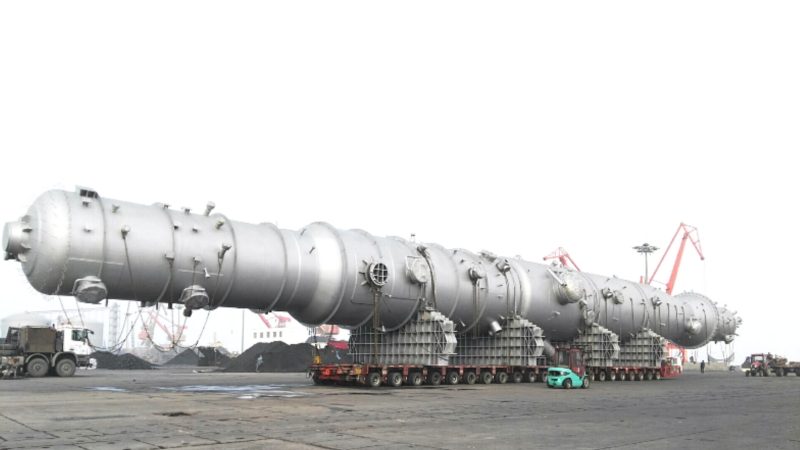
As a large-scale pressure vessel manufacturer, WSHI supports project-based manufacturing of pressure vessels, separators, heat exchangers, process vessels, towers, and large tanks. Buyers can also download the pressure vessel catalog before preparing a formal inquiry.
Common Procurement Mistakes
One mistake is treating methane-to-bioplastics as only a biotechnology project while delaying static equipment planning. Separators, tanks, heat exchangers, and reactor vessels may become long-lead items.
Another mistake is requesting equipment pricing without real gas and wastewater composition. Methane content, moisture, H2S, CO2, pH, solids, and cleaning requirements can all affect materials and design.
A third mistake is buying isolated equipment items without defining the package boundary. EPC buyers should clarify collection, gas conditioning, reaction vessels, heat transfer, storage, off-gas handling, wastewater handling, documentation, and delivery responsibilities.
FAQ
What equipment is used in methane-to-bioplastics projects?
Typical equipment may include gas-liquid separators, reactor vessels, heat exchangers, condensate vessels, process tanks, large storage tanks, off-gas treatment vessels, and supporting pressure vessels. The final scope depends on the technology provider and project design.
Why is gas composition important?
Methane concentration, CO2, moisture, H2S, siloxanes, VOCs, and flow variation can affect material selection, gas conditioning, corrosion control, safety review, and downstream process stability.
Are methane-to-bioplastics systems standard equipment packages?
Usually no. These projects are often process-specific and may require customized vessels, tanks, heat exchangers, and separators based on wastewater source, gas quality, biological process, and site conditions.
What should EPC buyers provide before requesting a quotation?
Buyers should provide process datasheets, drawings, gas composition, wastewater characteristics, operating pressure and temperature, material requirements, coating or lining requirements, inspection scope, delivery terms, and project schedule.
Can WSHI guarantee bioplastics production performance?
No. WSHI supports equipment manufacturing evaluation based on approved drawings and specifications. Process performance, biological conversion, product yield, and environmental compliance should be confirmed by the technology provider, EPC designer, and qualified specialists.
Conclusion
Methane-to-bioplastics process equipment connects wastewater treatment, biogas recovery, environmental engineering, and low-carbon chemical production. For EPC buyers, the best procurement approach is to define complete equipment boundaries around gas-liquid separators, reactor vessels, heat exchangers, condensate vessels, storage tanks, and supporting pressure vessels.
If you are planning a wastewater off-gas utilization, biogas recovery, methane-to-bioproducts, or environmental engineering project, WSHI can support manufacturing evaluation for complete process equipment based on your drawings, datasheets, gas composition, wastewater conditions, material requirements, inspection scope, and delivery expectations. You can contact our engineering team to discuss your project before quotation.