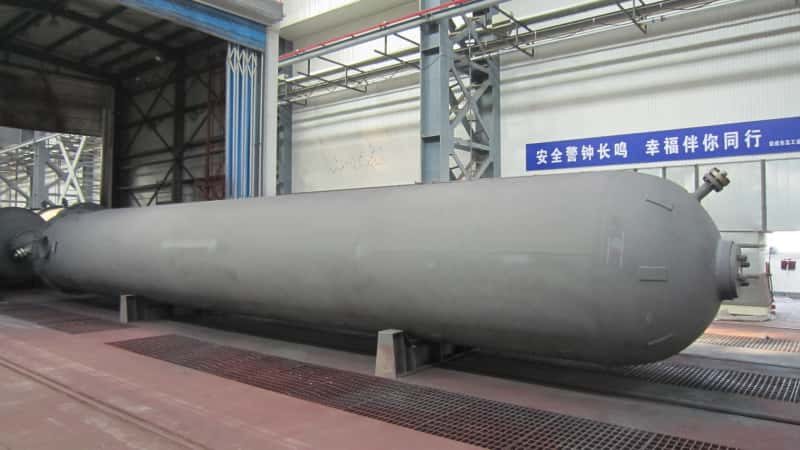

Modular Diesel Hydrotreating Unit Equipment for Refinery Upgrade Projects
Recent refinery upgrade news has again put modular diesel hydrotreating units in front of EPC buyers. On September 2, 2026, Axens announced that it had been selected by YPF for a 5,000 m3/day low-sulfur diesel hydrotreater at YPF’s Industrial Complex in Argentina, using a prefabricated modular Prime-D solution. Axens stated that pressure vessels, structure, piping and instrumentation would be integrated into modules assembled in a dedicated yard. For refinery owners and EPC teams, this reflects a practical procurement trend: diesel quality upgrades need reliable reactors, separators, heat exchangers and pressure vessels that can fit fast-track project execution.
A modular diesel hydrotreating project should be specified as a complete equipment and interface package. Hydrotreating reactors, feed/effluent exchangers, separator vessels, process drums, hydrogen-related vessels, supports, nozzles, coating, inspection and documentation all need to match the process licensor, module layout and refinery execution schedule.
A modular diesel hydrotreating unit is easier to procure because most equipment can be treated as standard items.False
Modular execution can reduce site work, but it requires earlier coordination of pressure vessels, heat exchangers, nozzles, supports, inspection, documentation, lifting and transport interfaces.
Hydrotreating reactors, separators and heat exchangers should be defined together in the RFQ scope.True
These items are connected by process conditions, hydrogen service, refinery layout, inspection requirements and modular delivery limits, so fragmented purchasing can create interface risk.
What Is a Diesel Hydrotreating Unit?
A diesel hydrotreating unit, often called a DHT unit, is used in refineries to remove sulfur, nitrogen and other impurities from diesel-range streams through hydrogen treatment. The process normally involves heating the feed, mixing it with hydrogen, passing it through reactor sections, cooling the effluent and separating gas, liquid hydrocarbon and sour water streams.
From an equipment procurement perspective, a diesel hydrotreater may involve:
- Hydrotreating reactor vessels
- Feed and effluent heat exchangers
- High-pressure separator vessels
- Low-pressure separator vessels
- Knock-out drums and process drums
- Hydrogen-related buffer or recycle gas vessels
- Sour water or condensate collection vessels
- Supporting custom pressure vessels
The exact equipment list depends on the process licensor, refinery configuration, sulfur target, feed type, hydrogen supply and project scope.
Why Modular Execution Changes Procurement
Modular refinery projects aim to shift more work from the operating refinery site to a controlled fabrication or assembly yard. This can reduce site congestion, limit disruption to existing units and support faster project schedules. However, modular execution also makes early equipment definition more important.
In a modular diesel hydrotreating project, the pressure equipment manufacturer may need to coordinate with module designers, piping engineers, instrumentation teams, coating suppliers, logistics planners and EPC reviewers. Vessel dimensions, nozzle orientation, lifting points, shipping supports and inspection documents must be controlled earlier than in a conventional stick-built project.
For a large-scale pressure vessel manufacturer, fabrication capability alone is not enough. The supplier must understand drawing review, welding planning, dimensional control, testing, coating, preservation and transport interfaces.
Key Equipment in Diesel Hydrotreating Projects
Hydrotreating Reactor Vessels
The reactor is one of the most critical pressure vessels in a diesel hydrotreating unit. It may operate under elevated pressure and temperature, with hydrogen-rich process streams and catalyst service. EPC buyers should treat reactor procurement as a highly controlled technical package.
The RFQ should define design pressure, design temperature, material requirements, corrosion allowance, heat treatment requirements, NDE scope, testing requirements and documentation expectations. If catalyst-related details are involved, they should remain within the complete reactor and process package scope, not be handled as separate small-part procurement.
Feed/Effluent Heat Exchangers
Heat exchangers are important for energy recovery and temperature control in hydrotreating units. Feed/effluent exchange, cooling and process heating duties may require shell and tube exchangers depending on the process design.
When specifying industrial heat exchangers, EPC buyers should provide heat duty, flow rates, inlet and outlet temperatures, allowable pressure drop, medium composition, fouling tendency, material requirements and inspection scope. In hydrogen service or refinery service, material and welding requirements should be reviewed carefully.
Separator Vessels and Process Drums
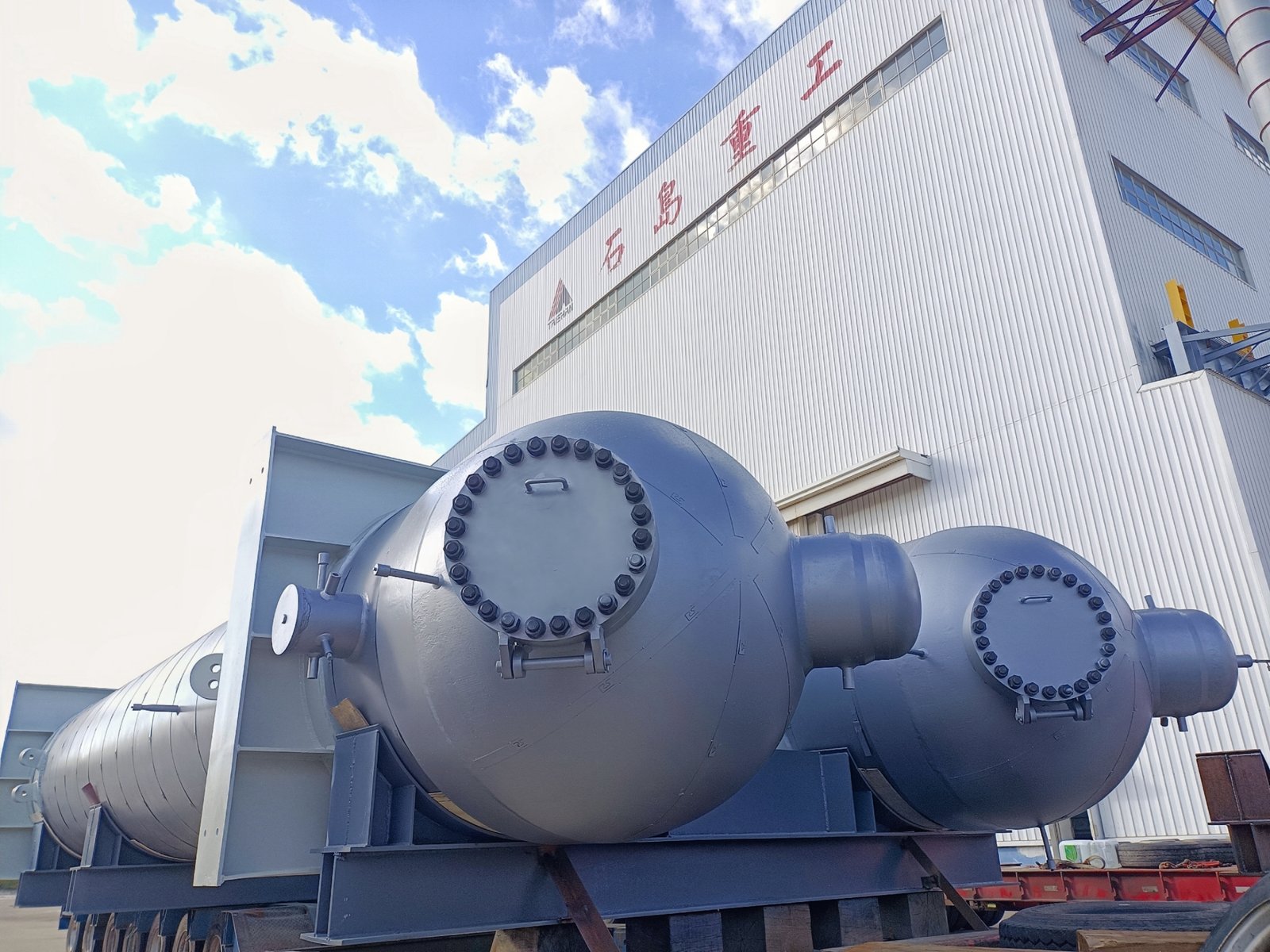
Diesel hydrotreating units typically require separation after reaction and cooling. Separator vessels may handle gas-liquid separation, sour water removal, hydrocarbon phase separation or recycle gas protection.
For separator vessel procurement, buyers should define gas flow, liquid load, pressure, temperature, medium composition, sour service conditions, drainage requirements, nozzle orientation and instrumentation interfaces. These details affect the complete vessel design and should be included in the RFQ.
For refinery applications, related pressure vessels for oil and gas should be coordinated with downstream equipment and plant layout.
Supporting Process Vessels
Besides reactors and separators, modular diesel hydrotreating projects may include receivers, buffer vessels, condensate vessels, flash drums and other process drums. These vessels may look less prominent than the reactor, but they still affect operating stability and site integration.
For each vessel, EPC buyers should confirm whether it is included in the module supplier’s scope, the pressure equipment manufacturer’s scope or another package boundary.
Modular Diesel Hydrotreating Equipment Checklist
| Equipment category | RFQ items to confirm | Procurement risk if unclear |
|---|---|---|
| Hydrotreating reactor | Design pressure, temperature, hydrogen service, material, heat treatment, NDE and testing | Material, welding or inspection gaps |
| Heat exchanger | Duty, flow rates, fouling, pressure drop, material, cleaning access and inspection scope | Thermal underperformance or maintenance issues |
| Separator vessel | Gas/liquid load, sour service, drainage, nozzles, instruments and code basis | Carryover, interface conflicts or incomplete quotation |
| Process drums | Battery limits, supports, nozzles, coating, documents and packing scope | Missing items in module integration |
| Modular delivery | Dimensions, lifting points, center of gravity, preservation and transport supports | Shipping or installation delays |
What EPC Buyers Should Confirm Before RFQ
1. Scope of Supply and Battery Limits
A modular project needs clear battery limits. Buyers should define whether the supplier is quoting only individual fabricated vessels or a broader equipment package. The RFQ should identify equipment tags, included items, excluded items, inspection responsibility, coating scope, packing scope and delivery terms.
Ambiguous phrases such as “complete set” should be avoided unless supported by a detailed scope matrix.
2. Process and Mechanical Datasheets
For petrochemical pressure vessels, datasheets are essential. They should include operating pressure, design pressure, operating temperature, design temperature, medium composition, phase behavior, corrosion allowance, material grade and applicable standards.
If some data is still preliminary, the RFQ should mark it clearly. This helps the manufacturer provide a qualified quotation without silently assuming critical values.
3. Hydrogen and Sour Service Requirements
Diesel hydrotreating units involve hydrogen and may involve sulfur-containing streams. Material selection, welding procedures, heat treatment, hardness control, impact testing and NDE scope may be influenced by service conditions and project specifications.
Buyers should not rely on generic material assumptions. The final requirements should be defined by the process licensor, EPC engineering team, owner specifications and applicable standards.
4. Code, Standards and Inspection
Pressure vessels may be designed and fabricated according to ASME BPVC Section VIII, Division 1 or other applicable codes, depending on project requirements and destination market. EPC buyers should confirm the required code edition, certification expectations, third-party inspection, hold points and document format before order placement.
For refinery systems involving hazardous chemicals, OSHA Process Safety Management provides useful safety-management background for U.S. regulated facilities. Applicability and legal obligations must be confirmed by the owner, EPC contractor and qualified specialists.
5. Modular Dimensions and Transport
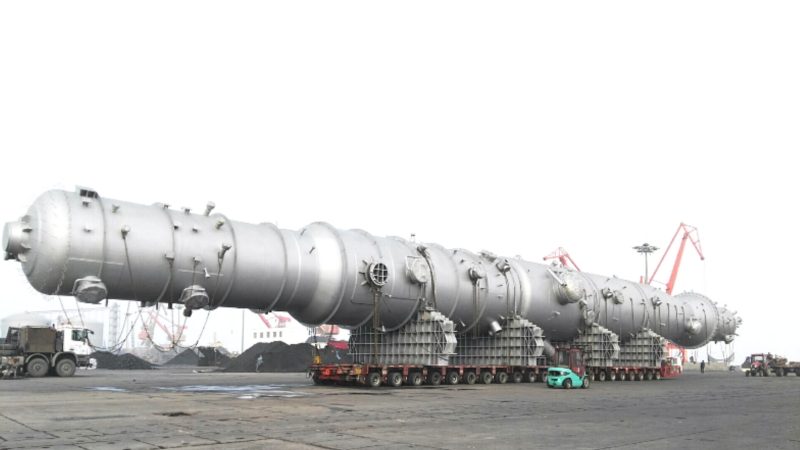
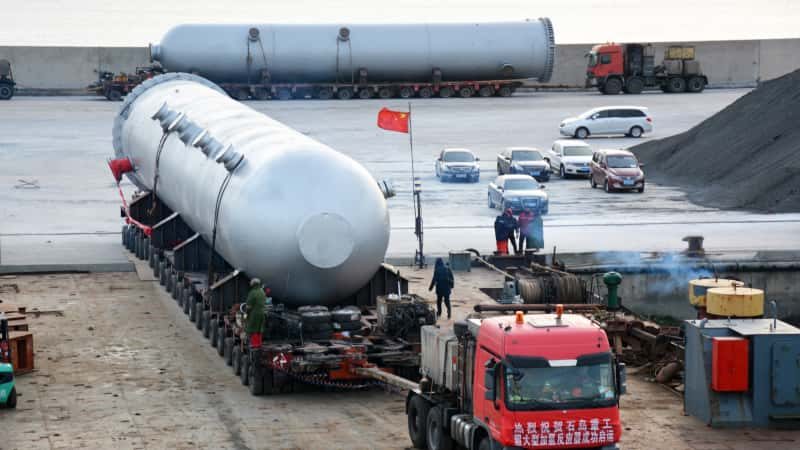
In modular execution, vessel and exchanger dimensions must fit not only process requirements but also module layout, lifting limits, transport route and installation plan. Weight, center of gravity, lifting lugs, saddle supports and preservation methods should be reviewed before fabrication release.
Manufacturing and Quality Control Considerations
A diesel hydrotreating equipment package requires strict fabrication control. Key manufacturing steps may include material procurement, plate forming, welding, heat treatment if required, dimensional inspection, non-destructive examination, pressure testing, coating and packing.
For refinery upgrade projects, documentation quality is also critical. EPC buyers may need material certificates, welding records, NDE reports, pressure test reports, coating reports, inspection release notes and packing lists.
WSHI can support pressure vessel manufacturing based on drawings, datasheets and agreed inspection requirements for refinery, petrochemical and chemical engineering projects.
Common Procurement Mistakes
| Mistake | Why it creates risk | Better RFQ approach |
|---|---|---|
| Focusing only on the reactor | Separators, exchangers and drums may be underdefined | List all major pressure equipment and heat transfer items |
| Using vague battery limits | Scope exclusions appear after price comparison | Provide an equipment-by-equipment scope matrix |
| Changing nozzles late | Causes rework, reinspection and coating repair | Freeze module interfaces before fabrication release |
| Treating modular delivery as a shortcut | Module fit, lifting and transport conflicts appear too late | Coordinate process, mechanical, piping and logistics early |
Conclusion
Modular diesel hydrotreating unit equipment requires careful coordination between process design, pressure vessel fabrication, heat exchanger manufacturing, separator selection and project logistics. For EPC buyers, the strongest RFQ defines the complete equipment boundary: reactors, separators, heat exchangers, process drums, inspection, coating, documentation and delivery.
If you are planning a refinery upgrade, diesel hydrotreating, petrochemical or hydrogen-related process project, you can share drawings, datasheets, operating conditions and delivery requirements with WSHI. Our team can support early communication for fabrication feasibility, quality control planning and project delivery review. You can discuss your project requirements with our engineering team.
FAQ
What equipment is used in a diesel hydrotreating unit?
Typical equipment may include hydrotreating reactor vessels, heat exchangers, high-pressure and low-pressure separators, process drums, hydrogen-related vessels and supporting refinery pressure equipment.
Why are pressure vessels important in diesel hydrotreating?
Pressure vessels handle hydrogen-rich, hydrocarbon or separated process streams under defined pressure and temperature conditions. Their design, fabrication and inspection must follow project specifications and applicable standards.
What should EPC buyers include in a hydrotreating equipment RFQ?
A strong RFQ should include drawings, datasheets, process conditions, materials, corrosion allowance, applicable code, inspection scope, coating requirements, documentation list and delivery terms.
Are modular hydrotreating units easier to procure?
Modular execution can reduce site work, but it requires earlier coordination of equipment size, nozzle orientation, supports, inspection documents, lifting and transport requirements.
Can heat exchangers be supplied with refinery pressure vessels?
Yes, heat exchangers may be coordinated with reactors, separators and process vessels as part of a refinery equipment package, based on drawings, datasheets and agreed technical scope.