Plant reliability equipment planning helps refinery, petrochemical, chemical, and energy facilities decide when existing pressure vessels, heat exchangers, process columns, and large storage tanks should be inspected, repaired, upgraded, or replaced. For EPC buyers and maintenance project teams, the issue is not simply buying a new vessel. The real task is connecting inspection findings, operating history, corrosion risk, shutdown windows, fabrication lead time, quality control, and delivery planning into a practical replacement strategy.
For WSHI’s manufacturing scope, the focus should stay on complete project equipment: pressure vessels, separators, heat exchangers, process columns, and large industrial storage tanks above 1,000 liters. Small components, internals, nozzles, instruments, or accessories should be discussed only as part of a complete equipment replacement boundary.
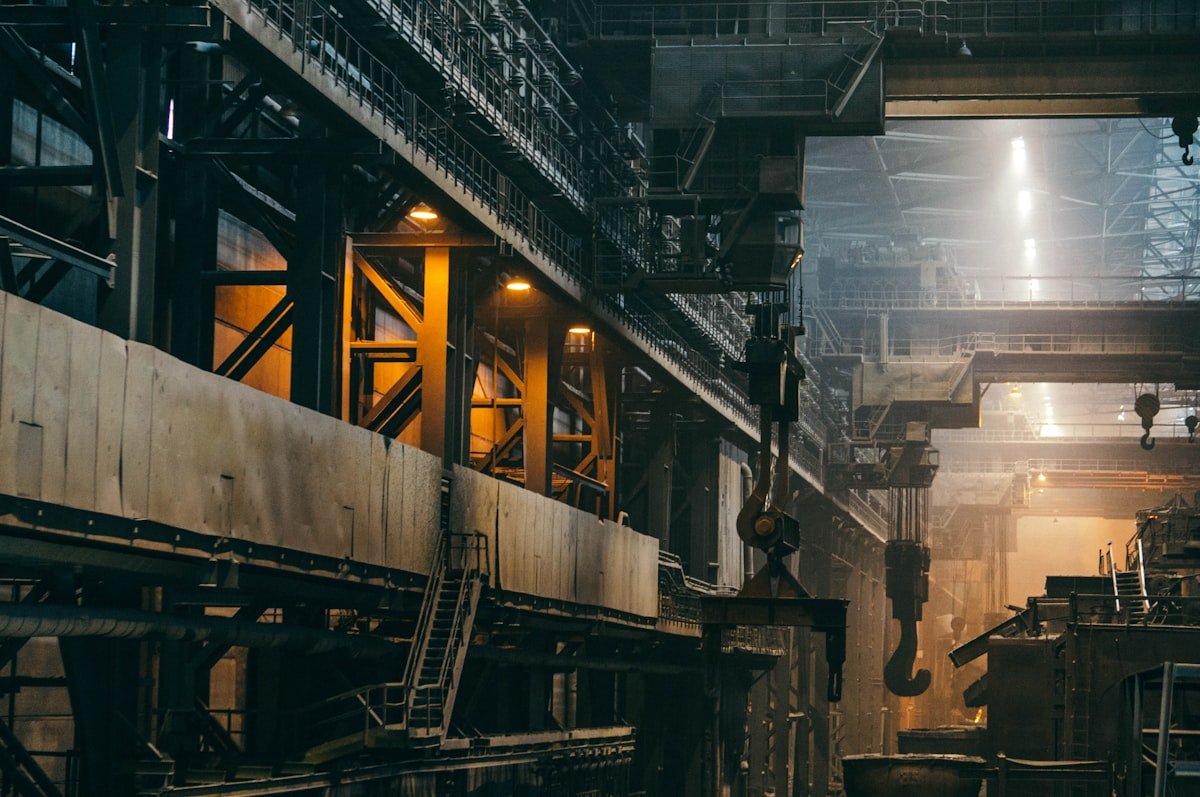
Plant reliability remains a current industry topic. The PRIME Expo 2026 in Pasadena, Texas focused on plant reliability, inspection, maintenance, engineering, and operational excellence for refineries, petrochemical facilities, chemical plants, and energy sites. Its audience includes plant managers, maintenance teams, inspection professionals, engineers, and supply chain decision-makers, reflecting a broad priority: keeping large process plants safe, available, and efficient.
Plant reliability equipment planning is only a maintenance department activity.False
Reliability planning often affects EPC procurement, inspection scope, replacement timing, fabrication lead time, coating, documentation, transport, and shutdown execution.
Replacement RFQs should connect inspection findings with complete equipment scope.True
A useful RFQ should include drawings, datasheets, inspection findings, materials, pressure and temperature conditions, coating requirements, NDE, testing, delivery date, and site interfaces.
Why Plant Reliability Equipment Planning Matters
Reliability planning often leads to practical procurement questions: which pressure vessels should be replaced during the next shutdown, whether an existing heat exchanger should be repaired or replaced, whether a corroded column should be replaced as a complete tower, how early large tanks or vessels should be ordered before a turnaround, and what documents should be prepared before requesting a quotation.
These questions are directly relevant to custom pressure vessels, industrial heat exchangers, process towers and columns, and large industrial tanks.
What Equipment Should Reliability Teams Review?
Pressure Vessels and Separators
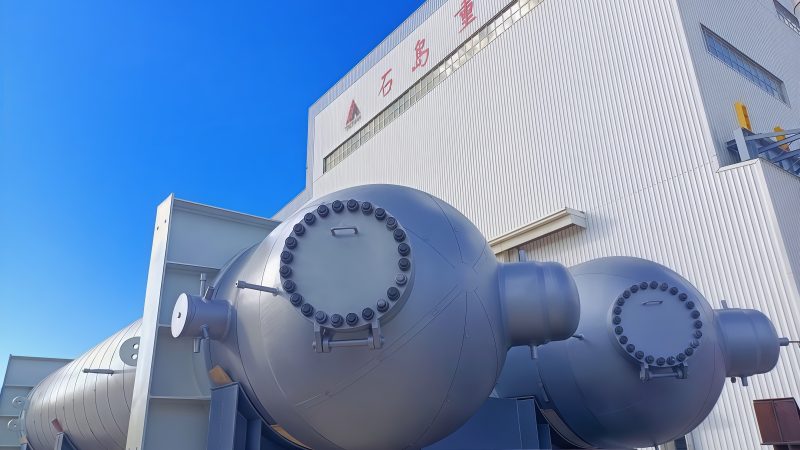
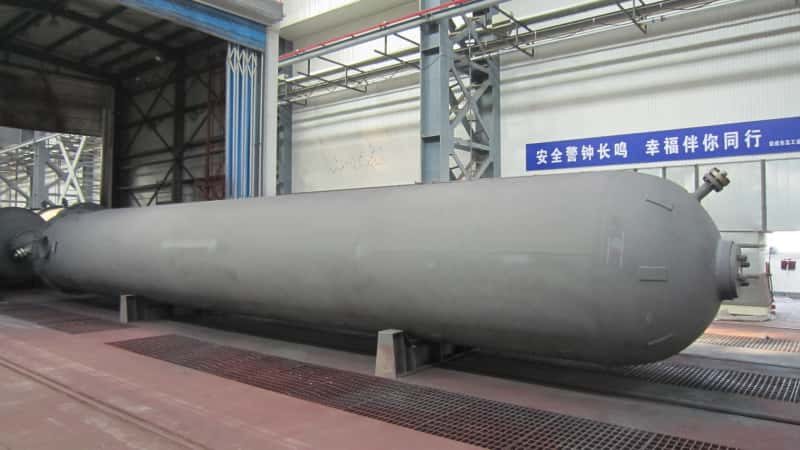
Pressure vessels in refineries and petrochemical plants may include separators, drums, reactors, accumulators, knock-out vessels, surge vessels, and buffer vessels. These vessels can be exposed to pressure cycling, temperature changes, corrosive media, wet gas, sour service, hydrocarbons, chemicals, or high-temperature operation.
When inspection findings indicate thinning, cracking, deformation, repeated repair history, nozzle issues, or changing process duty, maintenance teams may need to evaluate whether replacement is safer and more economical than continued repair. The final decision should be made by the owner, qualified inspection personnel, and engineering authority according to applicable rules and site procedures.
Heat Exchangers
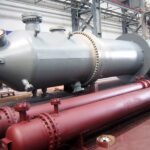
Heat exchangers are common sources of reliability problems because they may suffer from fouling, corrosion, tube leakage, vibration, pressure drop increase, and thermal fatigue. In refinery and petrochemical maintenance planning, shell and tube heat exchangers are often reviewed during turnaround planning.
Replacement may be considered when the exchanger has repeated leakage, inadequate duty, obsolete materials, difficult cleaning access, or changed operating conditions. Buyers should prepare heat duty, process fluid data, operating pressure, temperature, fouling tendency, material requirements, inspection expectations, and connection dimensions before RFQ.
Process Towers and Columns
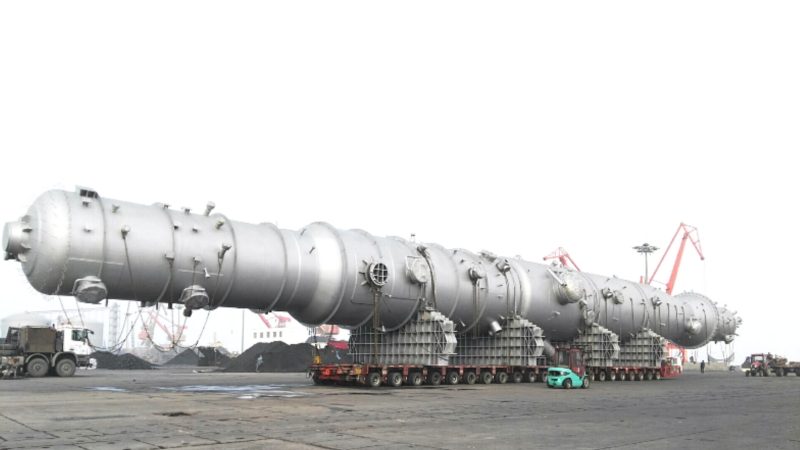
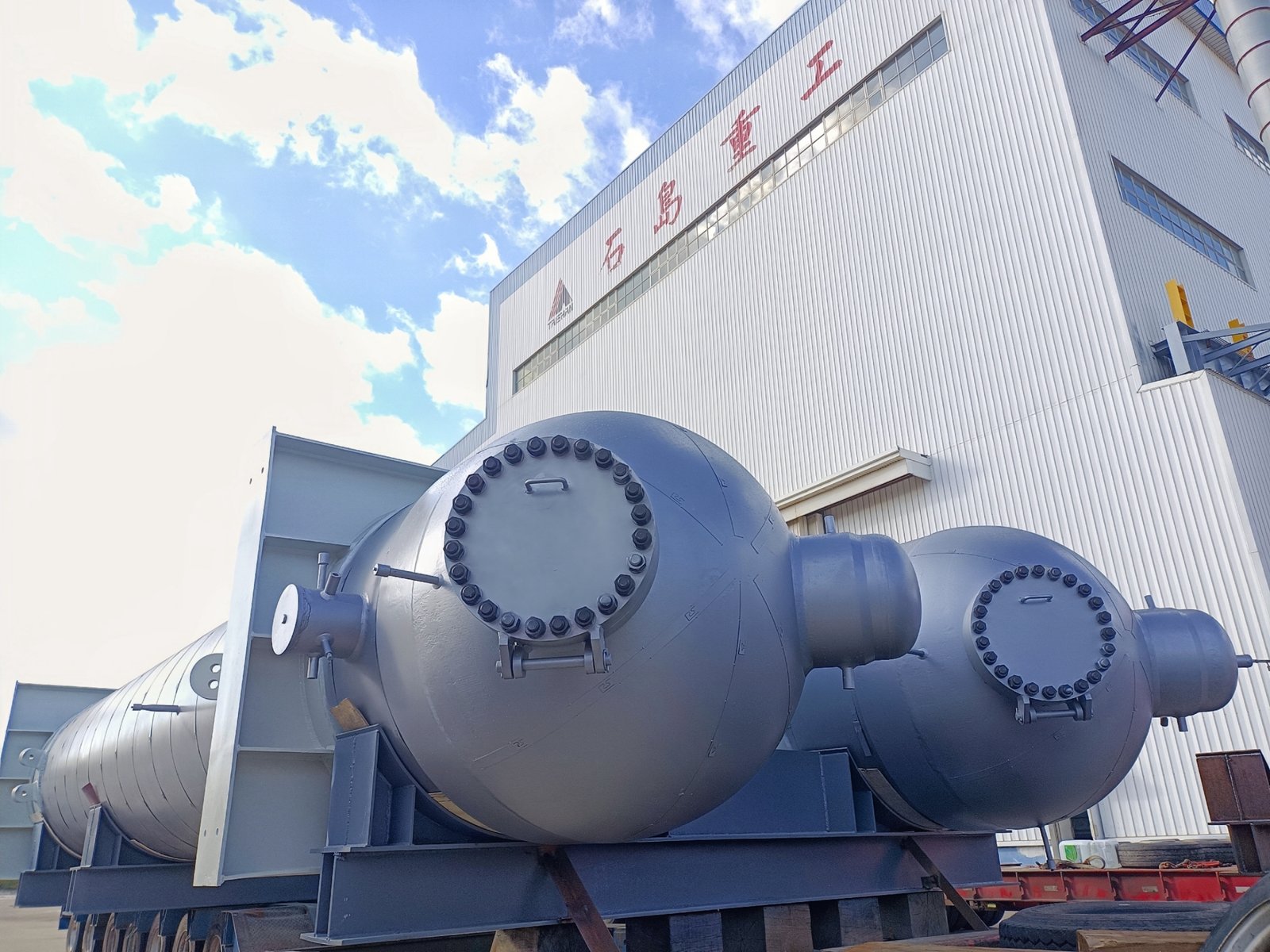
Columns are critical in distillation, absorption, stripping, scrubbing, fractionation, and recovery sections. Reliability problems may involve shell corrosion, tray or packing performance concerns, nozzle damage, lining failure, support settlement, or changed process requirements.
For WSHI’s equipment scope, internals should not be treated as standalone procurement items. The proper SEO and buyer focus is the complete column or tower package, including pressure boundary, materials, welding, testing, surface treatment, documentation, and delivery.
Large Storage Tanks
Large storage tanks above 1,000 liters may support feedstock, intermediate products, finished products, wastewater, chemicals, or utility systems. Reliability planning should consider corrosion, coating condition, foundation settlement, roof condition, leakage history, inspection findings, product change, and site expansion needs.
For tank-related projects, buyers can review industrial storage tanks and define the medium, capacity, material, coating, lining, inspection, delivery, and installation boundary clearly.
When Should Replacement Be Considered?
Replacement may be considered when equipment has repeated failures, inspection findings show unacceptable damage, repair cost is too high, materials no longer match the service, process capacity has changed, or the equipment cannot meet the next operating cycle safely.
ASME background on modern techniques for inspecting high-pressure vessels notes that nondestructive examination techniques can help assess high-pressure vessels and support fitness-for-service discussions. API’s API 510 Pressure Vessel Inspector program is also related to in-service pressure vessel inspection knowledge. These references are useful background, but they do not replace project-specific inspection, engineering assessment, or regulatory review.
EPC buyers should use inspection reports as one input, not as a quotation by themselves. A replacement RFQ still needs datasheets, drawings, materials, applicable standards, NDE scope, pressure testing, coating requirements, delivery terms, and documentation requirements.
| Reliability Trigger | Procurement Question | RFQ Impact |
|---|---|---|
| Wall thinning or corrosion | Can the next operating cycle be supported safely? | May require material upgrade, corrosion allowance, lining, or full replacement review |
| Repeated heat exchanger leakage | Is repair or replacement more practical for uptime? | Requires thermal duty, tube material, inspection history, and cleaning access review |
| Column shell or lining damage | Is a complete column section or new tower needed? | Requires dimensional, transport, nozzle, support, and site installation planning |
| Tank coating failure | Can coating repair support the product and service life? | Requires coating specification, surface preparation, inspection, and schedule review |
| Process duty change | Does the old equipment still match pressure, temperature, and capacity? | May require new datasheets, revised nozzles, material review, and updated documentation |
Key Planning Factors for EPC Buyers
Shutdown Window
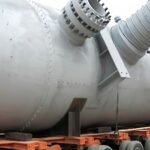
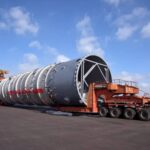
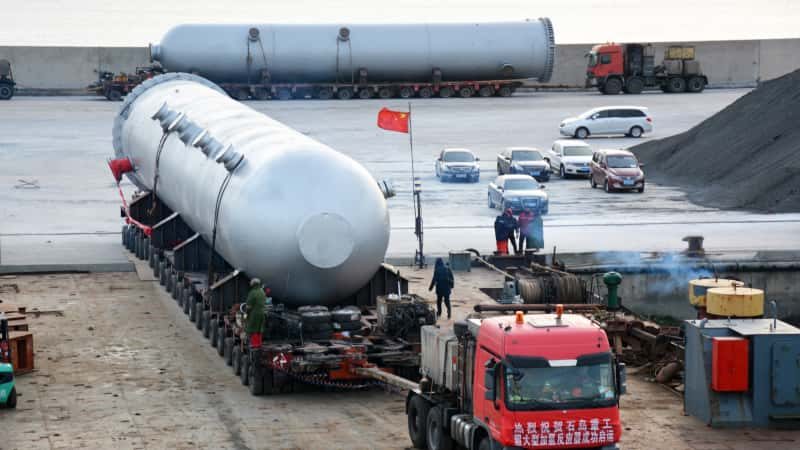
Refinery and petrochemical replacement projects are often tied to shutdowns or turnarounds. Missing the shutdown window can delay installation for months or longer. Large equipment should be ordered early enough to allow drawing review, material procurement, fabrication, NDE, pressure testing, coating, documentation, shipping, and site preparation.
Existing Equipment Data
The most useful replacement RFQ includes original drawings, nameplate information, inspection history, photos, process datasheets, current operating conditions, and required changes. If the replacement is not identical, buyers should highlight capacity increase, material upgrade, nozzle changes, support changes, or revised inspection requirements.
Material Upgrade
Reliability projects often involve material changes because the original material may not match the current corrosion environment. Material selection should consider process media, temperature, pressure, water content, chlorides, sulfur compounds, acids, cleaning chemicals, and owner specifications. Final decisions should be confirmed by qualified engineering and corrosion review.
Fabrication and Quality Control
A practical replacement project should review whether the manufacturer can support drawing deepening, material procurement, welding, dimensional inspection, NDE, pressure testing, coating or lining, final documentation, and large equipment delivery.
As a large-scale pressure vessel manufacturer, WSHI focuses on complete project equipment manufacturing for refinery, petrochemical, chemical, oil and gas, environmental, and new energy applications. Buyers can also download the pressure vessel catalog when preparing early replacement lists.
RFQ Checklist for Reliability Replacement Equipment
| RFQ Item | Information to Prepare |
|---|---|
| Existing equipment records | Old drawings, nameplate data, photos, inspection findings, repair history, operating history |
| Process conditions | Current datasheet, pressure, temperature, medium composition, flow conditions, process changes |
| Mechanical changes | Nozzle orientation, support changes, capacity changes, material upgrades, coating or lining updates |
| Inspection and testing | NDE scope, pressure test, third-party inspection, hold points, acceptance criteria, documentation |
| Shutdown and logistics | Required delivery date, site lifting limits, transport restrictions, packing, preservation, installation boundary |
Common Procurement Mistakes
One common mistake is waiting until the shutdown is near before starting replacement procurement. Large pressure vessels, columns, tanks, and heat exchangers may require long-lead materials and heavy fabrication time.
Another mistake is requesting a quotation with only the old equipment name. A replacement vessel may need different materials, revised nozzles, updated inspection scope, improved coating, or new site interface requirements.
A third mistake is focusing only on repair cost. In some cases, repeated repair, downtime, reduced performance, and inspection burden may make replacement more practical over the next operating cycle.
A fourth mistake is purchasing small components separately without defining the complete equipment boundary. Reliability replacement should focus on finished pressure vessels, heat exchangers, columns, and tanks that can be integrated into the plant.
FAQ
What is plant reliability equipment planning?
It is the process of reviewing critical plant equipment, inspection results, operating history, replacement needs, shutdown timing, and procurement scope to support safe and reliable operation.
Which equipment is commonly reviewed in refinery reliability projects?
Common equipment includes pressure vessels, separators, drums, heat exchangers, process columns, reactors, and large storage tanks.
When should a pressure vessel be replaced instead of repaired?
Replacement may be considered when damage is severe, repair history is repeated, material is no longer suitable, process conditions have changed, or replacement is more practical for the next operating cycle. The final decision should follow qualified inspection and engineering review.
What should be included in an equipment replacement RFQ?
The RFQ should include drawings, datasheets, inspection findings, pressure and temperature conditions, medium composition, material requirements, code, NDE, pressure testing, coating, delivery schedule, and documentation requirements.
Can replacement equipment be upgraded from the original design?
Yes, but upgrades should be reviewed carefully. Changes to material, capacity, nozzle orientation, coating, inspection scope, or dimensions must be confirmed against process requirements and site interfaces.
Conclusion
Plant reliability equipment planning should connect inspection results with practical procurement decisions. Pressure vessels, heat exchangers, process columns, and large storage tanks all affect refinery and petrochemical uptime, safety, maintenance cost, and turnaround execution.
If you are preparing a refinery maintenance, petrochemical turnaround, chemical plant reliability, or equipment replacement project, you can discuss your project requirements with WSHI. Sharing existing drawings, inspection findings, datasheets, operating conditions, material requirements, coating specification, inspection scope, and delivery schedule will help support feasibility review for custom pressure vessels, heat exchangers, process columns, and large industrial storage tanks.