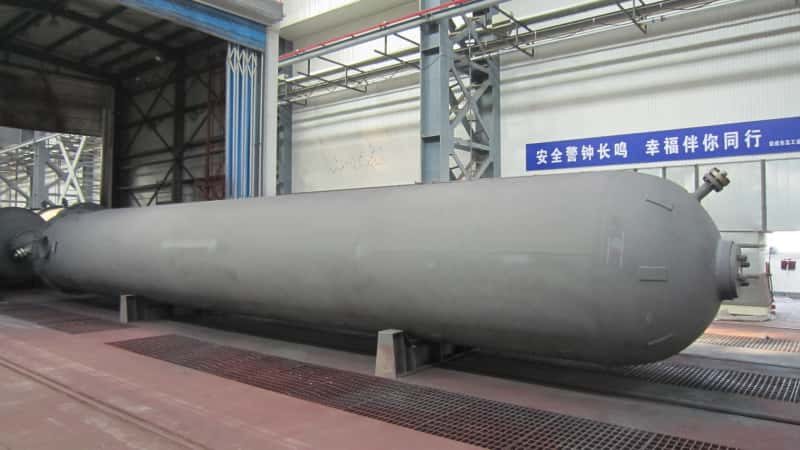

For EPC contractors, project owners and overseas industrial buyers, pressure vessel procurement does not end when fabrication is complete. The final documentation package is often just as important as the vessel itself. Material certificates, welding records, nondestructive testing reports, pressure test records, dimensional inspection documents and final data books help buyers review traceability, quality control and project handover requirements.
This guide explains what documents EPC buyers should request when ordering custom pressure vessels for chemical, petrochemical, oil and gas, fertilizer, new energy and environmental engineering projects. It focuses on complete pressure vessel procurement, not small parts, accessories or individual component supply.

Pressure vessel documentation requirements should be defined during RFQ and purchase order review.True
Many records are created during material procurement, welding, inspection, testing and coating, so late document requests can create missing records or project delays.
A pressure vessel data book is only administrative paperwork and does not affect project handover.False
The data book supports traceability, inspection review, owner handover, maintenance planning, import or export documentation and future repair review.
Why Pressure Vessel Documentation Matters
Pressure vessels operate under pressure and may contain flammable, toxic, corrosive or high-temperature media. For EPC projects, documentation helps confirm that the vessel was fabricated according to approved drawings, material requirements, welding procedures, inspection plans and project specifications.
A complete document package can support:
- Owner review and project handover
- Third-party inspection
- Import or export documentation
- Site installation preparation
- Maintenance planning
- Future repair or replacement review
- Quality traceability
When buyers source custom pressure vessels, they should confirm documentation requirements during the RFQ stage. Waiting until shipment can create missing records, unclear responsibilities or project delays.
Core Documents EPC Buyers Should Request
| Document | What it confirms | When to define it |
|---|---|---|
| Approved drawings and datasheets | Dimensions, design pressure, temperature, materials, nozzles, supports and test requirements | Before fabrication release |
| Material certificates | Material grade, heat number, chemical composition, mechanical properties and traceability | Before or during material procurement |
| Welding documentation | WPS, PQR, welder qualification, weld map and weld traceability where required | Before welding starts |
| NDT reports | Inspection method, percentage, acceptance criteria, results and witness requirements | Before inspection and test plan approval |
| Pressure or leak test records | Test medium, pressure, holding time, result and witness information | Before final testing |
| Dimensional inspection report | Overall size, nozzle positions, supports, orientation and project-specific dimensions | During final inspection |
| Coating or surface treatment records | Surface preparation, coating system, dry film thickness and inspection results | Before coating begins |
Approved Drawings and Datasheets
The final approved drawing should show the vessel dimensions, design pressure, design temperature, material, thickness, supports, nozzles, lifting points and testing requirements. The datasheet should match the agreed process and mechanical conditions.
For large custom vessels, buyers should also confirm revision control. The final document package should make clear which drawing revision was used for fabrication.
Material Certificates
Material certificates help confirm the traceability of plates, forgings, pipes, flanges and other pressure boundary materials used in the vessel. Buyers should request material certificates according to project specifications and applicable code requirements.
For chemical or high-pressure applications, material traceability is especially important. The certificate should align with the material grade, heat number and purchase specification used in production.
Welding Documentation
Welding records may include welding procedure specifications, procedure qualification records, welder qualification records and weld maps, depending on project requirements. These documents help connect weld locations with welding processes, welders and inspection records.
For pressure vessels used in petrochemical, fertilizer, hydrogen, LPG or corrosive service, welding documentation should be agreed before production. Buyers can review petrochemical pressure vessels and related fabrication requirements as part of a wider procurement plan.
NDT Reports
Nondestructive testing reports may include radiographic testing, ultrasonic testing, magnetic particle testing, penetrant testing or other inspection records, depending on the project and applicable standard.
EPC buyers should confirm the NDT method, inspection percentage, acceptance criteria, testing stage, reporting format and third-party witness requirements before fabrication begins. NDT requirements should not be added casually after fabrication because they may affect production planning, cost and schedule.
Pressure Test and Leak Test Records
Pressure test records are central documents for pressure vessel delivery. Depending on the equipment and project specification, testing may include hydrostatic testing, pneumatic testing, leak testing or other approved methods.
The pressure test report should normally identify the test medium, test pressure, holding time, inspection result and witness information where applicable. Final requirements must follow project specifications and applicable standards.
Dimensional Inspection Report
Dimensional inspection helps confirm that the vessel matches the approved drawing. This can include overall length, diameter, thickness, nozzle position, support spacing, flange orientation and other project-specific dimensions.
For EPC projects, dimensional accuracy matters because errors can affect piping connection, lifting, skid installation or site assembly.
Surface Treatment and Coating Records
If the vessel requires blasting, painting, lining or external coating, the document package should include coating-related records. These may include surface preparation grade, paint system, dry film thickness and inspection results.
For outdoor, coastal, chemical plant or export service, coating records help buyers verify that surface protection was handled according to specification.

What Is Usually Included in a Pressure Vessel Data Book?
A pressure vessel data book is a compiled document package prepared for project handover. The exact content depends on contract requirements, design code, inspection plan and customer specifications.
| Data book section | Typical records |
|---|---|
| Engineering basis | Final approved drawings, equipment datasheet, nameplate information and revision history |
| Material control | Material certificates, heat number traceability and approved material lists where required |
| Welding control | WPS, PQR, welder qualifications, weld maps and heat treatment records where applicable |
| Inspection and testing | NDT reports, pressure test report, leak test records and dimensional inspection report |
| Surface protection | Blasting, coating, lining, dry film thickness and inspection records where applicable |
| Delivery handover | Packing list, certificate or conformity documents, export documents and final document index |
Buyers should define the required data book format before order confirmation. Some projects require electronic files, printed copies, stamped documents or bilingual documentation for export delivery.
Documents for Heat Exchangers, Towers and Storage Vessels
Pressure vessel documentation principles also apply to related custom equipment, but the details may differ.
For industrial heat exchangers, buyers may also request tube-to-tubesheet inspection records, pressure test records for each side, dimensional reports and heat exchanger-specific drawings.
For process towers and columns, documentation may focus on large shell fabrication, weld inspection, dimensional control, lifting points, nozzle orientation and site installation requirements.
For industrial storage tanks, buyers should confirm whether the tank is atmospheric, low-pressure or pressure-containing. Documentation requirements will vary accordingly. Storage tank content should remain focused on industrial project tanks above 1,000 liters.
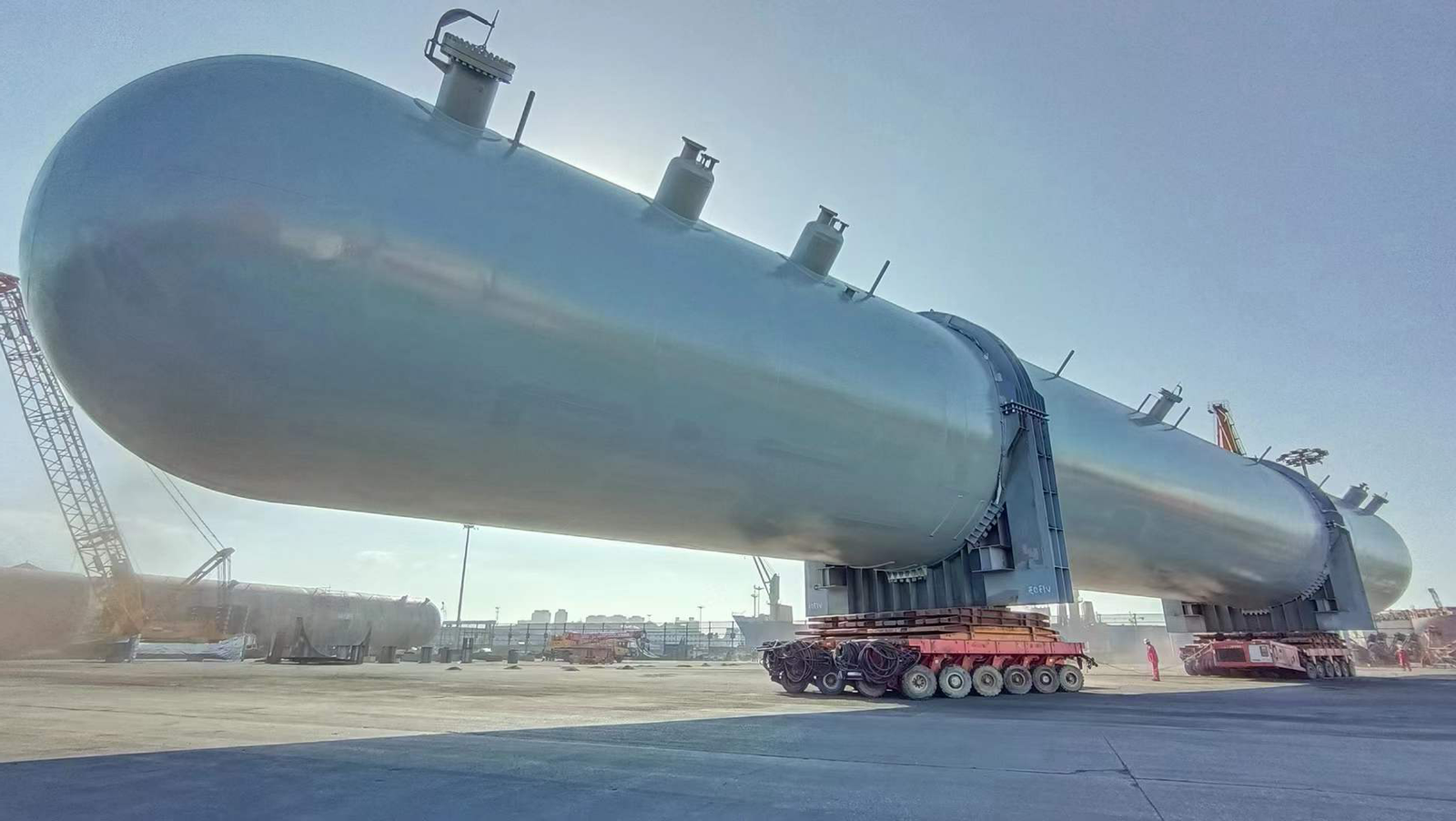
RFQ Checklist: Documentation Requirements to Define Early
- Applicable design code
- Required drawing approval process
- Material certificate requirements
- Welding documentation requirements
- NDT method and percentage
- Pressure test or leak test requirements
- Third-party inspection requirements
- Data book format and language
- Number of hard copies and electronic copies
- Nameplate requirements
- Packing and shipping documents
- Export documentation requirements
- Final document submission schedule
If documentation is important for owner handover, customs clearance or site installation, it should be included in the purchase specification and commercial scope.
Common Documentation Mistakes
Asking for Documents After Shipment
Some documents must be prepared during material procurement, welding, inspection or testing. If buyers wait until shipment, it may be difficult to recreate missing records.
Not Defining the Data Book Format
Different projects may require different formats. Some owners need a formal manufacturing record book, while others need selected certificates and reports. The format should be agreed early.
Ignoring Revision Control
A vessel may go through multiple drawing revisions. The final package should clearly identify the approved revision used for fabrication.
Treating Documentation as Administrative Work Only
Documentation is part of quality control. Missing documents can affect project handover even when the vessel itself is complete.
How a Manufacturer Supports Documentation Control
A capable pressure vessel manufacturer should coordinate documentation across engineering, material procurement, fabrication, welding, inspection, testing, coating and delivery teams. This is especially important for project-based custom equipment, where each vessel may have different operating conditions and documentation requirements.
WSHI supports large custom pressure vessel manufacturing, welding, nondestructive testing, pressure testing, coating and export delivery coordination. Buyers can also download the pressure vessel catalog before preparing a detailed inquiry.
Further Reading
FAQ
What documents should be included with a custom pressure vessel?
Common documents may include approved drawings, datasheets, material certificates, welding records, NDT reports, pressure test records, dimensional inspection reports, coating reports and a final data book.
What is a pressure vessel data book?
A pressure vessel data book is a compiled handover package that records design, material, fabrication, inspection, testing and delivery information for the completed vessel.
When should EPC buyers define documentation requirements?
Documentation requirements should be defined during RFQ and purchase order review, before material procurement and fabrication begin.
Are NDT reports always required?
NDT requirements depend on the design code, vessel service, project specification and inspection plan. Buyers should confirm the method and scope before fabrication.
Can documentation requirements differ by project?
Yes. Requirements may differ by owner, design code, region, inspection agency, export destination and equipment type.
Conclusion
Pressure vessel documentation helps EPC buyers verify traceability, inspection records, testing, coating and final delivery readiness. Buyers should request the required documentation package before order confirmation and align it with project specifications, applicable standards and owner handover requirements.
If you are sourcing custom pressure vessels, heat exchangers, process towers, separators or large storage equipment for an EPC project, you can share drawings, datasheets, documentation requirements and delivery terms with our engineering team. WSHI can support manufacturing feasibility review and documentation planning for complete custom pressure equipment.