
Two suppliers can quote the same pressure vessel and still offer substantially different equipment and responsibilities. One proposal may include the specified material condition, inspection scope and export preparation, while another relies on alternative materials or excludes important deliverables. For EPC buyers, pressure vessel quotation comparison should therefore begin with technical alignment, not price ranking. A structured deviation review helps identify what each supplier has actually offered and what must be resolved before placing an order.
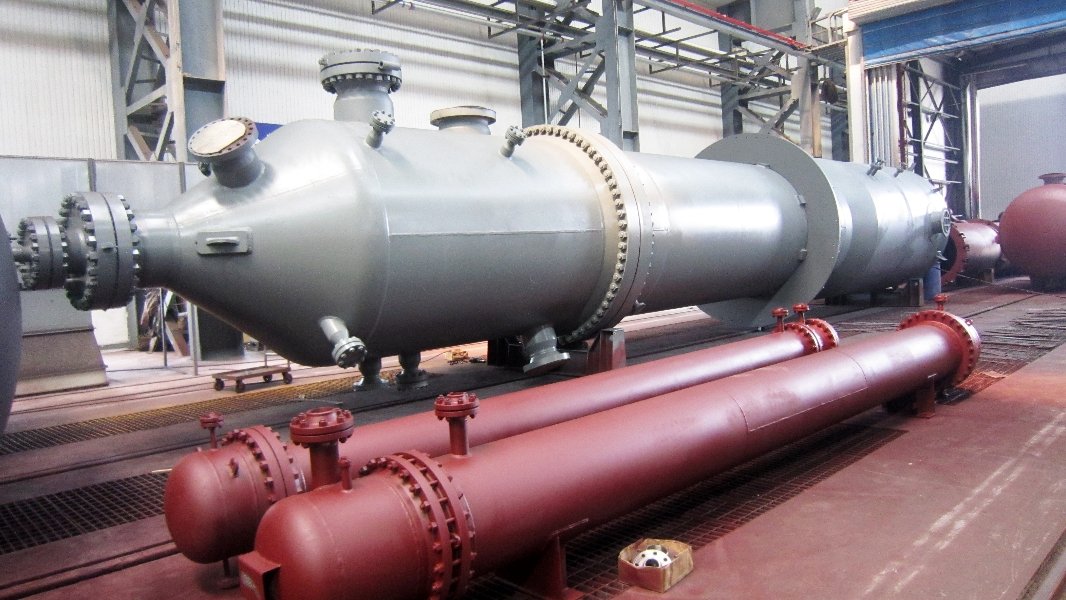
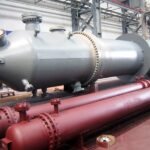
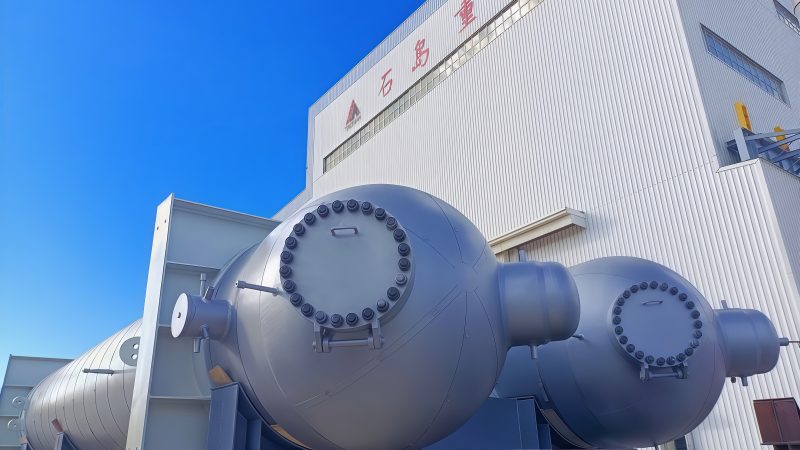
Representative fabrication workshop. Comparable quotations require a common engineering, manufacturing and inspection basis.
What Counts as a Technical Deviation?
A technical deviation is a stated departure from a purchasing requirement. It may concern the design basis, materials, manufacturing method, inspection scope, documentation or equipment configuration. A deviation is not automatically unacceptable, but it requires a documented decision by the appropriate technical authority.
Distinguish deviations from exclusions, assumptions and clarification requests. An exclusion removes something from the supplier’s scope. An assumption fills an information gap, potentially changing the design basis. A clarification request asks the buyer to resolve uncertainty. These categories can have different consequences even when they appear together in a quotation.
For custom pressure vessels, silence should not be treated as reliable confirmation that every requirement is included. Request an explicit compliance statement and a consolidated list of departures, supported by the detailed proposal.
Establish One Document Baseline
Before comparing bids, confirm that every supplier received the same datasheet, drawings, project specifications and enquiry addenda. Record document numbers and revisions. A technically reasonable quotation based on an outdated datasheet is still unsuitable for direct comparison with a bid based on the current requirements.
The enquiry should also establish how conflicting documents will be resolved. A general project specification, equipment datasheet and preliminary drawing may contain inconsistent information. Refer those conflicts to the responsible engineer instead of allowing suppliers to choose different interpretations.
Where ASME construction is required, identify the applicable section, division and edition rather than accepting an unspecified reference to “ASME design.” The ASME Boiler and Pressure Vessel Code resources distinguish editions and provide access to interpretations and other official information. Design-code selection and destination requirements remain project-specific decisions.
Use a Deviation Register That Supports Decisions
Create one register covering all bidders. Each entry should identify the equipment tag, requirement reference, supplier’s proposed departure, technical justification, price effect, schedule effect, responsible reviewer and final disposition. Retain the supplier’s exact wording alongside the buyer’s assessment.
Use clear statuses such as clarification required, accepted, accepted with conditions or rejected. A verbal explanation during a meeting should not close an item until the agreed position is recorded. Conditional acceptance should state the required evidence and when it must be provided.
The following review areas help organize the register. They are procurement checkpoints, not permission to waive engineering or regulatory requirements.
Compare the Design Basis Before Materials and Price
Check Conditions That Could Change the Vessel Design
Review design pressure, design temperature, minimum-temperature requirements, external-pressure or vacuum conditions, corrosion allowance and relevant load cases. Check whether the supplier has excluded cyclic-service evaluation or relied on operating conditions that differ from the enquiry.
A deviation affecting these inputs can change the vessel’s suitability. It should not be treated as a minor commercial adjustment simply because the supplier describes it as standard practice. Ask the responsible engineer to determine the consequences and request revised calculations or other evidence where appropriate.
Review Complete-Equipment Interfaces
Confirm vessel orientation, principal dimensions, support arrangements, connection locations and installation constraints against the approved requirements. For process towers and columns, a dimensional alternative may affect foundations, access structures, connected piping or transport.
These are complete-equipment interface questions. A cheaper vessel arrangement may transfer work to the site contractor, so the evaluation should identify the resulting engineering and installation costs rather than compare fabrication prices alone.
Assess Material Alternatives on Their Full Specification
Material names alone are insufficient for bid alignment. Compare the specified standard, grade, supply condition and any supplementary requirements. Where relevant, review thickness-related requirements, corrosion considerations and material certification expectations.
If a supplier proposes an alternative, request its technical basis and supporting documentation. Similar chemical composition or a familiar cross-reference table does not by itself establish equivalence for the actual design and service. Approval may require review of mechanical properties, toughness, weldability, availability and the applicable construction rules.
Separate an approved alternative from an unresolved procurement assumption. A proposal stating “equivalent material subject to availability” leaves a material decision open and may undermine both price and schedule certainty. Resolve the selection before authorizing the affected purchasing activity.
Align Inspection, Testing and Documentation
Compare More Than the Phrase “Standard Inspection”
Ask each bidder to identify the proposed examination methods, extent, acceptance basis and inspection responsibilities. Confirm required witness and hold points, third-party involvement and the treatment of project-specific requirements. Generic wording can conceal meaningful differences.
A pressure test is not interchangeable with nondestructive examination, material verification or other specified checks. Any proposed change needs review within the governing design and quality requirements. HSE’s pressure-equipment safety guidance emphasizes the importance of equipment suitability and known operating conditions; it should not be interpreted as a universal inspection specification for every jurisdiction.
Make Final Records Part of the Priced Scope
Confirm the required manufacturing record package, including applicable material records, welding documentation, examination reports, test records and approved drawings. Agree on language, format and submission timing where these matter to the project.
Documentation can affect shipment release, installation approval and eventual operation. A bid excluding required records is not equivalent to one including them. Certification or authorization claims should also be verified for their actual scope and validity rather than accepted from a general company description.
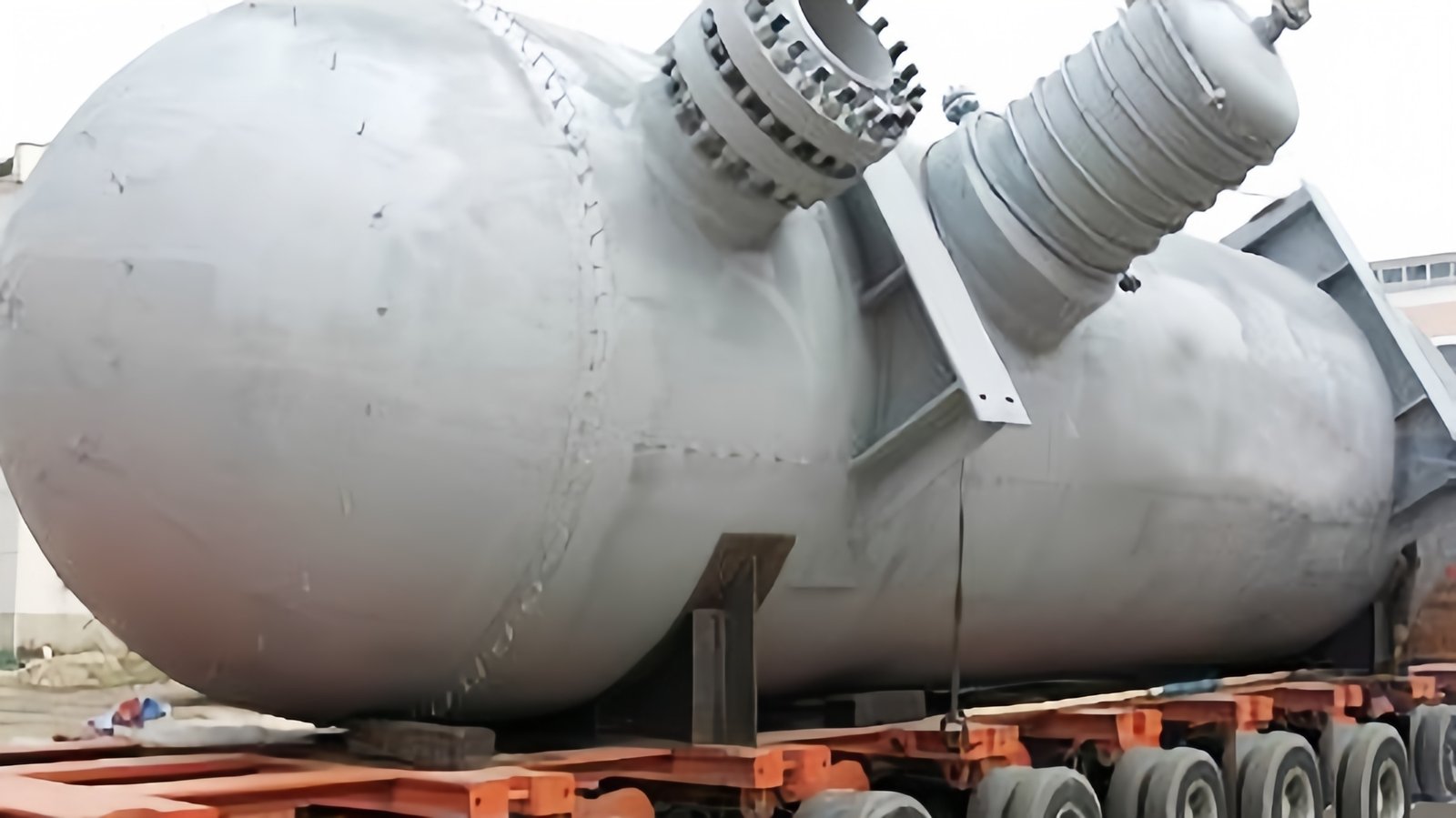
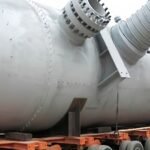
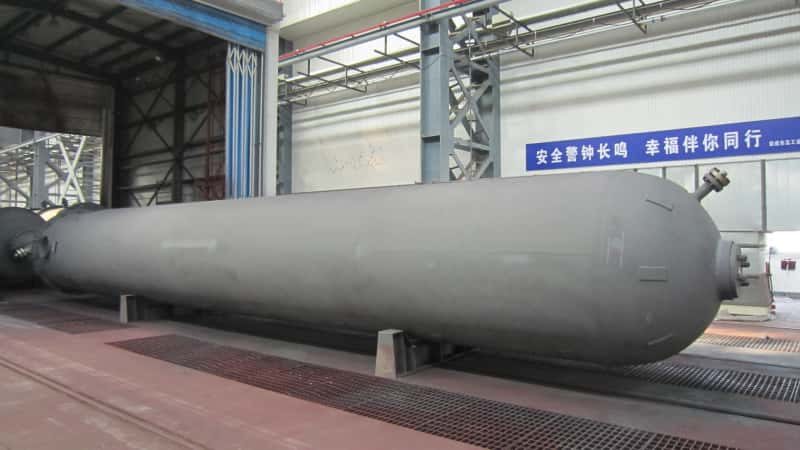
Representative complete vessel. Technical acceptance depends on the specified service and supporting documentation, not appearance alone.
Separate Fabrication Scope From Process Guarantees
Confirm whether the supplier is providing mechanical fabrication to approved information, mechanical design, process sizing or a broader equipment package. These responsibilities should not be inferred from the equipment name.
For example, a separator’s pressure-boundary conformity does not establish its separation performance across an undefined flow range. Likewise, a heat exchanger quotation may include mechanical fabrication without an independently developed thermal guarantee. The comparison should identify the party responsible for each performance commitment and the agreed test basis.
WSHI’s scope includes drawing development and engineering coordination, material procurement, welding, nondestructive examination, pressure testing where applicable, coating and heavy-equipment delivery. Buyers reviewing WSHI manufacturing capabilities should confirm which activities are included in the particular order and which remain with the EPC contractor or process designer.
Compare Delivery Assumptions and Schedule Triggers
Delivery periods may start from different events: purchase-order placement, receipt of payment, drawing approval or release of final technical information. Record the actual trigger and any assumed buyer review periods before ranking schedules.
Transport and preservation boundaries also need alignment. Factory collection, port delivery and delivery to the installation site involve different responsibilities. Confirm loading, packaging, preservation, shipping dimensions and the agreed delivery location. Applicable commercial terms should be reviewed by the project’s commercial and logistics teams.
A shorter schedule based on unapproved material substitution or omitted inspection is not a like-for-like advantage. Ask bidders to provide schedule and price revisions against the accepted technical scope.
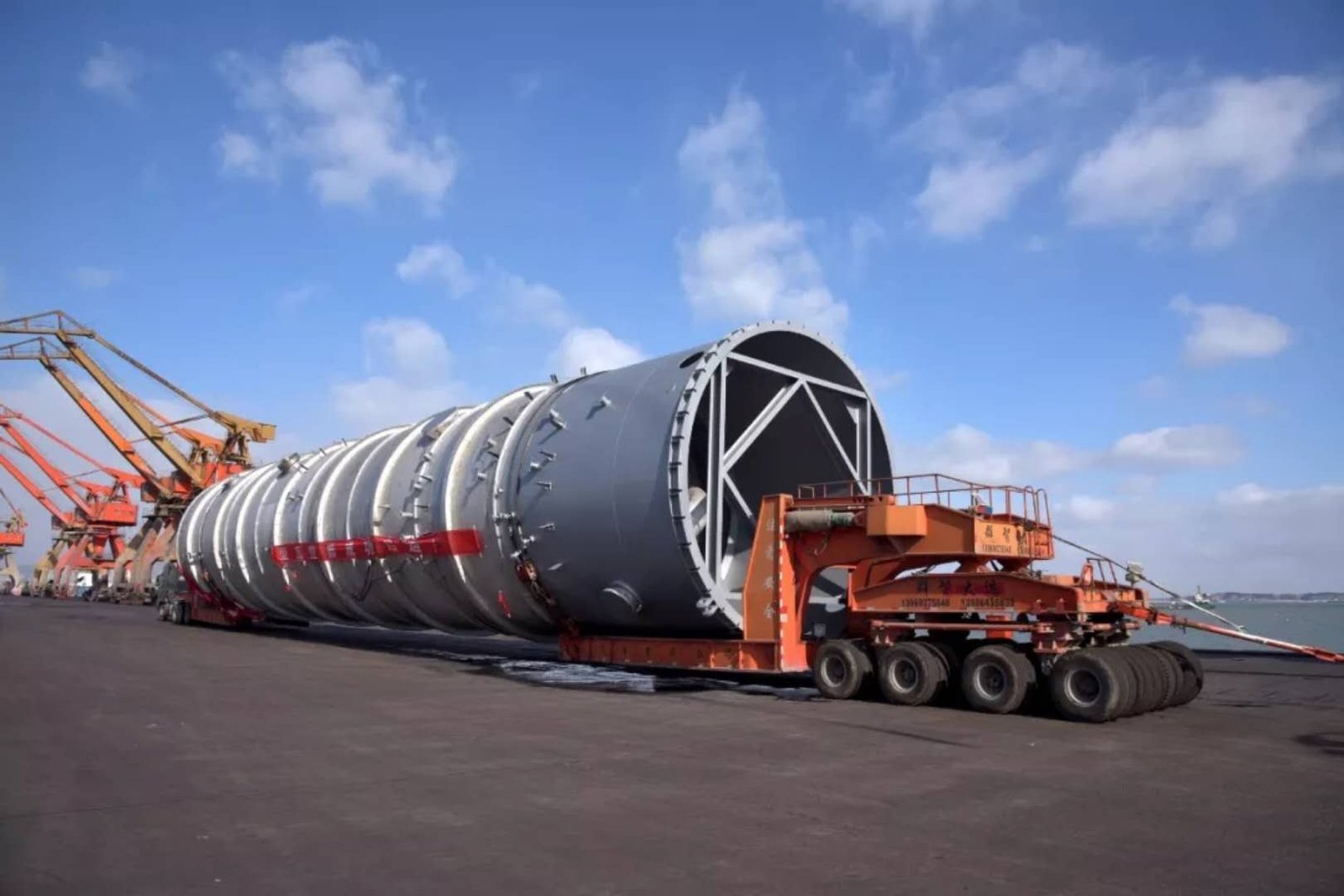
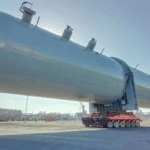
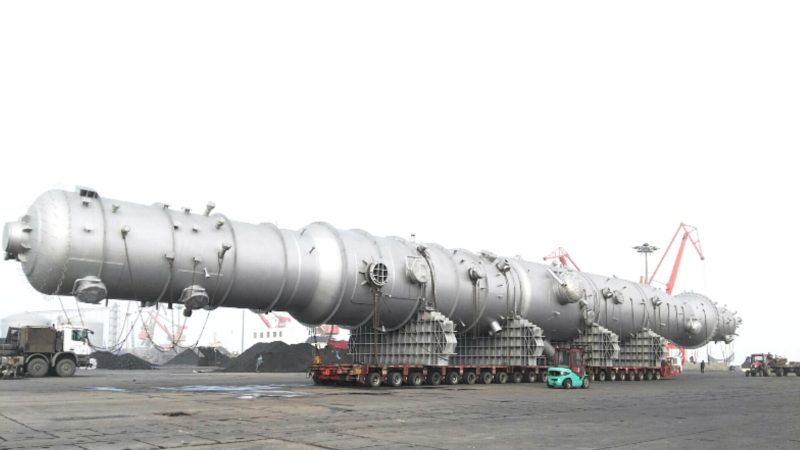
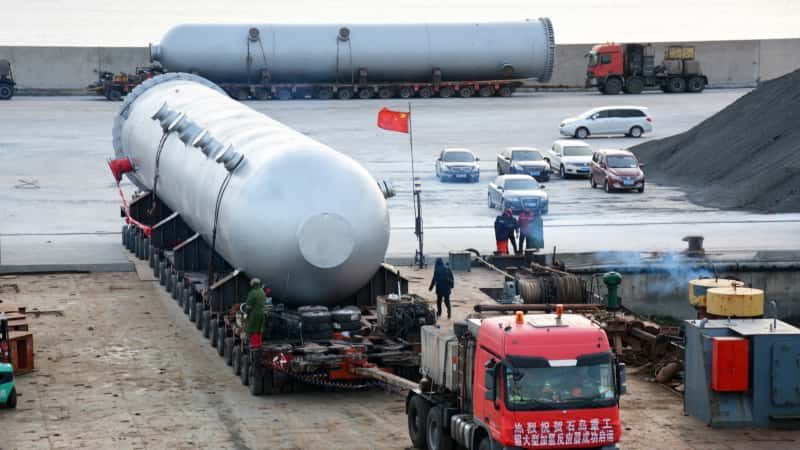
Representative large equipment. Delivery comparisons should include handling, transport constraints and the agreed supply boundary.
Close Deviations Before Award
First identify which offers are technically acceptable or can become acceptable through defined changes. Then compare their prices on a common basis. Where the buyer estimates the cost of an exclusion, label it as a buyer estimate rather than presenting it as a supplier commitment.
For example, a quotation excluding a required inspection activity should be revised to include it before final commercial comparison. If inclusion is impossible, the technical team must determine whether the offer remains eligible; assigning a nominal cost does not resolve a compliance gap.
The purchase order should incorporate the accepted deviation register, final specifications and agreed clarifications with a clear document hierarchy. Critical unresolved matters should not be hidden under “to be agreed after order.” Any authorized early work needs explicit boundaries and a change-control process.
FAQ
Is the quotation with the fewest deviations always best?
Not necessarily. Some departures are useful alternatives, while others affect essential requirements. Evaluate their substance and evidence rather than counting them.
Can procurement approve a cheaper alternative material?
Commercial personnel should not approve technical equivalence alone. The responsible engineer and any required reviewing authority must assess the proposed material.
Does “fully compliant” remove the need for a detailed review?
No. Check that the detailed proposal, exclusions and assumptions support that statement and refer to the correct document revisions.
What is the most important output of technical bid evaluation?
A documented, approved supply basis showing what will be delivered, which departures are accepted and who owns the remaining responsibilities.
Discuss Your Pressure Vessel Enquiry
Effective pressure vessel quotation comparison makes differences visible before they become manufacturing or site problems. If your project requires complete custom pressure vessels, separators or process columns, contact our engineering team with the current datasheets, project specifications and required delivery scope. A clearly defined enquiry supports a more useful discussion of fabrication, inspection, documentation and scheduling.