
A pressure vessel may arrive before its foundation, connected piping or installation crew is ready. When that happens, the period between delivery and installation becomes part of the equipment’s quality-management requirements. For EPC buyers, pressure vessel storage before installation should be addressed in the purchase specification, not left to informal arrangements after unloading. Storage duration, environmental exposure, preservation responsibilities and release checks all need a defined basis.
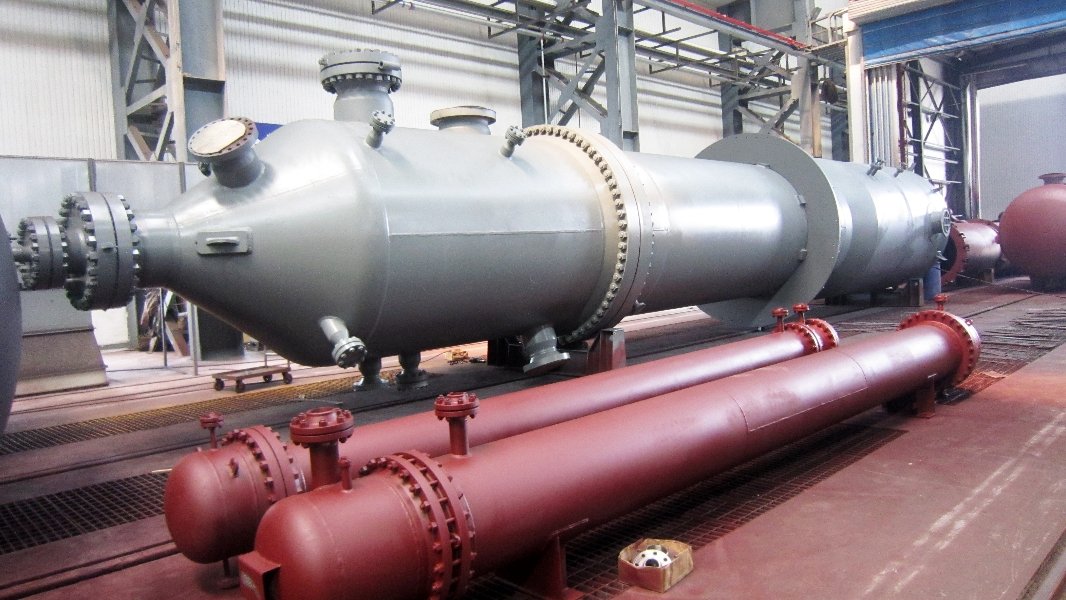
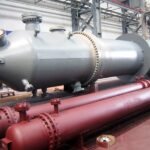
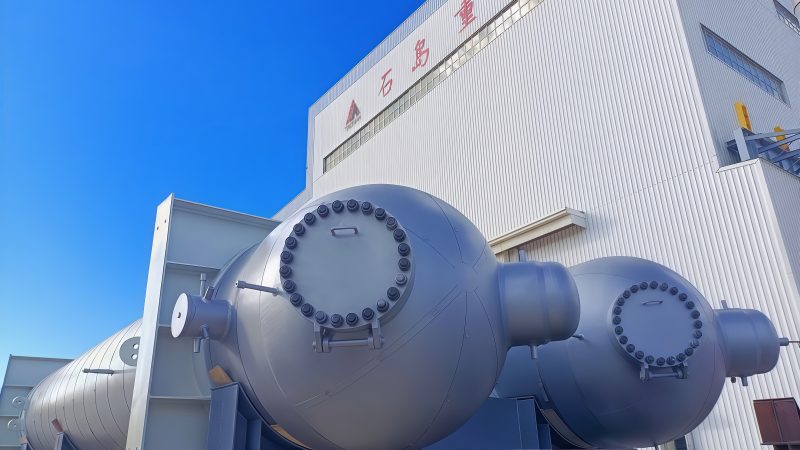
Representative manufacturing workshop. Preservation and delivery requirements should be agreed before equipment leaves the factory.
Why Storage Requirements Belong in Procurement
Factory acceptance records describe the condition and conformity of equipment at a particular stage. They do not establish that the vessel will remain unchanged through months of transport, outdoor storage and site activity. Moisture, contamination, coating damage and unsuitable handling can create concerns that need assessment before installation.
A vessel that remains unused is not necessarily unaffected by its environment. Conversely, an extended storage period does not automatically mean that the equipment is damaged or requires every manufacturing test to be repeated. The appropriate response depends on its materials, preservation method, exposure history and documented condition.
For custom pressure vessels, buyers should define the expected interval from factory release to installation and commissioning. Those milestones may occur at different times and require different handover arrangements.
Describe the Storage Environment and Duration
Provide More Than an Estimated Installation Date
Tell the manufacturer whether the equipment will remain at the factory, pass through port storage or enter a site laydown area. Identify expected outdoor exposure, coastal conditions, rainfall, humidity, dust and relevant temperature extremes. Include foreseeable delays rather than specifying only the most optimistic schedule.
The enquiry should distinguish transport protection from preservation intended for extended storage. Measures suitable for a short journey may not be suitable for a prolonged wait at an exposed site. Ask the supplier to state the conditions and duration assumed in its proposal.
Plan for a Changed Schedule
A preservation plan should include a review trigger if storage exceeds the agreed period or conditions change. The response may involve inspection, renewal of protection or specialist assessment, depending on the approved plan.
Avoid treating preservation as a one-time activity with unlimited validity. Equally, do not invent a universal expiry period for every vessel. The responsible parties should establish appropriate review requirements for the actual equipment and environment.
Define the Required Condition at Dispatch
The supply specification should identify the expected internal and external condition when the vessel leaves the manufacturer. Relevant requirements may include completion of applicable cleaning, drainage and drying activities, coating acceptance, contamination protection and preservation records.
These requirements must suit the materials and intended service. A preservation product acceptable for one process may be incompatible with another or difficult to remove before commissioning. Any temporary substance introduced into the equipment should therefore have an approved purpose and removal requirement.
Ask the manufacturer to document the selected approach and its limitations. The contract should distinguish permanent protection from temporary shipping or storage measures so that the receiving team understands what still needs attention.
Do Not Prescribe One Preservation Method for Every Vessel
Dry storage, controlled environments and other preservation approaches may be considered, but selection requires project-specific engineering. Vessel materials, cleanliness requirements, storage duration and site capability all matter.
Where a gas-based preservation method is proposed, the safety implications must be addressed through approved procedures. Nitrogen and other oxygen-displacing gases can create an asphyxiation hazard in enclosed spaces. HSE discusses this mechanism in its guidance on asphyxiation hazards. That reference explains the hazard; it is not a pressure-vessel preservation procedure.
The procurement package should identify who approves the method, maintains the required condition and authorizes later opening or entry. It should not rely on a generic instruction to fill the equipment with nitrogen or assume a preserved vessel is safe to enter.
Specify Suitable Support and Handling Arrangements
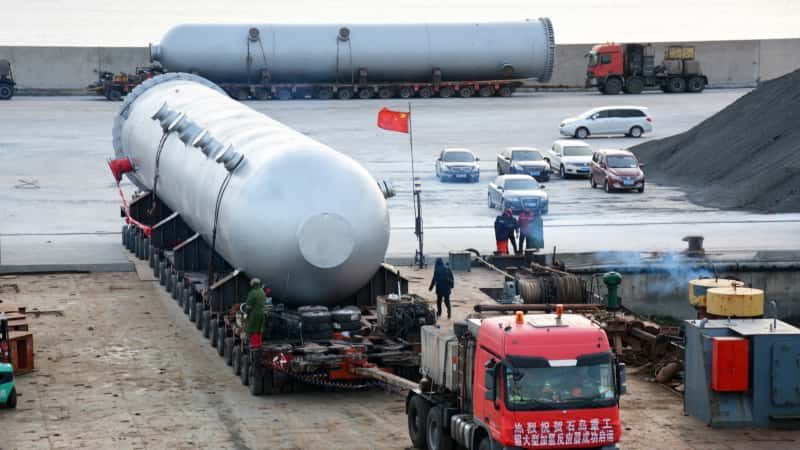
A large vessel may be transported or stored in an orientation different from its final operating position. Temporary supports, storage foundations and handling arrangements should therefore be reviewed for the intended condition rather than assumed equivalent to the permanent installation.
For process towers and columns, confirm the information required for temporary support locations, handling and site placement. The manufacturer’s drawings and the site contractor’s arrangements need coordination.
The receiving area should also permit the agreed inspections and future handling activities. Equipment should not become inaccessible behind later deliveries or depend on an unreviewed relocation plan. These are complete-equipment logistics requirements, not instructions for improvised field lifting.
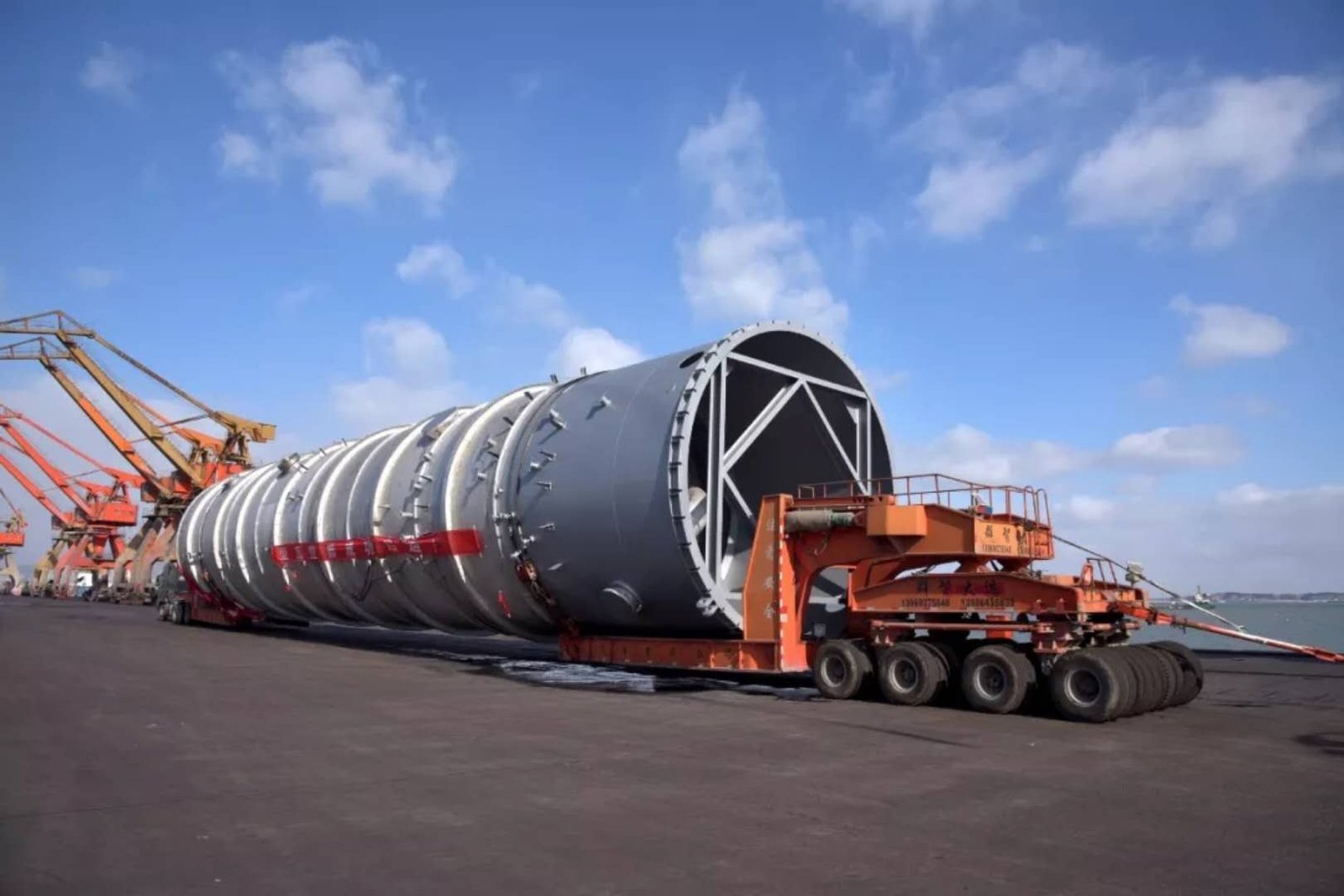
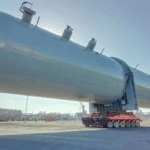
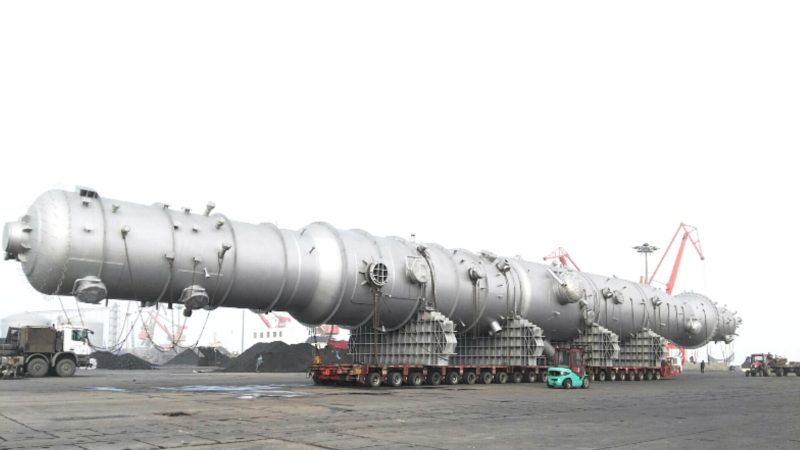
Representative tower equipment. Temporary storage and handling arrangements require their own approved basis.
Assign Responsibility at Each Handover
Responsibility can change several times between factory release and installation. Identify who receives the equipment, checks its condition, maintains preservation and records any intervention at each stage.
The purchase agreement should distinguish delivery acceptance from acceptance for installation or operation. A signed transport receipt should not automatically be treated as confirmation that every technical condition has been examined.
For overseas projects, coordinate the responsibilities of the manufacturer, transport provider, port handler and site contractor. Commercial delivery terms alone may not describe all ongoing preservation duties. Assign those duties explicitly, including notification requirements when damage or loss of protection is discovered.
Establish a Practical Storage Inspection Record
The preservation plan should define inspection activities and their frequency according to the equipment and exposure. A useful record identifies the equipment tag, date, observed condition, action taken and responsible person.
Record relevant events as well as routine checks. Examples include relocation, accidental impact, flooding, unexpected exposure or opening for another contractor’s work. A continuous history is more informative than photographs taken only at dispatch and immediately before installation.
When a concern is identified, document and assess it before repair or concealment. Unapproved coating repairs, surface treatment or welding can complicate later acceptance. Escalation routes should be clear enough that site personnel know who can authorize corrective work.
Define Checks Before Installation and Startup
The transition out of storage should have a documented review. Confirm the equipment identity, available records, condition of accessible surfaces and any preservation-related tasks required before installation. The scope should reflect the storage history and approved project requirements.
Do not assume that every stored vessel needs another pressure test, or that the original test record removes the need for further assessment. The responsible engineer and any applicable inspection authority should determine what examination or testing is necessary.
Installation readiness is also different from permission to operate. HSE’s guidance for pressure-system users emphasizes suitability, known operating limits and appropriate examination. Its legal requirements are specific to the relevant UK framework; projects elsewhere must confirm their own applicable obligations.
Keep Manufacturing Records and Storage Records Connected
The final manufacturing package should remain traceable to the vessel throughout storage. Preservation records, receiving inspections and approved corrective actions should be linked to that package rather than kept in an unrelated site folder.
If work changes the accepted equipment condition, identify whether drawings, inspection records or other documentation need updating. A clear record supports the handover from manufacturing to site construction and eventually to the operator.
WSHI’s manufacturing activities include engineering coordination, material procurement, welding, nondestructive examination, pressure testing where applicable, coating and heavy-equipment delivery. Buyers reviewing WSHI manufacturing capabilities should agree on the preservation deliverables and the point at which ongoing site responsibility transfers.
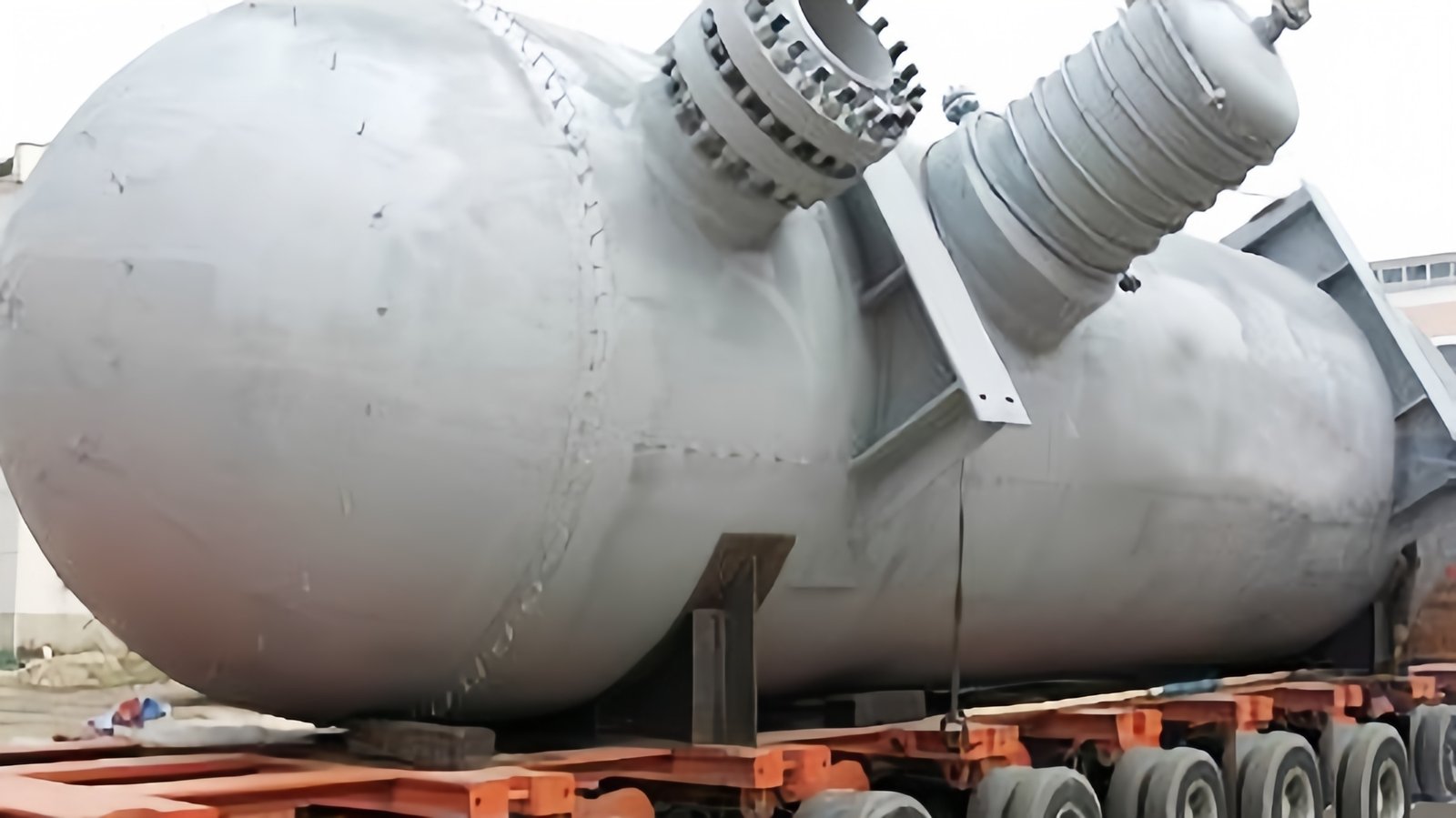
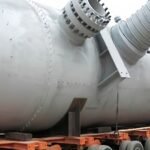
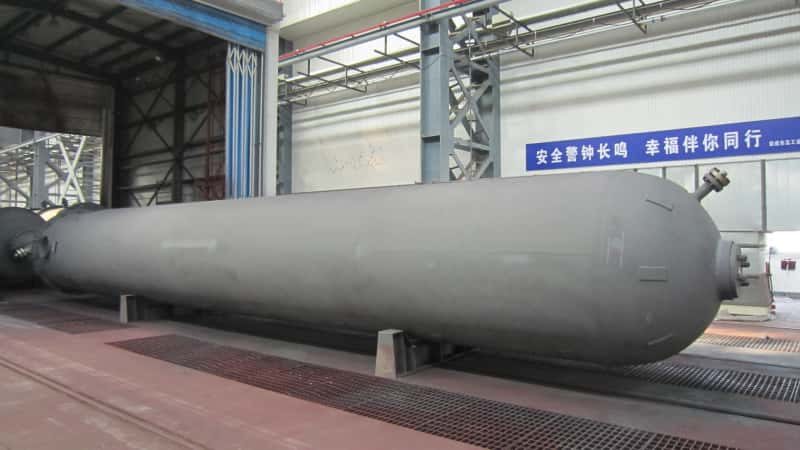
Representative vessel image. Stored-equipment acceptance depends on its documented condition, not appearance alone.
What Should Buyers Include in the RFQ?
Provide the expected delivery, installation and startup dates, storage locations and environmental conditions. Request a defined dispatch condition, preservation proposal, inspection requirements and responsibility matrix.
Also clarify who pays for extended factory storage, renewed preservation or additional inspection when the schedule changes. Those commercial arrangements should support the technical plan rather than leave necessary activities without an owner.
Compare quotations against the same storage assumptions. A price based on immediate installation is not directly comparable with one covering extended preservation and documented handover.
FAQ
Can a new pressure vessel be stored outdoors?
Possibly, but only under suitable, approved storage and preservation arrangements. New manufacture alone does not establish suitability for unrestricted outdoor exposure.
Does factory acceptance cover the entire storage period?
No. Factory acceptance and ongoing storage care address different stages. The contract should define responsibilities after dispatch.
Is nitrogen preservation required for every vessel?
No. The method depends on the equipment and service, and gas-based preservation introduces hazards that require specific controls.
Must a vessel be pressure-tested again after a storage delay?
Not automatically. Required checks depend on its condition, exposure history, project requirements and applicable inspection decisions.
Discuss Your Delivery and Preservation Requirements
Pressure vessel storage before installation should be planned as part of complete-equipment procurement. If your project requires custom pressure vessels or large process columns with a delayed installation schedule, contact our engineering team with the drawings, delivery programme and expected storage conditions. These inputs support a focused discussion of fabrication, preservation documentation and delivery responsibilities.