
A pressure vessel that operates with warm process fluids may still experience low metal temperatures during winter shutdowns, initial startup or extended outdoor storage. For EPC buyers, specifying pressure vessels for cold climates therefore requires more than adding the lowest local air temperature to a purchase requisition. The procurement package must connect actual operating scenarios with material selection, fabrication requirements, inspection records and delivery conditions. This article explains what buyers should clarify before requesting quotations for complete vessels, including separators, process drums and other custom chemical equipment.
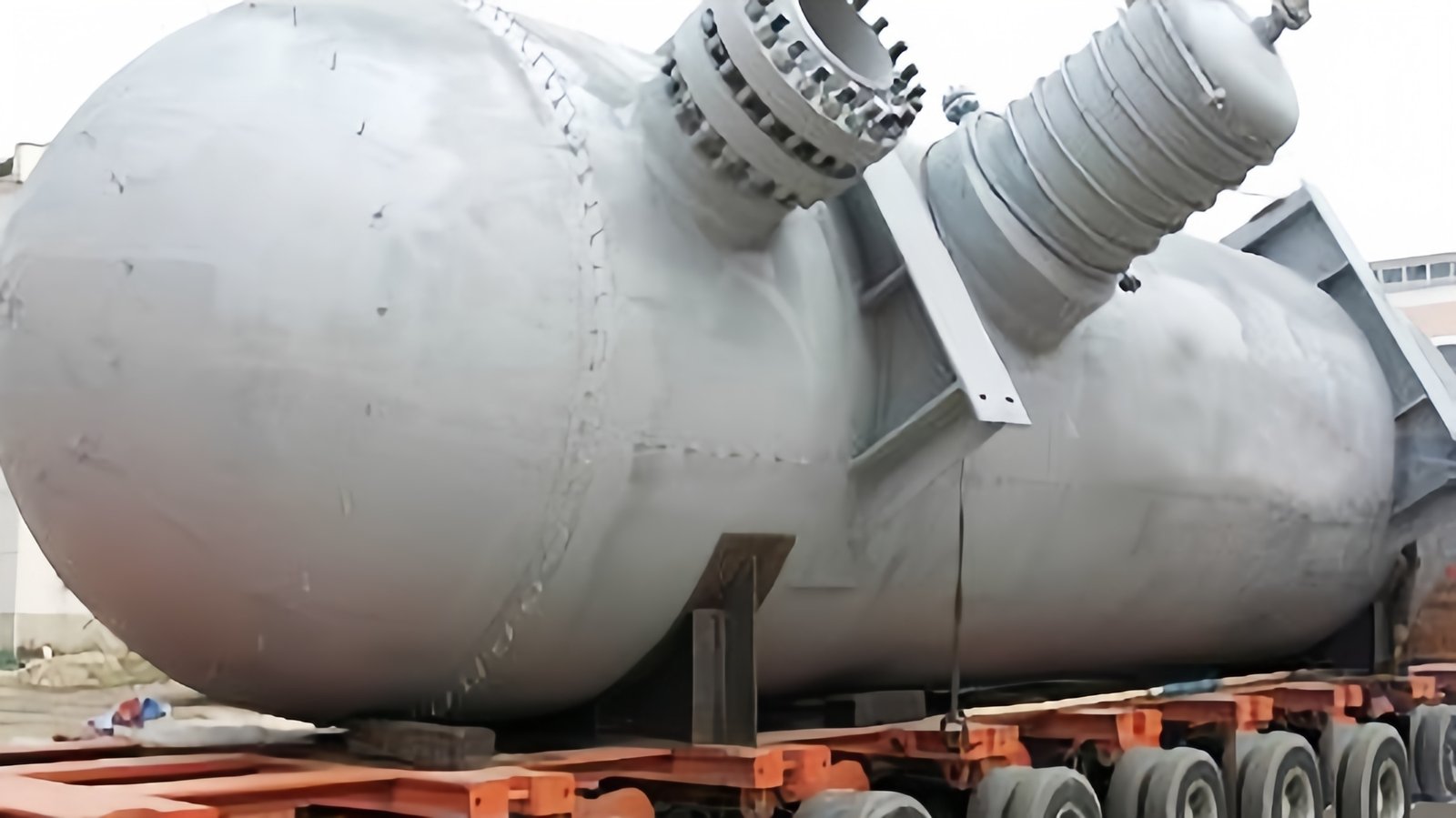
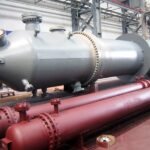
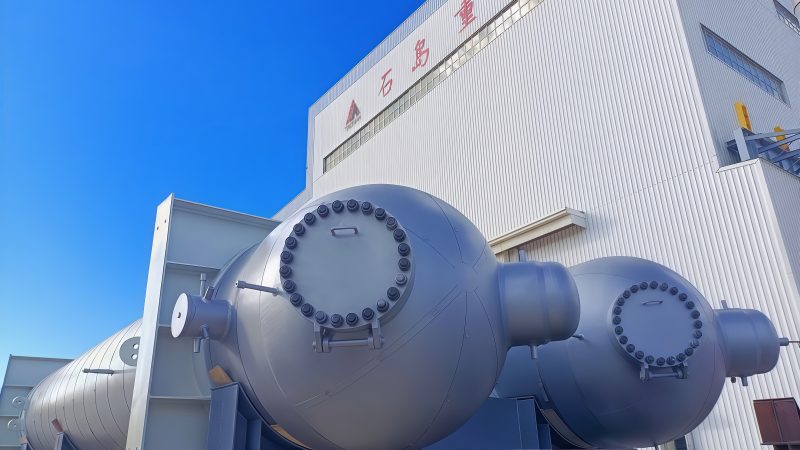
Representative product image. Suitability for a particular minimum metal temperature must be established through project-specific engineering and documentation.
Why Cold-Climate Service Needs a Defined Design Basis
Low temperatures can reduce the toughness of certain steels and increase susceptibility to brittle fracture. The UK Health and Safety Executive explains this concern in its guidance on pressure vessels operating at low temperature. That guidance addresses operational vessel assessment; it is not a substitute for the construction code and engineering review required for a new vessel.
For procurement, the practical question is not simply whether a vessel can withstand its normal operating pressure. It is whether the complete vessel is suitable for the pressure, metal temperature and loading combinations that the project may encounter. Buyers sourcing custom pressure vessels should establish these combinations before material purchasing begins. A temperature requirement introduced after fabrication has started can require substantial reassessment and may affect material availability, inspection scope and delivery.
Separate Ambient, Process and Metal Temperatures
Ambient Temperature Is an Input, Not the Entire Specification
Outdoor air temperature describes the surrounding environment. Process temperature describes the fluid. Neither automatically equals the temperature of every part of the vessel. A vessel containing a warm circulating stream may remain warmer than the surrounding air, while an idle vessel can gradually cool toward ambient conditions. The design team should establish the relevant site temperature basis and evaluate how exposure duration, operating state and thermal protection affect the equipment.
Minimum Design Metal Temperature Needs Engineering Review
Minimum design metal temperature, commonly abbreviated MDMT, is a design parameter that must be interpreted within the applicable code. It should not be selected solely by copying a weather record or a material supplier’s temperature rating. Buyers should request a documented basis that connects the specified minimum temperature with the relevant pressure and operating conditions.
Where ASME construction is specified, the purchaser and responsible engineer should identify the applicable section, division and edition of the ASME Boiler and Pressure Vessel Code. Other jurisdictions may require a different construction and conformity-assessment framework. A general reference to “international standards” is not a complete purchasing requirement.
Identify the Operating Cases Before Selecting Materials
A procurement specification should describe more than steady production. Relevant cases may include initial startup after winter storage, shutdown with retained pressure, prolonged idle periods, utility loss and restart after a cold outage. For gas-processing applications, the process engineer should also assess whether depressurization or other process changes could produce significant cooling. The extent of that cooling depends on the fluid and operating conditions; a generic temperature allowance is not a reliable substitute for evaluation.
The key deliverable is a set of credible, coincident pressure-temperature cases. Maximum pressure and minimum temperature should not be combined arbitrarily, nor should a potentially governing combination be dismissed without justification. Where operating restrictions are part of the design basis, responsibility for defining, validating and implementing them must be clear. This is particularly relevant to pressure vessels for oil and gas applications, where normal operation may differ substantially from shutdown conditions.
Specify Material Toughness, Not Just a Grade Name
Material selection must address the process medium, corrosion conditions, mechanical loading and low-temperature requirements together. A familiar carbon-steel grade is not automatically suitable for every cold-climate vessel. Conversely, specifying stainless steel without assessing the service is not a complete engineering solution. Material condition, thickness, fabrication history and the applicable construction rules can all affect the required assessment.
Ask the manufacturer to state the proposed material specifications and supply conditions, together with the basis for any required toughness testing. Where impact testing is required, its scope and acceptance criteria should be established under the applicable code and project specification. Any proposed exemption needs a documented engineering basis rather than an assumption that a standard grade is universally exempt.
The review must also address relevant welded regions and welding qualifications. A base-material certificate alone does not demonstrate that the completed vessel meets every low-temperature requirement. Changes to material, thickness or manufacturing route should therefore pass through the agreed technical approval process.
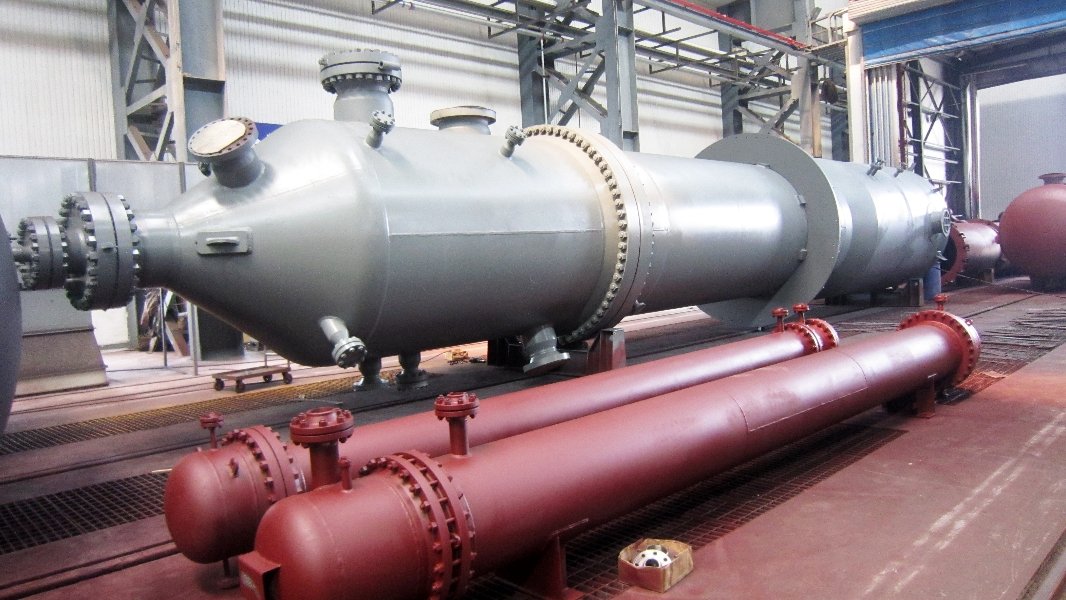
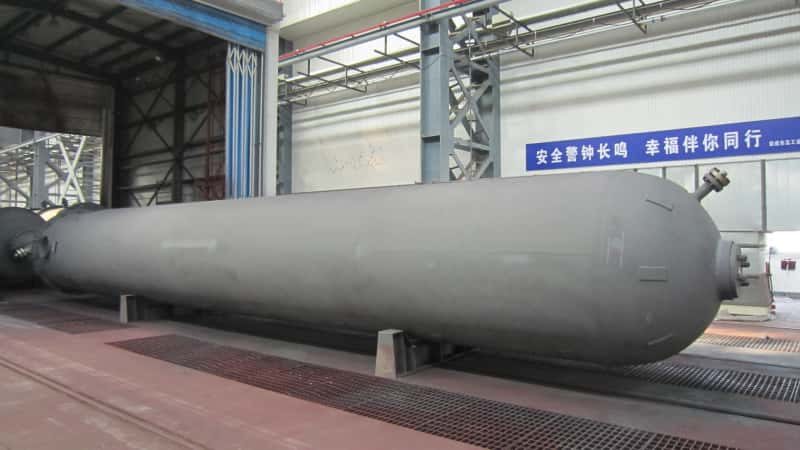
Representative workshop image. Project acceptance depends on approved manufacturing procedures, traceable materials and the required inspection records.
Define Fabrication and Quality-Control Deliverables
Agree on Records and Inspection Points Before Production
The purchase order should identify the manufacturing documentation required for review and final handover. Depending on the project, this may include material certificates, traceability records, welding qualifications, heat-treatment records where required, nondestructive examination reports, pressure-test documentation and dimensional inspection results. The inspection and test plan should identify approval, witness and hold points without leaving these decisions until dispatch.
These controls serve different purposes. Nondestructive examination evaluates specified types of discontinuities; it does not establish material toughness by itself. Likewise, a successful pressure test does not replace the required low-temperature material assessment. Buyers should review the complete evidence package rather than treating any single inspection result as proof of suitability.
Keep Manufacturing Capability and Design Responsibility Clear
WSHI’s manufacturing scope includes engineering coordination, material procurement, welding, inspection, pressure testing, coating and heavy-equipment delivery. The specific scope for a cold-climate project should be agreed during technical clarification. Buyers reviewing WSHI manufacturing capability should distinguish fabrication responsibilities from site-wide process design, operational controls and installation responsibilities. Any required certification, independent inspection or destination approval must be confirmed for the actual order.
Clarify Insulation, Heating and Site Interfaces
Insulation can slow heat loss, but it cannot indefinitely keep an idle vessel warm without an available heat source. Similarly, a heating provision should not automatically be treated as a substitute for appropriate mechanical design. If thermal protection affects the design assumptions, the responsible engineers need to consider its availability, operating limits and credible loss-of-service conditions.
The equipment specification should identify which thermal-protection provisions are included in the complete vessel supply and which belong to the site contractor. It should also define the applicable environmental and structural inputs, including wind, snow or ice loads where relevant. These are coordination requirements for the complete equipment package, not separate small-component purchasing opportunities.
Plan Testing, Preservation and Winter Delivery
Cold-weather requirements can affect the period before commissioning as well as operation. Buyers should establish who approves the pressure-test procedure and its temperature conditions, how the vessel will be drained and dried where required, and what preservation is needed during transport and storage. These measures should follow approved project procedures rather than informal workshop practices.
For large vessels, confirm the transport envelope, handling information, support arrangements and receiving-site readiness before dispatch. The delivery scope should distinguish factory loading, port delivery, onward transport, unloading and installation. Coating application and repair arrangements also need coordination with the relevant product specifications and expected site conditions.
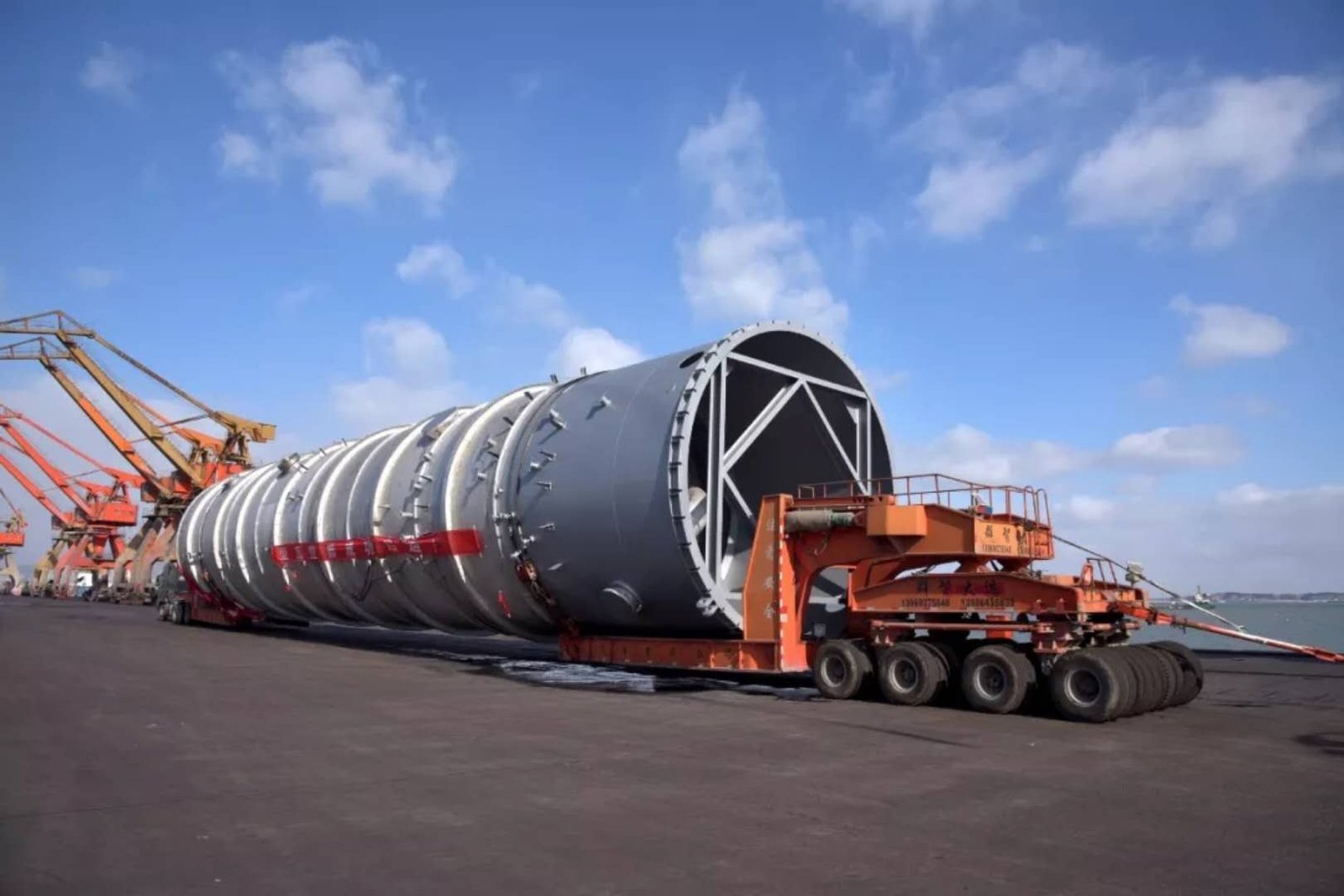
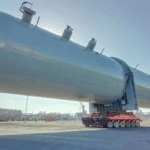
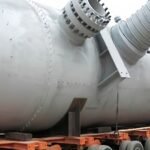
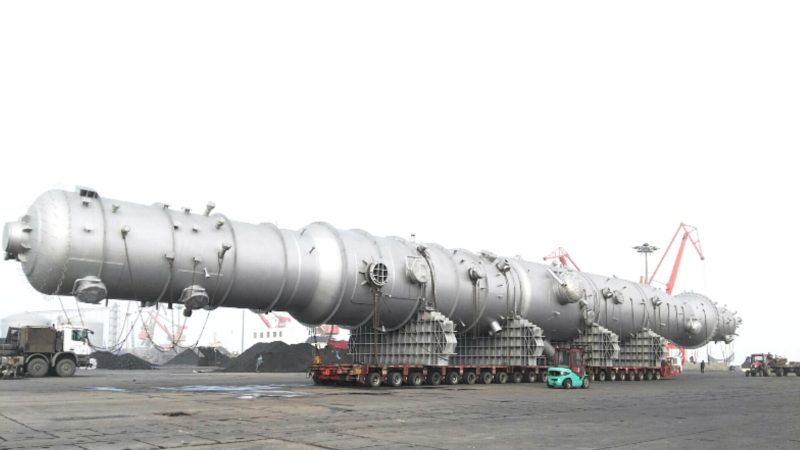
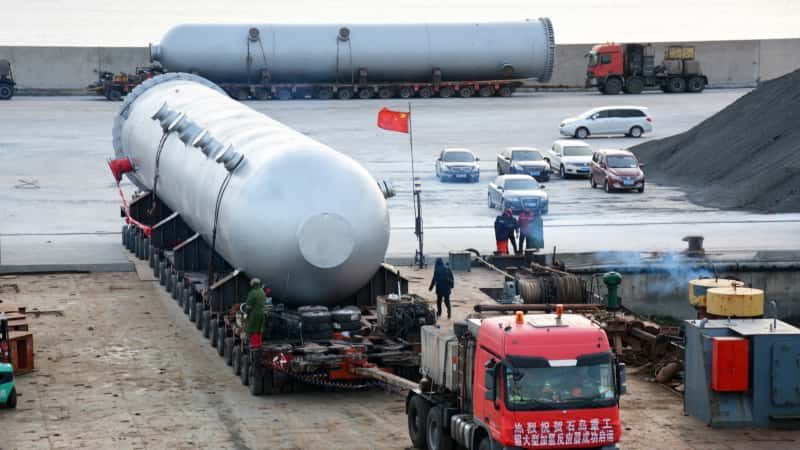
Representative large-equipment image. Transport, preservation and installation interfaces should be defined for the actual delivery route and project conditions.
What Should the RFQ Include?
A useful request for quotation includes the process medium and relevant composition, required capacity, normal operating conditions, proposed design conditions and the identified cold-service scenarios. It should also provide site environmental data, the governing construction requirements, material preferences or restrictions, inspection expectations and the intended delivery boundary. Mark unresolved inputs clearly instead of presenting preliminary values as approved requirements.
When comparing quotations, review technical assumptions and exclusions alongside price. Check whether each supplier has allowed for the same material condition, toughness assessment, documentation and inspection scope. A shorter delivery promise may depend on assumptions that the project has not accepted. Resolving those differences before award makes the commercial comparison more meaningful.
FAQ
Can a vessel handling hot fluids still need low-temperature assessment?
Yes. Startup, shutdown and idle exposure can create conditions different from normal hot operation. The responsible engineer should evaluate credible metal temperatures together with the associated pressures and loads.
Does the lowest ambient temperature automatically become the MDMT?
Not automatically. Ambient temperature is an important input, but the specified metal-temperature basis must reflect relevant operating scenarios and the applicable construction rules.
Is impact testing required for every cold-climate vessel?
There is no universal answer. Requirements depend on the applicable code, material, thickness, fabrication conditions and design basis. Any testing requirement or exemption should be confirmed and documented by the responsible engineer.
Can insulation eliminate the need for cold-service material selection?
Not by itself. Insulation delays heat transfer; it does not guarantee a minimum temperature indefinitely. Any reliance on heating or thermal protection needs an approved engineering basis.
Discuss Your Cold-Climate Vessel Requirements
Well-specified pressure vessels for cold climates start with clear operating scenarios and finish with a coordinated manufacturing and delivery package. If your project requires complete separators, process drums or other custom pressure vessels, contact our engineering team with the process data, site conditions, drawings and required standards. These inputs support a focused discussion of manufacturing feasibility, inspection requirements and supply boundaries.