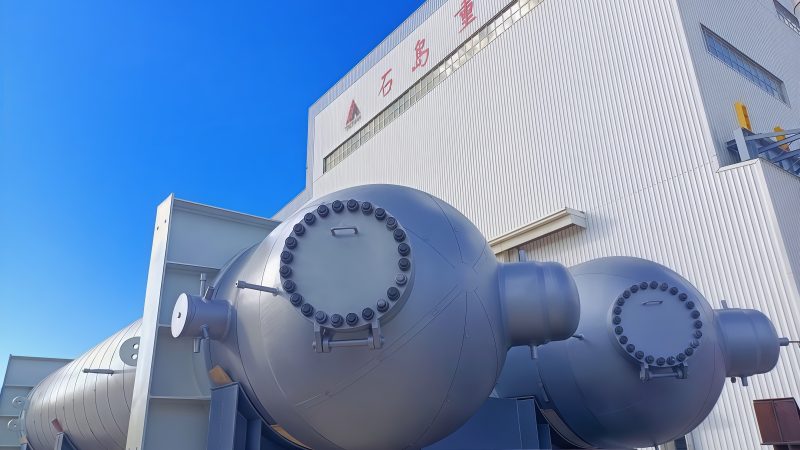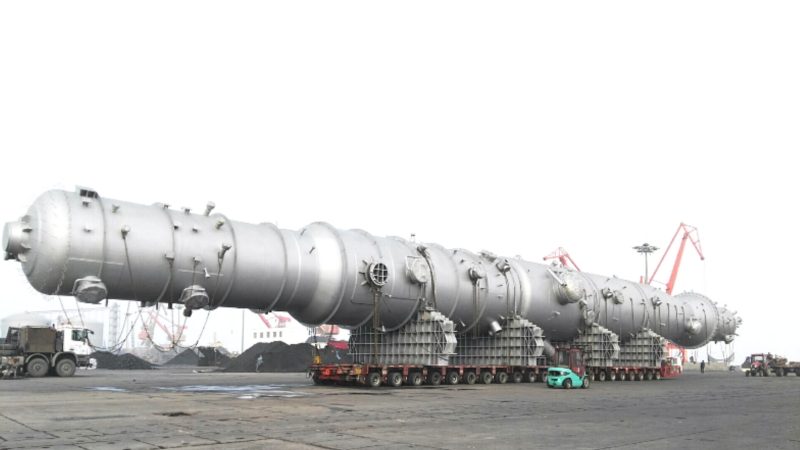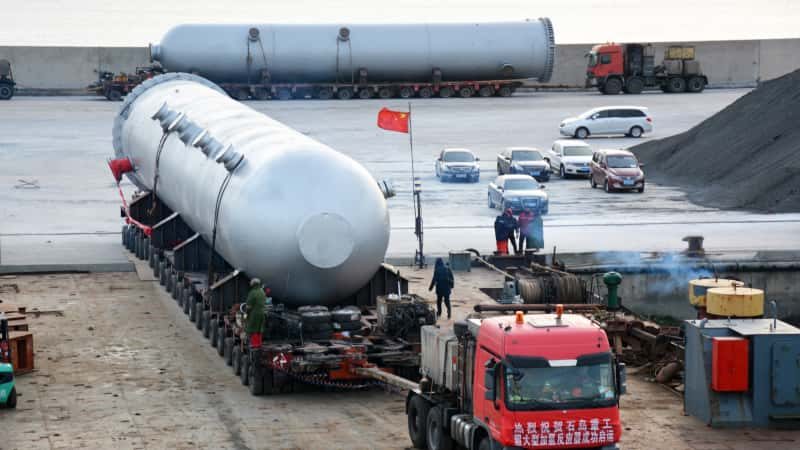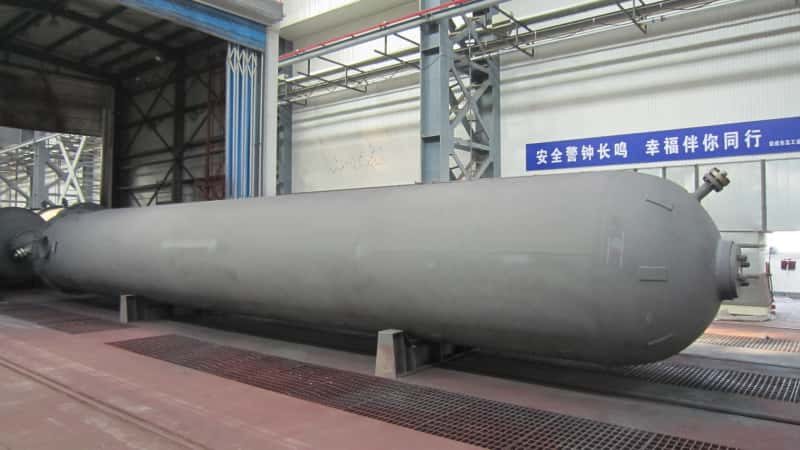

A process drum is a complete vessel used in chemical, petrochemical, oil and gas, environmental, or industrial systems to receive, separate, flash, buffer, collect, or temporarily hold process fluids. In EPC procurement, a process drum should not be treated as a small accessory. It is usually a project-specific pressure vessel or process vessel that must match process duty, medium, pressure, temperature, material, inspection scope, site layout, and delivery requirements.
WSHI focuses on project-based custom pressure vessels, separators, heat exchangers, towers, industrial storage tanks above 1,000 liters, and custom chemical equipment. This guide explains how EPC buyers should understand process drums before requesting a quotation.

For pressure equipment context, ASME BPVC Section VIII Division 1 may be relevant where the drum is designed as pressure equipment. Final classification, code basis, inspection scope, and safety requirements should be confirmed by the owner, EPC contractor, inspection authority, and qualified engineers.
A process drum can be quoted reliably from the equipment name alone.False
A flash drum, receiver drum, reflux drum, surge drum, and knock-out drum may look similar externally but require different process data, volume basis, nozzles, controls, and inspection scope.
Process drums should be treated as complete process vessels in EPC procurement.True
The vessel body, nozzles, supports, instruments interfaces, inspection, testing, coating, documentation, packing, and delivery requirements must be coordinated as one package.
What Does Process Drum Mean?
In industrial projects, “process drum” is a broad term for a vessel installed within a process system. It may receive fluids from upstream equipment, separate vapor and liquid, provide temporary hold-up, collect condensate, support pressure reduction, or stabilize flow before downstream equipment.
A process drum may operate under pressure, vacuum, or near-atmospheric conditions depending on the process. The final classification should be confirmed by the EPC contractor, owner, and qualified engineers.
Common process drum examples include flash drum vessels, knock-out drums, receiver drums, reflux drums, surge drums, compressor suction drums, condensate drums, blowdown drums, and process buffer vessels. These are complete vessels, not small parts. Their procurement should include vessel body, nozzles, supports, inspection requirements, testing, coating, and delivery documentation.
Common Types of Process Drums
Flash Drum Vessel
A flash drum is used when pressure reduction causes part of a liquid stream to vaporize. It separates vapor and liquid phases before they move to downstream equipment.
Flash drums may be used in solvent recovery, condensate handling, petrochemical processing, wastewater concentration, and chemical separation systems. Buyers should provide pressure, temperature, medium composition, and phase behavior data for quotation review.
Knock-Out Drum
A knock-out drum removes liquid from a gas or vapor stream. It may be installed before compressors, flare systems, vent systems, vacuum systems, or gas treatment equipment.
For oil and gas pressure vessel applications, knock-out drums are often critical for protecting downstream equipment from liquid carryover.
Receiver Drum
A receiver drum collects liquid from condensers, distillation systems, solvent recovery units, or process equipment. It may provide temporary storage and stable feed to downstream pumps or process stages.
Receiver drums should be reviewed for operating volume, pressure boundary, nozzle layout, material, liquid level control, drainage, and site interface.
Reflux Drum
A reflux drum is often used with distillation columns. It receives condensed overhead vapor and helps separate or hold liquid before part of it returns as reflux and part leaves as product.
For projects involving process towers and columns, reflux drums should be reviewed together with condenser duty, column pressure, liquid level control, nozzle orientation, and site layout.
Surge Drum
A surge drum provides buffering capacity between process steps. It helps reduce flow fluctuation and protect downstream equipment from unstable feed conditions.
Surge drums may be used in chemical processing, wastewater treatment, solvent recovery, petrochemical units, and utility systems.

Process Drum Types and Typical Duties
| Drum Type | Typical Function | Key Buyer Review Points |
|---|---|---|
| Flash drum | Separate vapor and liquid after pressure reduction or heating | Phase behavior, pressure, temperature, vapor load, liquid hold-up, outlet arrangement |
| Knock-out drum | Remove liquid from gas or vapor streams | Gas flow, liquid carryover, inlet device, demisting requirement, drainage, level alarms |
| Receiver drum | Collect condensate or process liquid and provide stable downstream feed | Working volume, pump suction needs, level control, nozzle layout, material compatibility |
| Reflux drum | Hold condensed overhead liquid for reflux and product withdrawal | Column pressure, condenser interface, reflux flow, liquid residence, instrument connections |
| Surge drum | Buffer process flow between upstream and downstream equipment | Surge volume, operating range, residence time, upset cases, control strategy |
Where Are Process Drums Used?
Process drums appear in chemical production lines, petrochemical plants, oil and gas processing units, solvent recovery systems, distillation and fractionation units, environmental treatment systems, compressor and flare systems, evaporation and concentration projects, and industrial utility systems.
For pressure vessels for chemical plants, process drums should be defined by function, medium, operating conditions, and project standards rather than by name alone.
Key Selection Factors for EPC Buyers
Process Function
The first question is: what should the drum do? Flashing, receiving, reflux, liquid hold-up, gas-liquid separation, condensate collection, and surge buffering all require different review.
A quotation request should clearly define the process function instead of only stating “process drum.”
Medium and Phase Condition
Buyers should provide gas, liquid, or two-phase conditions, chemical composition, density, viscosity, vapor pressure, corrosive components, solids content, and temperature.
Material selection and corrosion protection depend strongly on medium data. The manufacturer should not assume chemical compatibility without project information.
Pressure and Temperature
Process drums may operate under pressure, vacuum, or low-pressure conditions. EPC buyers should define operating pressure, design pressure, operating temperature, design temperature, and any cyclic or upset conditions.
If the drum is pressure equipment, applicable standards such as ASME Section VIII or other local codes may apply depending on project location and specifications.
Volume and Residence Time
A process drum may need enough volume for phase separation, pump suction stability, condensate collection, level control, surge capacity, or emergency hold-up. Buyers should clarify whether the required capacity refers to total volume, working volume, surge volume, or liquid hold-up.
For storage-related applications, WSHI focuses on large project-based vessels and industrial storage tanks above 1,000 liters, not small standard tanks.
Nozzle Layout and Site Interface
A process drum may require inlet, outlet, vent, drain, liquid outlet, gas outlet, instrument connections, safety device connection, manway, and cleaning access. Nozzle orientation should match piping layout, maintenance access, and installation constraints.
Late nozzle changes can cause fabrication delays and field rework.
RFQ Checklist for Process Drums
| RFQ Item | Recommended Information |
|---|---|
| Process duty | Flash, knock-out, receiver, reflux, surge, condensate, compressor suction, blowdown, or buffer service |
| Process data | Medium composition, gas and liquid flow, phase condition, density, viscosity, vapor pressure, solids, corrosion risk |
| Design conditions | Operating and design pressure, operating and design temperature, vacuum, cyclic, or upset cases |
| Mechanical interface | Nozzle schedule, supports, manways, lifting lugs, instruments, safety device connection, drainage, venting |
| Inspection and delivery | Code basis, NDT scope, pressure or leak testing, coating, final data book, packing, destination, transport limits |
Manufacturing and Quality Control
Process drums should be fabricated according to approved drawings, material specifications, and inspection requirements. Manufacturing may include plate cutting, rolling, forming, welding, nozzle fit-up, dimensional inspection, NDT, pressure testing where applicable, surface treatment, coating, and final documentation.
For project-based pressure vessel manufacturing, buyers should confirm approved drawings and datasheets, material certificates, welding procedure requirements, welder qualification records, NDT scope according to project specifications, pressure, leak or vacuum test requirements where applicable, coating or lining requirements, final document package, packing, lifting, and delivery method.
A large-scale pressure vessel manufacturer should be able to coordinate fabrication, inspection, coating, loading, and export delivery.
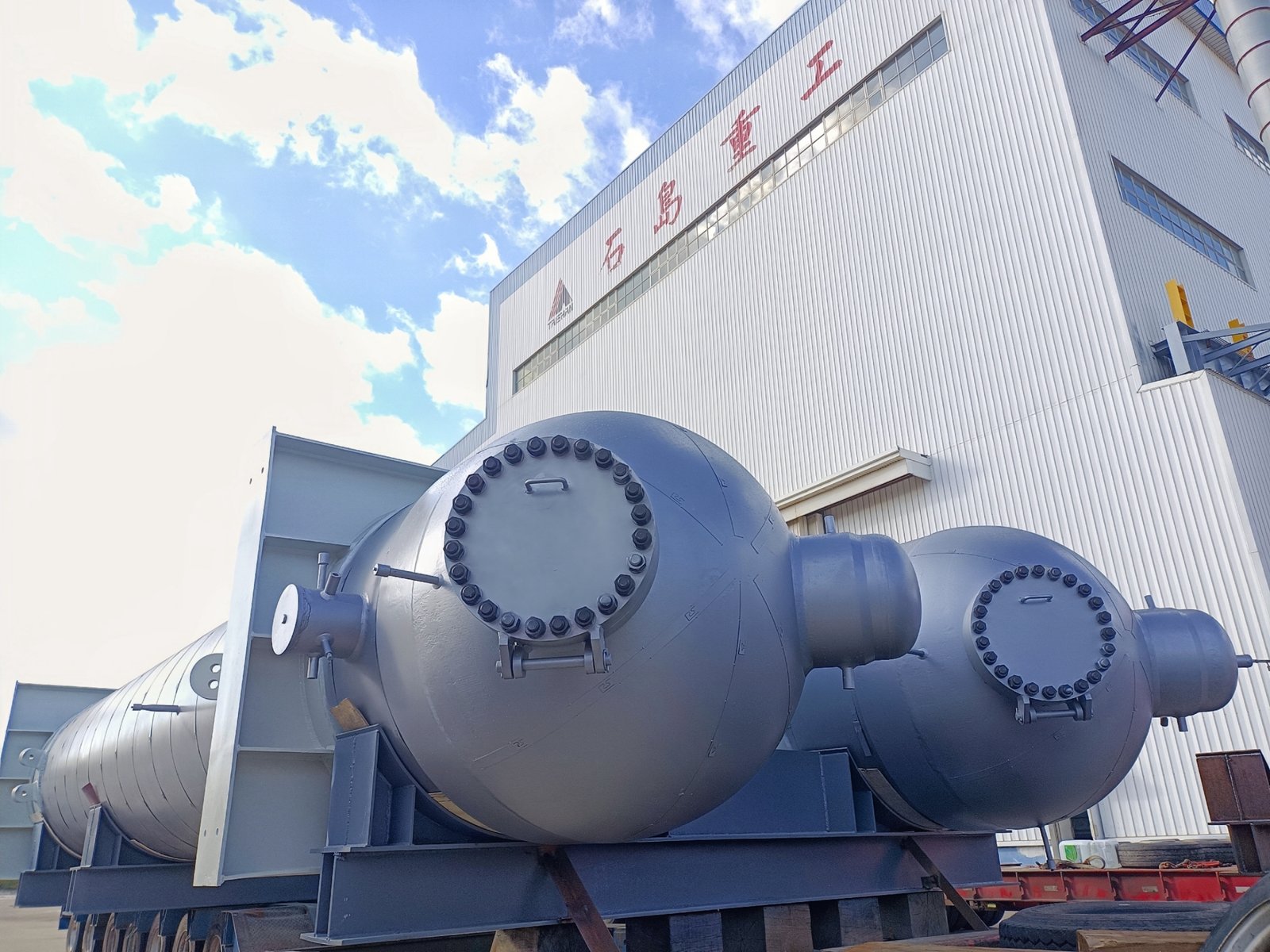
Related Equipment in Process Systems
Process drums often operate with heat exchangers, condensers, separators, towers, and storage vessels. For example, a receiver drum may be installed after a shell and tube heat exchanger used as a condenser. A reflux drum may connect with a distillation column. A knock-out drum may protect a compressor or flare system.
For EPC procurement, the process drum should be reviewed as part of the complete equipment package, not as an isolated purchase.
Common Procurement Mistakes
One common mistake is using process drum names without explaining the function. A flash drum, receiver drum, and surge drum may look similar externally but serve different process purposes.
Another mistake is requesting a quotation without pressure, temperature, medium, and volume basis. This can lead to inaccurate pricing or later technical changes.
A third mistake is treating the drum as a small accessory. In industrial service, it is a complete process vessel that must integrate with piping, instrumentation, inspection, documentation, and delivery requirements.
FAQ
What is a process drum used for?
A process drum is used to receive, separate, flash, collect, buffer, or temporarily hold process fluids in industrial systems.
Is a process drum a pressure vessel?
It may be, depending on design pressure, temperature, volume, and local regulations. Final classification should be confirmed by qualified engineers.
What is the difference between a drum and a tank?
A drum usually has a specific process function, such as flashing, receiving, reflux, or separation. A tank is often used mainly for storage. The final distinction depends on project design.
What information is needed for a process drum quotation?
Buyers should provide process function, medium, pressure, temperature, volume, material requirements, drawings, inspection scope, documentation requirements, and delivery destination.
Does WSHI supply small drum parts or accessories?
WSHI focuses on complete project-based process drums, pressure vessels, and industrial equipment, not standalone small parts or accessories.
Conclusion
A process drum is a complete process vessel used for flashing, receiving, reflux, separation, buffering, or temporary hold-up in chemical and petrochemical plants. EPC buyers should confirm function, medium, pressure, temperature, volume, materials, inspection scope, documentation, and delivery requirements before procurement.
If you are planning a chemical, petrochemical, oil and gas, environmental, or industrial process project, you can discuss your project requirements with an engineering team or download the pressure vessel catalog. Sharing drawings, process conditions, medium data, material requirements, inspection needs, and delivery terms will help support manufacturing feasibility review.