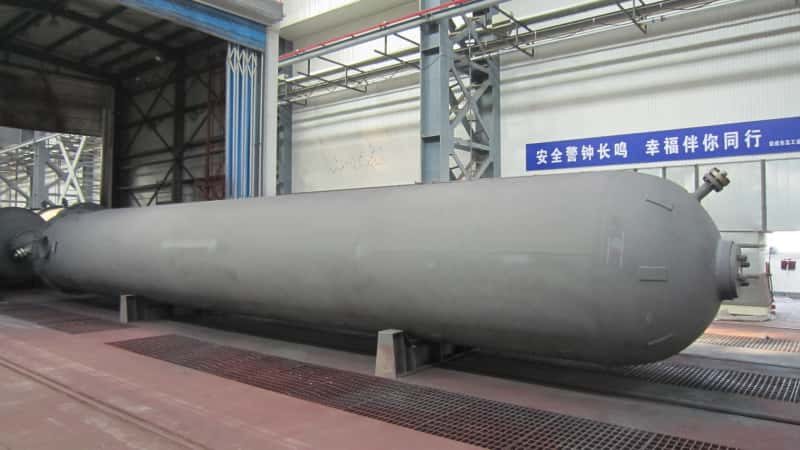

Propane Rail Terminal Storage Equipment for Regional LPG Supply Projects
Propane rail terminals are becoming important infrastructure for regional LPG supply, emergency preparedness and industrial fuel logistics. A September 8, 2026 LP Gas report said the Ninja Liquids Rail Terminal had opened in central Florida as a propane supply and storage facility designed to strengthen fuel security, support economic growth and improve emergency preparedness. For EPC buyers, this type of project raises a practical procurement question: what LPG storage tanks, pressure vessels, loading interfaces and delivery requirements must be defined before fabrication?
This article focuses on LPG and propane-butane supply projects. It does not cover LNG. The procurement focus is industrial-scale LPG terminal storage and complete pressure equipment packages, not small cylinders, accessories or disconnected components.
Propane rail terminal storage equipment can be specified like ordinary atmospheric storage tanks.False
LPG is commonly stored as a liquefied gas under pressure, so EPC buyers must define pressure, temperature, composition, codes, safety interfaces, inspection, coating and delivery requirements.
LPG terminal tanks should be specified as complete pressure equipment packages.True
Supports, nozzles, loading interfaces, testing, coating, inspection records, safety-related interfaces and delivery documents should be coordinated with the full tank and vessel procurement scope.
Why Propane Rail Terminals Create Equipment Demand
A propane rail terminal connects rail supply with regional storage, truck loading, industrial users and emergency fuel distribution. Compared with small local storage, a terminal project requires larger pressure-rated storage capacity, clear unloading and loading interfaces, safety systems, inspection planning and logistics coordination.
For EPC teams, the main equipment scope may include LPG storage tanks, propane pressure vessels, knock-out or separation vessels where required by process design, large pipe rack interfaces, loading system boundaries and project delivery documentation.
Because LPG is stored under pressure as a liquefied gas, tank procurement should be treated as a pressure equipment project, not a simple storage purchase.
What Equipment Is Used in LPG Rail Terminal Projects?
Large LPG Storage Tanks
The storage tank is usually the center of the terminal equipment scope. LPG tanks may store propane, butane or propane-butane mixtures depending on the project. EPC buyers should define the medium, design pressure, design temperature, volume, filling philosophy, installation method, corrosion protection, coating requirements and inspection scope.
For WSHI’s positioning, storage tank content should focus on industrial-scale tanks above 1,000 liters. These tanks should be specified as complete industrial storage tanks with supports, nozzles, testing, coating, documentation and delivery terms included in the project boundary.
Propane Pressure Vessels and Process Drums
Some terminal layouts may include pressure vessels for vapor handling, liquid collection, condensate management, surge control or system buffering. The exact vessel list depends on the terminal design, transfer method and owner requirements.
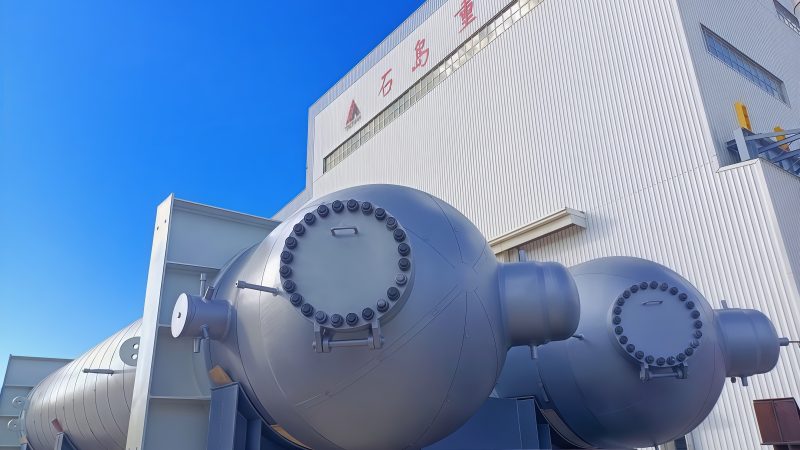
These vessels should be specified as custom pressure vessels based on drawings and datasheets. Buyers should not separate nozzles, supports, drains or instrumentation connections into small standalone purchases. They should be coordinated within the complete vessel package.
Loading and Unloading Interfaces
Rail terminals require defined interfaces between railcars, storage tanks, pumps, compressors, truck loading areas and safety systems. The equipment manufacturer may not supply every item in the terminal, but the pressure vessel and tank boundaries must match the piping and loading design.
EPC buyers should clarify flange standards, nozzle orientation, drain and vent points, supports, grounding requirements if specified by project documents, inspection access and delivery handover points.
LPG Rail Terminal Equipment Checklist
| Equipment or interface | What EPC buyers should confirm | Why it matters |
|---|---|---|
| LPG storage tanks | Medium, volume, design pressure, temperature, supports, coating and inspection | Defines the main pressure storage scope |
| Propane pressure vessels | Vapor handling, liquid collection, buffering, drainage and instrument interfaces | Supports stable terminal operation |
| Rail unloading interface | Railcar connection, piping boundary, nozzles, access and safety-related interfaces | Reduces installation and commissioning conflicts |
| Truck loading interface | Battery limits, loading connection, vent/drain points and handover scope | Coordinates terminal storage with distribution operations |
| Delivery scope | Packing, lifting, transport route, port delivery, documents and preservation | Protects large pressure equipment during logistics |
Key Selection Factors for EPC Buyers
LPG Composition and Service Conditions
Propane, butane and LPG mixtures may have different vapor pressure and operating behavior. EPC buyers should provide the expected composition, operating pressure, design pressure, ambient temperature range, design temperature and filling conditions.
PHMSA’s Products Transported in Pipelines fact sheet identifies liquefied petroleum gas as including propane and butane and describes hydrocarbon vapor flammability concerns. This is why LPG terminal tanks require careful pressure equipment and safety-interface review.
Code, Standards and Regulatory Requirements
LPG storage and transfer projects may involve pressure vessel codes, fire safety codes, hazardous material rules and local authority requirements. NFPA 58 is widely referenced for LP-Gas systems, while OSHA and other regulators may apply depending on site location and operation.
The final code path should be confirmed by the EPC engineer, project owner and local authority. A manufacturer can fabricate to agreed drawings and specifications, but should not be expected to determine all regulatory obligations.
Tank Layout and Site Installation
Terminal tanks may be arranged horizontally, mounted on saddles, installed in groups or connected with loading systems. Buyers should confirm plot space, rail unloading direction, truck loading access, maintenance clearance, firefighting access and future expansion needs.
Nozzle orientation is especially important. Late changes can affect welding, inspection, coating, lifting and delivery schedule.
Material and Corrosion Protection
Material requirements depend on LPG service, design temperature, site environment and project standards. External coating should consider outdoor exposure, humidity, coastal conditions and transport protection. If low-temperature or special service requirements apply, they should be defined in the project documents.
WSHI can support pressure vessel manufacturing based on specified materials, welding requirements, NDE scope and inspection plans.
Manufacturing and Quality Control Considerations
Large LPG terminal tanks require controlled fabrication. Typical manufacturing concerns include material procurement, plate rolling, welding, heat treatment if required, dimensional inspection, non-destructive examination, pressure testing, surface preparation, coating and delivery preparation.
Depending on project requirements, quality control may include radiographic testing, ultrasonic testing, magnetic particle testing, penetrant testing, hydrostatic or pneumatic testing where permitted, coating inspection and third-party witness points.
For processes involving threshold quantities of flammable materials, OSHA Process Safety Management provides useful safety-management background. Applicability depends on site conditions and regulatory requirements.
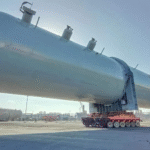
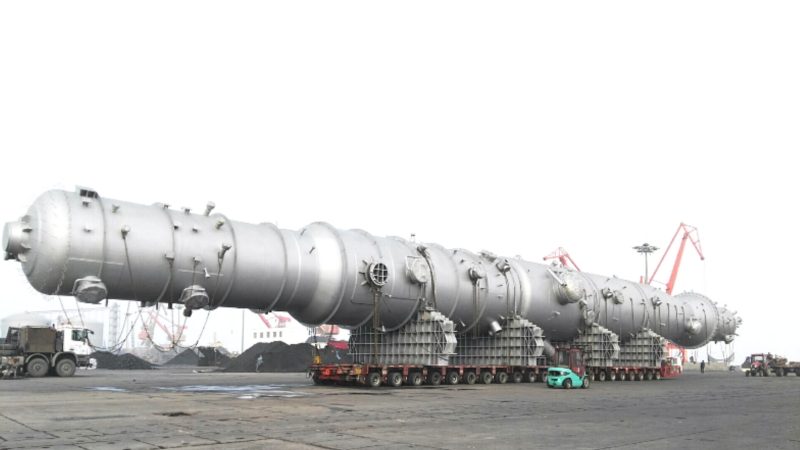
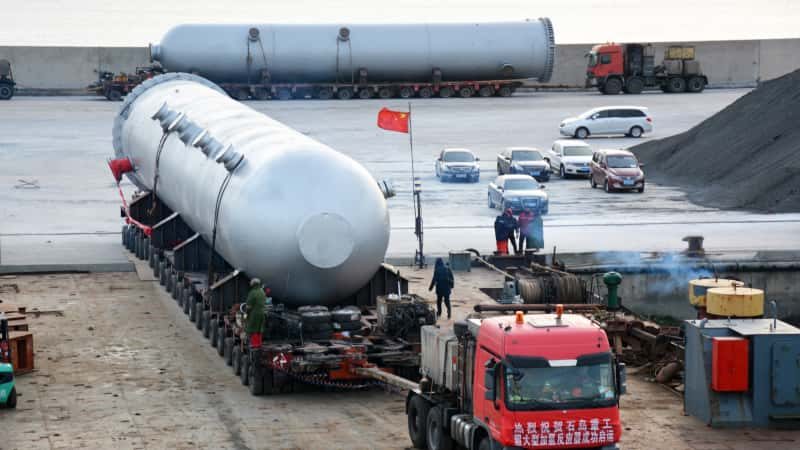
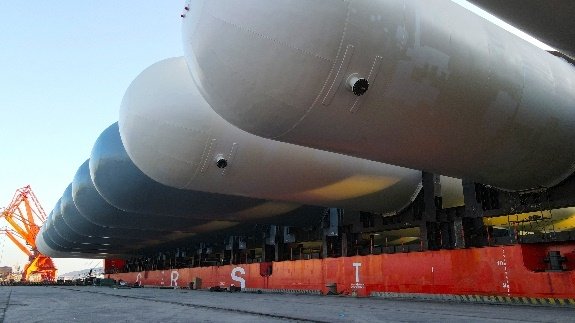
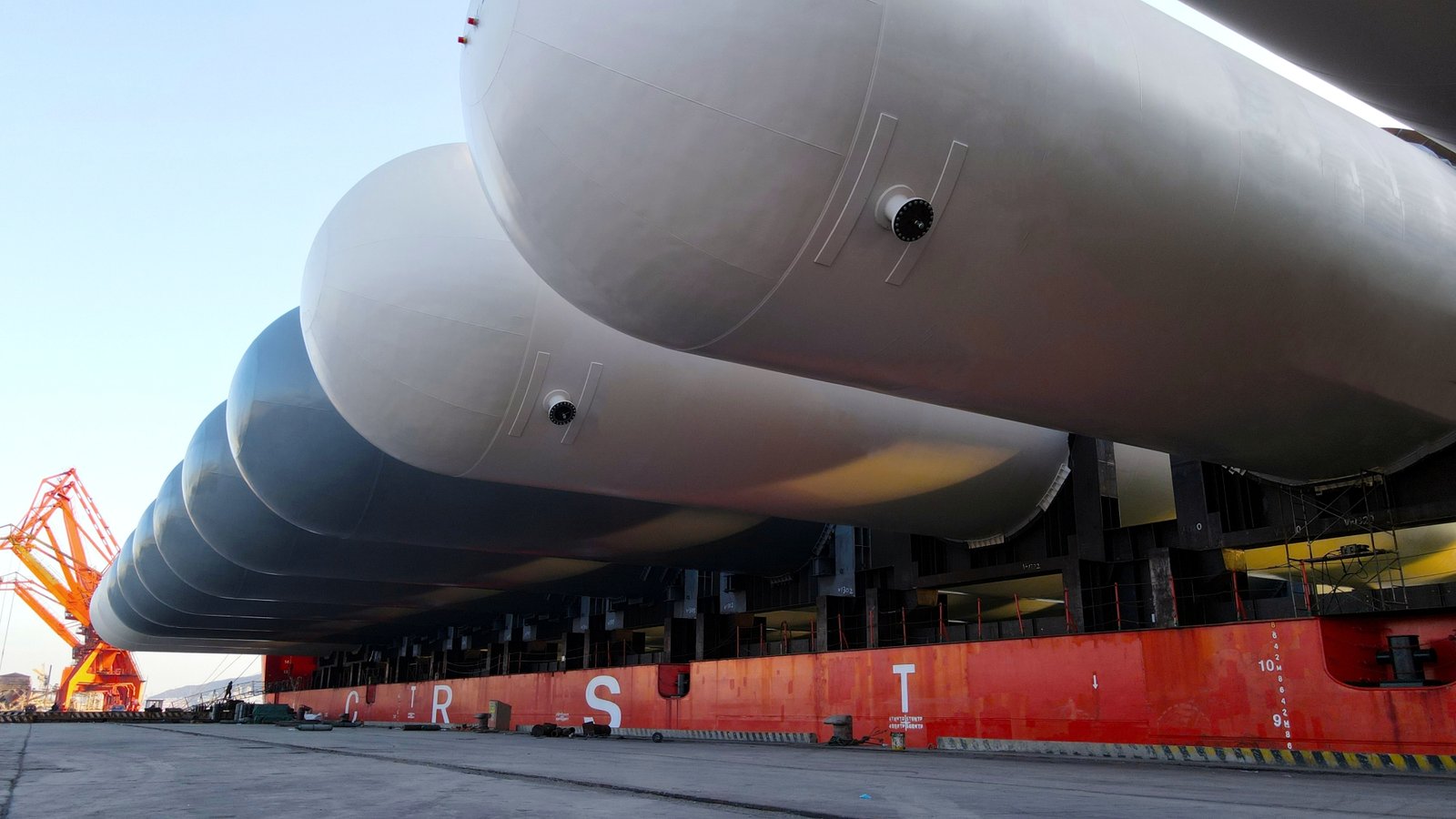
A large-scale pressure vessel manufacturer should also review transport feasibility early. Large LPG tanks may require special saddles, lifting points, preservation, export packing, route planning and port delivery coordination.
RFQ Checklist for Propane Rail Terminal Storage Equipment
Before requesting quotation, EPC buyers should prepare:
- LPG composition: propane, butane or mixture
- Tank volume and industrial storage capacity requirement
- Operating pressure and design pressure
- Operating temperature and design temperature
- Applicable codes and project standards
- Site layout and installation method
- Nozzle orientation and connection schedule
- Loading and unloading interface requirements
- Material grade and corrosion allowance
- NDE, testing and third-party inspection scope
- Coating and preservation requirements
- Documentation package
- Packing, lifting, transport and delivery terms
- Port or site delivery requirements for export projects
A complete RFQ helps the manufacturer evaluate the tank as a full engineered pressure equipment package.
Common Procurement Mistakes
| Mistake | Why it creates risk | Better approach |
|---|---|---|
| Treating LPG tanks like atmospheric storage | Pressure, vapor behavior and safety interfaces may be missed | Specify LPG storage as pressure equipment |
| Providing only storage volume | Composition, pressure, temperature and loading interfaces remain unclear | Provide datasheets, layout and operating basis |
| Leaving nozzle orientation late | Rail unloading, truck loading and piping may not fit the site | Freeze nozzle and interface drawings before fabrication |
| Comparing suppliers only by tank price | Inspection, coating, documentation and delivery scope may differ | Compare complete technical and commercial scope |
Conclusion
Propane rail terminal storage equipment should be specified around LPG composition, storage capacity, pressure conditions, loading interfaces, safety requirements, fabrication quality and delivery planning. EPC buyers should evaluate large LPG storage tanks, propane pressure vessels and related process equipment as a complete project boundary.
If you are planning an LPG terminal, propane storage, rail unloading, industrial fuel supply or overseas energy infrastructure project, you can share drawings, datasheets, operating conditions and delivery requirements with WSHI. Our team can support early communication for liquefied gas storage tanks, pressure vessel manufacturing and project delivery review. You can discuss your project requirements with our engineering team.
FAQ
What equipment is needed for a propane rail terminal?
A propane rail terminal may require LPG storage tanks, pressure vessels, unloading and loading interfaces, piping connections, safety systems, inspection documents and delivery planning.
Are LPG storage tanks pressure vessels?
LPG is commonly stored as a liquid under pressure, so LPG storage tanks are typically treated as pressure equipment. Final classification depends on project code and local regulations.
What information is needed to quote LPG storage tanks?
Buyers should provide LPG composition, tank volume, pressure, temperature, design code, material requirements, nozzle orientation, inspection scope, coating and delivery terms.
Does this article apply to LNG tanks?
No. This article is focused on LPG, including propane, butane and propane-butane supply projects.
Why is nozzle orientation important for LPG terminal tanks?
Nozzle orientation affects rail unloading, truck loading, piping layout, drainage, inspection access, site installation and possible rework before commissioning.