Six Large Process Towers Successfully Erected for an Overseas Petrochemical Project
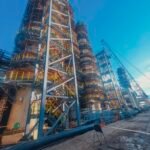
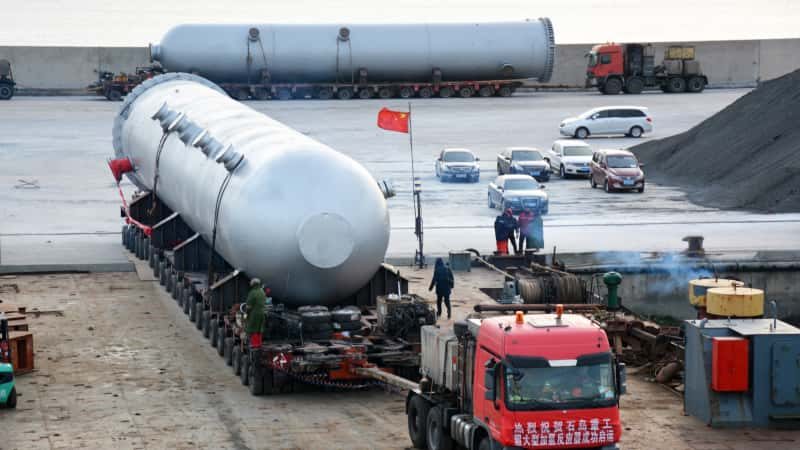
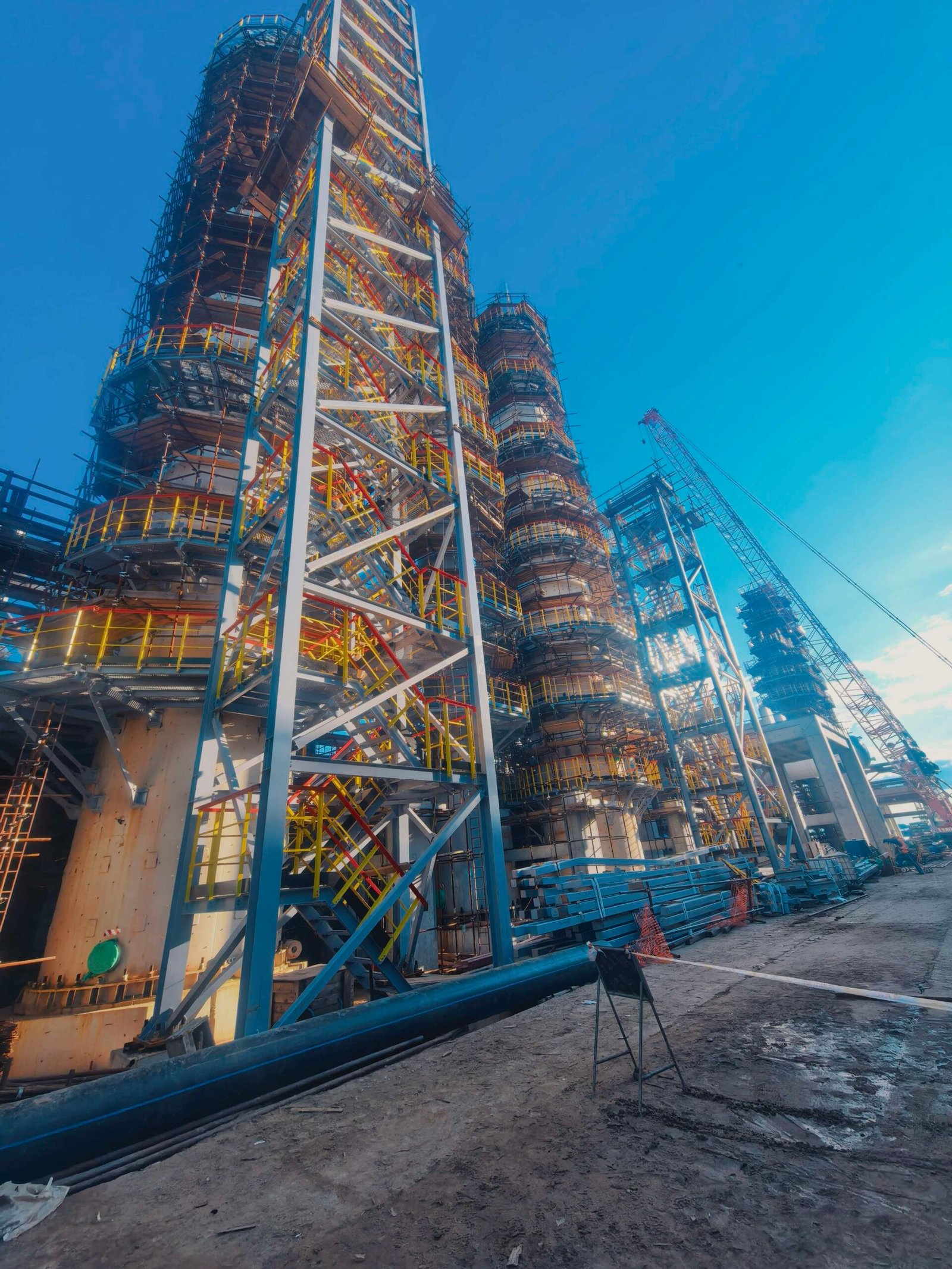
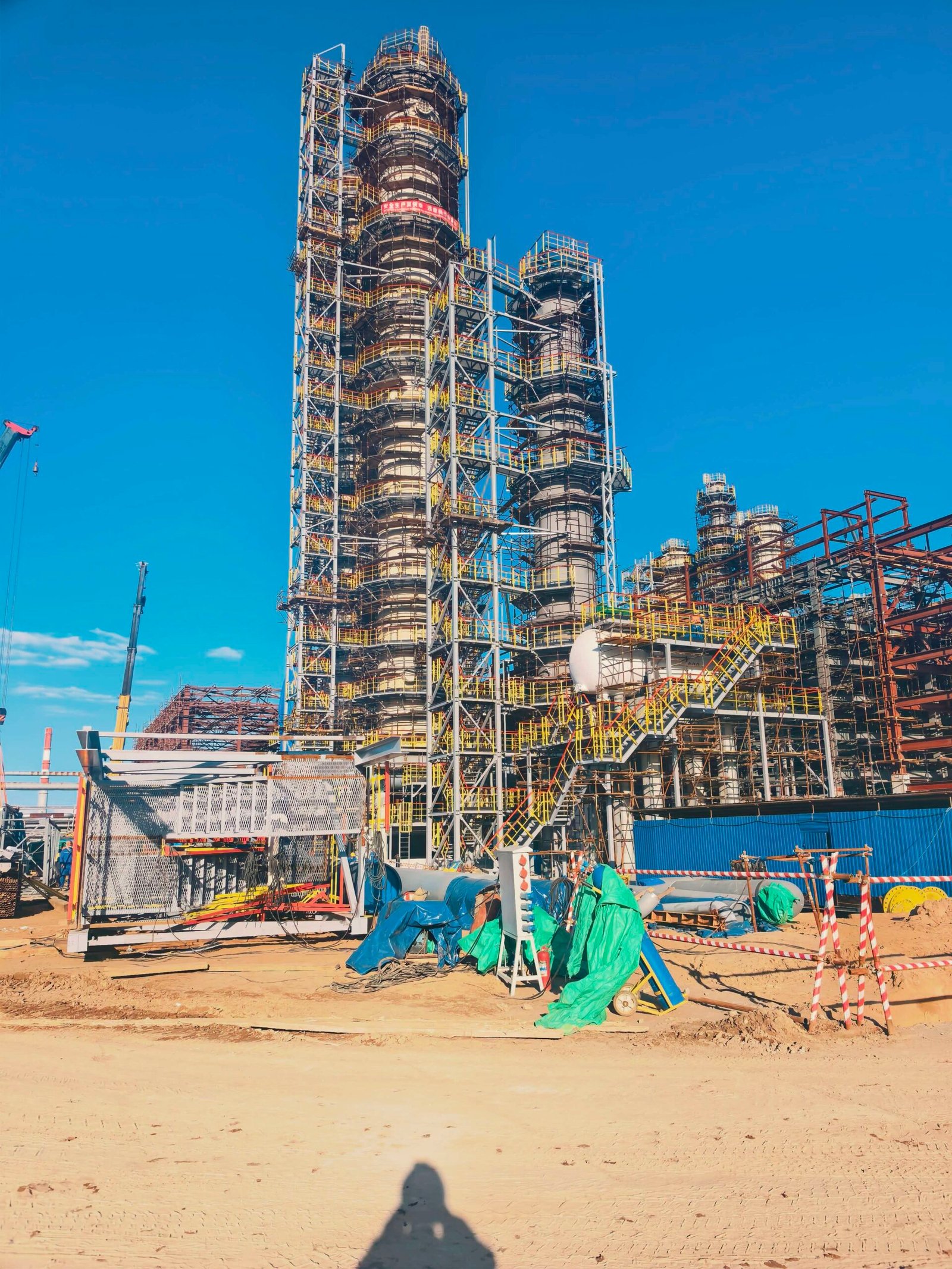
WSHI has received the latest site progress update for six large process towers supplied for an overseas petrochemical project. All six main tower bodies have now been successfully erected, while the associated platforms, ladders and access structures have also been installed.
For large process equipment, successful delivery is not simply about completing fabrication and shipping the equipment from the factory. The equipment must ultimately integrate with the project site, lifting plan, steel structures, piping interfaces and maintenance access requirements.
This project update shows the importance of managing the complete lifecycle of process towers and columns, from engineering coordination and fabrication to international delivery, erection and site installation interfaces.
Six Process Towers Progressing from Fabrication to Site Installation
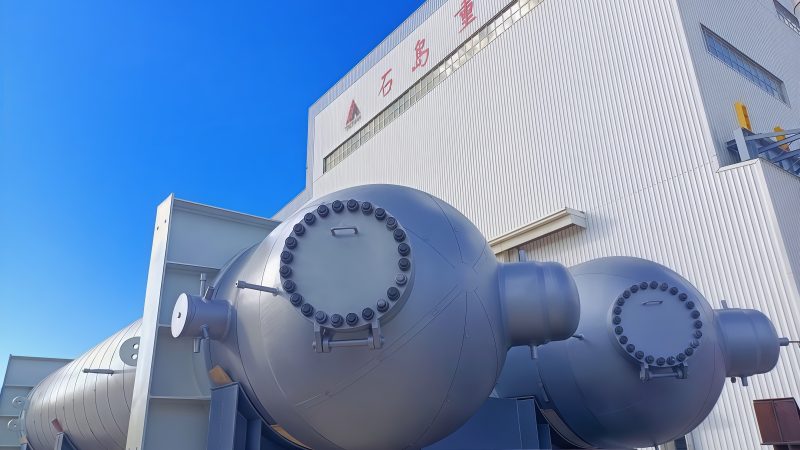
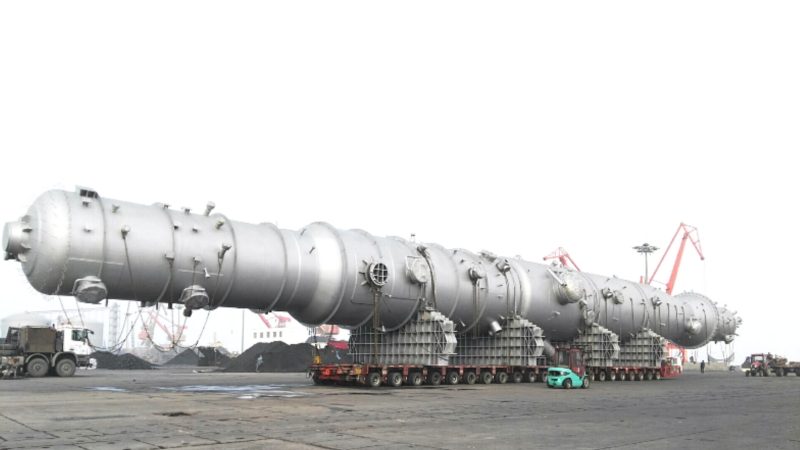
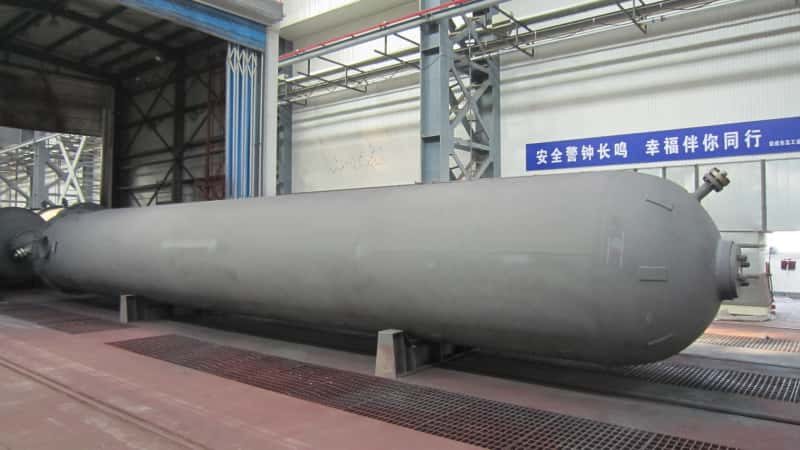
The six process towers were custom manufactured according to the customer’s project requirements and technical documentation. After fabrication, inspection and delivery, the towers arrived at the project site and entered the installation stage.
The latest site feedback confirms that:
- All six main tower bodies have been lifted and positioned.
- Platforms and ladders have been installed.
- Main equipment access structures have been completed.
- The towers have progressed into the next stage of overall project installation.
For confidentiality reasons, the end user, exact project location, process conditions, tower dimensions, operating parameters and internal configurations are not disclosed. However, the completed erection provides a clear reference for WSHI’s capability to manufacture and deliver large custom process towers for international industrial projects.
Why Site Erection Matters for Large Process Towers
Large process towers are different from standard industrial equipment. Their height, diameter, weight, nozzle arrangement, support structure and access requirements are normally customized according to the process design and plant layout.
This means that several installation-related factors must already be considered during engineering and fabrication, including:
- Tower lifting points and lifting orientation
- Center of gravity and handling requirements
- Nozzle position and elevation
- Connections with process piping
- Tower support and foundation interfaces
- Platform and ladder arrangement
- Maintenance and inspection access
- Transportation limitations
- Site installation sequence
The successful erection of these six towers shows why large process equipment should be managed as a complete project package, rather than simply as fabricated steel equipment. A tower may meet dimensional and fabrication requirements inside the workshop, but the real project test comes when it reaches the site and must fit correctly into the overall plant arrangement.
Platforms and Ladders Are Part of the Complete Tower Package
Platforms and ladders may appear secondary compared with the main pressure-containing tower body, but they play an important role in actual plant operation. They provide access for operation, inspection, instrument monitoring, valve operation, maintenance, internal inspection preparation and future shutdown activities.
For this project, the platform and ladder installation has now been completed following erection of the main tower bodies. Their successful installation also reflects the importance of coordinating access structures with nozzle positions, operating levels, surrounding equipment and plant steel structures during the engineering stage.
Manufacturing Large Process Towers for Petrochemical Projects
Process towers and columns are widely used in petrochemical, refining, chemical, gas processing, fertilizer and other industrial process plants. Depending on the process design, towers may be used for distillation, absorption, stripping, scrubbing, separation, gas treatment and other process operations.
Unlike standard storage tanks or catalog equipment, process towers are usually manufactured according to project-specific drawings, datasheets and technical specifications. For buyers planning similar petrochemical pressure vessel and tower packages, early technical coordination helps reduce changes during fabrication and site installation.
Typical manufacturing activities may include material procurement, plate forming, shell fabrication, welding, dimensional control, non-destructive examination, heat treatment where required, pressure testing, coating, preservation and preparation for shipment.
Quality Control Before Overseas Delivery
Large process towers require systematic quality control throughout fabrication. Depending on the applicable project specification, inspection activities may include:
- Material identification and traceability
- Welding procedure and welder qualification control
- Visual inspection
- Radiographic testing
- Ultrasonic testing
- Magnetic particle testing
- Penetrant testing
- Dimensional inspection
- Pressure testing
- Surface preparation and coating inspection
- Final documentation review
International codes and standards such as ASME BPVC Section VIII may apply where specified by the project. Welding qualification requirements may also follow ASME Section IX, ISO standards or other project-specific requirements.
The actual design code, inspection scope and acceptance criteria should always follow the agreed contract documents and technical specifications.
From Factory Manufacturing to Site Installation
For an overseas process tower project, manufacturing is only one stage of the complete supply chain. A typical project may involve:
| Project stage | Why it matters for large process towers |
|---|---|
| Engineering coordination | Confirms drawings, datasheets, materials, nozzles, platforms and delivery boundaries. |
| Fabrication and inspection | Controls welding quality, dimensional accuracy, testing, coating and documentation. |
| Export delivery | Requires preservation, lifting planning, shipping supports and route coordination. |
| Site erection | Verifies that lifting points, supports, nozzles and access structures match site needs. |
| Plant integration | Connects the towers with steel structures, piping, instruments and maintenance access. |
For example, nozzle orientation affects piping installation. Platform arrangement affects site access. Lifting points affect erection. Coating and preservation affect equipment condition after international transportation. The latest progress of these six process towers therefore represents more than the completion of a lifting operation. It demonstrates that the equipment has moved successfully from factory manufacturing and overseas delivery into physical integration with the project site.
What EPC Buyers Should Confirm When Procuring Large Process Towers
For EPC contractors and industrial project owners planning similar equipment purchases, providing complete technical information at the RFQ stage can significantly improve project coordination.
Useful information normally includes:
- Process datasheets
- Equipment drawings
- Design pressure and temperature
- Operating conditions
- Process medium
- Material requirements
- Corrosion allowance
- Nozzle schedule and orientation
- Platform and ladder requirements
- Inspection and NDE requirements
- Applicable design code
- Painting and coating specifications
- Transportation requirements
- Delivery terms
- Required project documentation
For large equipment, it is also useful to discuss transportation, lifting and site access requirements during the early engineering stage rather than after fabrication has already been completed. Related equipment may include custom pressure vessels, separators, industrial heat exchangers and large storage vessels used in the same project package.
WSHI’s Experience in Custom Process Equipment
WSHI manufactures custom process equipment for chemical, petrochemical, energy and other industrial applications. Our manufacturing scope includes process towers and columns, pressure vessels, separators, reactors, heat exchangers, storage vessels and other large custom-fabricated process equipment.
Equipment can be manufactured according to customer drawings, datasheets, project specifications and agreed inspection requirements. The successful erection of these six large process towers, together with completion of their platforms and ladders, provides another project reference for WSHI’s ability to support international industrial projects from fabrication through delivery and site installation coordination.
Planning a Process Tower or Column Project?
If you are planning a petrochemical, chemical, refining, gas processing, fertilizer or energy project and require large process towers, columns or other custom pressure equipment, you can send us your drawings, datasheets and project specifications.
Our engineering and manufacturing team can review the requirements and support early-stage communication regarding fabrication feasibility, material selection, inspection planning, transportation and delivery. You can contact our engineering team to discuss your process equipment project.
Frequently Asked Questions
What are process towers used for?
Process towers are commonly used for separation, distillation, absorption, stripping, scrubbing and other process operations in petrochemical, refining, chemical, gas processing and related industrial plants.
Can WSHI manufacture large custom process towers?
Yes. WSHI manufactures custom process towers and columns according to customer drawings, datasheets, technical specifications and agreed inspection requirements.
Can platforms and ladders be supplied with process towers?
Yes. Platforms, ladders and related access structures can be coordinated with the tower design according to project requirements. Their arrangement should be considered together with nozzle positions, maintenance access and site installation interfaces.
What information should be included in a process tower RFQ?
Buyers should normally provide drawings, datasheets, design and operating conditions, material requirements, nozzle information, inspection requirements, platform and ladder requirements, coating specifications and delivery requirements.
Can WSHI supply process towers for overseas projects?
Yes. WSHI supports international industrial projects requiring custom pressure vessels, process towers, columns and related process equipment, including manufacturing, inspection and export delivery coordination.