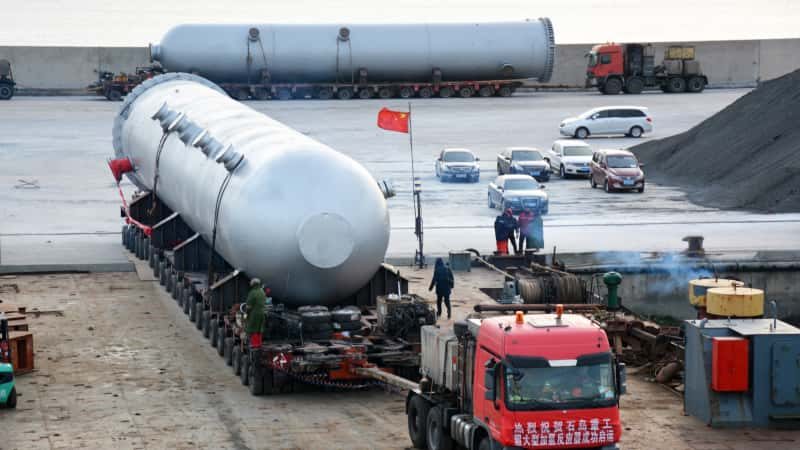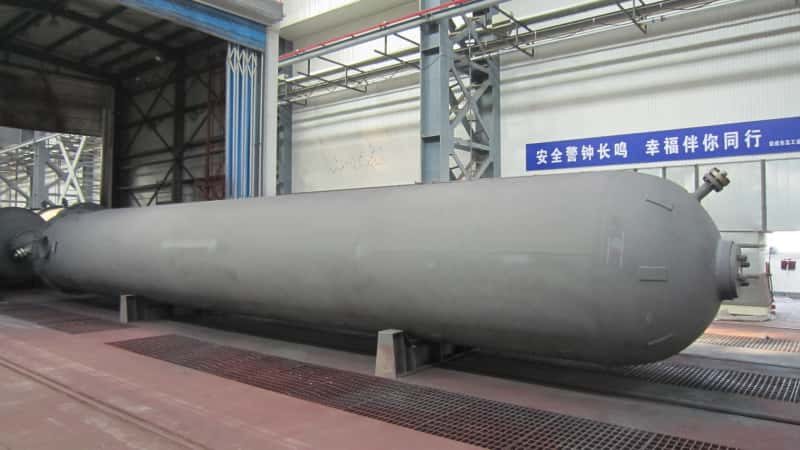

Refined products terminal equipment is gaining attention as pipeline and fuel logistics projects focus on supply assurance, market flexibility, and regional energy resilience. For EPC buyers, the key issue is not the pipeline itself. It is the complete terminal equipment boundary around storage, buffering, product handling, heat management, safety systems, inspection, and delivery.
Large storage tanks, pressure vessels, heat exchangers, and loading-related equipment must be specified according to product properties, operating conditions, site layout, environmental requirements, and project delivery constraints. The right procurement scope should support terminal reliability without turning the article into a small accessory or component inquiry.
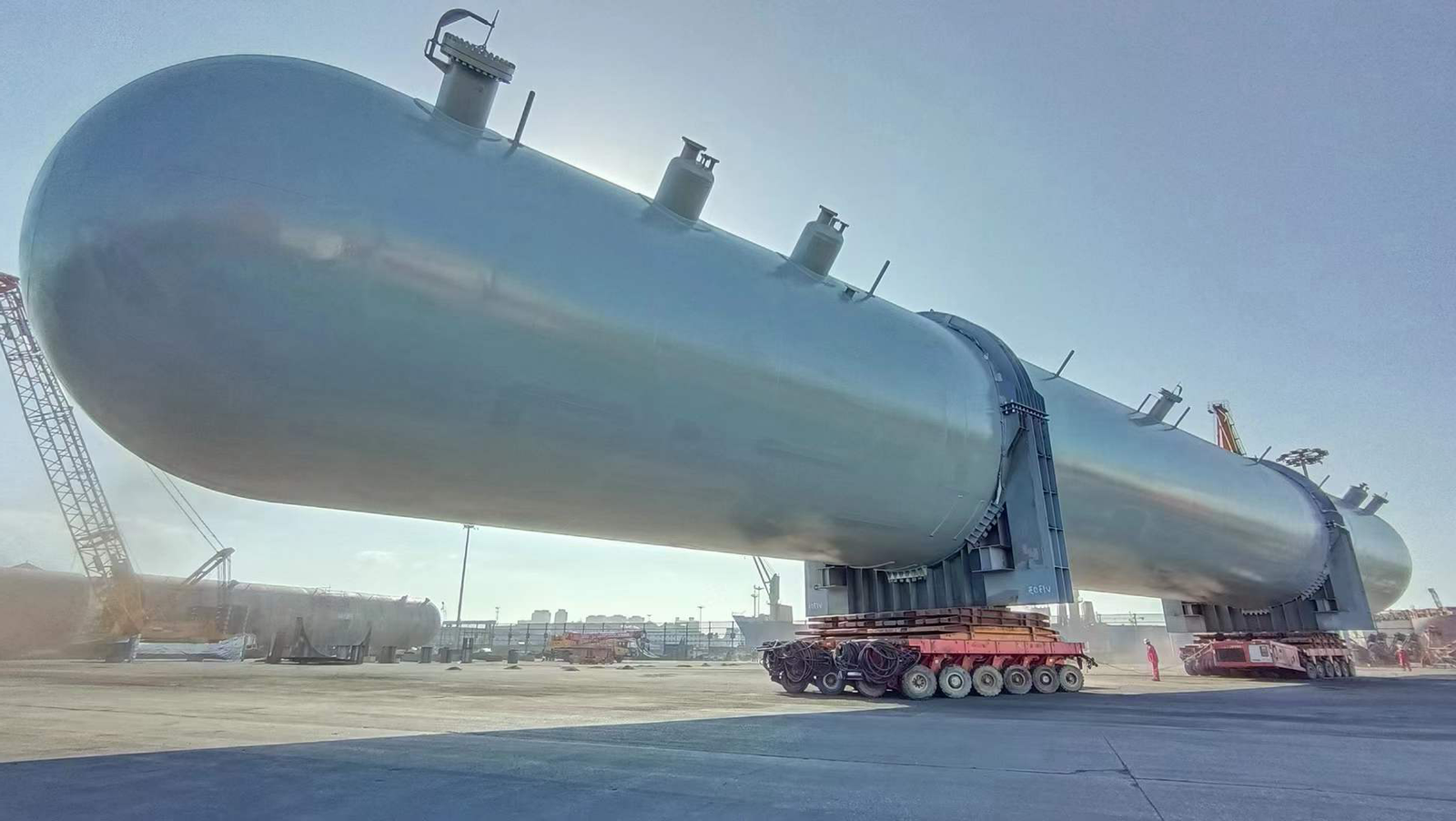
Recent project activity shows why this topic matters. In August 2026, Phillips 66 announced that Phillips 66, Kinder Morgan, and HF Sinclair reached a final investment decision for the Western Gateway Pipeline, a refined products pipeline system designed to improve supply flexibility, logistics reliability, and long-term fuel resilience in western markets. Oil & Gas Journal also reported on the partners advancing the pipeline project. For equipment manufacturers, the relevant angle is the terminal, storage, and fabricated equipment that supports refined products logistics.
Refined products terminal equipment can be selected only by tank volume.False
Product properties, vapor pressure, temperature, coating, fire safety, inspection access, pressure boundary, site layout, and delivery method can all affect terminal equipment selection.
For EPC projects, refined products terminal equipment should be reviewed as a complete equipment boundary.True
Large storage tanks, pressure vessels, heat exchangers, loading interfaces, drainage, vapor handling interfaces, QA documents, and delivery limits must be coordinated before procurement.
Why Refined Products Terminal Equipment Is a Current Topic
Refined products terminals can support supply assurance by providing inventory buffering, batch management, product transfer, and regional logistics flexibility. They may be connected to pipelines, truck loading racks, rail facilities, marine terminals, blending systems, or storage yards.
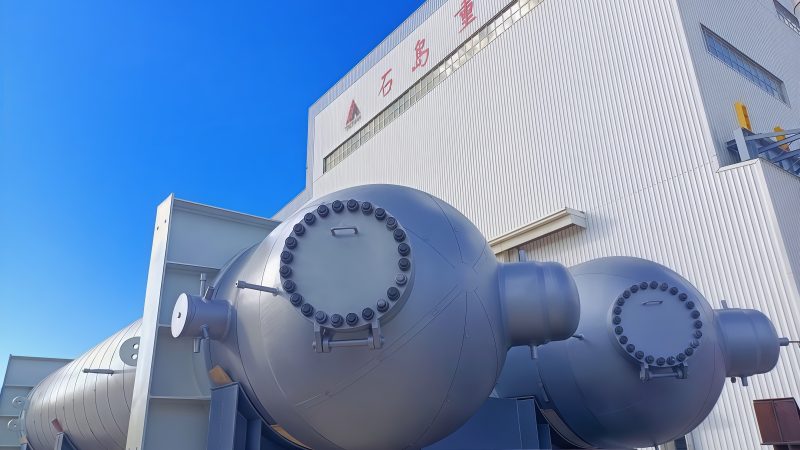
For EPC buyers, the most relevant equipment categories include industrial storage tanks, custom pressure vessels, industrial heat exchangers, and pressure vessels for oil and gas. Each item must match the product, project standards, inspection plan, site interfaces, and delivery scope.
What Is Included in Refined Products Terminal Equipment?
A refined products terminal may handle gasoline, diesel, jet fuel, naphtha, blend components, renewable fuel blends, or other petroleum-derived products depending on the project. The equipment scope should be confirmed by the owner and EPC contractor, but several major equipment categories are common.
Large Storage Tanks
Storage tanks are usually the center of a refined products terminal. They provide inventory buffering, batch management, quality control, and operational flexibility. For WSHI’s positioning, storage tank content should remain focused on project-scale equipment above 1,000 liters, not small commercial or residential tanks.
Tank selection should consider product type, vapor pressure, operating temperature, corrosion risk, foundation interface, coating or lining requirements, fire protection philosophy, inspection access, filling and withdrawal cycles, and site layout.
For some projects, atmospheric tanks may be suitable. For others, low-pressure or pressurized storage may be required depending on product properties and applicable project standards. Final selection should follow process design, owner specifications, and local regulations.
Pressure Vessels and Buffer Equipment
Terminals and pipeline-connected facilities may use pressure vessels for surge control, vapor handling, separation, drain collection, additive systems, utility service, or process interfaces. These should be specified as complete engineered vessels with defined pressure boundary, material, nozzles, supports, inspection, testing, coating, and documentation scope.
The objective is not to purchase small accessories separately. Nozzles, supports, instruments, and appurtenances should be considered only as part of the complete vessel or equipment package.
Heat Exchangers and Temperature Control Equipment
Some refined products terminal projects may require product heating, cooling, heat tracing interfaces, vapor recovery thermal support, utility heating, or temperature conditioning for specific products. Shell and tube heat exchangers or other industrial exchangers may be reviewed where rugged fabrication, maintainability, and project-specific mechanical design are needed.
Buyers should clarify heat duty, fluid properties, design pressure, design temperature, allowable pressure drop, fouling expectations, material requirements, and maintenance access.
Loading, Unloading, and Delivery Interfaces
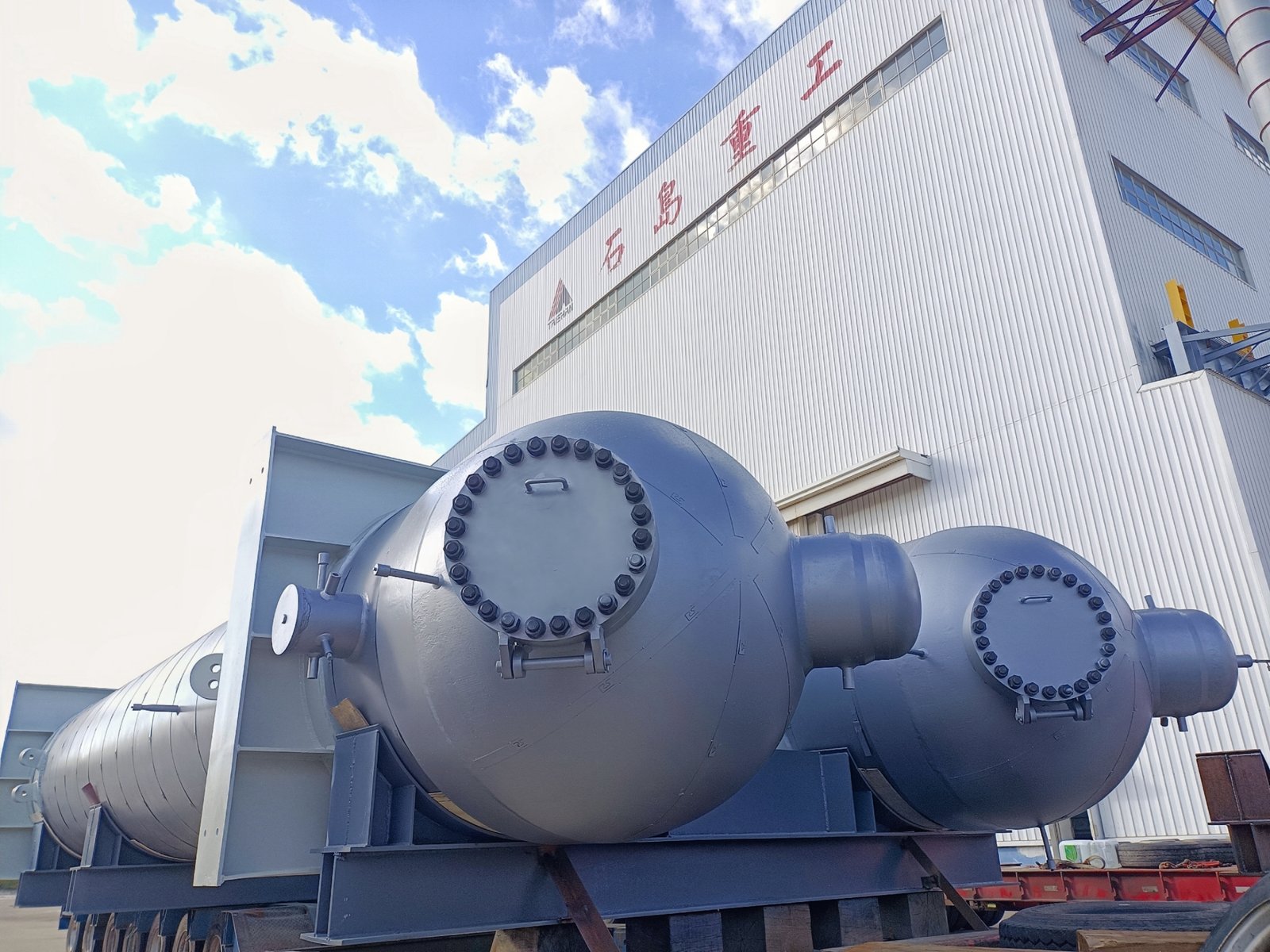
Fuel terminals may include truck loading, rail loading, marine loading, pipeline receipt, blending, additive injection, metering, and transfer pump interfaces. WSHI should not be positioned as a small loading accessory supplier, but fabricated tanks, pressure vessels, heat exchangers, and equipment packages must be designed around these interfaces.
EPC buyers should confirm nozzle orientation, pipe rack interface, pump connection requirements, loading area layout, drainage boundary, vapor handling interfaces, and preservation requirements before fabrication.
Terminal Equipment Scope Checklist
| Equipment Area | Typical Complete Equipment | Buyer Review Point |
|---|---|---|
| Storage | Large fuel storage tanks, buffer tanks, off-spec product tanks | Product properties, capacity, vapor pressure, coating, foundation, inspection access |
| Pressure equipment | Surge vessels, drain vessels, vapor handling vessels, utility pressure vessels | Design pressure, materials, nozzles, supports, NDE, pressure testing, documentation |
| Thermal equipment | Heat exchangers, coolers, heaters, utility exchangers | Heat duty, pressure drop, fouling, cleaning, material compatibility |
| Loading interfaces | Fabricated equipment connected to truck, rail, marine, or pipeline transfer systems | Nozzle orientation, piping interface, drainage, vapor handling, site layout |
| Delivery and QA | Coated tanks, packed vessels, final data books, export documentation | Inspection hold points, coating records, packing, transport limits, delivery terms |
Key Selection Factors for EPC Buyers
Product Properties and Compatibility
Refined products are not identical. Gasoline, diesel, jet fuel, naphtha, ethanol-blended fuels, biofuel blends, and additives can have different vapor pressure, flash point, water sensitivity, corrosion behavior, storage requirements, and cleanliness expectations.
Before requesting a quotation, buyers should provide product name, composition if available, density, viscosity, vapor pressure, temperature range, corrosion data, water content concerns, and whether the product requires special coating, lining, or cleanliness control.
Tank Capacity and Site Layout
Large storage tanks should be sized according to throughput, batch size, supply interruption risk, truck or rail scheduling, pipeline operating philosophy, and inventory management. The tank arrangement should also consider fire spacing, containment, drainage, access roads, maintenance, inspection, and future expansion.
For EPC procurement, tank capacity should be defined together with site layout, foundation data, nozzle orientation, roof type if applicable, coating system, and delivery method.
Standards, Inspection, and Safety Requirements
Refined products terminals involve flammable or combustible liquids, so standards and safety requirements must be handled carefully. OSHA’s storage tank standards page references recognized industry standards such as API 650 for welded oil storage tanks and API 653 for tank inspection, repair, alteration, and reconstruction. API also lists standards related to terminal and tank facilities in its standards plan, including terminal and tank facility standards.
These references are useful for background, but the final code and compliance path should be confirmed by the owner, EPC contractor, local authority, and latest applicable project requirements.
Coating, Lining, and Corrosion Protection
Coating and lining requirements can affect both service life and schedule. External coating may need to address climate, coastal exposure, UV exposure, humidity, and site corrosion conditions. Internal coating or lining may be required depending on product, water content, ethanol blend, cleanliness expectation, or owner specification.
The RFQ should define surface preparation, primer, paint system, dry film thickness, internal coating, holiday testing if required, inspection requirements, and repair procedures.
Delivery, Export, and Site Installation Boundary
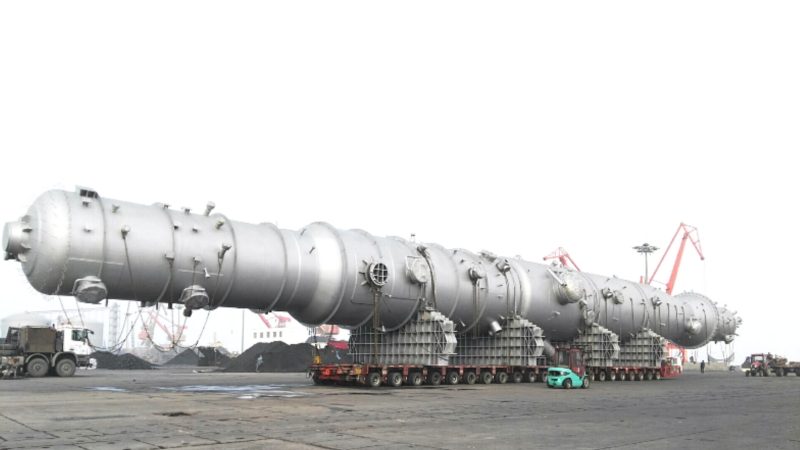
Large tanks and pressure vessels can be shop-fabricated, modularized, or delivered in sections depending on size, route, and site conditions. EPC buyers should define transport dimensions, destination, lifting limits, port handling, packaging, preservation, documentation, and whether field assembly is included or excluded.
For overseas projects, equipment delivery terms should be clear before quotation. FOB, CFR, CIF, DAP, and site delivery each create different responsibilities and cost boundaries.

Manufacturing and Quality Control Considerations
Manufacturing quality matters because terminal equipment is often exposed to flammable products, outdoor environments, long service life expectations, and strict inspection requirements. Buyers should review the manufacturer’s ability to support drawing review, material procurement, welding, dimensional inspection, NDE where specified, pressure testing where applicable, surface treatment, coating inspection, packing, and delivery.
For pressure vessels, typical quality control may include material traceability, welding procedure qualification, welder qualification, fit-up inspection, visual inspection, RT or UT where required, hydrostatic or pneumatic testing where applicable, dimensional inspection, and final documentation.
For tanks, quality review may include material certificates, weld inspection, dimensional checks, coating inspection, leak testing where required by specification, and final as-built documentation.
As a large-scale pressure vessel manufacturer, WSHI focuses on complete industrial equipment manufacturing for oil and gas, petrochemical, chemical, new energy, and environmental engineering projects. EPC teams can also download the pressure vessel catalog when preparing early equipment lists.
Common Procurement Mistakes
One common mistake is treating terminal equipment as separate isolated purchases. Storage tanks, pressure vessels, transfer interfaces, heat exchangers, vapor systems, drainage, and loading areas must work together.
Another mistake is selecting tanks only by volume. Product properties, vapor pressure, fire safety, corrosion, coating, foundation, inspection access, and delivery method can all change the final equipment design.
A third mistake is leaving coating and documentation requirements until late procurement. Coating systems require curing time and inspection, while documentation may be needed before shipment or site acceptance.
A fourth mistake is unclear battery limits. The RFQ should define what is included in the manufacturer’s scope and what remains with the EPC contractor or site installer.
What Should EPC Buyers Prepare Before RFQ?
| RFQ Item | Information to Provide |
|---|---|
| Product basis | Product type, properties, vapor pressure, temperature range, water or cleanliness concerns |
| Storage requirement | Capacity above 1,000 liters, throughput, batch size, roof or pressure condition, site layout |
| Mechanical conditions | Operating and design pressure where applicable, temperature, material, nozzles, supports |
| Standards and inspection | Applicable codes, owner standards, NDE, testing, third-party inspection, documentation |
| Coating and corrosion | Internal and external coating, lining, surface preparation, DFT, holiday testing if required |
| Delivery boundary | Destination, Incoterms, transport limits, lifting restrictions, packing, preservation, schedule |
FAQ
What equipment is used in a refined products terminal?
A terminal may include large storage tanks, pressure vessels, transfer equipment interfaces, heat exchangers where needed, loading and unloading interfaces, vapor handling systems, drainage systems, and control-related interfaces.
Are refined products terminal tanks pressure vessels?
Not always. Some refined products tanks are atmospheric storage tanks, while some services may require low-pressure or pressurized equipment. The correct selection depends on product properties, operating conditions, and applicable standards.
What information is needed before ordering fuel terminal storage tanks?
Buyers should provide product type, capacity, operating temperature, vapor pressure, material requirements, coating or lining specification, applicable standards, site layout, inspection requirements, and delivery terms.
Why is coating important for refined products storage tanks?
Coating can affect corrosion protection, product cleanliness, service life, and maintenance. Internal and external coating requirements should be defined before quotation.
Can one manufacturer support multiple terminal equipment types?
Depending on capability, a manufacturer may support large storage tanks, pressure vessels, heat exchangers, and fabricated process equipment. EPC buyers should confirm scope, documentation, inspection, and delivery capability.
Conclusion
Refined products terminal equipment for supply assurance projects should be planned as a complete EPC equipment boundary. Large storage tanks, pressure vessels, heat exchangers, loading interfaces, coating systems, inspection requirements, documentation, and delivery planning all affect terminal reliability and project execution.
If you are preparing a refined products terminal, fuel storage, pipeline terminal, tank farm, or oil and gas logistics project, you can discuss your project requirements with WSHI. Sharing datasheets, drawings, product properties, tank capacity, material requirements, inspection scope, coating specification, and delivery terms will help support feasibility review for large industrial storage tanks, custom pressure vessels, heat exchangers, and project-based fabricated equipment.