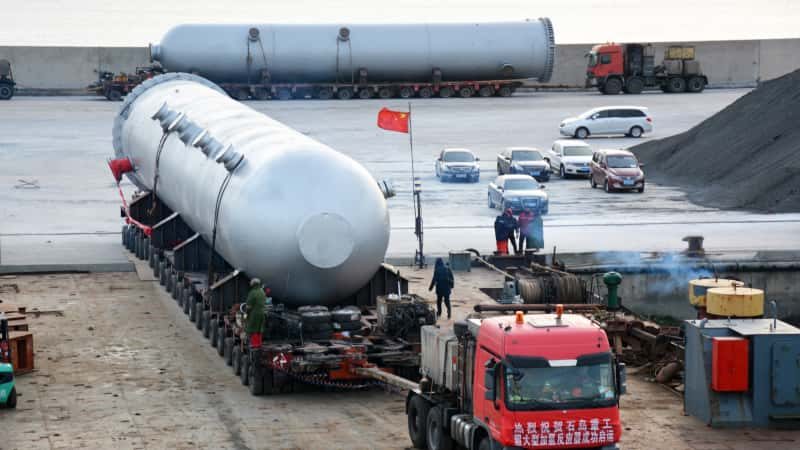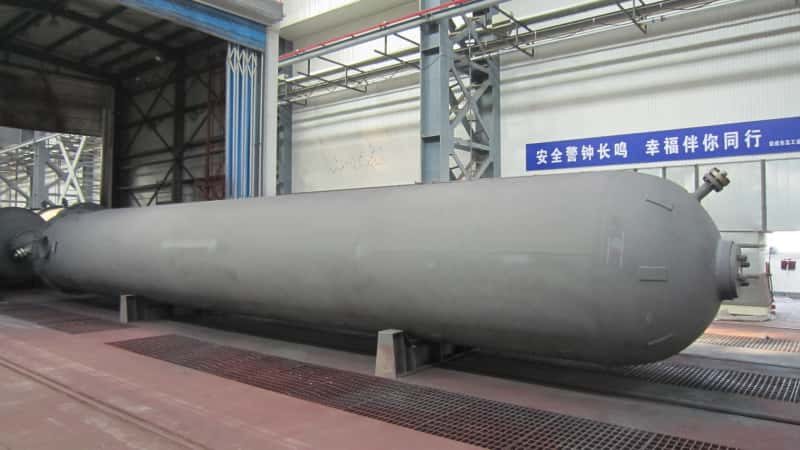

Refinery export corridor projects require more than process unit procurement. EPC buyers must coordinate large storage tanks, pressure vessels, heat exchangers, separators, process towers, loading interfaces, and port delivery requirements as one connected equipment plan. If these items are purchased separately without early logistics and documentation review, fabrication delays, site installation problems, and export delivery risks can increase.
Recent downstream project news shows why this topic matters. Hydrocarbon Processing reported that MERA Oil is planning a 200,000-bpd integrated refinery and energy export corridor outside the Strait of Hormuz, including refinery facilities, deepwater port infrastructure, large-scale crude and refined product storage, and marine export facilities. For equipment buyers, this kind of project highlights a practical question: how should major static equipment be specified, manufactured, inspected, and delivered for refinery and export corridor projects?

What Is a Refinery Export Corridor?
A refinery export corridor is an integrated downstream infrastructure project that connects refining capacity with storage, logistics, port access, and product export. Instead of operating as a standalone refinery, the project is planned around the full movement of crude oil, intermediate streams, refined products, utilities, and export cargo.
For EPC teams, this means the equipment scope may include custom pressure vessels, industrial heat exchangers, separators, process towers and columns, and large industrial storage tanks. The procurement plan should also consider road transport, heavy lifting, port delivery, preservation, packing, and documentation for oversized equipment.
Main Equipment Used in Refinery Export Corridor Projects
Large Storage Tanks Above 1,000L
Storage is one of the most visible equipment categories in refinery export corridor projects. Large tanks may be used for crude oil, intermediate products, diesel, jet fuel, naphtha, fuel oil, process chemicals, wastewater, or other refinery streams.
For this type of project, tank procurement should focus on industrial-scale tanks above 1,000L and project-based storage systems, not small containers. Buyers should define tank capacity, medium, operating temperature, pressure condition, corrosion allowance, coating or lining requirements, foundation interface, fire safety requirements, and delivery method.
For atmospheric welded tanks, project teams may reference API 650 where applicable. For low-pressure or pressurized storage, other standards or pressure vessel codes may be required depending on service conditions. Final selection should always follow the project specification and local regulatory requirements.
Pressure Vessels and Separators
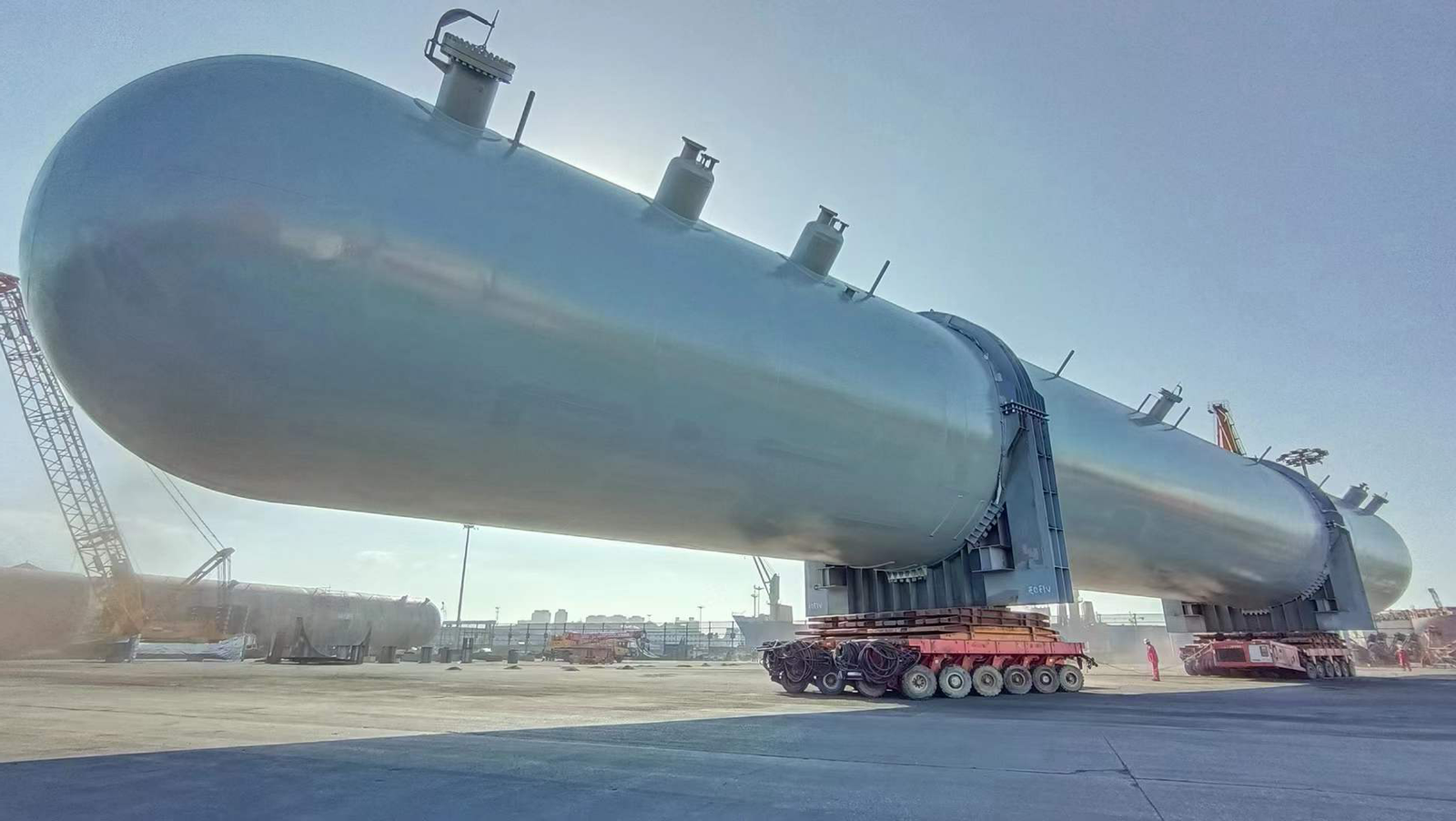
Refinery systems use pressure vessels for separation, buffering, surge control, gas-liquid handling, condensate collection, and process stabilization. Separators are especially important where streams contain gas, liquid hydrocarbons, water, or mixed phases.
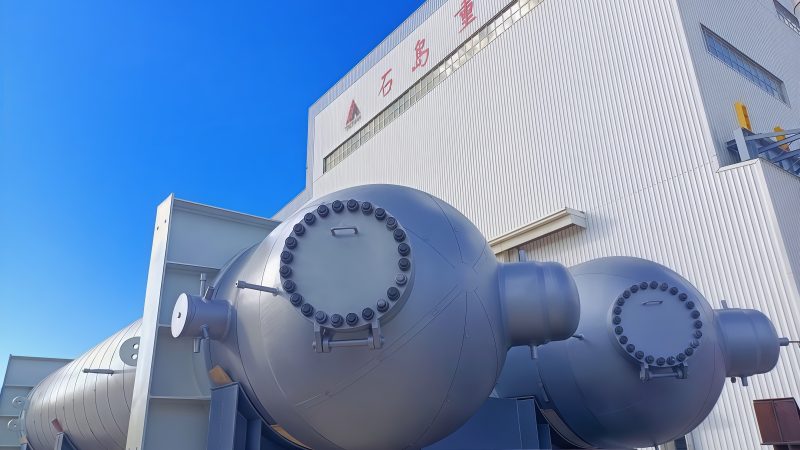
When specifying pressure vessels for oil and gas, EPC buyers should provide design pressure, design temperature, operating conditions, medium composition, corrosion allowance, material requirements, inspection scope, and applicable code. For pressure vessels, ASME BPVC Section VIII may apply in many projects, but the final requirement depends on owner specifications, destination regulations, and the service conditions.
Heat Exchangers
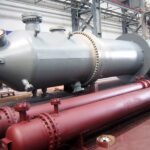
Refinery export corridors depend on heat transfer equipment for feed preheating, product cooling, condensation, heat recovery, and utility integration. A shell and tube heat exchanger is often considered for heavy-duty refinery service because it can be engineered for a wide range of pressure, temperature, material, and maintenance requirements.
Before requesting a quotation, buyers should prepare thermal datasheets, fluid properties, heat duty, allowable pressure drop, fouling assumptions, material requirements, inspection needs, and cleaning expectations. In refinery projects, heat exchanger selection should not be based only on purchase price. Maintainability, corrosion resistance, delivery schedule, and documentation quality can all affect lifecycle cost.
Towers, Columns, and Scrubbing Equipment
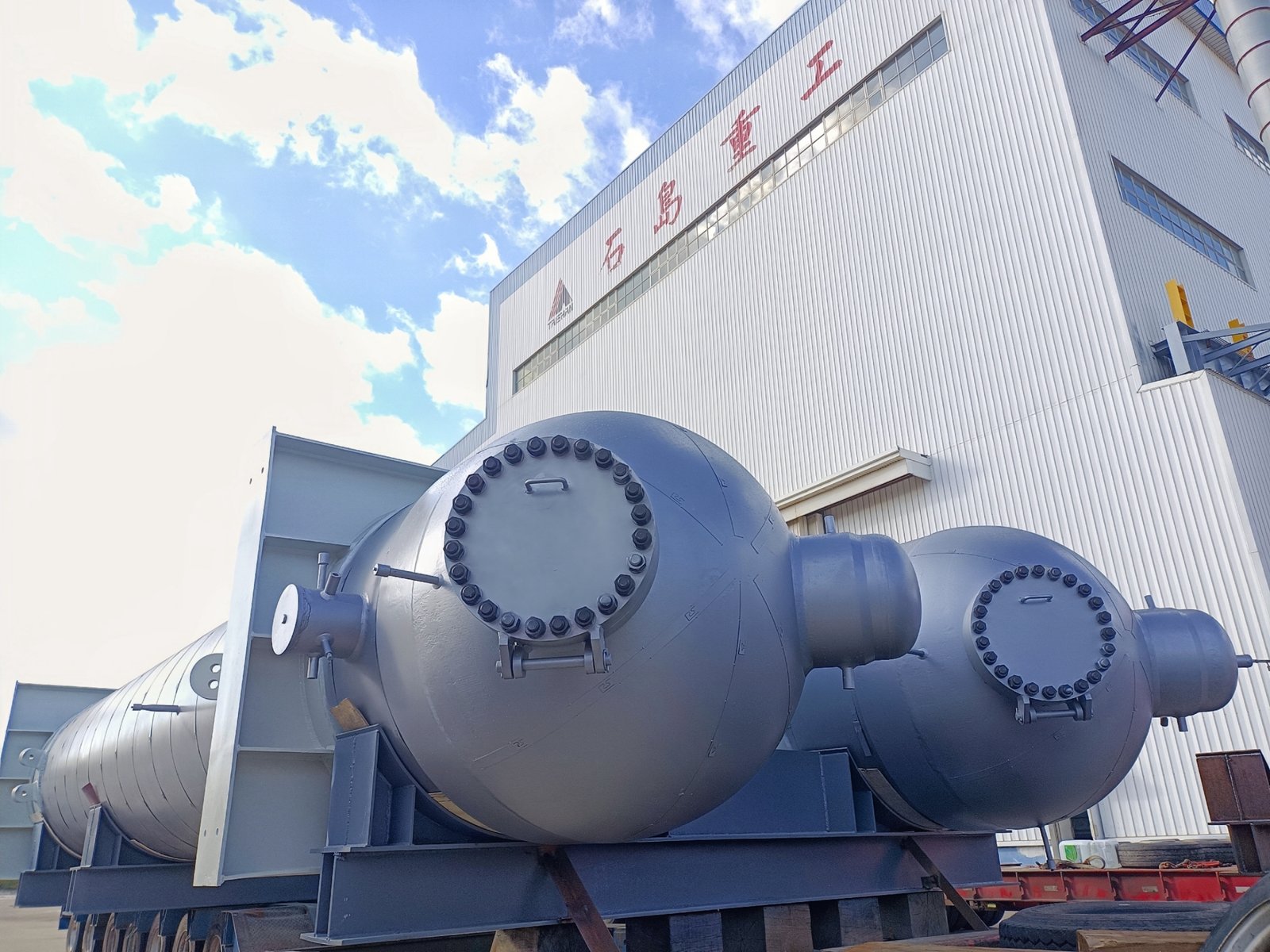
Refinery and export corridor projects may require towers and columns for fractionation, stripping, absorption, washing, and gas treatment. Depending on the process design, custom distillation columns or industrial gas scrubbers may be part of the complete static equipment package.
The key is to purchase complete fabricated towers or columns, not isolated small components. Buyers should define the vessel body, materials, nozzle orientation, support arrangement, inspection requirements, coating or lining, platform interface if specified, transport size, and site delivery boundary.
Key Selection Factors for EPC Buyers
1. Process Conditions and Medium Properties
Every equipment quotation should begin with reliable process data. For refinery projects, this includes medium composition, sulfur content where relevant, water content, chloride risk, operating pressure, operating temperature, design pressure, design temperature, density, viscosity, phase condition, and corrosion behavior.
Incomplete data can lead to repeated clarification, conservative assumptions, quotation delays, and later design changes. A clear technical package helps the manufacturer evaluate material procurement, forming, welding, NDE, pressure testing, painting, and delivery.
2. Applicable Standards and Compliance Basis
Different refinery equipment categories may follow different standards. Pressure vessels may be designed according to ASME BPVC Section VIII or other applicable pressure vessel standards. Atmospheric storage tanks may reference API 650 where suitable. Project-specific requirements, local regulations, owner specifications, and inspection authority rules may also apply.
Because refinery and fuel storage projects involve safety, environmental, and hazardous material considerations, the article should not be used as a compliance conclusion. The EPC team should confirm all standards and regulatory requirements with qualified engineers and the relevant authority.
3. Material Selection and Corrosion Control
Refinery streams may contain hydrocarbons, sulfur compounds, water, acids, salts, or other corrosive components. Material selection should be based on the service environment, temperature, pressure, corrosion allowance, coating or lining needs, and inspection strategy.
For large tanks and pressure vessels, buyers should define the required material grade, plate thickness basis, corrosion allowance, surface preparation, coating system, and documentation requirements. Any material substitution should go through formal technical approval.
4. Manufacturing Capacity and Quality Control
Large refinery equipment requires controlled fabrication. EPC buyers should review whether the manufacturer can support drawing review, material procurement, welding, forming, assembly, dimensional inspection, NDE, pressure testing, coating, preservation, and final documentation.
As a large-scale pressure vessel manufacturer, WSHI supports project-based fabrication of pressure vessels, heat exchangers, towers, separators, and large storage tanks for oil and gas, petrochemical, chemical, new energy, and environmental engineering applications.
5. Transport, Loading, and Port Delivery
Export corridor projects often involve oversized equipment, heavy modules, and port-connected industrial land. This makes transport planning part of the equipment procurement decision.
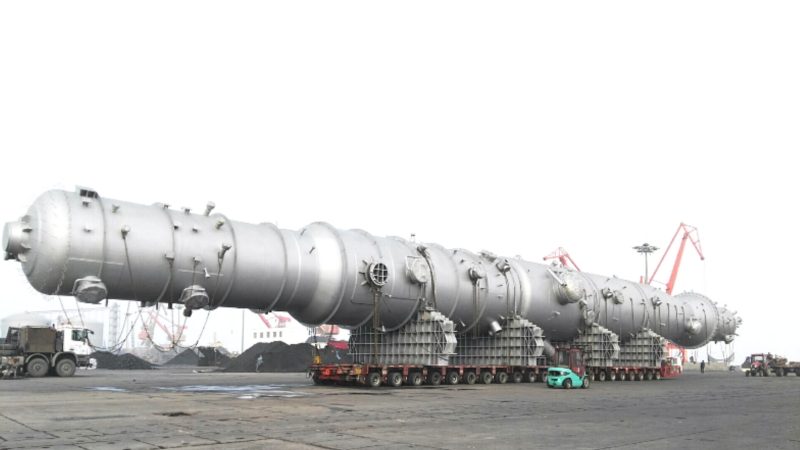
EPC buyers should confirm maximum shipping dimensions, lifting points, saddles, sea fastening preparation, surface protection, export packing, marking, delivery terms, port requirements, and document format. For large tanks, towers, and pressure vessels, transport limitations may influence fabrication segmentation, delivery sequence, and site installation planning.
Common Procurement Mistakes
One common mistake is purchasing refinery equipment item by item without a complete project view. Storage tanks, separators, heat exchangers, and towers may be connected by process conditions, piping layout, inspection requirements, and delivery schedule.
Another mistake is waiting too long to involve the manufacturer. Large pressure vessels and storage tanks require time for drawing clarification, material procurement, welding, inspection, testing, painting, and delivery. Early manufacturing review can reduce avoidable risk.
A third mistake is unclear scope boundaries. EPC buyers should specify whether the supplier scope includes fabricated equipment only, or also preservation, coating, export packing, loading, documentation, and port delivery support. Small fittings and accessories should be handled only within the complete equipment scope, not as standalone purchasing targets.
What to Prepare Before Requesting a Quotation
Before contacting a manufacturer, EPC buyers should prepare:
- Equipment list and project scope boundary
- Process datasheets and mechanical drawings
- Design pressure and design temperature
- Medium composition and corrosion considerations
- Material grade, corrosion allowance, and coating requirements
- Applicable design code and owner standards
- NDE, pressure test, and inspection requirements
- Equipment dimensions, weight limits, and transport route assumptions
- Delivery terms, port requirements, and document language
- Required manufacturing schedule and milestone dates
Buyers can also download the pressure vessel catalog to review product categories before preparing a formal inquiry package.
FAQ
What equipment is usually needed for refinery export corridor projects?
Common equipment may include large storage tanks, pressure vessels, separators, heat exchangers, process towers, scrubbers, condensers, and utility-related vessels. The final scope depends on the refinery configuration, product slate, storage plan, port layout, and EPC specification.
Why are large storage tanks important in refinery export corridors?
Large storage tanks provide crude oil, intermediate product, refined product, wastewater, or chemical storage capacity. In export corridor projects, they also support logistics, terminal operation, marine loading, and supply continuity.
What standards may apply to refinery pressure vessels and tanks?
Pressure vessels may follow ASME BPVC Section VIII or other applicable standards. Atmospheric storage tanks may reference API 650 where suitable. The final standard must be confirmed according to project specifications, local regulations, and qualified engineering review.
What should EPC buyers provide before requesting a quotation?
Buyers should provide drawings, datasheets, medium composition, pressure and temperature conditions, material requirements, inspection requirements, coating specifications, delivery terms, port requirements, and project schedule.
Why does port delivery matter for large refinery equipment?
Large vessels, tanks, towers, and heat exchangers may require special lifting, transport, preservation, packing, and export documentation. Port delivery planning helps reduce logistics risk before equipment leaves the factory.
Conclusion
Refinery export corridor projects combine downstream processing, storage, logistics, and port delivery into one integrated procurement challenge. For EPC buyers, the best equipment plan is built around complete large-scale products: pressure vessels, separators, heat exchangers, towers, columns, and industrial storage tanks above 1,000L.
If you are planning a refinery, petrochemical, oil and gas, fuel terminal, or export corridor project, WSHI can support manufacturing evaluation for custom pressure vessels, heat exchangers, separators, towers, and large storage tanks based on your drawings, datasheets, operating conditions, inspection requirements, and delivery expectations. You can contact our engineering team to discuss your project requirements before quotation.