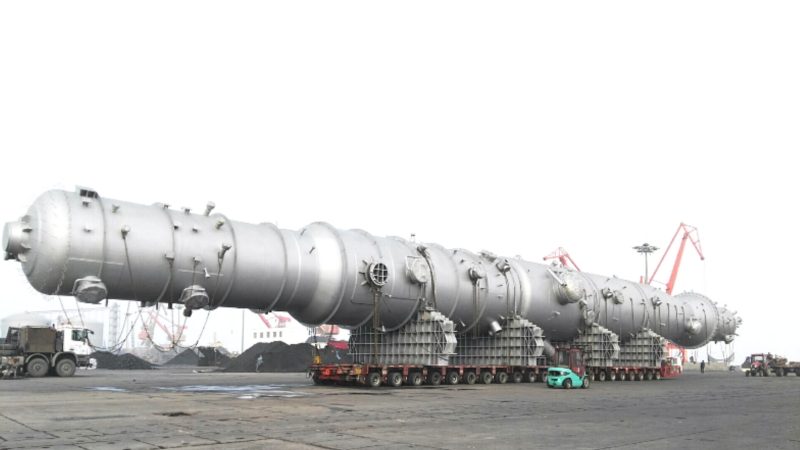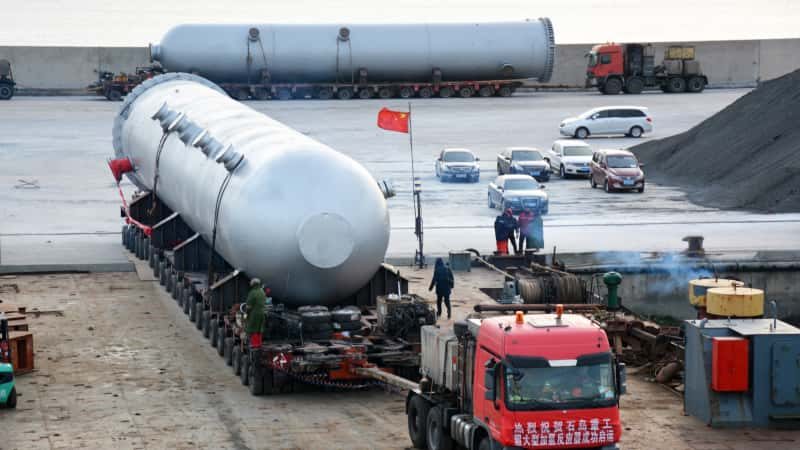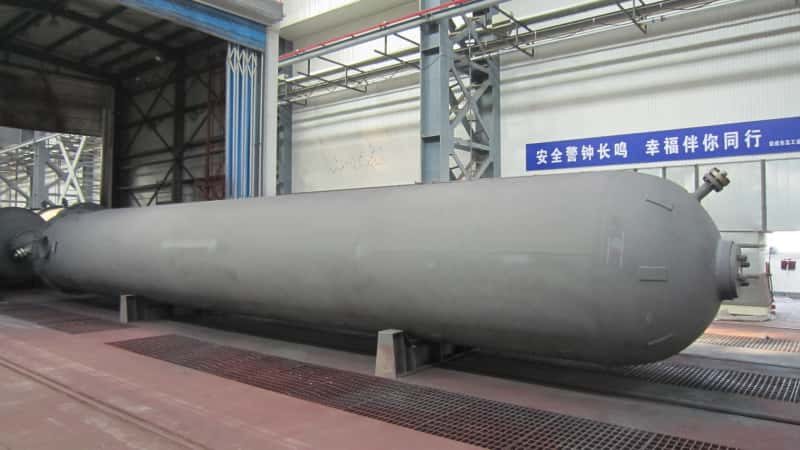

Unplanned refinery shutdowns can quickly turn equipment availability into a project-critical issue. For EPC buyers, maintenance planners, and refinery project managers, restart planning is not only about restarting process units. It also requires a careful review of tank farm equipment, large storage tanks, pressure vessels, heat exchangers, separators, piping interfaces, inspection records, and delivery requirements.
Recent reports around refinery disruptions in the Middle East, including coverage of fire and restart concerns at Saudi Aramco’s Jazan facility, show why tank farms and refinery support equipment deserve practical procurement attention. This article does not analyze the incident itself. Instead, it explains how buyers can plan complete equipment replacement or manufacturing support after shutdown, damage assessment, or restart preparation.
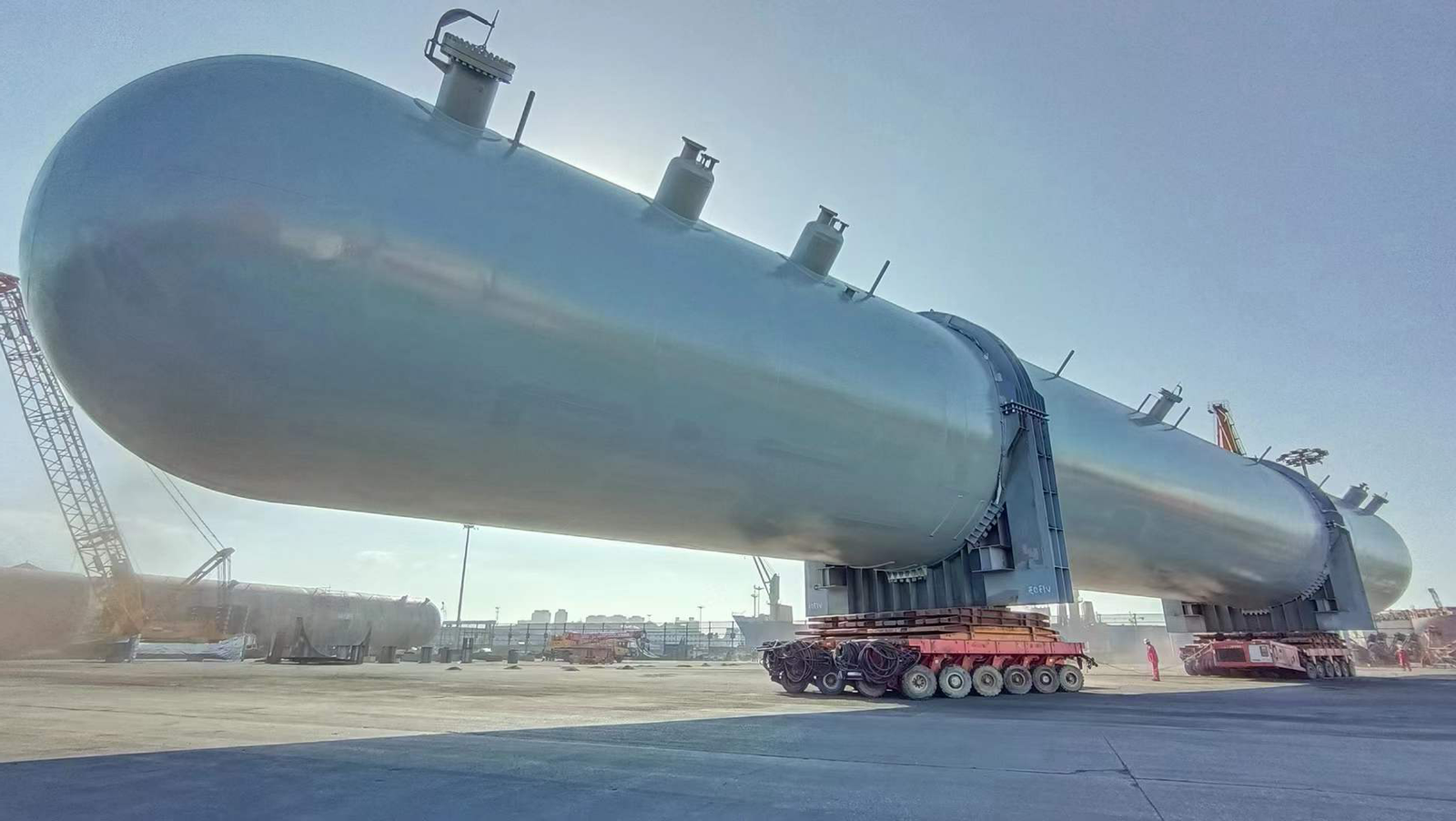
Refinery restart planning should review the complete tank farm equipment boundary, not only the visibly damaged tank.True
Large tanks, pressure vessels, exchangers, separators, drainage systems, transfer interfaces, inspection records, and delivery timing can all affect restart readiness.
A refinery storage tank replacement quotation can be reliable with only capacity and diameter.False
Reliable procurement requires medium, drawings, design conditions, material requirements, inspection findings, coating or lining scope, standards, site interface, and delivery constraints.
What Is Refinery Tank Farm Equipment Planning?
Refinery tank farm equipment planning is the process of reviewing, repairing, replacing, or adding storage and static equipment that supports crude oil handling, intermediate storage, finished product storage, utilities, wastewater, and emergency operations.
A tank farm may include large aboveground storage tanks, pressurized vessels, product drums, separators, transfer-related vessels, heat exchangers, wastewater tanks, firewater-related storage, and other fabricated equipment. For WSHI’s product scope, the focus should remain on complete industrial equipment, especially tanks above 1,000L and project-based pressure vessels.
EPC buyers may need industrial storage tanks, custom pressure vessels, separators, industrial heat exchangers, and complete fabricated equipment packages when restart planning identifies damage, corrosion, process change, or capacity gaps.
Why Tank Farm Review Matters After an Unplanned Shutdown
Unplanned shutdowns can expose equipment problems that were not urgent during normal operation. These may include coating damage, tank bottom corrosion, nozzle or shell deformation, settlement concerns, heat exchanger fouling, vessel wall thinning, damaged supports, or interface problems around transfer lines.
Before restart, project teams usually need to confirm whether equipment is safe for service, requires repair, or should be replaced. OSHA’s Process Safety Management resources emphasize the importance of managing hazards related to highly hazardous chemicals, while API 653 is widely associated with inspection, repair, alteration, and reconstruction of aboveground storage tanks.
For procurement teams, the practical question is: which equipment items need replacement manufacturing support, and what information must be ready before requesting a quotation?
Main Equipment Reviewed in Refinery Tank Farm Projects
Large Storage Tanks Above 1,000L
Large storage tanks are central to tank farm operation. They may store crude oil, naphtha, gasoline, diesel, fuel oil, LPG-related liquids, wastewater, slop oil, or chemical additives.
When reviewing refinery storage tanks, EPC buyers should confirm medium, capacity, roof type, pressure condition, operating temperature, corrosion allowance, foundation condition, coating or lining system, inspection history, and environmental containment requirements.
For certain aboveground tank inspection and repair contexts, API 653 may be relevant. Final use of any tank standard should be confirmed by the owner, inspection authority, and local regulations.
Pressure Vessels and Drums
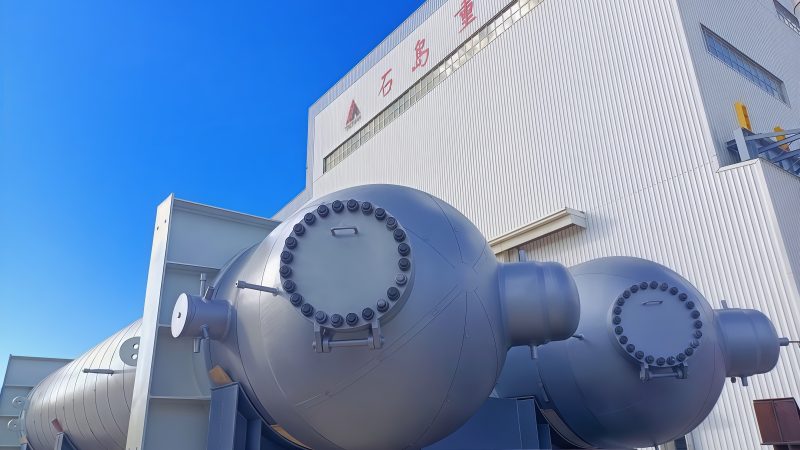
Refinery tank farm and transfer areas may include pressure vessels, surge drums, knock-out vessels, vapor-liquid separators, condensate vessels, or buffer vessels. These should be specified as complete fabricated equipment, not as separate small components.
For pressure vessels for oil and gas, buyers should provide design pressure, design temperature, operating conditions, medium composition, material requirements, NDE scope, pressure testing requirements, coating specifications, and delivery deadlines.
Heat Exchangers
Heat exchangers may support product cooling, vapor condensation, heat recovery, utility service, or restart-related temporary process changes. If restart planning identifies exchanger damage, leakage, insufficient duty, or severe fouling, replacement may be considered.
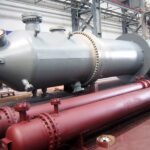
A shell and tube heat exchanger should be specified using thermal datasheets, fluid properties, material requirements, allowable pressure drop, inspection scope, and maintenance expectations.
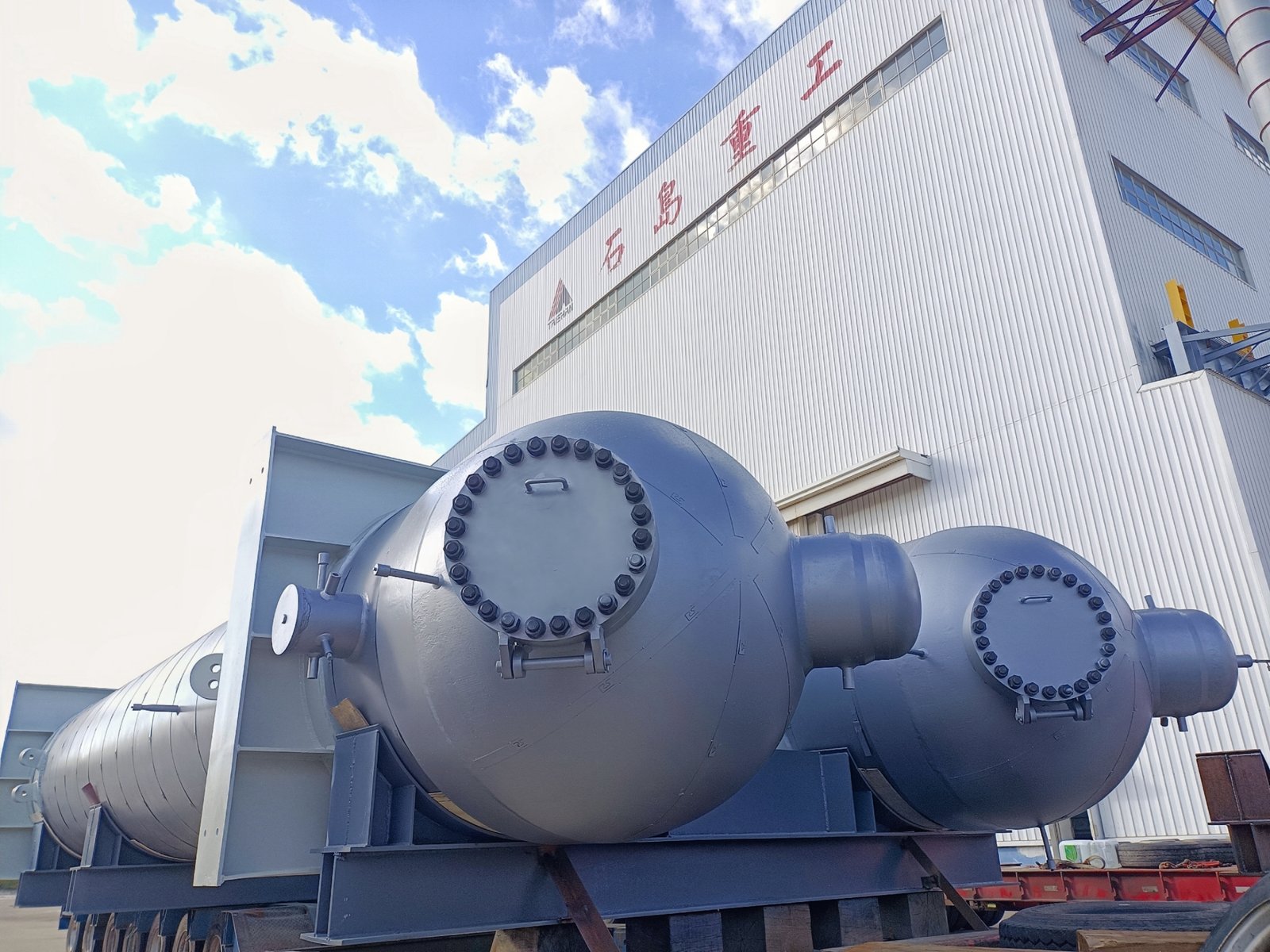
Separators and Wastewater Holding Equipment
After an unplanned shutdown, drainage, contaminated water, slop oil, and mixed-phase liquids may require temporary or permanent separation and holding capacity. Complete separator vessels and large wastewater holding tanks can become important support equipment during restart preparation.
Buyers should define medium composition, oil-water ratio if available, gas release risk, solids content, corrosion concerns, required holding volume, and discharge or treatment boundary.
Key Procurement Checks Before Restart
Inspection Findings
Before requesting replacement equipment, buyers should collect inspection findings, thickness measurements, NDE results, coating inspection reports, deformation records, foundation survey data, and previous maintenance history. These details help the manufacturer understand whether the project is a like-for-like replacement or an upgraded equipment scope.
Material and Corrosion Review
Refinery tank farms can involve hydrocarbons, sour water, chlorides, sulfur compounds, oxygenated fuels, additives, wastewater, and corrosive contaminants. Material grade, corrosion allowance, coating, lining, and external painting should be reviewed carefully.
Any material upgrade should be approved by refinery corrosion, process, and mechanical specialists.
Standards and Regulatory Requirements
Different equipment categories may require different standards. Pressure vessels may reference ASME BPVC Section VIII where applicable. Aboveground storage tank inspection and repair may involve API 653 in suitable contexts. OSHA’s Process Safety Management resources may be relevant to hazardous chemical facilities.
This article should not be treated as a code conclusion. Final compliance depends on project location, owner specification, authority requirements, and qualified engineering review.
Manufacturing and Delivery Schedule
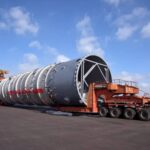
Restart projects often have compressed schedules. Large tanks, vessels, and heat exchangers require drawing review, material procurement, forming, welding, NDE, pressure or leak testing, coating, documentation, packing, and transport. EPC buyers should involve the manufacturer early if replacement is likely.
As a large-scale pressure vessel manufacturer, WSHI supports project-based manufacturing of tanks, pressure vessels, heat exchangers, separators, towers, and other fabricated equipment. Buyers can also download the pressure vessel catalog before preparing a formal RFQ.

What Buyers Should Prepare Before Requesting a Quotation
EPC buyers should prepare:
- Existing tank or vessel tag number
- Equipment drawings and updated datasheets
- Inspection findings and damage description
- Stored medium or process fluid composition
- Design pressure and design temperature
- Operating pressure and operating temperature
- Material grade and corrosion allowance
- Coating, lining, or painting requirements
- NDE, leak test, or pressure test requirements
- Applicable standards and owner specifications
- Required delivery date linked to restart schedule
- Transport limits, lifting plan, and site interface details
Common Procurement Mistakes
One mistake is requesting replacement pricing before inspection data is available. Without damage reports, material requirements, or operating conditions, the supplier can only provide a rough estimate.
Another mistake is focusing only on the damaged tank while ignoring connected vessels, exchangers, separators, and transfer interfaces. Tank farm restart depends on the whole system boundary.
A third mistake is treating restart equipment as ordinary stock supply. Large refinery equipment must match project drawings, safety requirements, inspection expectations, and delivery constraints.
FAQ
What equipment should be reviewed before a refinery restart?
Large storage tanks, pressure vessels, heat exchangers, separators, wastewater holding tanks, transfer-related vessels, and affected process interfaces should be reviewed according to inspection findings and project requirements.
Why are tank farms important during refinery restart planning?
Tank farms support feedstock storage, intermediate handling, product storage, wastewater collection, and logistics. If tank farm equipment is damaged or unavailable, restart planning can be delayed.
What information is needed for replacement tank or vessel procurement?
Buyers should provide drawings, datasheets, inspection findings, medium composition, design pressure and temperature, material requirements, coating requirements, inspection scope, delivery terms, and project schedule.
Which standards may apply to refinery storage tanks?
API 653 may be relevant for inspection, repair, alteration, or reconstruction of certain aboveground storage tanks. API 650, ASME BPVC, or other standards may apply depending on tank type and project scope. Final selection requires engineering review.
Can WSHI provide emergency restart guarantees?
No. WSHI can support manufacturing evaluation and project-based equipment supply discussions. Restart safety, fitness-for-service, regulatory approval, and operation decisions should be confirmed by the owner, EPC contractor, inspection authority, and qualified specialists.
Conclusion
Refinery tank farm equipment planning after an unplanned shutdown should focus on complete equipment readiness. Large storage tanks above 1,000L, pressure vessels, heat exchangers, separators, and support equipment may all need inspection review, repair planning, or replacement procurement before restart.
If you are planning refinery restart, tank farm repair, storage tank replacement, or EPC equipment procurement for refinery and petrochemical projects, WSHI can support manufacturing evaluation based on your drawings, datasheets, inspection findings, material requirements, and delivery expectations. You can contact our engineering team to discuss your project before quotation.