
What Should EPC Buyers Check Before Ordering Reflux Drums for Distillation Systems?
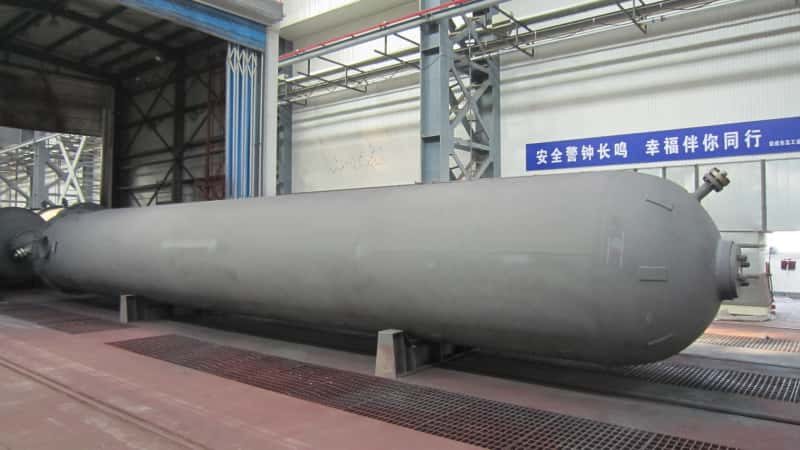
A reflux drum is a complete pressure vessel used in the overhead system of a distillation column. For EPC buyers, the purchasing risk is treating it as a simple collection tank. In practice, reflux drums affect column stability, reflux control, overhead product handling, vapor-liquid separation, corrosion management, inspection scope, and site installation. Before ordering a reflux drum, buyers should confirm process data, pressure and temperature conditions, residence volume, materials, nozzles, level control interfaces, testing, documentation, and delivery boundary.
WSHI focuses on project-based equipment such as custom pressure vessels, reflux drums, separation vessels, heat exchangers, distillation columns, and large industrial tanks above 1,000 liters. Nozzles, instruments, internals, supports, or accessories should be discussed only as part of the complete reflux drum or distillation equipment package.

A reflux drum is only a small collection tank after a condenser.False
A reflux drum affects liquid inventory, reflux control, vapor-liquid separation, overhead product handling, corrosion management, inspection scope, and site installation. It should be specified as a complete pressure vessel.
Reflux drum procurement should be aligned with the distillation column, overhead condenser, reflux pumps, controls, and downstream product handling.True
The drum volume, nozzles, level control, vapor outlet, water draw-off if required, materials, pressure rating, and layout must match the full overhead system.
What Is a Reflux Drum?
A reflux drum, also called an overhead accumulator, is installed downstream of a distillation column overhead condenser. Its main function is to collect condensed overhead vapor, provide liquid inventory, support reflux flow back to the column, and allow net overhead product to be sent to downstream storage or processing.
In many refinery and chemical systems, the reflux drum may also separate residual vapor, hydrocarbon liquid, and water. The exact function depends on whether the overhead condenser is total or partial, the process medium, operating pressure, condensation behavior, and column control philosophy.
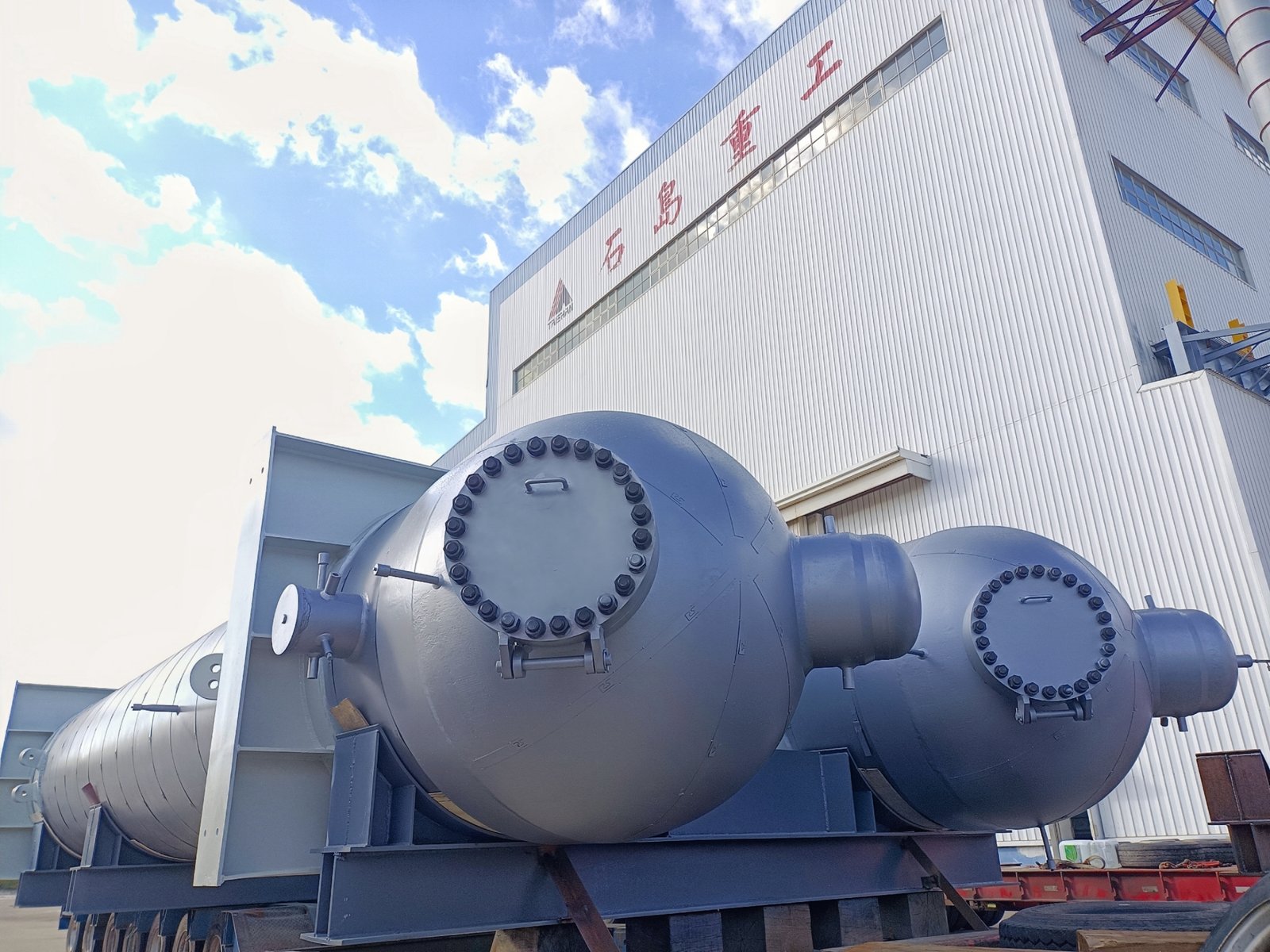
For EPC procurement, a reflux drum should be treated as a custom pressure vessel, not as a standard small tank. The manufacturer scope should cover the vessel shell, heads, nozzles, supports, pressure boundary, welding, inspection, testing, surface treatment, documentation, packing, and delivery according to approved project requirements.
Where Reflux Drums Are Used
| Application area | Typical service | Buyer review focus |
|---|---|---|
| Refinery distillation units | Atmospheric distillation, vacuum distillation, naphtha splitting, stabilizers, fractionators | Hydrocarbon composition, water phase, corrosion, pressure rating, level control |
| Petrochemical plants | Aromatics separation, olefin recovery, solvent recovery, product fractionation | Flammable service, materials, condensation behavior, documentation |
| Chemical plants | Solvent recovery, methanol distillation, purification columns | Medium compatibility, vacuum or pressure condition, coating or lining |
| Column equipment packages | Overhead condenser, reflux drum, reflux pumps, product cooler, storage interface | Connected process design, nozzle layout, equipment boundary, site installation |
Refinery Distillation Units
Reflux drums are common in atmospheric distillation, vacuum distillation, naphtha splitting, stabilizers, fractionators, reforming units, hydrotreating units, and other refinery separation systems. They may handle light naphtha, hydrocarbons, sour water, off-gas, or mixed overhead streams.
For refinery projects, buyers can review WSHI’s pressure vessels for oil and gas and related refinery equipment capabilities.
Petrochemical and Chemical Plants
Petrochemical and chemical units may use reflux drums in solvent recovery, methanol distillation, aromatics separation, olefin recovery, chemical purification, and product fractionation. These services can involve flammable materials, corrosive overheads, vacuum conditions, or tight product specifications.
Process Towers and Column Packages
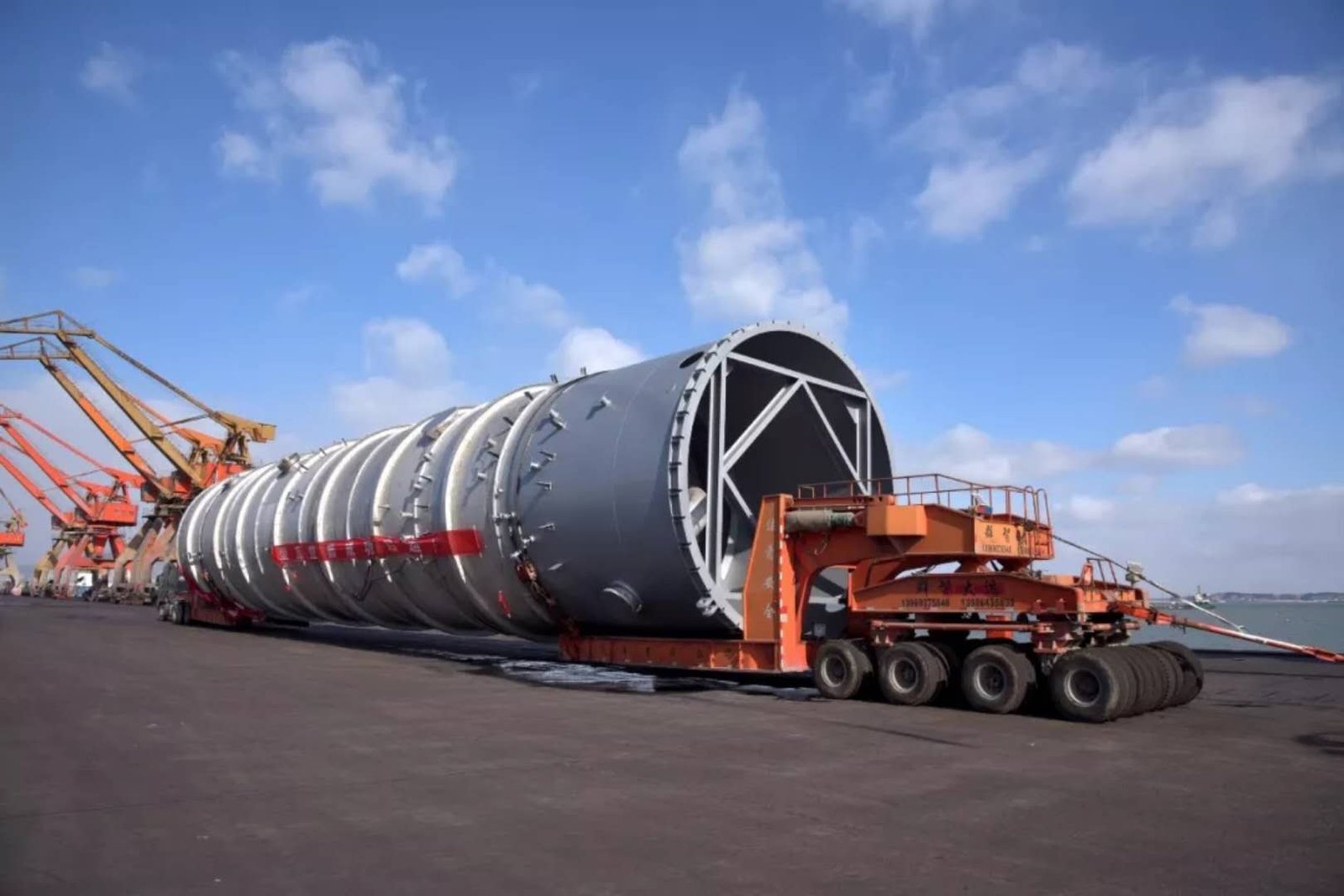
A reflux drum is normally part of a wider distillation system. It works with process towers and columns, overhead condensers, reflux pumps, product coolers, relief systems, and downstream storage. Procurement should therefore be aligned with the full column package instead of handled as an isolated vessel.
Key Selection Factors for EPC Buyers
Overhead Vapor and Condensate Data
The RFQ should include overhead vapor flow, condensed liquid flow, vapor-liquid ratio, water content if applicable, operating pressure, operating temperature, design pressure, design temperature, and composition. If the drum handles two liquid phases, buyers should also provide density difference, emulsion tendency, water draw-off requirements, and interface control philosophy.
A reflux drum cannot be specified reliably from column name alone. The same overhead accumulator may need different volume, materials, nozzles, and control interfaces depending on process duty.
Residence Volume and Surge Capacity
The reflux drum provides liquid inventory for reflux control and overhead product withdrawal. Required residence time or surge volume should be defined by the process designer. Inadequate volume may cause unstable reflux flow, pump suction problems, level control issues, or operational sensitivity during load changes.
The vessel volume should be reviewed together with column operating range, condenser behavior, reflux ratio, pump NPSH needs, product draw-off, and startup or shutdown cases.
Pressure and Temperature Conditions
A reflux drum is usually a pressure vessel. Buyers should define normal pressure, design pressure, vacuum condition if applicable, normal temperature, design temperature, minimum design metal temperature where required, and possible pressure variation during upset conditions.
ASME BPVC Section VIII Division 1 is commonly referenced for pressure vessels operating above specified internal or external pressure limits. ASME describes this section as covering requirements for design, fabrication, inspection, testing, and certification of pressure vessels. Final code application should follow project specifications, jurisdiction, owner requirements, and the latest applicable standard.
Material Selection and Corrosion Risk
Overhead systems may contain hydrocarbons, water, H2S, CO2, ammonia, chlorides, organic acids, oxygen traces, or process chemicals. In refinery service, overhead corrosion can be a serious reliability issue. Material selection should be based on actual medium composition, water chemistry, corrosion data, pressure, temperature, and owner specifications.
Carbon steel, stainless steel, low-alloy steel, lining, or other materials may be considered depending on the service, but the final decision must come from project engineering review.
Nozzle Orientation and Interfaces
Reflux drums connect to overhead condensers, reflux pumps, product lines, vapor outlets, water drains, relief systems, vents, instruments, and sampling or maintenance points. EPC buyers should confirm nozzle orientation before fabrication because changes after welding can cause costly site rework.
Nozzles, instruments, supports, and accessories should be discussed only as part of the complete reflux drum package, not as standalone small-item procurement.
Manufacturing and Quality Control Considerations
Reflux drum manufacturing should follow the project’s pressure vessel requirements. A practical quality plan may include material traceability, welding procedure qualification, welder qualification, fit-up inspection, dimensional inspection, nondestructive examination where specified, hydrostatic or pneumatic testing where applicable, coating or lining inspection, and final data book preparation.
As a large-scale pressure vessel manufacturer, WSHI supports project-based manufacturing for pressure vessels, reflux drums, separation vessels, heat exchangers, distillation columns, and large industrial tanks. If the reflux drum is part of a larger system, buyers may also review industrial heat exchangers and custom distillation columns.
RFQ Checklist for Reflux Drums
| RFQ item | Information to provide | Why it matters |
|---|---|---|
| Process basis | Datasheet, PFD or P&ID, column service, condenser type | Defines the reflux drum’s role in the overhead system |
| Flow data | Overhead vapor flow, condensed liquid flow, vapor-liquid ratio, turndown | Supports sizing, nozzle selection, and control review |
| Composition | Hydrocarbons, water, H2S, CO2, chlorides, acids, ammonia, solvent content | Drives corrosion, material, and coating decisions |
| Operating conditions | Operating/design pressure and temperature, vacuum cases, MDMT if needed | Defines pressure vessel design basis |
| Control interfaces | Level instruments, water draw-off, vapor outlet, reflux and product connections | Prevents field interface and control problems |
| Mechanical scope | Nozzle orientation, supports, lifting, dimensions, platform access | Connects fabrication with site installation |
| Quality requirements | NDE, pressure test, coating inspection, third-party witness, data book | Defines acceptance scope before purchase order placement |
| Delivery boundary | Packing, preservation, destination, route limits, schedule | Reduces transport and project delay risk |
Common Procurement Mistakes
One common mistake is requesting a reflux drum quotation without a process datasheet. Without vapor flow, liquid flow, pressure, temperature, composition, and control philosophy, supplier quotations may not be technically comparable.
Another mistake is separating the reflux drum from the overhead condenser and column control system. The drum volume, liquid level, vapor outlet, water boot if required, reflux return, and product draw-off must match the whole distillation system.
A third mistake is ignoring corrosion in overhead service. Water phase chemistry, chlorides, sulfur compounds, ammonia, acids, temperature, and condensation behavior can affect material and coating decisions.
A fourth mistake is leaving site interfaces unresolved. Foundation, supports, nozzle orientation, pump suction elevation, platform access, and transport dimensions should be checked before fabrication release.
What Should Buyers Prepare Before RFQ?
Before requesting a quotation, EPC buyers should prepare the process datasheet, PFD or P&ID if available, overhead vapor and liquid flow rates, operating and design pressure, operating and design temperature, medium composition and water content, liquid residence or surge volume requirement, two-phase or three-phase separation requirement, material and corrosion allowance requirements, applicable code and project standard, nozzle orientation and interface drawings, support and layout requirements, NDE and pressure test requirements, coating or lining specification, delivery terms and destination, and documentation expectations.
Conclusion
Reflux drums for distillation systems should be specified as complete pressure vessels within a full column overhead package. Capacity, pressure, temperature, material selection, corrosion risk, liquid level control interfaces, condenser connection, testing, documentation, and delivery planning all influence project reliability.
If you are preparing a refinery, petrochemical, chemical, solvent recovery, or distillation column project, you can share your datasheets, drawings, overhead composition, pressure and temperature conditions, material requirements, inspection scope, and delivery terms with WSHI. Our engineering and manufacturing team can help discuss the feasibility of custom reflux drums, pressure vessels, distillation columns, heat exchangers, and related project equipment for your requirements. You can contact our engineering team to discuss your equipment scope.
FAQ
What is the purpose of a reflux drum?
A reflux drum collects condensed overhead vapor from a distillation column, provides liquid inventory for reflux control, and allows overhead product to be routed to downstream processing or storage.
Is a reflux drum a pressure vessel?
In most refinery, petrochemical, and chemical applications, yes. A reflux drum is usually specified as a pressure vessel and should follow the applicable project code, inspection, and testing requirements.
What data is needed to specify a reflux drum?
Buyers should provide vapor and liquid flow, pressure, temperature, medium composition, water content, residence volume, control interfaces, material requirements, inspection scope, and delivery terms.
What is the difference between a reflux drum and an overhead accumulator?
The terms are often used for similar equipment. Both refer to a vessel that collects condensed overhead liquid and supports reflux and product draw-off. The exact design depends on the distillation system.
Should reflux drum internals or instruments be purchased separately?
For EPC equipment procurement, they should be discussed only as part of the complete reflux drum or distillation package. The focus should remain on the finished pressure vessel and project interfaces.