
For EPC buyers, procuring SAF and e-SAF project equipment involves more than issuing separate orders for hydrogen equipment and fuel-processing vessels. The two systems must meet at clearly defined pressure, temperature, composition and flow conditions. When these interfaces remain unresolved, a correctly fabricated vessel can still be unsuitable for its intended duty. This article examines how buyers can coordinate complete pressure vessels, gas-liquid separators and heat exchangers without confusing equipment manufacturing with process licensing or whole-plant integration.
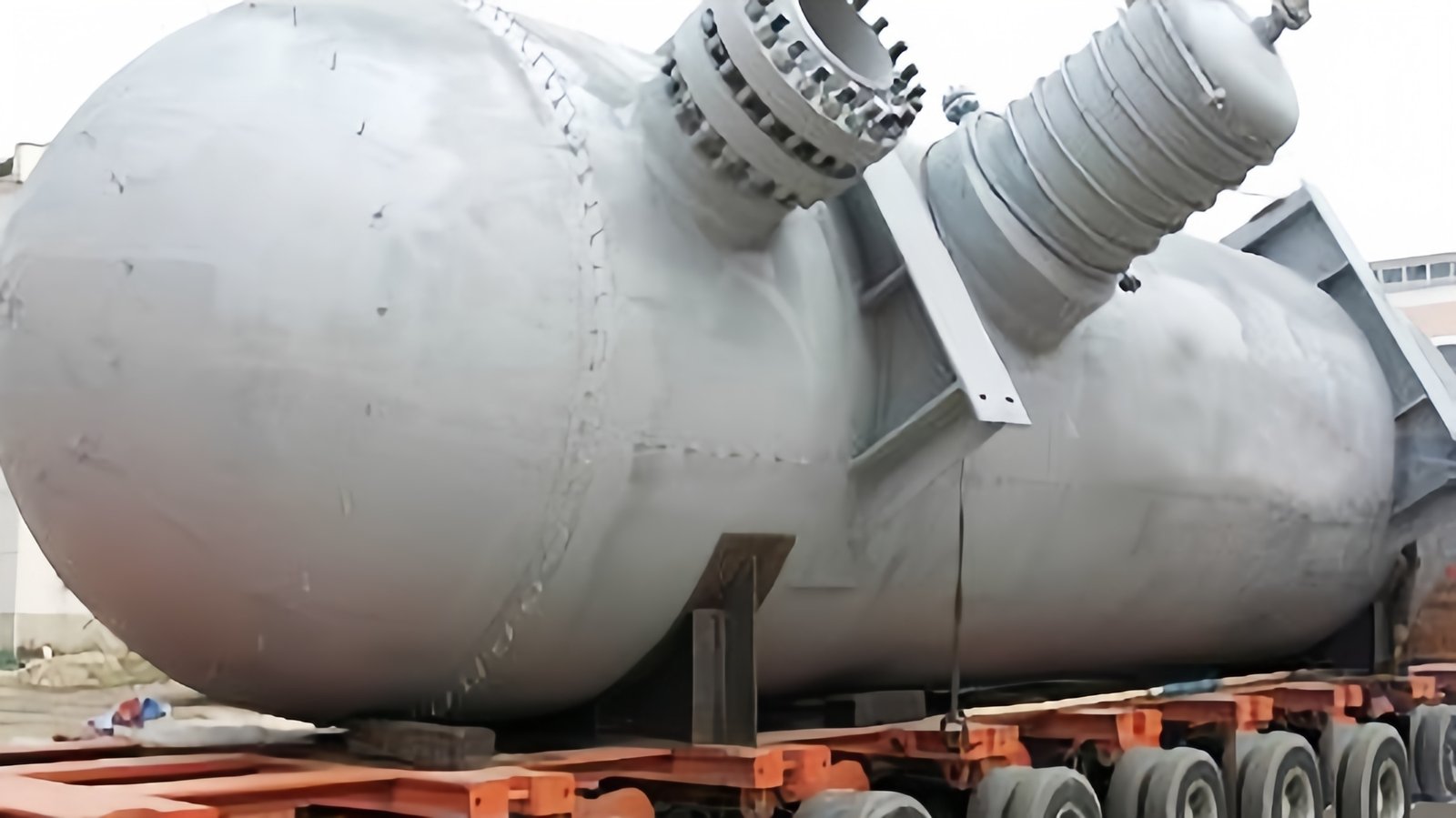
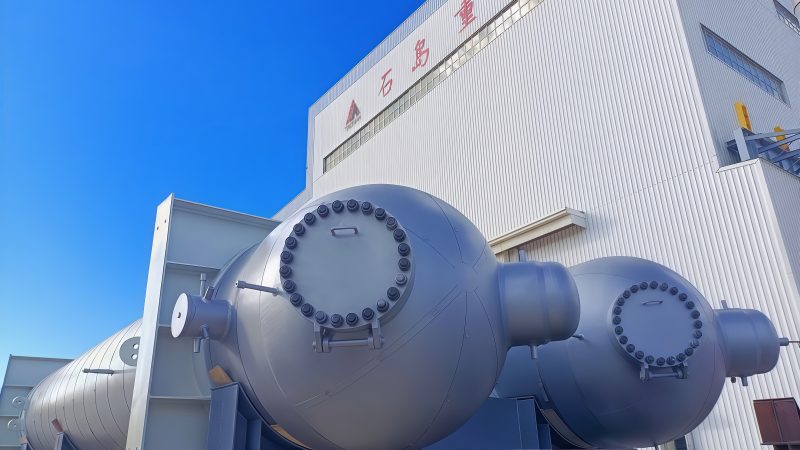
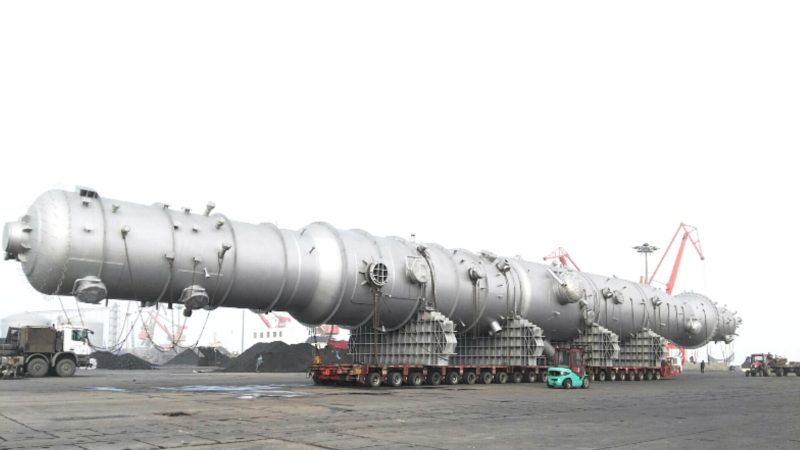
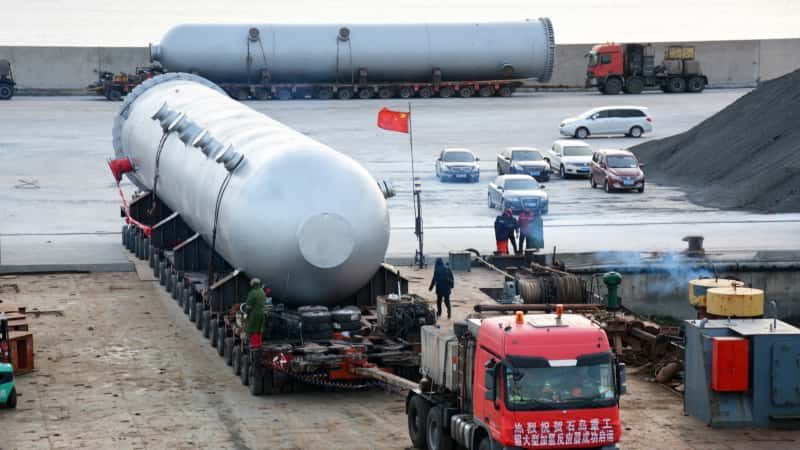
Representative separator image. Equipment selection and hydrogen-service suitability require project-specific engineering; this image does not represent the project discussed below.
Why Hydrogen Interfaces Are Receiving Attention
In a September 21, 2026 update, Plug reported continued FEED coordination for Allied Biofuels’ planned SAF and e-SAF development in Uzbekistan. The update described engineering partners aligning responsibilities, technology interfaces and design deliverables. It explicitly stated that final investment decision had not yet occurred. This is an engineering-stage development, not evidence of an operating plant or completed equipment procurement. Source: project participant’s FEED update.
For equipment buyers, the broader procurement lesson is the importance of interface definition before manufacturing commitments. Hydrogen production, conditioning and downstream fuel processing can involve different technology providers. Each package may have its own assumptions about supply conditions and operating flexibility. Those assumptions need to be reconciled in an approved design basis. WSHI is not presented here as a supplier to the referenced project.
Start With the Selected Fuel-Production Route
SAF is not a single manufacturing process, and e-SAF equipment should not be specified from a generic plant diagram. The selected feedstock, conversion route and licensed technology determine where hydrogen is required and which separation, thermal and pressure-containment duties exist. A vessel list suitable for one route may be inappropriate for another.
Before requesting quotations, identify the process design authority and obtain the relevant equipment datasheets. Buyers should distinguish an electrolyzer package boundary from hydrogen conditioning, compression, downstream synthesis and fuel-upgrading boundaries. Procurement of custom pressure vessels should follow those approved duties rather than assume that the fabricator will select or guarantee the overall process route.
Define the Hydrogen Delivery Conditions
Agree on Conditions at the Actual Connection Point
The hydrogen interface should identify the delivery location and the pressure, temperature, flow range and composition expected there. Conditions at an electrolyzer outlet are not necessarily the conditions available at a downstream process connection. Intermediate treatment, compression, cooling and pressure losses may change the required design basis.
Purity also needs a precise definition. A single headline hydrogen percentage may not adequately describe moisture, oxygen or other impurities relevant to the receiving process. The process licensor should define allowable contaminants and acceptance conditions. The buyer should then identify which package is responsible for achieving them, where compliance is assessed and what happens when the incoming stream falls outside the agreed specification.
Include Variability and Interrupted Supply
Average hydrogen flow is insufficient for equipment selection where production or demand varies. Ask the design team to define minimum and maximum flow, relevant ramping conditions, planned shutdowns and credible supply interruptions. A buffer vessel may help accommodate some short-duration imbalances, but it should not be assumed to maintain downstream production through every outage.
Required buffer capacity depends on the usable pressure range, inventory, demand profile and control philosophy. A larger vessel is not automatically the most appropriate answer. Storage, compression, operating flexibility and process constraints need coordinated assessment before the vessel volume is fixed.
Which Complete Equipment Items May Be Required?
Gas-Liquid Separation Vessels
Where the approved process produces a gas stream containing entrained or condensed liquid, a separator may be required before the next processing stage. Its duty should specify expected gas and liquid loads, physical properties, operating range and the receiving equipment’s carryover limits. Startup and other relevant transient conditions should be considered alongside normal production.
A gas-liquid separator does not automatically remove water vapor or deliver the chemical purity required by a synthesis process. Buyers must distinguish bulk liquid removal from drying and purification. The purchase specification should describe the required performance of the complete separator, while keeping responsibility for upstream and downstream treatment clear.
Hydrogen Buffer and Other Process Vessels
Buffer vessels, process drums and collection vessels serve different purposes. One provides defined gas inventory; another may support phase separation or liquid collection. They should not be treated as interchangeable pressure containers. Each item needs its own design basis, including applicable pressure-temperature cases, corrosion considerations and operating-cycle information.
For projects evaluating pressure vessels for new energy applications, the useful starting point is an approved equipment duty rather than a broad request for “hydrogen tanks.” This helps the manufacturer assess the actual fabrication scope without implying responsibility for an entire hydrogen system.
Heat Exchangers and Condensers
Depending on the process arrangement, thermal equipment may be needed for cooling, condensation, heating or heat recovery. Buyers evaluating shell and tube heat exchangers should provide the composition, flow and thermal conditions of both streams, together with pressure-drop limits and utility availability.
The specification should also identify relevant variable-load conditions, fouling expectations and maintenance requirements. An exchanger selected only for one nominal operating point may not address the project’s wider operating envelope. Responsibility for thermal design and its performance guarantee must be explicit, especially when mechanical fabrication is purchased separately.
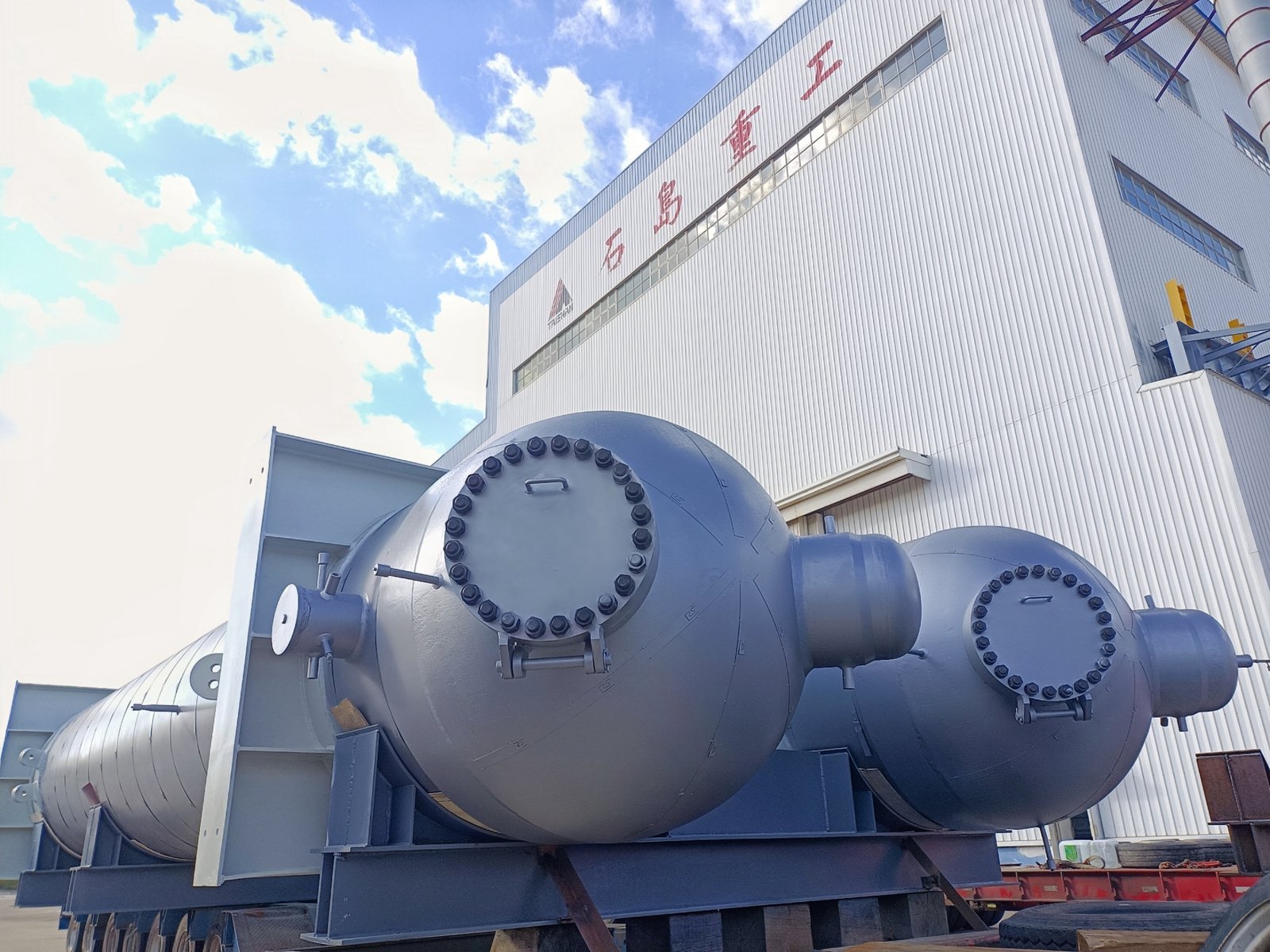
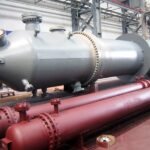
Representative thermal equipment. Actual heat-transfer duty, materials and mechanical design depend on the selected process and approved datasheets.
Review Hydrogen Service and Materials Together
A vessel’s pressure rating alone does not establish suitability for hydrogen service. Material selection must consider the actual environment, temperature, pressure, fabrication condition and relevant operating cycles. The US Department of Energy notes that hydrogen exposure can cause embrittlement in some metals and emphasizes appropriate material selection in its hydrogen safety guidance.
Buyers should ask the responsible engineer to define the applicable material requirements and degradation mechanisms rather than prescribe a universal grade. Requirements for welding, heat treatment, examination and testing must follow the governing code and project specification. Neither a generic material certificate nor an unsupported “hydrogen-ready” description replaces this assessment.
The same division of responsibility applies to plant safety. Relief-system design, hazardous-area assessment, ventilation, detection and shutdown integration require qualified project-level engineering. The vessel supply contract should identify required inputs and deliverables without implying that equipment fabrication alone establishes whole-plant safety.
Turn Manufacturing Requirements Into Deliverables
Before production, agree on the approved drawing status, material specifications, inspection and test plan, documentation requirements and change-control process. The manufacturer should understand which technical decisions are final and which remain provisional. Where the project authorizes early material purchasing, the consequences of later design changes should be addressed explicitly.
For complete equipment, relevant deliverables may include material traceability, welding records, required examination reports, pressure-test documentation, dimensional checks and preservation records. Testing methods and acceptance criteria should be specified by the applicable requirements, not selected from a generic checklist. Any additional leak-testing requirements must be defined and approved for the service.
WSHI’s scope includes drawing development and engineering coordination, material procurement, welding fabrication, nondestructive examination, pressure testing, coating and heavy-equipment delivery. Buyers can review WSHI’s manufacturing capabilities when defining the supply package. The actual order must separately confirm required qualifications, inspection arrangements and the limits of any performance commitment.
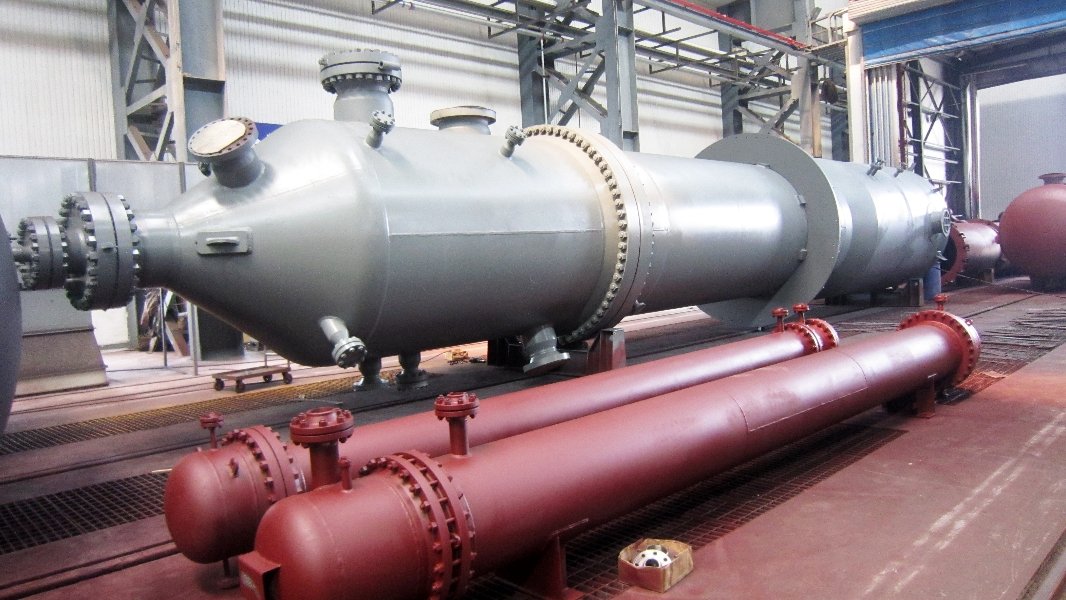
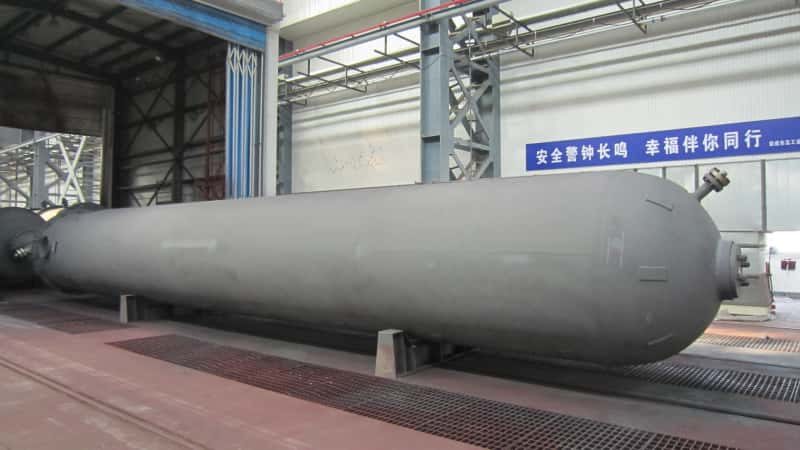
Representative workshop image. Manufacturing records and agreed inspection activities provide project-specific evidence of conformity.
Coordinate Delivery With Installation Readiness
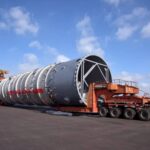
Large equipment procurement also requires a practical logistics boundary. Confirm transport dimensions and weights, handling information, preservation requirements and the receiving site’s readiness. State whether the supplier’s responsibility ends at factory loading, port delivery or another agreed point. Site unloading, erection and commissioning support should not remain implicit.
Technical documents also have delivery dates. Foundation information, equipment loads and connection details may be needed well before the vessel arrives. The procurement schedule should therefore track engineering submissions alongside fabrication milestones. For FEED-stage projects, quotations should clearly identify their validity, provisional inputs and conditions for release to manufacture.
FAQ
Does every SAF plant require the same hydrogen equipment?
No. Hydrogen demand and equipment duties depend on the selected feedstock and conversion route. Use the approved process design and licensor requirements to establish the equipment list.
Can a gas-liquid separator deliver synthesis-grade hydrogen?
Not by itself. Removing entrained liquid is different from removing water vapor or gaseous contaminants. Drying and purification requirements need separate process definition.
Can a buffer vessel eliminate the effects of variable hydrogen production?
Not necessarily. Its contribution depends on usable inventory, pressure range and downstream demand. Required capacity and operating strategy should be evaluated together.
What should EPC buyers provide for an initial quotation?
Provide the equipment duty, process composition, flow range, pressure-temperature conditions, required standards, inspection scope, drawings where available and delivery boundary. Clearly mark preliminary information and identify who approves changes.
Discuss Your SAF and E-SAF Equipment Scope
Effective SAF project equipment procurement starts with coordinated interfaces, not an isolated equipment list. When hydrogen delivery conditions, process duties and manufacturing responsibilities are clear, suppliers can evaluate complete vessels and exchangers against meaningful requirements. To discuss fabrication for your SAF or e-SAF development, contact our engineering team with the approved datasheets, preliminary drawings and intended supply scope. The review can then focus on manufacturing feasibility, quality-control requirements and project delivery.